Your digging level

For this genre
0/8
🏆
Sign in, then listen to this genre to level up

Description

Cabo zouk is a romantic, mid‑tempo dance style from Cape Verde that blends the silky grooves of Antillean zouk and Angolan kizomba with Cape Verdean song traditions such as coladeira and morna.

Characterized by lush synth pads, gently syncopated drum programming, round sub‑bass, and melodic guitar lines, the genre favors intimate vocals sung in Cape Verdean Creole and Portuguese. Its feel is smooth and sensual, optimized for close‑hold social dancing and late‑night listening.

Developed largely within the Lusophone diaspora (Portugal, the Netherlands, France), Cabo zouk modernized zouk love aesthetics while retaining Cape Verde’s melodic sensibility, creating a sleek, R&B‑tinged sound that travels easily between clubs, radio, and dance floors worldwide.


Sources: Spotify, Wikipedia, Discogs, RYM, MB, user feedback and other online sources

Tony Fika -  Nu Pára (Official Video)
Tony Fika - Nu Pára (Official Video)
Tony Fika
Kino Cabral-Da Tempo (Official Video) Cabo Zouk
Kino Cabral
Kino Cabral-Badja (Official Video) Cabo Zouk
Kino Cabral
Paulette "Mas ki mal" zouk cabo
Maquis “faits des recettes” faits des vidéos

History

Origins (late 1980s–1990s)

Cabo zouk emerged as Cape Verdean musicians engaged with the rising popularity of Antillean zouk and the contemporaneous Angolan development of kizomba. Artists in Praia and the Cape Verdean diaspora absorbed these styles and fused them with local traditions—particularly the melodic contours of morna and the rhythmic lilt of coladeira—shaping a lighter, love‑song oriented variant often called "Cabo love" or "Cabo zouk".

Diaspora studios and the first wave (1990s–2000s)

Recording hubs in Lisbon, Rotterdam, and Paris became crucial, where Cape Verdean singers and producers adopted modern drum machines, digital synths, and R&B‑flavored vocal production. The result maintained zouk’s 4/4 pulse but softened the percussion and spotlighted crooning vocals in Cape Verdean Creole. Radio‑friendly singles and compilation CDs helped standardize the sound and spread it across Lusophone communities.

Consolidation and global dance scene (2010s)

As kizomba exploded in international dance circuits, Cabo zouk both coexisted with and informed the smoother, romantic spectrum of that scene. Cape Verdean artists delivered charting singles and collaborations with Angolan and Francophone producers, reinforcing a shared Lusophone pop‑dance network. The genre’s polished aesthetics—warm pads, gentle guitars, and tender toplines—became a staple at social dances and festivals.

Present day

Cabo zouk continues to evolve with contemporary production (trap‑influenced drums, wider low‑end, and airy vocal mixing) while retaining its core: intimate storytelling, graceful mid‑tempo grooves, and a dance‑floor focus suited to close‑hold partner styles.
How to make a track

Tempo and groove
•   Aim for 85–100 BPM in 4/4. Keep the groove smooth and slightly behind the beat. •   Use a gentle, syncopated kick pattern with soft off‑beat hats/shakers; add light congas or bongos to reference zouk/kizomba roots.
Harmony and melody
•   Favor minor keys and romantic, wistful progressions (e.g., i–VI–III–VII or i–VII–VI–VII). •   Employ extended chords (maj7, min9, add9) on warm electric pianos or pads to achieve the genre’s plush harmony bed. •   Lead melodies are lyrical and singable; guitar hooks (clean or lightly chorused/nylon) can mirror or answer the vocal line.
Instrumentation
•   Core palette: soft drum machine kit, deep but round sub‑bass, lush pads, electric/nylon guitar arpeggios, subtle plucks, and occasional sax or synth leads. •   Keep percussion understated; prioritize a cushioned low‑end and silky midrange.
Vocal style and lyrics
•   Intimate, smooth delivery with light melisma; stacked harmonies or call‑and‑response in choruses. •   Write in Cape Verdean Creole and/or Portuguese, focusing on love, longing, and tenderness.
Arrangement
•   Typical layout: short intro → verse → pre‑chorus → chorus → verse → chorus → bridge/breakdown → final chorus/outro. •   Include a mid‑song breakdown with filtered pads and sparse drums to spotlight vocals before the final lift.
Production tips
•   Use gentle sidechain or volume ducking to let the kick breathe without pumping; tame transients for a velvety feel. •   Apply plate/room reverbs and short delays for intimacy; avoid overly bright or aggressive processing. •   Leave space—Cabo zouk thrives on negative space and smooth dynamics rather than dense layering.
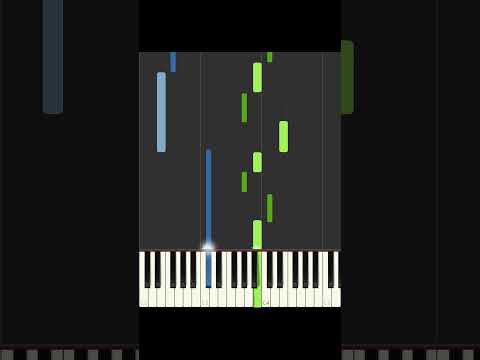
THIERRY CHAM - OCÉAN   #piano #zouk
THIERRY CHAM - OCÉAN #piano #zouk
PIANO TUTORIELS
G-S Pro Making Cabo Zouk Beat 16-05-2013
GSPROMUSICTV

Make a Cabo Zouk track with our studio

Learn how to create music in the genres you love with our beginner-friendly studio that guides you step by step. Start making your own tracks in minutes.

Built for beginners Runs in your browser

Best playlists

Cabo Zouk
Cabo Zouk
Melodigging
Lembra Tempo Favorites Vol. 2 | Classic Cape Verde Hits Mix
DJ NANA
The Best Remix Zouk Antigo (Lembra Tempo) Mixed By Dj Rick Zidas
Dj Rick Zidas Official
Kompa Zouk Mix 2020 | The Best of Kompa Zouk 2020 BY OSOCITY
OSOCITYNATION
BEST ZOUK KIZOMBA CABO VERDE 🇨🇻🔥 2026 | DI PINA MUSIC
Di Pina Music

Top tracks

Locked
Share your favorite track to unlock other users’ top tracks

Upcoming concerts

in this genre
Influenced by
Has influenced

Download our mobile app

Get the Melodigging app and start digging for new genres on the go
© 2026 Melodigging
Melodding was created as a tribute to Every Noise at Once, which inspired us to help curious minds keep digging into music's ever-evolving genres.
Buy me a coffee for Melodigging