Genres
Artists
Albums
Make Music
Sign in
Sign in
Artists
Chamber Music
Artists
Chamber Music
William Sharp
1995
·
1 album
Listen
1
/5
Genres
Brass Ensemble
Brass ensemble refers to chamber groups made primarily or exclusively of brass instruments—typically trumpets, horns, trombones, euphoniums, and tubas—sometimes augmented by percussion. Unlike full symphonic brass sections or community brass bands, brass ensembles focus on chamber clarity, contrapuntal transparency, and a wide dynamic palette within a compact instrumentation. Standard formats range from the brass quintet (two trumpets, horn, trombone, tuba) to larger dectets and flexible consort line‑ups. Repertoire spans original works written for brass, transcriptions of early antiphonal and Baroque music, Romantic fanfares and chorales, and contemporary idioms that emphasize extended techniques, mutes, spatial placement, and rhythmic precision.
Discover
Listen
Chamber Music
Chamber music is a tradition of composed music for small ensembles—typically one player per part—intended for intimate spaces such as courts, salons, and private rooms rather than large public halls. Its aesthetic emphasizes clarity of texture, conversational interplay among parts, and balance without a conductor. Hallmark formations include the string quartet, piano trio, wind quintet, string quintet, and various mixed ensembles. Multi‑movement cycles (often in sonata form) and finely wrought counterpoint are common, ranging from Baroque trio sonatas to Classical string quartets and modern works with expanded timbres and techniques. Because of its scale and transparency, chamber music has long been a proving ground for compositional craft and ensemble musicianship, shaping the core of Western art music from the Baroque through the present.
Discover
Listen
Opera
Opera is a large-scale theatrical genre that combines music, drama, and visual spectacle, in which the story is primarily conveyed through singing accompanied by an orchestra. It unites solo voices, ensembles, and chorus with staging, costumes, and often dance to create a total artwork. Emerging in late Renaissance Italy and flourishing in the Baroque era, opera developed signature forms such as recitative (speech-like singing that advances the plot) and aria (lyrical numbers that explore character and emotion). Over the centuries it evolved diverse national styles—Italian bel canto, French grand opéra, German music drama—while continually experimenting with orchestration, harmony, narrative structure, and stagecraft.
Discover
Listen
Albums
1995
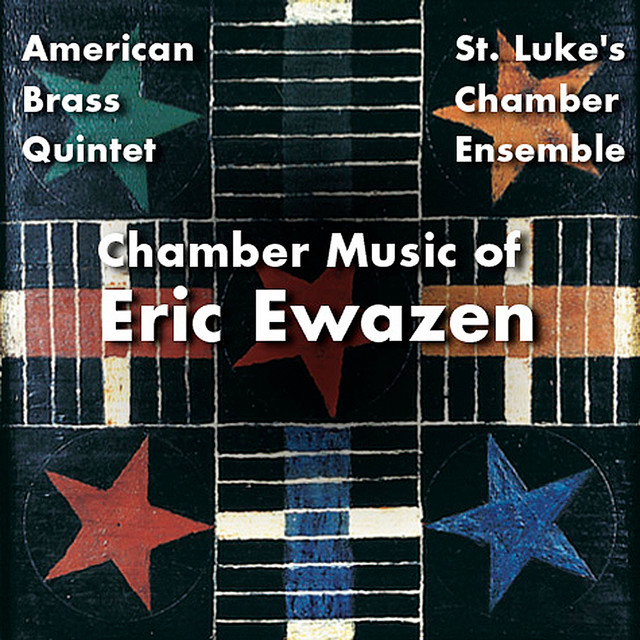
Chamber Music of Eric Ewazen
Eric Ewazen, American Brass Quintet, St. Luke's Chamber Ensemble, William Sharp
Brass Ensemble
Similar artists
4
/5
Wolfgang Amadeus Mozart
Classical
Requiem
Classical Period
4
/5
Daniel Barenboim
Impressionism
Classical
Chamber Music
4
/5
English Chamber Orchestra
Baroque
Classical
Concerto
3
/5
Chamber Orchestra of Europe
Chamber Music
Classical
Classical Soprano
3
/5
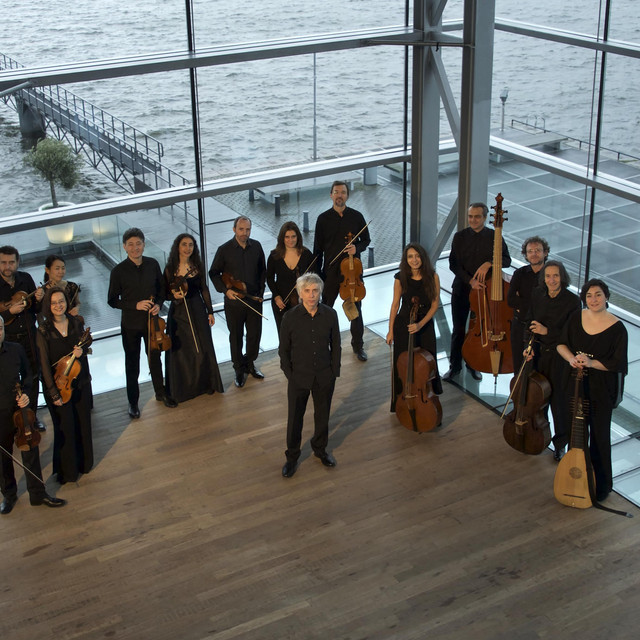
Orchestre de Chambre de Lausanne
Chamber Orchestra
Chamber Music
Classical
3
/5
Il Giardino Armonico
Baroque
Classical
Opera
3
/5
Scottish Chamber Orchestra
Classical
Baroque
Chamber Music
3
/5
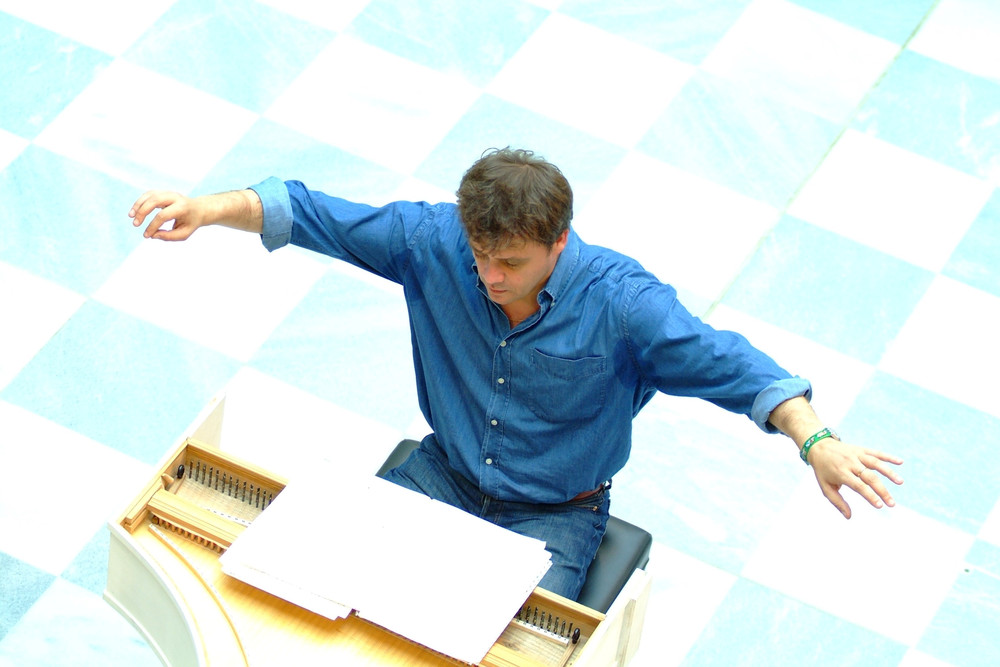
Ottavio Dantone
Baroque
Baroque Violin
Chamber Music
2
/5
Moscow Chamber Orchestra
Baroque
Chamber Music
Classical
2
/5
Vienna Chamber Orchestra
Chamber Music
Classical
Opera
Download our mobile app
Get the Melodigging app and start digging for new genres on the go
Download on the App Store
Get it on Google Play
© 2026 Melodigging
Give feedback
Legal
Melodding was created as a tribute to
Every Noise at Once
, which inspired us to help curious minds keep digging into music's ever-evolving genres.