Genres
Artists
Albums
Make Music
Sign in
Sign in
Artists
Cloud Rap
Artists
Cloud Rap
Whitearmor
Listen
2
/5
Genres
Future Riddim
Future riddim is a melodic, chord-forward offshoot of riddim and dubstep that blends heavy half‑time grooves with bright, future-bass harmonies and colorful, animated sound design. Where classic riddim emphasizes repetitive syncopated bass patterns, future riddim adds expressive chord progressions, memorable leads, and glittering supersaws, creating a style that is both hard‑hitting and euphoric. Typical tracks sit around 140–150 BPM in half‑time, pairing a chesty snare on beat three with call‑and‑response bass phrases that are tightly sidechained to the kick. Sound design frequently uses vowel/formant filtering, harmonic resampling, and lush stereo layers so that each bass hit sings like a melodic instrument rather than a purely percussive hit.
Discover
Listen
Cloud Rap
Cloud rap is a hip hop microgenre defined by ethereal, reverb‑drenched textures, soft pads, and minimal drum programming that creates a floating, dreamlike atmosphere. Beats tend to be sparse and space-conscious, with airy synths, distant vocal samples, and gentle 808s supporting raps that are often introspective, deadpan, or emotionally detached. The sound crystallized online in the early 2010s through platforms like DatPiff, Tumblr, and SoundCloud, pairing Southern rap rhythms with ambient and chillwave aesthetics. Rather than virtuosic density, cloud rap prizes mood, negative space, and a sense of weightlessness, translating internet-era solitude and nostalgia into hazy, pastel-toned hip hop.
Discover
Listen
Drain
Drain is a Stockholm-born microgenre and scene that blends cloud rap and alternative R&B with icy ambient pads, ethereal synths, and a minimalist trap bounce. Vocals are heavily autotuned and airy, often gliding in falsetto or soft-talked melodies over sparse 808s and glassy, reverb-heavy sound design. Lyrically, drain toggles between melancholy introspection and aspirational, fashion-forward cool, mixing feelings of isolation, friendship/crew loyalty, and internet-age spirituality. The overall aesthetic is glacial and translucent: wide stereo fields, soft clipping, chorus, and washed-out reverbs convey a dreamlike, weightless mood while retaining the rhythmic snap of modern rap.
Discover
Listen
New Isolationism
New isolationism is a contemporary strain of isolationist ambient and post-industrial minimalism that emerged in the 2010s, particularly around Scandinavian experimental labels and studios. It foregrounds intimate, close-mic’d sound, negative space, and a quiet-but-present noise floor; its pieces feel both internal and architectural, like rooms built from reverb tails, tape hiss, and soft electronics. Sonically, the style blends glacial drones, fragile chamber timbres (strings, organ, piano), lo‑fi electronics, and field recordings into stark, slow-evolving tableaux. Melodic information is sparse—often only a few tones or gestures—while rhythm is either absent or reduced to distant pulses, heartbeats, or mechanical cycles. Vocals, when they appear, are murmured, diaristic, or abstracted by pitch and time manipulation. Aesthetically, new isolationism is post‑internet and diaristic: it captures solitude, memory, and dislocation with a palette that feels personal yet estranged, drawing as much from contemporary gallery sound practice as from classic dark ambient.
Discover
Listen
Colour Bass
Colour bass is a melodic, harmony-forward branch of dubstep and bass music that emphasizes bright, prismatic timbres and expressive chord movement. It keeps the rhythmic engine and sound-design intensity of dubstep, but replaces monotone, minimal drops with lush progressions, lead motifs, and chord-driven bass patches. Producers achieve its "colorful" feel through vowel/formant-rich wavetables, animated filters, and vivid spectral motion—often combining supersaws with talking basses, glassy plucks, and sparkling arpeggios. Typical tempos sit around 140 BPM with a halftime backbeat, though four-on-the-floor sections and hybrid drops are common. The aesthetic is cinematic and emotive: major-key palettes (frequent Lydian flavors), add9/maj7 chords, and melodic call-and-response share space with aggressive growls and detailed automation. The result bridges festival energy with euphoric, game/anime-influenced melodicism.
Discover
Listen
Dreampunk
Dreampunk is a vaporwave-adjacent strain of ambient music that evokes rain-slicked, neon-lit cityscapes and late-night solitude. It favors widescreen pads, lingering reverb, and soft-focus textures that feel cinematic yet intimate, as if overheard from an apartment window above an endless metropolis. The style often incorporates field recordings—rain, traffic, station announcements—alongside subdued downtempo rhythms or entirely beatless passages. Harmonies tend to be lush but restrained, leaning on suspended tones and minor 7th colorings that drift rather than resolve. The result is a dreamlike, nocturnal mood that sits between ambient, vaporwave, and cyberpunk film score aesthetics.
Discover
Listen
Escape Room
Escape room is a data-driven label popularized by Spotify to cluster artists who blur lines between alternative R&B, experimental pop, left-field hip hop, and cutting‑edge club/electronic production. Rather than a strict set of musical rules, it signals a sound defined by textural minimalism, sub‑heavy and off‑kilter rhythms, intimate vocal delivery (often breathy or ASMR-adjacent), and a strong emphasis on sound design and negative space. Songs frequently juxtapose glossy melodies with abrasive or deconstructed percussive layers, creating a stylish, future‑leaning mood that resists easy categorization. The name is unrelated to physical puzzle rooms; instead, it marks music that “escapes” legacy genre boxes while remaining pop‑adjacent and internet‑native in aesthetics and distribution.
Discover
Listen
Glitchcore
Glitchcore is an internet-born microgenre that fuses pop-forward songwriting with hyperactive, digitally mangled sound design. It is characterized by bitcrushed and over-distorted synths, stuttered edits, sudden beat-switches, and heavily pitch-shifted, Auto-Tuned vocals. Arrangements tend to be short, hook-centric, and maximalist, often compressing multiple sections and textures into tracks that last 90–150 seconds. The genre borrows the emotive directness of emo rap and bedroom pop, the rhythmic backbone of trap, and the candy-coated sheen of hyperpop and bubblegum bass, while leaning into deliberate digital artifacts—glitches, dropouts, resampling, and hard clip distortion—as expressive tools. Culturally, glitchcore is inseparable from online communities (Discord, SoundCloud, TikTok), where rapid iteration, meme literacy, and DIY production workflows shaped its sound and aesthetics.
Discover
Listen
Experimental Indie
Experimental indie is a broad, exploratory wing of independent rock and pop that prioritizes curiosity over convention. It blends DIY recording practices with off‑kilter song forms, unusual timbres, and a willingness to fold in ideas from avant‑pop, noise, electronic music, and psych. Rather than a fixed sound, it is a method and attitude: use the tools at hand (bedroom rigs, pedals, samplers, tape, software) to push past genre borders, while keeping the immediacy and intimacy of indie. Expect jagged rhythms, warped hooks, collage‑like arrangements, and production choices that foreground texture as much as melody.
Discover
Listen
Dubstep
Dubstep is a bass‑centric electronic dance music genre that emerged in South London in the early 2000s. It is typically around 140 BPM and is defined by a half‑time rhythmic feel, sub‑heavy basslines, sparse yet impactful drums, and a strong emphasis on space, tension, and sound system weight. Hallmark traits include syncopated kick patterns, snares on the third beat of the bar, swung/shuffly hi‑hats inherited from UK garage, and modulated low‑frequency bass (“wobbles”) shaped with LFOs, filters, and distortion. Influences from dub reggae (echo, delay, and minimalism), jungle/drum & bass (bass science and sound system culture), and 2‑step garage (rhythmic swing and shuffles) are central. The style ranges from deep, meditative “dub” aesthetics (often called deep dubstep) to more aggressive, midrange‑driven variants that later informed brostep and festival bass. Atmosphere, negative space, and subwoofer translation are as important as melody or harmony.
Discover
Listen
Electronica
Electronica is a broad, largely 1990s umbrella term for a spectrum of electronic music crafted as much for immersive, album‑oriented listening as for clubs and raves. It gathers elements from techno, house, ambient, breakbeat, IDM, and hip hop production, emphasizing synthesizers, drum machines, samplers, and studio experimentation. The sound can range from downtempo and atmospheric to hard‑hitting and breakbeat‑driven, but it typically foregrounds sound design, texture, and mood over strict dance‑floor utility. In the mid‑to‑late 1990s the term was used by labels and press—especially in the United States—to market and introduce diverse electronic acts to mainstream rock and pop audiences.
Discover
Listen
House
House is a dance music genre that emerged in Chicago in the early 1980s, defined by a steady four-on-the-floor kick drum, off-beat hi-hats, soulful or hypnotic vocals, and groove-centric basslines. Typical tempos range from 118–130 BPM, and tracks are structured in DJ-friendly 16–32 bar phrases designed for seamless mixing. Drawing on disco’s celebratory spirit, electro-funk’s drum-machine rigor, and Italo/Hi-NRG’s synth-led sheen, house prioritizes repetition, tension-and-release, and communal energy on the dancefloor. Its sound palette often includes 808/909 drums, sampled or replayed disco/funk elements, filtered loops, piano/organ stabs, and warm, jazzy chords. Over time, house diversified into many substyles—deep house, acid house, French house, tech house, progressive house, and more—yet it remains a global foundation of club culture, known for emphasizing groove, inclusivity, and euphoria.
Discover
Listen
Dance
Dance (as a broad, mainstream club- and radio-oriented style) is pop-leaning music designed primarily for dancing, characterized by steady, driving beats, catchy hooks, and production that translates well to nightclubs and large sound systems. It emerged after disco, blending four-on-the-floor rhythms with electronic instrumentation and pop songwriting, and it continually absorbs elements from house, techno, Hi-NRG, synth-pop, and later EDM. Tempos commonly fall between 110–130 BPM, vocals often emphasize memorable choruses, and arrangements are structured for both club mixing and mass appeal.
Discover
Listen
Pop
Pop is a broad, hook-driven style of popular music designed for wide appeal. It emphasizes memorable melodies, concise song structures, polished vocals, and production intended for radio, charts, and mass media. While pop continually absorbs elements from other styles, its core remains singable choruses, accessible harmonies, and rhythmic clarity. Typical forms include verse–pre-chorus–chorus, frequent use of bridges and middle-eights, and ear-catching intros and outros. Pop is not defined by a single instrumentation. It flexibly incorporates acoustic and electric instruments, drum machines, synthesizers, and increasingly digital production techniques, always in service of the song and the hook.
Discover
Listen
Show all 14 genres
Similar artists
2
/5
TOYZZ
Dance
Dubstep
Electronica
2
/5
FaltyDL
Electronic
Idm
Dubstep
1
/5
Various Artists
Soundtrack
Afro-Funk
Alternative Rock
4
/5
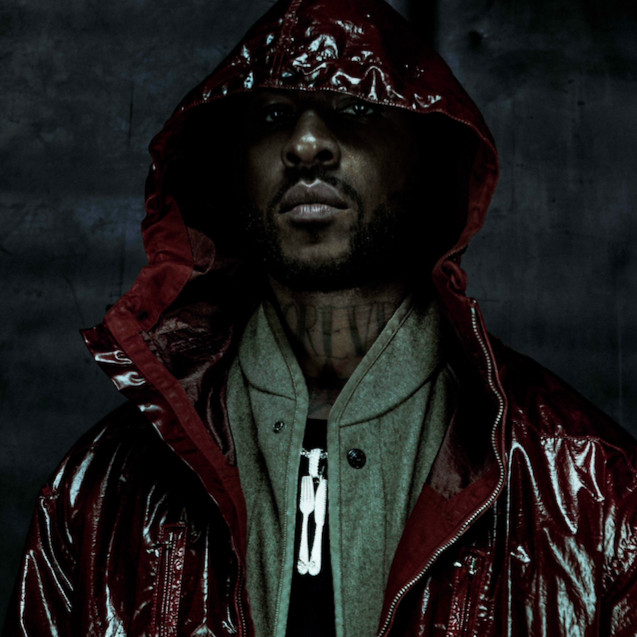
Skepta
Grime
Hip Hop
Instrumental Grime
5
/5
Fred again..
Electronic
House
Stutter House
4
/5
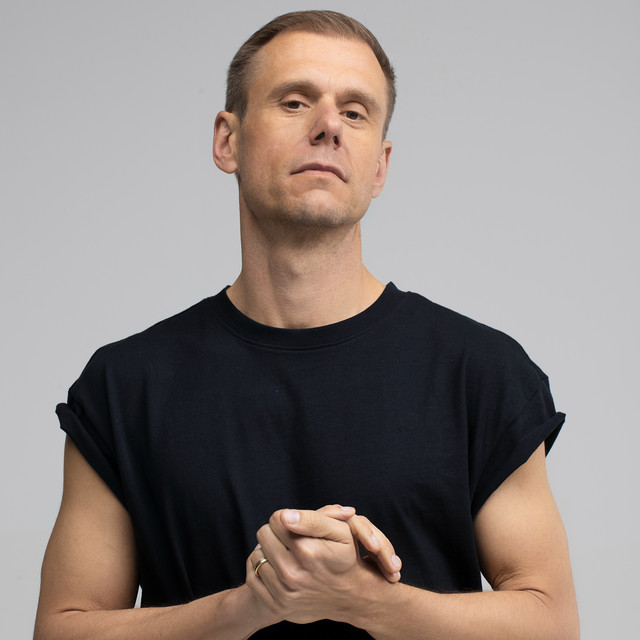
Armin van Buuren
Progressive Trance
Trance
Electronic
4
/5
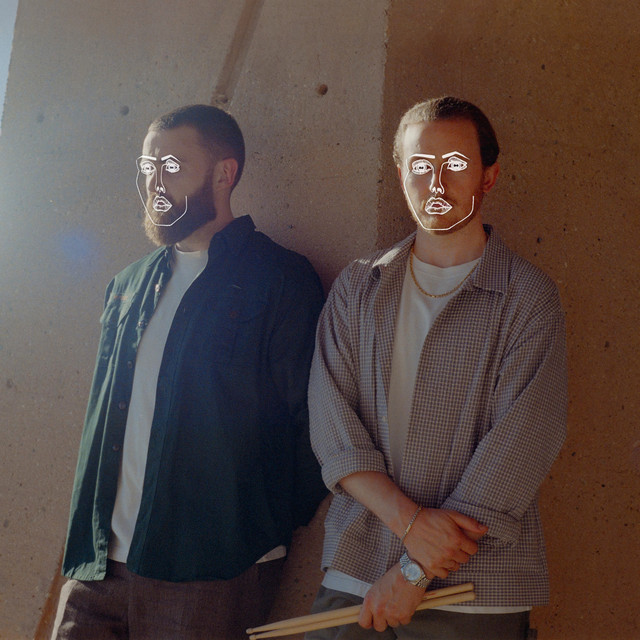
Disclosure
House
Electropop
Indietronica
4
/5
Jonas Blue
Tropical House
Electronic
Dance-Pop
4
/5
Steve Aoki
Electro House
Electronic
House
4
/5
Sonny Fodera
House
Tech House
Dance
Download our mobile app
Get the Melodigging app and start digging for new genres on the go
Download on the App Store
Get it on Google Play
© 2026 Melodigging
Give feedback
Legal
Melodding was created as a tribute to
Every Noise at Once
, which inspired us to help curious minds keep digging into music's ever-evolving genres.