Genres
Artists
Albums
Make Music
Sign in
Sign in
Artists
New Rave
Artists
New Rave
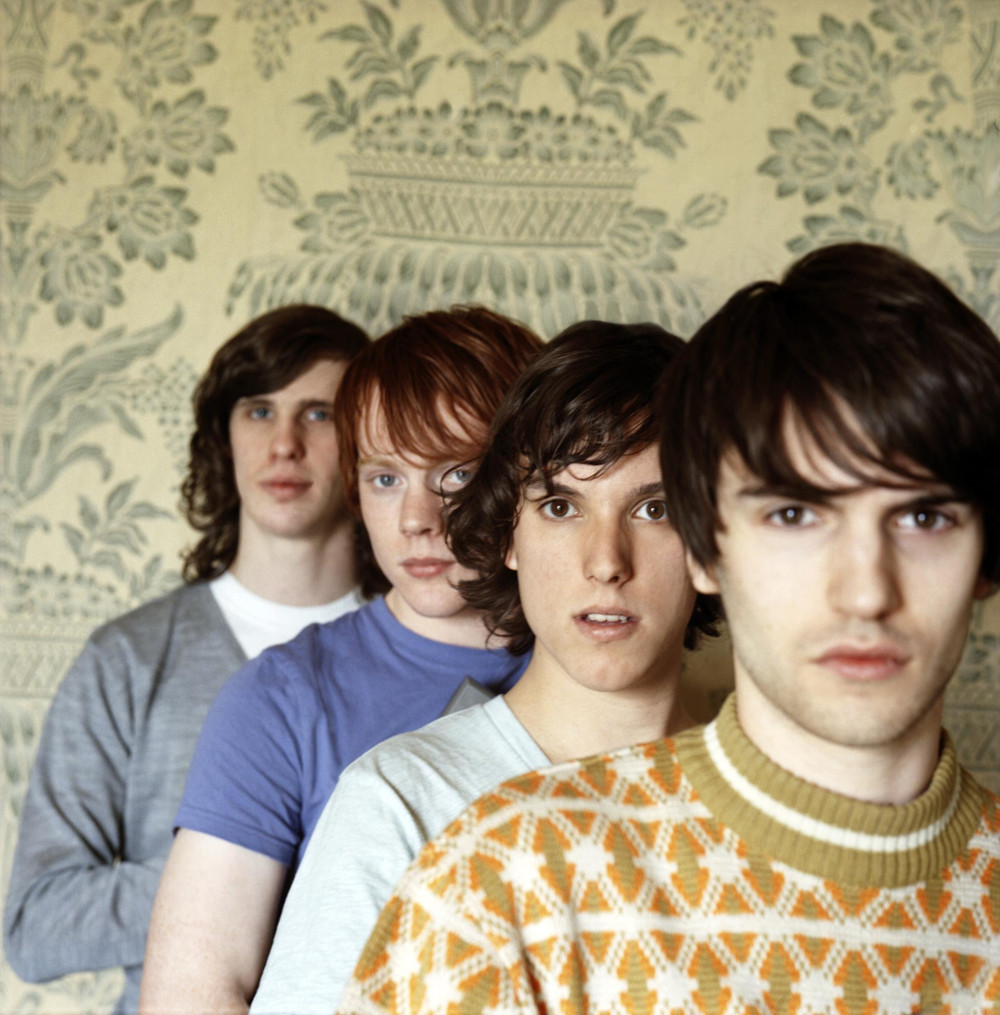
White Rose Movement
2006
·
1 album
Listen
1
/5
Genres
New Rave
New rave is a mid‑2000s British-born fusion of indie rock energy and 1990s rave sonics, dressed in day‑glo aesthetics and festival‑size hooks. It pairs live drums, guitars, and chant‑ready vocals with club‑minded synths, sawtooth leads, and heavily sidechained kicks to produce high‑octane, dance‑floor‑friendly songs. Propelled by blogs, MySpace, and hype magazines, the style emphasized communal euphoria and neon futurism while borrowing breakbeats, acid squelches, and rave stabs from earlier UK dance culture. The result is a glossy, maximal sound that feels both nostalgically 90s and distinctly 2000s in its pop-savvy immediacy.
Discover
Listen
Dance-Punk Revival
Dance-punk revival is a 2000s resurgence of the late-1970s/early-1980s dance-punk aesthetic, recast through indie-rock and contemporary club sensibilities. It blends punk’s sharp, aggressive guitars and terse, chantable vocals with disco/house rhythms, elastic funk basslines, and percussive accents such as cowbell, claps, and syncopated hi-hats. Where the original wave drew from no wave and post-punk minimalism, the revival emphasized tighter songcraft, bigger hooks, and production drawing on DJ culture and analog-digital hybrid studios. The result is nervy, kinetic music designed equally for the live stage and the dance floor, often characterized by four-on-the-floor kick drums, angular riffs, and sardonic, deadpan or shout-sung delivery.
Discover
Listen
Electroclash
Electroclash is a late-1990s/early-2000s fusion of 1980s synth-pop and new wave aesthetics with contemporary club-ready electro, techno, and house production. It pairs deadpan or detached vocals, sexually charged and ironic lyrics, and fashion-forward performance art with analog-sounding drum machines, biting synth basslines, and minimal, mechanical grooves. The style’s signature sound emphasizes retro timbres (saw/square leads, arpeggiators, vocoders), rigid four-on-the-floor or electro-funk rhythms, and a cool, decadent attitude that blurs underground club culture with pop spectacle.
Discover
Listen
Alternative Rock
Alternative rock is a broad umbrella for guitar-based rock that emerged from the independent and college-radio scenes as a counterpoint to mainstream, commercial rock. It blends the energy and ethos of punk with the textural and songwriting experiments of post-punk, new wave, jangle pop, and noise rock, often foregrounding introspective or socially aware lyrics. Across its many strains—from the melodic minimalism of college rock to the loud-quiet-loud dynamics of grunge and the artful experimentation of Radiohead-era modernism—alternative rock prioritizes authenticity, sonic individuality, and a do-it-yourself approach. Its sound ranges from chiming, chorus-laden clean guitars to abrasive distortion and feedback, supported by straightforward rock rhythms or off-kilter grooves, and production that can be either raw and live-sounding or polished yet unconventional.
Discover
Listen
Punk
Punk is a fast, abrasive, and minimalist form of rock music built around short songs, stripped-down instrumentation, and confrontational, anti-establishment lyrics. It emphasizes DIY ethics, raw energy, and immediacy over virtuosity, often featuring distorted guitars, shouted or sneered vocals, and simple, catchy melodies. Typical songs run 1–3 minutes, sit around 140–200 BPM, use power chords and basic progressions (often I–IV–V), and favor live, unpolished production. Beyond sound, punk is a cultural movement encompassing zines, independent labels, political activism, and a fashion vocabulary of ripped clothes, leather, and safety pins.
Discover
Listen
Rock
Rock is a broad family of popular music centered on amplified instruments, a strong backbeat, and song forms that foreground riffs, choruses, and anthemic hooks. Emerging from mid‑20th‑century American styles like rhythm & blues, country, and gospel-inflected rock and roll, rock quickly expanded in scope—absorbing folk, blues, and psychedelic ideas—while shaping global youth culture. Core sonic markers include electric guitar (often overdriven), electric bass, drum kit emphasizing beats 2 and 4, and emotive lead vocals. Rock songs commonly use verse–chorus structures, blues-derived harmony, and memorable melodic motifs, ranging from intimate ballads to high‑energy, stadium‑sized performances.
Discover
Listen
Albums
2006
2
/5
Kick
White Rose Movement
New Rave
Dance-Punk Revival
Alternative Rock
Similar artists
3
/5
Soulwax
Mashup
Alternative Dance
Electroclash
3
/5
The Faint
New Rave
Electroclash
Indie Pop Rap
2
/5
Late of the Pier
Alternative Dance
New Rave
Electroclash
4
/5
LCD Soundsystem
Dance-Punk
Alternative Dance
Electronic Rock
3
/5
Klaxons
New Rave
Alternative Dance
Chill Pop
3
/5
The Rapture
Electrofox
Alternative Dance
Electroclash
1
/5
Duchess Says
Coldwave
Electroclash
Indie Québécois
3
/5
Gossip
Olympia Wa Indie
Queercore
Rock
4
/5
Franz Ferdinand
Indie Rock
Dance-Rock
Chill Pop
2
/5
Liars
Grave Wave
Noise Rock
Dance-Punk Revival
Download our mobile app
Get the Melodigging app and start digging for new genres on the go
Download on the App Store
Get it on Google Play
© 2026 Melodigging
Give feedback
Legal
Melodding was created as a tribute to
Every Noise at Once
, which inspired us to help curious minds keep digging into music's ever-evolving genres.