Genres
Artists
Albums
Make Music
Sign in
Sign in
Artists
Drone Rock
Artists
Drone Rock
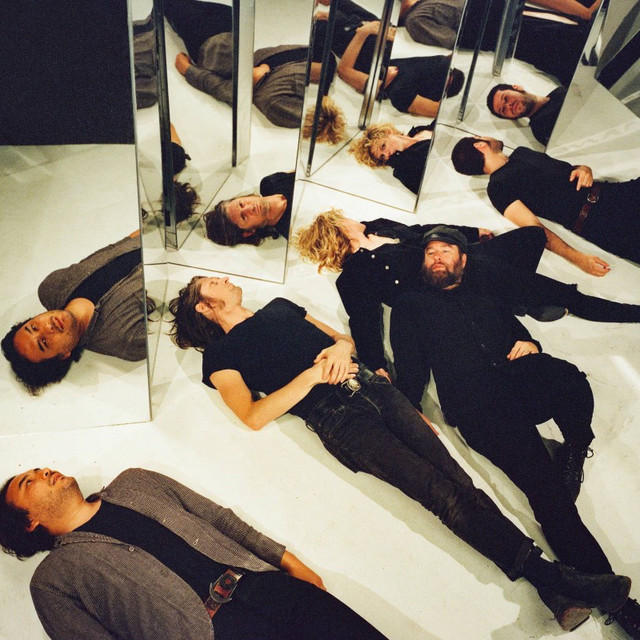
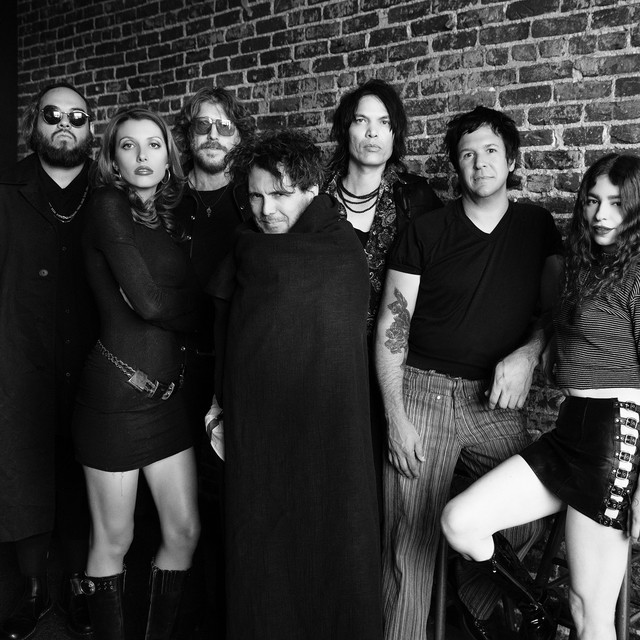
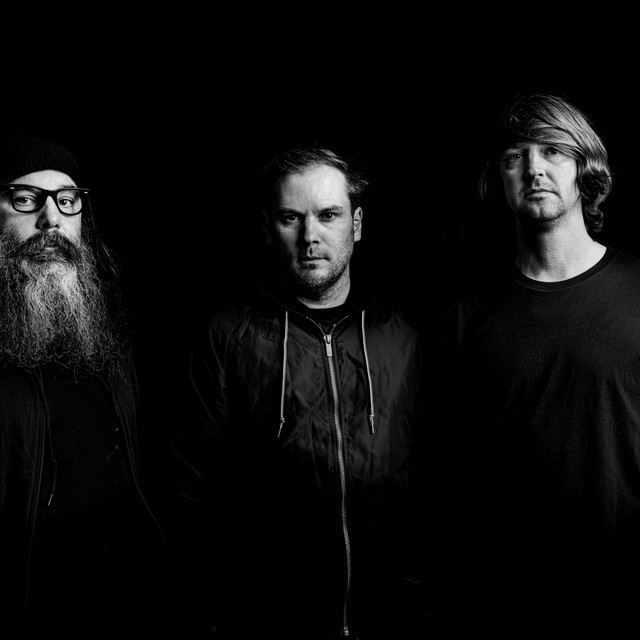
White Canyon & The 5th Dimension
2019–2023
·
2 albums
Listen
1
/5
Genres
Stoner Rock
Stoner rock is a heavy, riff‑centric style that blends the weight and doom of early heavy metal with the groove and expansive jams of late‑60s/70s psychedelic and acid rock. It is marked by fuzz‑drenched, down‑tuned guitars, thick bass tones, and relaxed but powerful mid‑tempo grooves. Songs often emphasize hypnotic, repetitive riffs; extended instrumental passages; and a warm, vintage analog sound. Vocals tend to be laid‑back or gritty rather than operatic, and lyrical themes commonly explore the desert, space, altered states, mythology, and countercultural imagery. The overall vibe is earthy and immersive—equal parts head‑nodding groove, psychedelic haze, and Sabbath‑born heaviness.
Discover
Listen
Drone Rock
Drone rock is a strand of experimental/psychedelic rock that foregrounds sustained tones, repetition, and gradual textural change over traditional song structures. It fuses the amplification and band format of rock with the long-form minimalism of drone and the heady atmospherics of psychedelia and space rock. Guitars (often in open tunings) are layered through distortion, feedback, and effects to create dense harmonic beds, while bass and drums may lock into hypnotic ostinatos or recede to leave a hovering, suspended feel. Where noise rock confronts and shoegaze blurs, drone rock stretches time: pieces can drift for many minutes, privileging timbre, overtones, and the psychoacoustic shimmer that emerges when sustained tones interact.
Discover
Listen
Shoegaze
Shoegaze is a subgenre of alternative rock characterized by dense, immersive walls of guitar sound, heavily layered effects, and vocals that blend into the mix as another texture rather than a focal point. Typically mid-tempo and enveloping, it emphasizes timbre, atmosphere, and harmonic color over riff-driven hooks. Reverb, delay, chorus, tremolo, fuzz, and pitch-bending create a blurred, dreamlike quality—often described as a "wash"—while bass and drums provide a steady, understated foundation. The style emerged in the United Kingdom in the late 1980s; the term "shoegaze" was coined by the British press, referencing performers’ tendency to look down at their pedalboards during live shows.
Discover
Listen
Neo-Psychedelia
Neo-psychedelia is a late-20th-century revival and reinvention of 1960s psychedelic music aesthetics, filtered through post-punk, indie, and experimental sensibilities. It emphasizes hypnotic textures, droning guitars, heavy use of effects (reverb, delay, phasing), analogue organs/synths, and dreamlike or surreal lyricism. Rhythms may draw from motorik and other steady, trance-inducing grooves, while harmony often favors modal colors and repetitive vamps. The style ranges from jangly, melodic songs to dense, feedback-laden soundscapes, and has been highly influential on dream pop, shoegaze, Britpop-adjacent scenes, and modern psych rock.
Discover
Listen
Post-Punk
Post-punk is a broadly experimental strain of rock that emerged in the late 1970s as artists sought to push beyond the speed, simplicity, and orthodoxy of first-wave punk. It typically features angular, bass-forward grooves; jagged or minimal guitar lines; stark, spacious production; and an openness to dub, funk, electronic, and avant-garde ideas. Lyrics often examine alienation, urban decay, politics, and the inner life with artful or abstract delivery. A studio-as-instrument approach, emphasis on rhythm section interplay, and an appetite for non-rock textures (tape effects, drum machines, found sound, synths) distinguish the style. The result can be danceable yet tense, cerebral yet visceral, and emotionally restrained yet intensely expressive.
Discover
Listen
Space Rock
Space rock is a psychedelic branch of rock characterized by long-form, hypnotic grooves, swirling guitars awash in delay and reverb, and prominent analog synthesizers that evoke cosmic or interstellar imagery. The music often emphasizes texture and atmosphere over conventional song structures, creating expansive soundscapes that feel weightless and otherworldly. Emerging in late-1960s Britain from the overlap of psychedelic rock, early progressive rock, and experimental electronics, space rock frequently employs motorik-leaning rhythms, modal or drone-based harmony, and science-fiction themes. Extended improvisations, phased and fuzz-drenched timbres, and tape or echo effects are common, encouraging a sense of forward drift and cosmic exploration.
Discover
Listen
Garage Rock
Garage rock is a raw, energetic style of rock music that emerged in the mid-1960s from local scenes across North America. Typically performed by amateur or semi-professional teenage bands in basements and suburban garages, the sound is unpolished and immediate, favoring feel over finesse. Its hallmarks include distorted guitars, pounding drums, simple chord progressions (often I–IV–V), prominent Farfisa/Vox organ riffs, and shouted, attitude-heavy vocals. Songs are short, hooky, and driven by rhythmic urgency, with lyrics about teenage love, boredom, rebellion, and swagger. The style became a direct ancestor of proto-punk and punk rock, prized for its do-it-yourself spirit and visceral impact.
Discover
Listen
Psychedelic Rock
Psychedelic rock is a style of rock music that seeks to evoke, simulate, and expand altered states of consciousness through sound. It typically features timbral experimentation (fuzz, wah, tape delay, phasing), drones, modal or raga-influenced harmony, extended improvisation, studio-as-instrument production, and surreal, mystical, or mind-expanding lyrics. Emerging from mid-1960s counterculture, it fused garage-band energy with folk, blues, and non-Western musical ideas—especially Indian classical ragas—while embracing new studio technologies and concert light shows. Both a live and a studio art, psychedelic rock ranges from jangly, kaleidoscopic pop to heavy, hypnotic jams and cosmic soundscapes.
Discover
Listen
Rock
Rock is a broad family of popular music centered on amplified instruments, a strong backbeat, and song forms that foreground riffs, choruses, and anthemic hooks. Emerging from mid‑20th‑century American styles like rhythm & blues, country, and gospel-inflected rock and roll, rock quickly expanded in scope—absorbing folk, blues, and psychedelic ideas—while shaping global youth culture. Core sonic markers include electric guitar (often overdriven), electric bass, drum kit emphasizing beats 2 and 4, and emotive lead vocals. Rock songs commonly use verse–chorus structures, blues-derived harmony, and memorable melodic motifs, ranging from intimate ballads to high‑energy, stadium‑sized performances.
Discover
Listen
Show all 9 genres
Albums
2023
1
/5
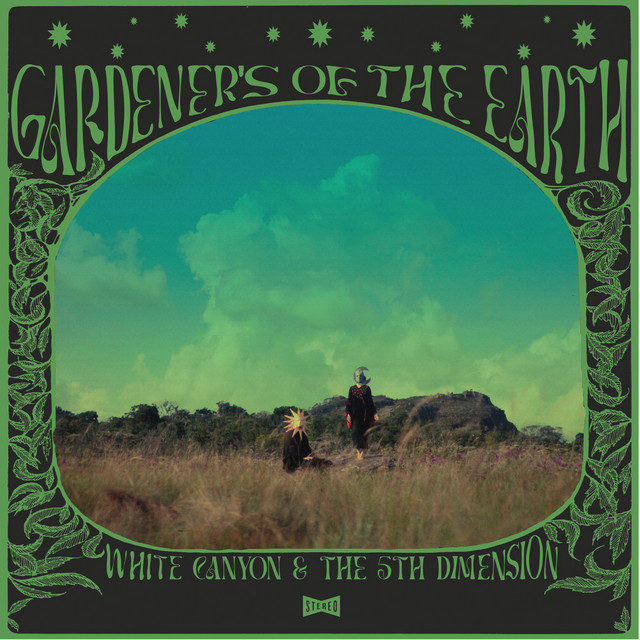
Gardeners of the Earth
White Canyon & The 5th Dimension
Drone Rock
2019
1
/5
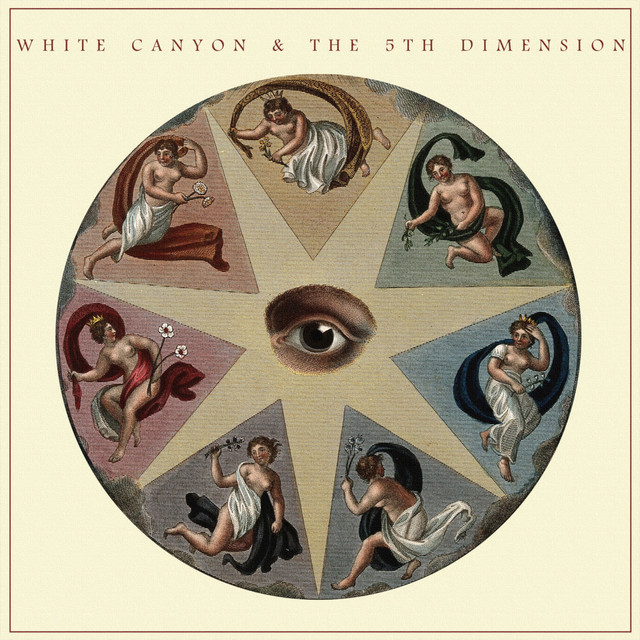
White Canyon & The 5th Dimension
White Canyon & The 5th Dimension
Drone Rock
Similar artists
3
/5
The Black Angels
Gaian Doom
Garage Rock
Neo-Psychedelia
2
/5
The Warlocks
Garage Rock
Neo-Psychedelia
Psych Gaze
2
/5
Baby Woodrose
Acid Rock
Drone Metal
Garage Rock
1
/5
Various Artists
Afro-Funk
Alternative Rock
Ambient
2
/5
OM
Drone Rock
Stoner Rock
Doom Metal
3
/5
All Them Witches
Space Rock
Sludge Metal
Stoner Metal
3
/5
Aunt Cynthia's Cabin
Neo-Psychedelia
Space Rock
Stoner Metal
3
/5
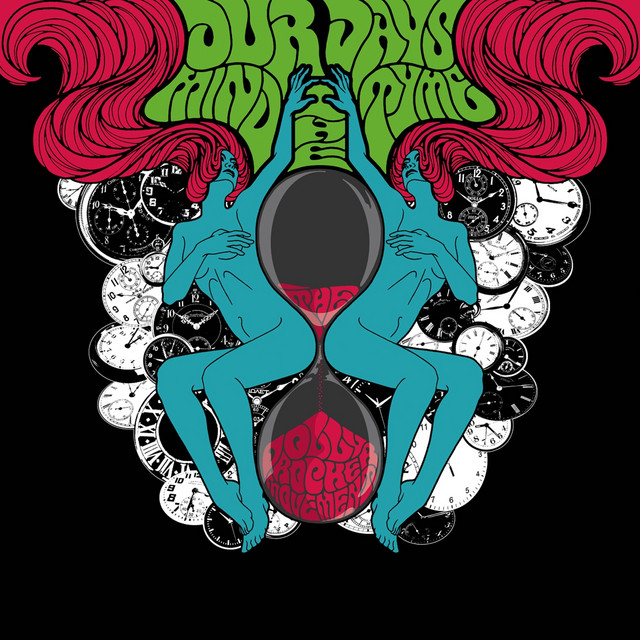
The Dolly Rocker Movement
Neo-Psychedelia
Space Rock
Stoner Rock
3
/5
Elder
Progressive Doom
Stoner Metal
Stoner Rock
3
/5
Goat
Psychedelic Doom
Psychedelic Rock
Neo-Psychedelia
Download our mobile app
Get the Melodigging app and start digging for new genres on the go
Download on the App Store
Get it on Google Play
© 2026 Melodigging
Give feedback
Legal
Melodding was created as a tribute to
Every Noise at Once
, which inspired us to help curious minds keep digging into music's ever-evolving genres.