Genres
Artists
Albums
Make Music
Sign in
Sign in
Artists
Belgian Techno
Artists
Belgian Techno
Westbam
1994
·
2 albums
Listen
3
/5
Genres
Raw Techno
Raw techno is a hard‑edged, stripped, and saturated branch of techno that emphasizes physical impact over polish. It foregrounds pounding 4/4 kicks, rumbling sub‑bass, aggressively overdriven percussion, and gritty, analog‑leaning textures, often recorded or processed to feel loud, grainy, and immediate. Compared to more melodic or glossy strands, it minimizes harmonic content and arrangement frills in favor of relentless momentum, dark industrial atmospheres, and warehouse‑ready energy. The result is an austere but highly functional dancefloor music that channels the spirit of early warehouse raves through contemporary production tools and loudness aesthetics.
Discover
Listen
Tulum
Tulum is a contemporary electronic dance music sound that crystallized around the boutique party scene in Tulum, Mexico, during the 2010s. It blends deep, organic house grooves with downtempo sensibilities, hand-played percussion, and "world"-leaning timbres such as oud, bansuri, handpan, and Latin guitar. The style favors warm, analog textures; modal, minor-key harmonies (often Dorian or Phrygian); long, reverb-washed atmospheres; and subtle, mantra-like vocals or chants. Tempos usually sit between 112–120 BPM, with earthy polyrhythms and shuffling, Afro- and Latin-influenced percussion propelling a hypnotic four-on-the-floor. Aesthetically, the Tulum sound is associated with sunrise/sunset beach settings, bohemian design, and a wellness-forward, festival-adjacent culture. Musically it overlaps with the broader “organic house/downtempo” movement while retaining a distinctly tropical, ritualistic character.
Discover
Listen
Big Room House
Big room house is a festival-focused strain of EDM built for massive sound systems and outdoor main stages. It typically runs around 126–132 BPM (most commonly 128), uses four-on-the-floor kick patterns, and features huge, simple lead riffs designed to be instantly memorable to large crowds. A defining trait is the contrast between cinematic, reverb-washed breakdowns and ultra-dry, percussive drops driven by a powerful kick, sub, and a few bold supersaw or horn-like synth stabs. Arrangements lean on dramatic builds with snare rolls, risers, and crowd-hyping vocal chops, culminating in drops that emphasize impact over harmonic complexity.
Discover
Listen
Deep Tech
Deep tech (often shorthand for deep tech house) is a stripped‑back, groove‑led branch of house/tech house that emphasizes hypnotic repetition, swing, and sound design over big hooks. Typical tracks sit around 124–128 BPM, use tight, shuffling drum programming, and rely on deep sub‑bass, crisp hi‑hats, and minimal, percussive motifs. Harmony tends to be sparse—dubby chords, single‑note stabs, or short pads—leaving space for long DJ‑friendly arrangements. Vocals, if present, are usually snippets or whispered phrases processed with delay and reverb to blend into the texture rather than sit on top. The result is functional and heady: music optimized for long, seamless mixes, late‑night dancefloors, and a rolling, understated energy rather than explosive drops.
Discover
Listen
Hexd
HexD is a net-native microgenre of hip‑hop and electronic music defined by extreme bitcrushing, aggressive down/upsampling, hard clipping, and compression applied to beats and especially to vocals. Tracks often feature sped‑up and pitched‑up (sometimes formant‑shifted) vocal edits over trap‑leaning drums or breakbeat fragments, creating a distorted, digital, hazy, and psychedelic texture. Many releases are edits or reworks of existing material from rap, emo rap, and digicore/hyperpop, treated as raw sound to be “hexxed” with digital artifacts. Aesthetically, the scene is tightly tied to online platforms and DIY collectives, embracing early‑web, anime, and lo‑fi internet visuals while prioritizing mood, texture, and immediacy over fidelity.
Discover
Listen
Modular Techno
Modular techno is a branch of techno centered on composing and performing primarily with modular synthesizers (most commonly Eurorack). Rather than arranging in a DAW, artists patch oscillators, filters, sequencers, clock dividers and utility modules into evolving signal chains, then sculpt rhythm and timbre in real time. The approach privileges improvisation, polyrhythms, and continuously shifting textures over fixed song structures. Early, visible champions included UK/Wales-based artist Steevio—who explicitly framed his 2012 release as "Modular Techno" and recorded it live in single takes—followed by a broader wave of adopters in the mid‑to‑late 2010s as modular systems spread across European techno scenes.
Discover
Listen
Belgian Techno
Belgian techno is a dark, high-energy branch of European techno that crystallized at the turn of the 1990s from Belgium’s late‑1980s new beat and EBM scenes. It is characterized by pounding TR‑909 kick drums, aggressive minor‑key riffs, and the iconic “hoover” or “mentasm” rave stab that became a calling card of early European rave. Compared to Detroit’s sleeker futurism, Belgian techno leans heavier, more industrial, and more macabre, often adding orchestral hits, distorted bass, and stark, chant‑like vocal samples. Tempos typically sit around 130–145 BPM, with arrangements built for big rooms: long tension builds, explosive drops, and relentless propulsion designed for cavernous clubs and warehouse raves.
Discover
Listen
Happy Hardcore
Happy hardcore is a fast, euphoric branch of the early UK rave continuum characterized by brisk tempos, 4/4 kicks, bright piano stabs, supersaw leads, and pitched-up “chipmunk” vocals. It emphasizes major-key harmony, catchy melodies, and ecstatic breakdowns, aiming for maximum uplift on the dancefloor. Compared to darker hardcore and gabber, happy hardcore favors feel-good hooks, singalong choruses, and sentimental atmospheres while retaining the relentless energy and drive of hardcore techno.
Discover
Listen
Hard Trance
Hard trance is a high‑energy branch of trance that emerged in the German rave scene in the early–mid 1990s. It pairs the genre’s long, euphoric breakdowns and melodic hooks with tougher production: punchy, often clipped 909‑style kicks, off‑beat open hi‑hats, grinding or rolling basslines, and aggressive supersaw or acid leads. Typically running around 138–148 BPM, hard trance emphasizes dramatic builds, snare rolls, white‑noise risers, and tension‑and‑release drops. Its harmonic language leans minor and modal, producing a mood that is simultaneously uplifting and intense. The result is a club‑ready sound designed for big rooms and festivals, bridging early trance euphoria with techno’s percussive bite.
Discover
Listen
House
House is a dance music genre that emerged in Chicago in the early 1980s, defined by a steady four-on-the-floor kick drum, off-beat hi-hats, soulful or hypnotic vocals, and groove-centric basslines. Typical tempos range from 118–130 BPM, and tracks are structured in DJ-friendly 16–32 bar phrases designed for seamless mixing. Drawing on disco’s celebratory spirit, electro-funk’s drum-machine rigor, and Italo/Hi-NRG’s synth-led sheen, house prioritizes repetition, tension-and-release, and communal energy on the dancefloor. Its sound palette often includes 808/909 drums, sampled or replayed disco/funk elements, filtered loops, piano/organ stabs, and warm, jazzy chords. Over time, house diversified into many substyles—deep house, acid house, French house, tech house, progressive house, and more—yet it remains a global foundation of club culture, known for emphasizing groove, inclusivity, and euphoria.
Discover
Listen
Techno
Techno is a four-on-the-floor, machine-driven form of electronic dance music that emerged in mid-to-late 1980s Detroit. It is characterized by steady 4/4 kick drums, repetitive and hypnotic rhythmic patterns, synthetic timbres, and an emphasis on texture, groove, and forward momentum over elaborate harmony. Producers typically use drum machines, sequencers, and synthesizers to build layered percussion, pulsing basslines, and evolving motifs. While often dark and minimalistic, techno spans a wide spectrum—from soulful, futuristic Detroit aesthetics to hard, industrially tinged European strains—yet it consistently prioritizes kinetic energy for dancefloors and a sense of machine futurism.
Discover
Listen
Electronic
Electronic is a broad umbrella genre defined by the primary use of electronically generated or electronically processed sound. It encompasses music made with synthesizers, drum machines, samplers, computers, and studio/tape techniques, as well as electroacoustic manipulation of recorded or synthetic sources. The genre ranges from academic and experimental traditions to popular and dance-oriented forms. While its sonic palette is rooted in electricity and circuitry, its aesthetics span minimal and textural explorations, structured song forms, and beat-driven club permutations. Electronic emphasizes sound design, timbre, and studio-as-instrument practices as much as melody and harmony.
Discover
Listen
Show all 12 genres
Albums
1994
2
/5
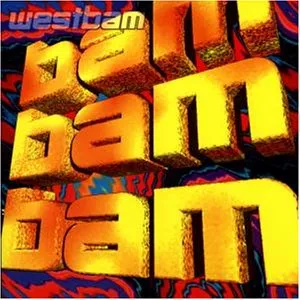
Bam Bam Bam
Westbam
Belgian Techno
Hard Trance
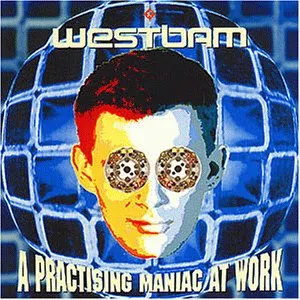
A Practising Maniac at Work
Westbam
Belgian Techno
Similar artists
3
/5
Ben Nicky
Hard Trance
Aussie Drill
Happy Hardcore
1
/5
Various Artists
Afro-Funk
Alternative Rock
Ambient
4
/5
Joost
Gabber
Europop
Brony Music
4
/5
Martin Solveig
Chill Pop
Deep Big Room
Filter House
4
/5
Solomun
Minimal Techno
Melodic Techno
Melodic House
4
/5
Charlotte de Witte
Belgian Techno
Techno
Electronic
4
/5
Paul Elstak
Nederlandse Hardstyle
Frenchcore
Gabber
3
/5
Darren Styles
Happy Hardcore
Flint Sound
Hard Motivation
3
/5
Aaron Hibell
Stutter House
Deep Big Room
Flint Sound
3
/5
HNTR
Indie Anthem-Folk
Raw Techno
Tech House
Download our mobile app
Get the Melodigging app and start digging for new genres on the go
Download on the App Store
Get it on Google Play
© 2026 Melodigging
Give feedback
Legal
Melodding was created as a tribute to
Every Noise at Once
, which inspired us to help curious minds keep digging into music's ever-evolving genres.