Genres
Artists
Albums
Make Music
Sign in
Sign in
Artists
Catholic Music
Artists
Catholic Music
Wells Cathedral School Brass Ensemble
2010
·
1 album
Listen
1
/5
Genres
Victorian Britain
Victorian Britain refers to the musical life of the United Kingdom during Queen Victoria’s reign (1837–1901). It spans domestic drawing‑room ballads, mass choral hymnody, the rise of brass bands and choral societies, comic opera and operetta (epitomized by Gilbert & Sullivan), and the booming world of the music hall. At home, affordable upright pianos and cheap sheet‑music printing nurtured a culture of parlour songs and amateur music‑making. In public, industrial urbanization fostered communal ensembles—brass bands, civic choirs, and church choirs—while theatres and halls offered everything from light opera to comic patter songs. Stylistically, the period blends late‑Romantic harmony and form with Anglican devotional traditions, folk song, and European dance rhythms, yielding music that ranges from sentimental and devotional to witty and theatrical.
Discover
Listen
Anglican Liturgy
Anglican liturgy refers to the body of musical and textual worship practices associated with the Church of England and, by extension, the global Anglican Communion. Its musical language ranges from plainsong-like recitation (for psalms and prayers) to elaborate choral polyphony and organ-accompanied hymnody. Core forms include the Preces and Responses, settings of the canticles (Magnificat/Nunc dimittis; Te Deum/Jubilate), anthems, service settings for Holy Communion, and congregational hymns. The defining aesthetic combines English-language scriptural and prayer-book texts with a cathedral-choir sound—traditionally trebles and lower voices or mixed SATB—prioritizing clarity of text, balanced sonority, modal/diatonic harmony, and dignified, prayerful pacing.
Discover
Listen
Catholic Music
Catholic music is a broad umbrella for musical traditions created for, inspired by, or commonly used in the liturgy and devotional life of the Roman Catholic Church. It ranges from ancient chant-based repertories (especially Gregorian chant) to polyphonic Masses and motets, to hymnody and modern congregational praise, and to contemporary devotional pop and rock. Its defining traits are functional use (Mass, Liturgy of the Hours, processions, sacraments, feasts), sacred texts (Latin and vernacular), and a sonic aesthetic that aims at reverence, prayer, and communal worship rather than entertainment.
Discover
Listen
Choral
Choral refers to music written for and performed by a choir—an ensemble of voices organized into sections such as soprano, alto, tenor, and bass (SATB), or same-voice groupings (SSA, TTBB). It encompasses both sacred and secular repertoire and may be sung a cappella or with accompaniment by organ, piano, or full orchestra. Stylistically, choral music ranges from chant-like monophony to intricate polyphony and rich homophonic textures. Texts are drawn from liturgy, scripture, poetry, and vernacular sources, and are set in many languages. Performance contexts include church services, concert halls, and community events, making choral one of the most socially embedded and widely practiced forms of ensemble music. Across history, choral music has served as a laboratory for vocal counterpoint, word painting, and text-driven form, while functioning as a cultural bridge among religious rites, national traditions, and contemporary concert practice.
Discover
Listen
Hymns
Hymns are strophic, text-driven songs of praise, devotion, or instruction intended for congregational or communal singing, most closely associated with Christian worship. They typically use clear, memorable melodies, regular poetic meters, and straightforward harmonies so that large groups can sing together with ease. While the concept of a hymn as a sacred song predates Christianity (e.g., in Ancient Greek and Jewish traditions), Christian hymnody coalesced late in the 4th century with Ambrosian practice in Milan and then expanded through Latin and Greek liturgical cultures. Over time, hymn singing moved from monastic and cathedral settings into congregational life, especially after the Protestant Reformation, where metrical psalms and vernacular hymns became a defining feature of worship. Modern hymnody ranges from chant-like, modal melodies without accompaniment to robust, four-part chorale harmonizations with organ, and even contemporary arrangements that adapt classic hymn texts and tunes to newer popular styles.
Discover
Listen
Albums
2010
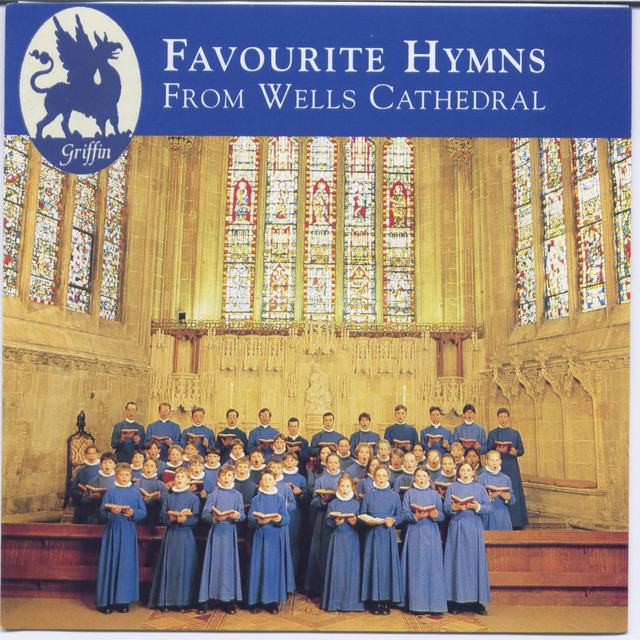
Favourite Hymns From Wells Cathedral
Wells Cathedral Choir, Malcolm Archer, Rupert Gouch, Wells Cathedral School Bra…
Victorian Britain
Anglican Liturgy
Similar artists
2
/5
Elizabeth C. Patterson
Catholic Music
Choral
Gregorian Chant
2
/5
Gloriae Dei Cantores
Catholic Music
Choral
Gregorian Chant
2
/5
Gisele Becker
Catholic Music
Choral
Hymns
3
/5
Philip Stopford
Catholic Music
Choral
Gregorian Chant
3
/5
Stephen Cleobury
Requiem
Anglican Liturgy
Cambridge Choir
3
/5
Choir of King's College, Cambridge
Requiem
Anglican Liturgy
Cambridge Choir
2
/5
Choir of St. John's College, Cambridge
University Choir
Cambridge Choir
Choral
2
/5
Malcolm Archer
Anglican Liturgy
Choral
Hymns
2
/5
Wells Cathedral Choir
Anglican Liturgy
Choral
Hymns
1
/5
Roy Massey
Anglican Liturgy
Choral
Hymns
Download our mobile app
Get the Melodigging app and start digging for new genres on the go
Download on the App Store
Get it on Google Play
© 2026 Melodigging
Give feedback
Legal
Melodding was created as a tribute to
Every Noise at Once
, which inspired us to help curious minds keep digging into music's ever-evolving genres.