Genres
Artists
Albums
Make Music
Sign in
Sign in
Artists
Jazz
Artists
Jazz
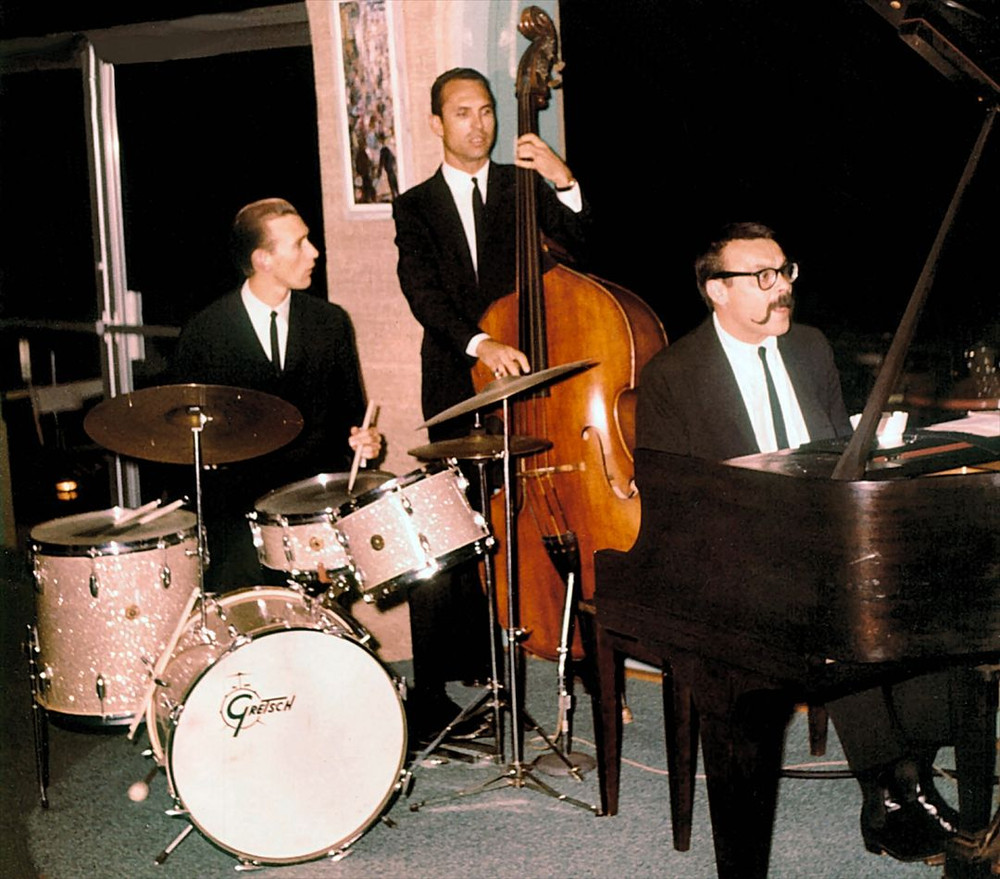
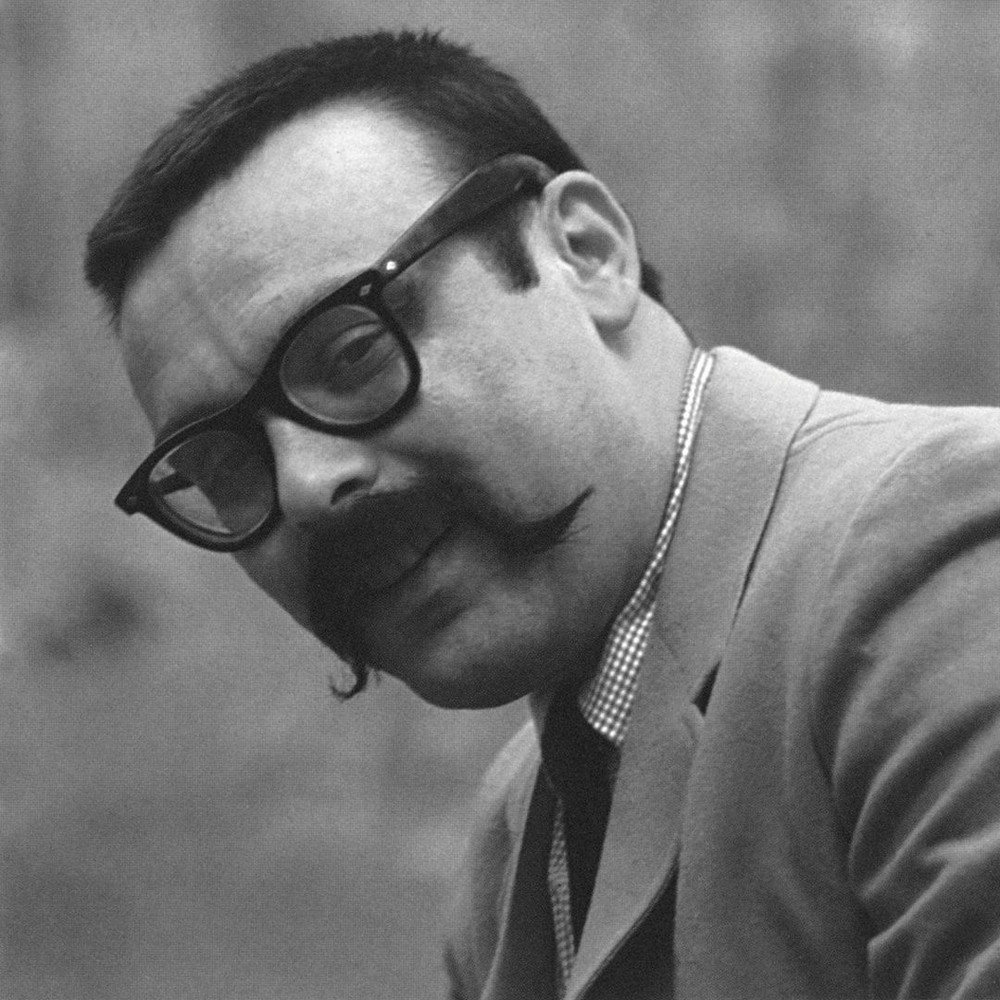
Vince Guaraldi Trio
2003
·
2 albums
Listen
4
/5
Genres
Background Piano
Background piano is a contemporary, minimalist piano style designed to sit comfortably behind other activities such as reading, study, work, or meditation. The pieces are short, spacious, and consonant, prioritizing mood and texture over virtuosic display. Typical tracks feature soft dynamics (often with felted or muted pianos), slow tempos, gentle ostinatos, and simple diatonic harmonies colored by added 2nds or 9ths. Subtle ambience—room tone, reverb, light tape hiss—blurs edges and enhances a sense of stillness. It is music that rewards close listening yet never demands it, aligning with the ambient principle of being “as ignorable as it is interesting.”
Discover
Listen
Space Age Pop
Space age pop is a mid‑century style of highly produced “hi‑fi” lounge and easy listening that embraced postwar futurism, stereo spectacle, and exotic color. It blends plush orchestras, jazz harmonies, and Latin/"exotica" percussion with novel timbres such as vibraphone, celeste, theremin, ondes Martenot, and early electronic/echo effects. Arrangers focused on dazzling stereo staging, crisp percussion, and sparkling instrumental details meant to show off new home sound systems. Melodies are tuneful and sophisticated, harmonies are rich (9ths, 11ths, 13ths), and rhythms often draw from mambo, cha‑cha‑cha, and bossa‑tinged grooves. The mood ranges from dreamy and romantic to playful and futuristic—an aural image of the “Jet Age,” tiki bars, and optimistic science fiction.
Discover
Listen
Third Stream
Third stream is a hybrid genre that intentionally merges the languages of jazz and Western classical music. Coined by composer and horn player Gunther Schuller in 1957, the term describes music that is neither "jazz with strings" nor classical music with a swing veneer, but a true synthesis. It typically combines classical forms (such as fugue, theme and variations, or concerto-like structures) and orchestration with jazz harmony, rhythm, and improvisation. The results range from chamber-sized works for jazz combo and string quartet to large pieces for orchestra and jazz soloists. Third stream pieces often alternate between fully notated sections and improvised passages, use counterpoint and extended harmony, and may blend straight and swung time feels within a single work.
Discover
Listen
Cool Jazz
Cool jazz is a modern jazz style marked by relaxed tempos, lighter tone, and a focus on arrangement, counterpoint, and timbral clarity. It favors understatement over virtuoso display and uses dynamics, space, and balance to create an airy, "cool" ambience. Emerging in the late 1940s, the style drew on bebop’s harmonic sophistication while smoothing its angular edges, often incorporating classical techniques such as linear writing and orchestral color. Hallmarks include brushed drums, lyrical improvisation, careful voice-leading, and unusual instrumentation (for jazz) like French horn and tuba alongside trumpet, saxophones, trombone, piano, bass, and drums. Although associated with the U.S. West Coast in the 1950s, cool jazz originated in New York through sessions led by Miles Davis and arranged by Gil Evans and others. It went on to influence bossa nova, third stream, modal jazz, and later smooth jazz and lounge aesthetics.
Discover
Listen
Jazz
Jazz is an improvisation-centered music tradition that emerged from African American communities in the early 20th century. It blends blues feeling, ragtime syncopation, European harmonic practice, and brass band instrumentation into a flexible, conversational art. Defining features include swing rhythm (a triplet-based pulse), call-and-response phrasing, blue notes, and extended harmonies built on 7ths, 9ths, 11ths, and 13ths. Jazz is as much a way of making music—spontaneous interaction, variation, and personal sound—as it is a set of forms and tunes. Across its history, jazz has continually hybridized, from New Orleans ensembles and big-band swing to bebop, cool and hard bop, modal and free jazz, fusion, and contemporary cross-genre experiments. Its influence permeates global popular and art music.
Discover
Listen
Christmas Music
Christmas music is a body of sacred and secular repertoire associated with the celebration of Christmas and the winter season. It spans medieval carols, liturgical hymns, and oratorios through to 20th‑century Tin Pan Alley standards, crooner ballads, jazz‑swing arrangements, pop hits, gospel renditions, and contemporary acoustic or R&B interpretations. Stylistically it is diverse but often shares warm, nostalgic melodies, memorable choruses, and lyrics that reference the Nativity story, peace and goodwill, family gatherings, winter imagery, and figures like Santa Claus. Sleigh bells, choirs, strings, brass, and glockenspiel/celesta are common coloristic touches, while harmony ranges from simple I–IV–V progressions to richer jazz voicings. Its seasonal recurrence has made it a cultural tradition that reappears annually across radio, streaming, film, advertising, and public spaces.
Discover
Listen
Albums
2003
1
/5
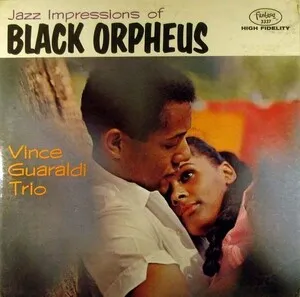
Jazz Impressions of Black Orpheus
Vince Guaraldi Trio
Cool Jazz
2003
1
/5
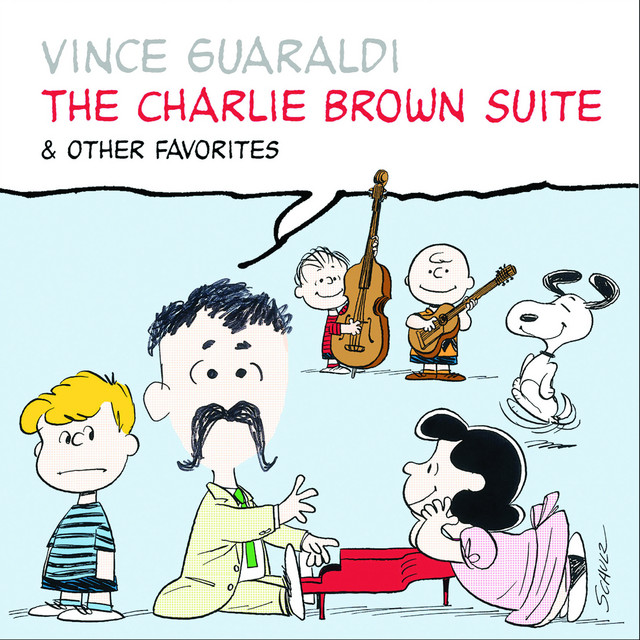
The Charlie Brown Suite And Other Favorites
Vince Guaraldi
Space Age Pop
Jazz
Third Stream
Similar artists
4
/5
Vince Guaraldi
Space Age Pop
Jazz
Christmas Music
4
/5
Duke Ellington
Big Band
Swing
Jazz
1
/5
Various Artists
Afro-Funk
Alternative Rock
Ambient
4
/5
John Coltrane
Free Jazz
Hard Bop
Jazz
4
/5
Stan Getz
Samba-Jazz
Bebop
Jazz
4
/5
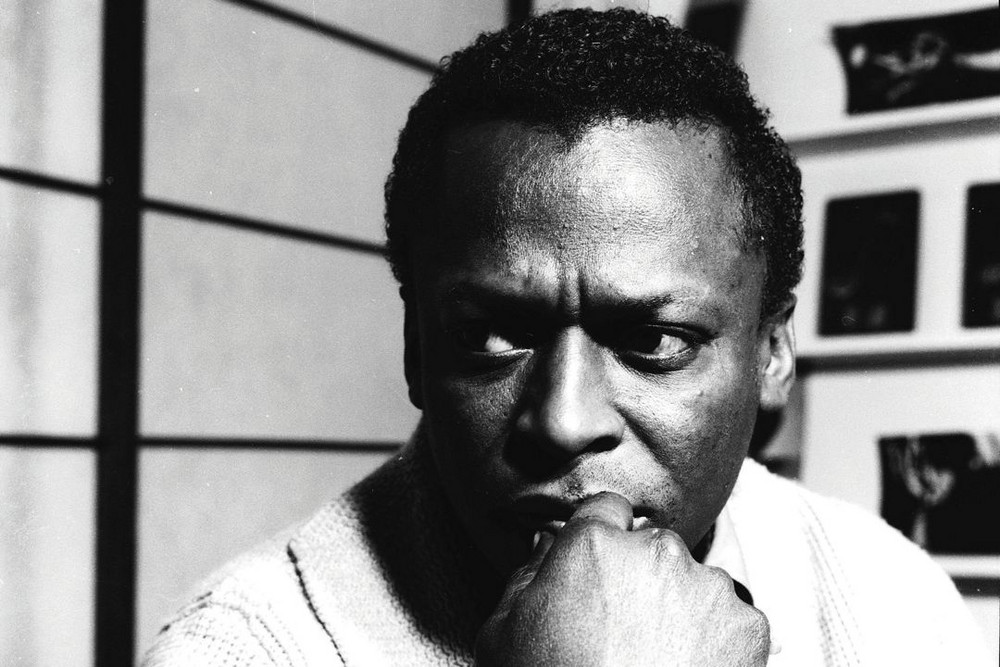
Miles Davis
Jazz
Jazz Fusion
Hard Bop
4
/5
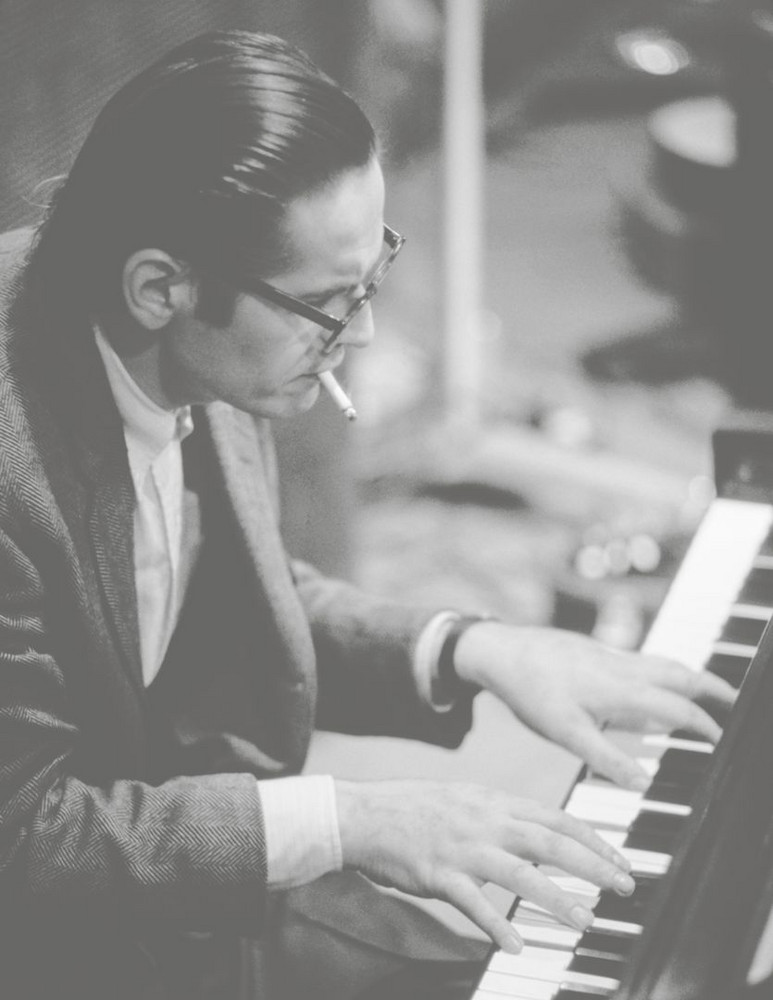
Bill Evans
Cool Jazz
Jazz
Bebop
3
/5
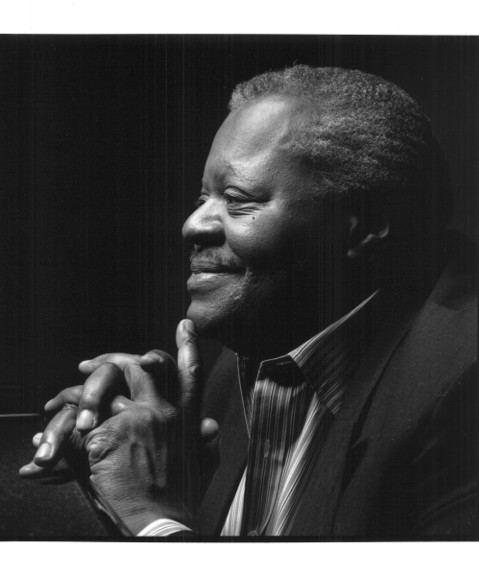
Oscar Peterson
Jazz
Bebop
Cool Jazz
3
/5
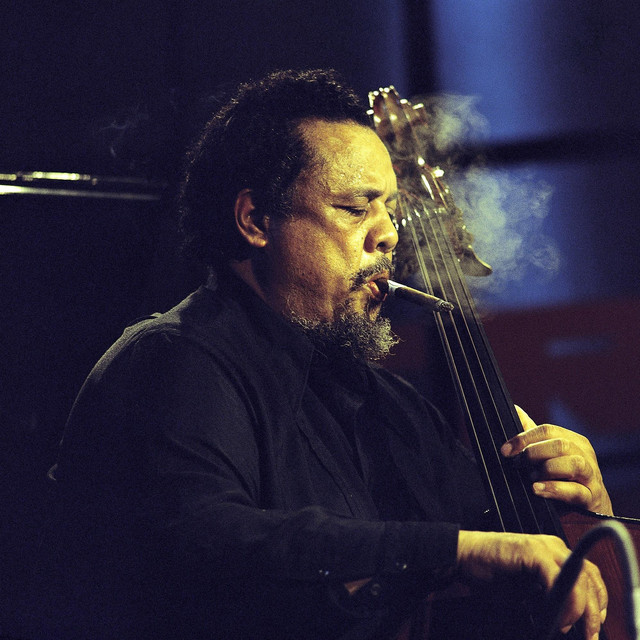
Charles Mingus
Jazz
Hard Bop
Post-Bop
3
/5
Gil Evans
Jazz
Big Band
Bebop
Download our mobile app
Get the Melodigging app and start digging for new genres on the go
Download on the App Store
Get it on Google Play
© 2026 Melodigging
Give feedback
Legal
Melodding was created as a tribute to
Every Noise at Once
, which inspired us to help curious minds keep digging into music's ever-evolving genres.