Genres
Artists
Albums
Make Music
Sign in
Sign in
Artists
Rock
Artists
Rock
Verlaine, Tom
1979–1981
·
2 albums
Listen
Genres
Alternative Rock
Alternative rock is a broad umbrella for guitar-based rock that emerged from the independent and college-radio scenes as a counterpoint to mainstream, commercial rock. It blends the energy and ethos of punk with the textural and songwriting experiments of post-punk, new wave, jangle pop, and noise rock, often foregrounding introspective or socially aware lyrics. Across its many strains—from the melodic minimalism of college rock to the loud-quiet-loud dynamics of grunge and the artful experimentation of Radiohead-era modernism—alternative rock prioritizes authenticity, sonic individuality, and a do-it-yourself approach. Its sound ranges from chiming, chorus-laden clean guitars to abrasive distortion and feedback, supported by straightforward rock rhythms or off-kilter grooves, and production that can be either raw and live-sounding or polished yet unconventional.
Discover
Listen
Cbgb Scene
The CBGB scene refers to the loose but highly influential community of bands that emerged from the New York club CBGB (Country, BlueGrass & Blues) at 315 Bowery in the mid‑1970s. Under owner Hilly Kristal, the venue—originally intended for roots music—became an incubator for raw, minimalist rock that prized immediacy, idiosyncrasy, and a fiercely DIY ethos. Musically, the scene fused 1960s garage rock energy, proto‑punk bite, and art‑school experimentation. Its sound ranged from the blistering, two‑minute blitzes of the Ramones, to Television’s interlocking, improvisation‑tinged guitar lattices, to Blondie and Talking Heads’ witty, genre‑bending pop. Lyrics often channeled urban grit, deadpan humor, and existential alienation, mirroring the decaying yet creatively vibrant Lower East Side of the era.
Discover
Listen
Post-Punk
Post-punk is a broadly experimental strain of rock that emerged in the late 1970s as artists sought to push beyond the speed, simplicity, and orthodoxy of first-wave punk. It typically features angular, bass-forward grooves; jagged or minimal guitar lines; stark, spacious production; and an openness to dub, funk, electronic, and avant-garde ideas. Lyrics often examine alienation, urban decay, politics, and the inner life with artful or abstract delivery. A studio-as-instrument approach, emphasis on rhythm section interplay, and an appetite for non-rock textures (tape effects, drum machines, found sound, synths) distinguish the style. The result can be danceable yet tense, cerebral yet visceral, and emotionally restrained yet intensely expressive.
Discover
Listen
Singer-Songwriter
Singer-songwriter is a song-focused style in which the same person writes, composes, and performs their own material, often accompanying themselves on acoustic guitar or piano. It emphasizes personal voice, lyrical intimacy, and storytelling over elaborate production. Arrangements are typically sparse, allowing the melody, words, and performance nuance to carry the song’s emotional weight. While rooted in folk and blues traditions, singer-songwriter embraces pop and rock songcraft, producing works that can range from quiet confessional ballads to subtly orchestrated, radio-ready pieces.
Discover
Listen
Rock
Rock is a broad family of popular music centered on amplified instruments, a strong backbeat, and song forms that foreground riffs, choruses, and anthemic hooks. Emerging from mid‑20th‑century American styles like rhythm & blues, country, and gospel-inflected rock and roll, rock quickly expanded in scope—absorbing folk, blues, and psychedelic ideas—while shaping global youth culture. Core sonic markers include electric guitar (often overdriven), electric bass, drum kit emphasizing beats 2 and 4, and emotive lead vocals. Rock songs commonly use verse–chorus structures, blues-derived harmony, and memorable melodic motifs, ranging from intimate ballads to high‑energy, stadium‑sized performances.
Discover
Listen
Pop
Pop is a broad, hook-driven style of popular music designed for wide appeal. It emphasizes memorable melodies, concise song structures, polished vocals, and production intended for radio, charts, and mass media. While pop continually absorbs elements from other styles, its core remains singable choruses, accessible harmonies, and rhythmic clarity. Typical forms include verse–pre-chorus–chorus, frequent use of bridges and middle-eights, and ear-catching intros and outros. Pop is not defined by a single instrumentation. It flexibly incorporates acoustic and electric instruments, drum machines, synthesizers, and increasingly digital production techniques, always in service of the song and the hook.
Discover
Listen
Albums
1981
2
/5
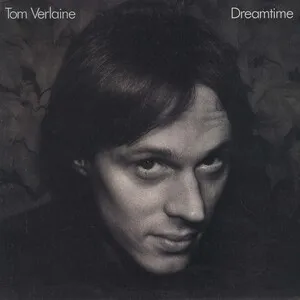
Dreamtime
Tom Verlaine
Cbgb Scene
Pop
Post-Punk
1979
2
/5
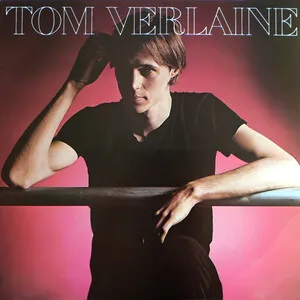
Tom Verlaine
Tom Verlaine
Cbgb Scene
Alternative Rock
Rock
Similar artists
4
/5
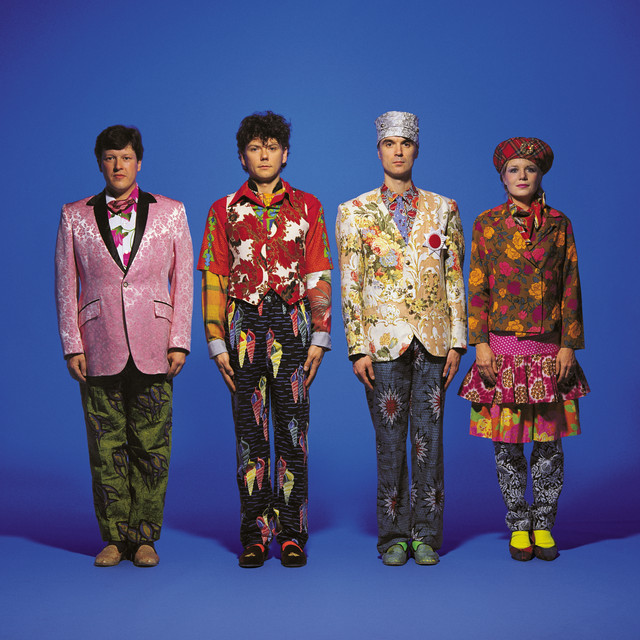
Talking Heads
Art Punk
New Wave
Post-Punk
5
/5
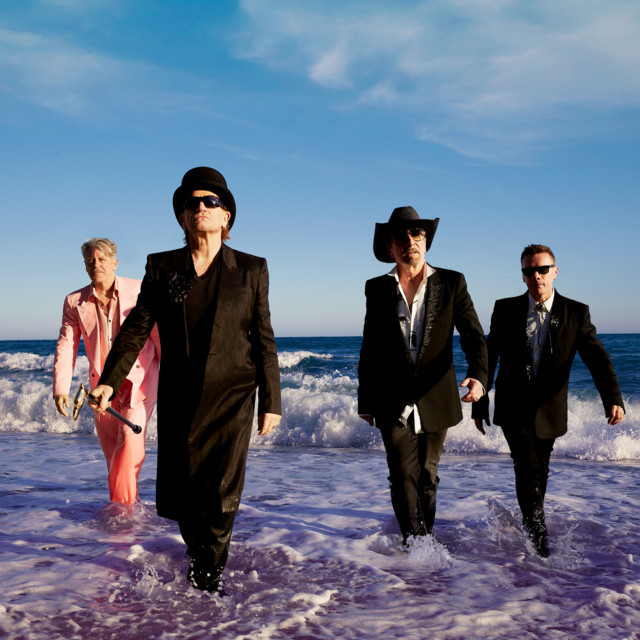
The Strokes
Alternative Rock
Garage Rock
Indie Rock
5
/5
David Bowie
Art Rock
Rock
Glam Rock
5
/5
U2
Rock
Alternative Rock
Pop Rock
4
/5
Soda Stereo
Argentine Rock
Rock
Latin Rock
1
/5
Various Artists
Afro-Funk
Alternative Rock
Ambient
4
/5
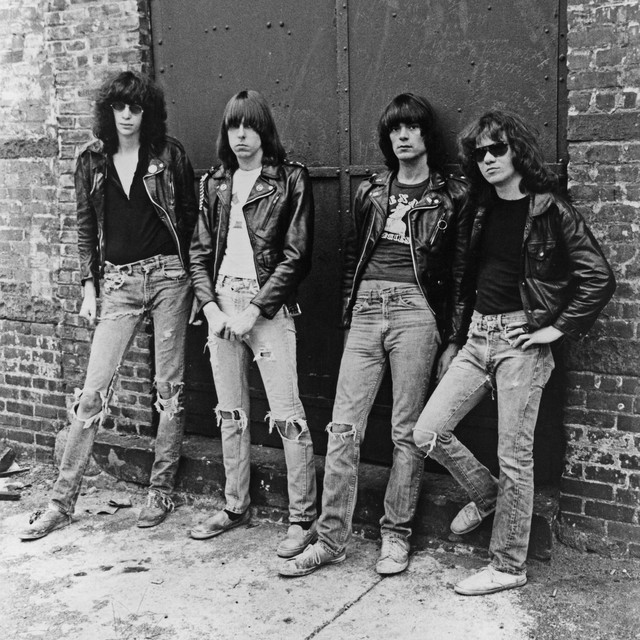
Ramones
Early Us Punk
Punk
Proto-Punk
5
/5
Linkin Park
Alternative Metal
Nu Metal
Rap Metal
5
/5
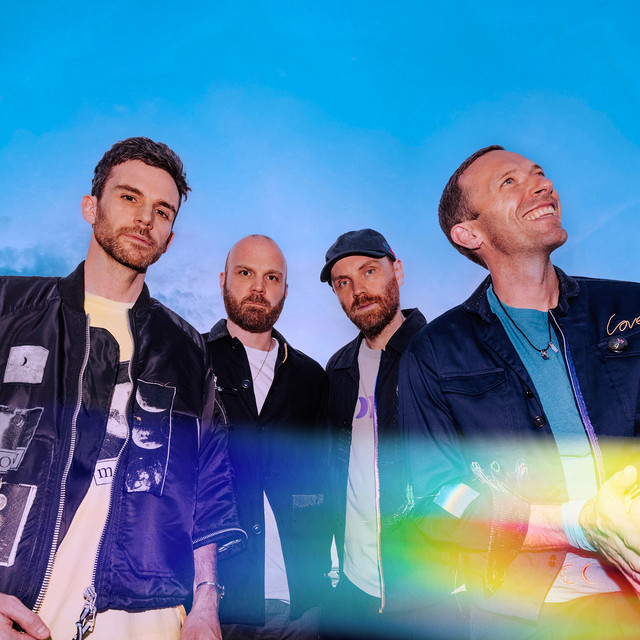
Coldplay
Rock
Permanent Wave
Alternative Rock
5
/5
Arctic Monkeys
Garage Rock
Indie
Indie Rock
Download our mobile app
Get the Melodigging app and start digging for new genres on the go
Download on the App Store
Get it on Google Play
© 2026 Melodigging
Give feedback
Legal
Melodding was created as a tribute to
Every Noise at Once
, which inspired us to help curious minds keep digging into music's ever-evolving genres.