Genres
Artists
Albums
Make Music
Sign in
Sign in
Artists
Dark Folk
Artists
Dark Folk
Vàli
2013
·
4 albums
Listen
2
/5
Genres
Winter Synth
Winter synth is a microgenre of dungeon synth and ambient that evokes wintertime landscapes, quiet snowfall, candlelit interiors, and festive or solstitial moods. Its sound palette favors soft synth pads, bell and celesta tones, choir and string layers, gentle drones, and understated percussion such as sleigh bells or muffled toms. Production typically leans lo‑fi and reverb‑rich, often with tape hiss or room noise to enhance the cozy, nostalgic feel. While largely instrumental, some releases weave in hymn- or carol-like harmonies, wind and fireplace field recordings, or simple leitmotifs that recur across short vignettes. The focus is atmosphere over virtuosity, creating intimate, scenic miniatures that suggest a quiet winter journey or a peaceful night by the hearth.
Discover
Listen
Ambient Folk
Ambient folk blends the acoustic intimacy of folk with the spacious sound design of ambient music. Fingerpicked guitars, soft vocals, and organic instruments are layered with drones, reverb-drenched pads, and field recordings to create a hushed, immersive atmosphere. The style favors slow tempos, minimal percussion, and modal or diatonic harmonies, often allowing chords to ring while textures evolve gradually. The result is music that feels pastoral and introspective, equally suited to close listening and quiet, reflective spaces.
Discover
Listen
Dark Folk
Dark folk is a somber, acoustic-centered branch of folk that blends minor-key songwriting with post-industrial atmospheres and gothic aesthetics. It often favors intimate, close-mic’d vocals; fingerpicked classical or steel‑string guitars; and sparse, martial or ritual percussion. Arrangements tend to be minimalist yet textural: drones, harmonium or accordion beds, bowed strings (violin, cello), and occasional field recordings or analog hiss deepen the mood. Lyrics explore themes of memory, decay, paganism, esotericism, romanticism, and the natural world, presented in a reflective or incantatory tone. The result is music that feels both archaic and modern—rural in timbre yet post-industrial in spirit.
Discover
Listen
Neofolk
Neofolk is a post-industrial offshoot that blends traditional acoustic folk instrumentation with the austere atmospheres, ritual rhythms, and poetic sensibilities of the industrial and post-punk underground. It often features intimate acoustic guitars, baritone or chant-like vocals, martial or processional percussion, drones, and sparse strings or harmonium. Thematically, neofolk is preoccupied with memory, myth, and modernity—drawing on pagan or pre-Christian motifs, Romantic poetry, war-time remembrance, esoteric philosophy, and nature mysticism. The sound tends to be minimal and deliberate, favoring modal harmony and restrained dynamics that sharpen lyrical focus and mood. While sometimes called “apocalyptic folk,” the label describes the tone rather than a single ideology, as artists span a wide range of personal and political stances.
Discover
Listen
Rock
Rock is a broad family of popular music centered on amplified instruments, a strong backbeat, and song forms that foreground riffs, choruses, and anthemic hooks. Emerging from mid‑20th‑century American styles like rhythm & blues, country, and gospel-inflected rock and roll, rock quickly expanded in scope—absorbing folk, blues, and psychedelic ideas—while shaping global youth culture. Core sonic markers include electric guitar (often overdriven), electric bass, drum kit emphasizing beats 2 and 4, and emotive lead vocals. Rock songs commonly use verse–chorus structures, blues-derived harmony, and memorable melodic motifs, ranging from intimate ballads to high‑energy, stadium‑sized performances.
Discover
Listen
Medieval
Medieval music refers to the diverse sacred and secular musical practices of Europe between the fall of the Western Roman Empire and the dawn of the Renaissance. It spans more than eight centuries, from early monophonic chant to the first notated polyphony. Core features include the use of church modes rather than major/minor, extensive reliance on vocal music (Latin sacred chant as well as vernacular song), and the progressive development from unmeasured chant to rhythmic modal notation and, later, mensural notation. Texture evolves from monophony (plainchant, troubadour songs) to organum, conductus, and the motet, culminating in complex isorhythmic works by the late 13th–14th centuries. Secular traditions—troubadours and trouvères in France, Minnesänger in German lands, and the Iberian Cantigas—coexisted with and influenced sacred practice. Instruments such as the vielle, harp, psaltery, recorder, shawm, hurdy-gurdy, and portative organ often doubled or accompanied voices, though much music remained purely vocal.
Discover
Listen
Albums
2013
2
/5
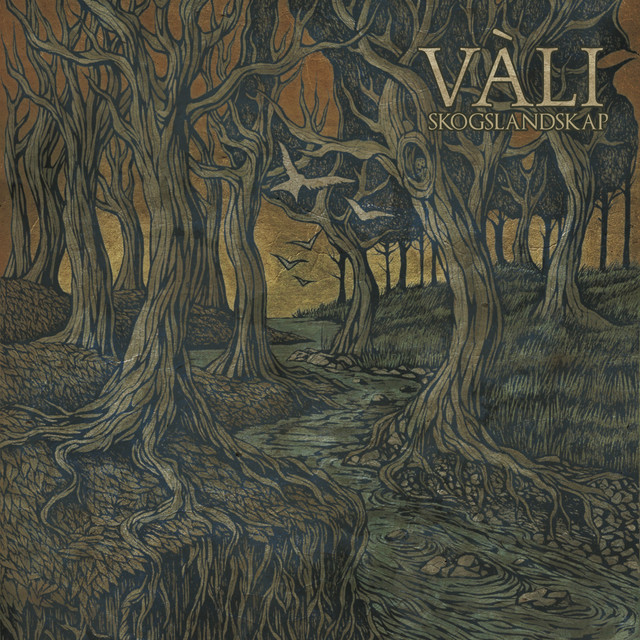
Skogslandskap
Vàli
Dark Folk
Neofolk
2013
2
/5
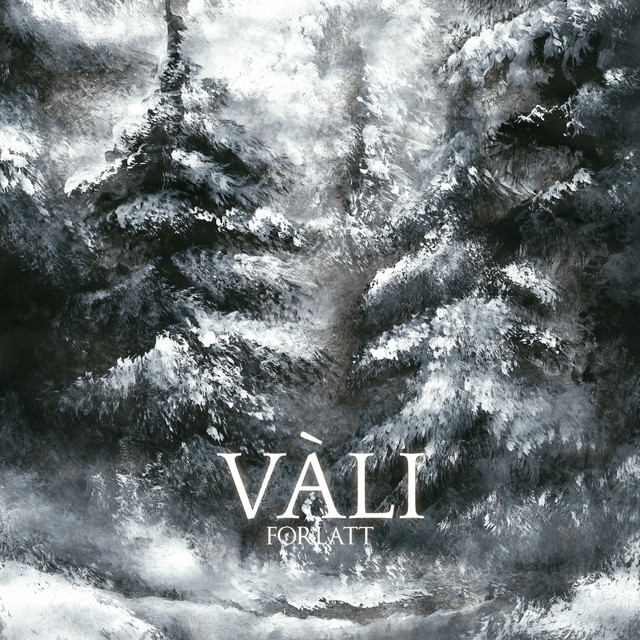
Forlatt
Vàli
Dark Folk
Neofolk
Rock
2013
1
/5
Skogslandskap
Vàli
Dark Folk
Neofolk
2013
1
/5
Forlatt
Vàli
Dark Folk
Neofolk
Rock
Similar artists
2
/5
Empyrium
Folk Metal
Doom Metal
Dark Folk
3
/5
Agalloch
Black Metal
Cascadian Black Metal
Usbm
1
/5
Neun Welten
Ambient Folk
Medieval
Neoclassicism
3
/5
Heilung
Dark Folk
Rune Folk
Neofolk
2
/5
Tenhi
Dark Folk
Folk
Neofolk
3
/5
Wardruna
Neofolk
Rune Folk
Viking Folk
3
/5
Chelsea Wolfe
Doomgaze
Gaian Doom
Rock
3
/5
Faun
Medieval Rock
Folk
Neofolk
3
/5
Myrkur
Neofolk
Black Metal
Ambient Folk
3
/5
Ulver
Post-Metal
Avant-Garde
Black Metal
Download our mobile app
Get the Melodigging app and start digging for new genres on the go
Download on the App Store
Get it on Google Play
© 2026 Melodigging
Give feedback
Legal
Melodding was created as a tribute to
Every Noise at Once
, which inspired us to help curious minds keep digging into music's ever-evolving genres.