Genres
Artists
Albums
Make Music
Sign in
Sign in
Artists
Classical
Artists
Classical
USSR Ministry Of Culture Symphony Orchestra
1989
·
1 album
Listen
1
/5
Genres
Concerto Grosso
A concerto grosso is a Baroque-era orchestral form built on contrasts between a small group of soloists (the concertino) and the full ensemble (the ripieno or tutti). It typically features strings with basso continuo, terraced dynamics, antiphonal dialogue, and clear tonal harmony. Two principal subtypes emerged: the church-oriented sonata da chiesa (often in a four-movement slow–fast–slow–fast plan) and the dance-inflected sonata da camera (suite-like movements). The genre highlights thematic exchange, sequences, and imitation, with the concertino—often two violins and cello—embroidered against broader tutti refrains. Corelli’s models codified its syntax, and Handel’s sets represent its late-Baroque culmination.
Discover
Listen
Requiem
A requiem is a musical setting of the Roman Catholic Mass for the Dead (Missa pro defunctis). Historically rooted in Latin liturgy, it sets movements such as the Introit, Kyrie, (historically) the Sequence Dies irae, Offertory, Sanctus, Agnus Dei, and Communion, and often includes additional responsories like Libera me and In paradisum. While the earliest requiems were monophonic chants, the genre became a showcase for polyphonic and later symphonic choral writing. Renaissance composers wrote austere, modal settings; Classical and Romantic composers expanded the forces and dramatic scope; and 20th–21st century composers reimagined the form with new languages, from neo-modal and impressionistic harmonies to avant‑garde sonorities. Today, requiems appear both in liturgy and as concert works, symbolizing collective mourning, remembrance, and spiritual reflection.
Discover
Listen
Classical
Classical music is the notated art-music tradition of Europe and its global descendants, characterized by durable forms, carefully codified harmony and counterpoint, and a literate score-based practice. The term “classical” can refer broadly to the entire Western art-music lineage from the Medieval era to today, not just the Classical period (c. 1750s–1820s). It privileges long-form structures (such as symphonies, sonatas, concertos, masses, and operas), functional or modal harmony, thematic development, and timbral nuance across ensembles ranging from solo instruments to full orchestras and choirs. Across centuries, the style evolved from chant and modal polyphony to tonal harmony, and later to post-tonal idioms, while maintaining a shared emphasis on written notation, performance practice, and craft.
Discover
Listen
Albums
1989
1
/5
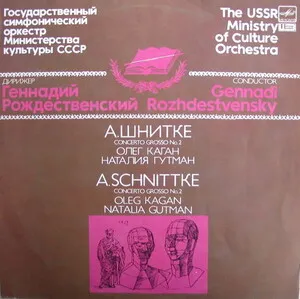
Concerto grosso No. 2
Alfred Schnittke Альфред Шнитке
Concerto Grosso
Similar artists
3
/5
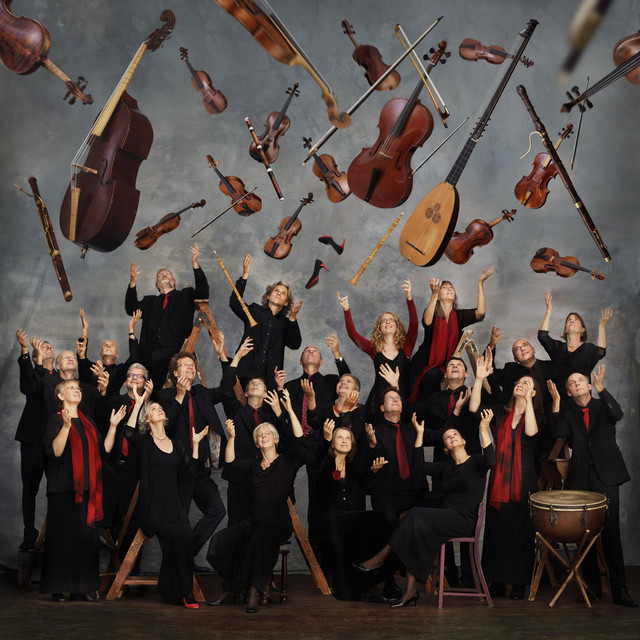
Academy of Ancient Music
Classical
Choral
Requiem
3
/5
Nikolaus Harnoncourt
Classical
Requiem
Baroque
3
/5
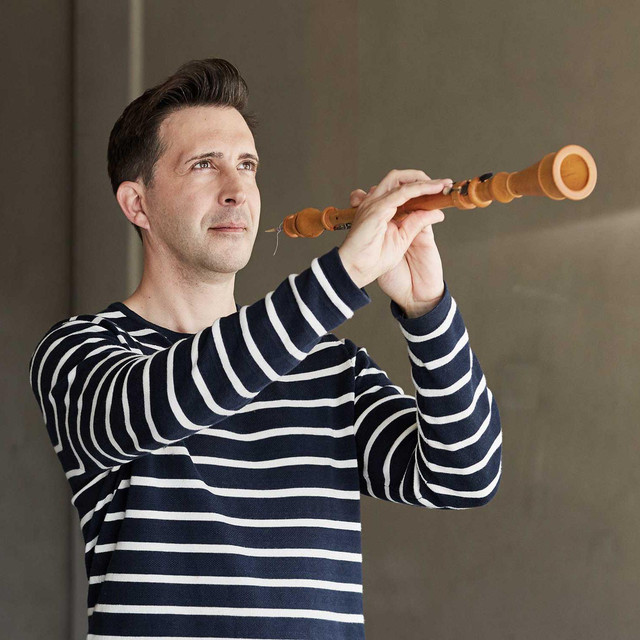
Akademie für Alte Musik Berlin
Classical
Opera
Oratorio
3
/5
Orchestra of the Age of Enlightenment
Classical
Choral
Opera
3
/5
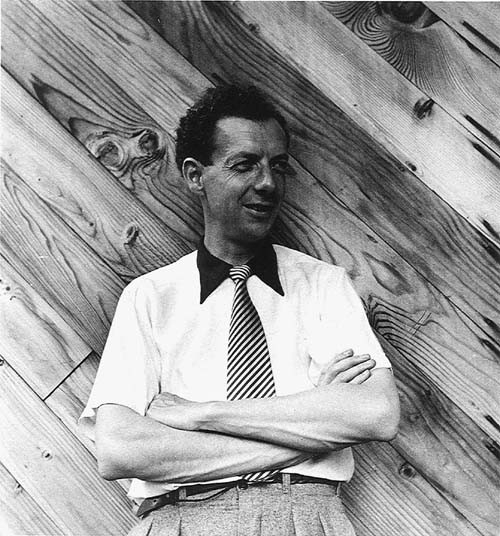
Benjamin Britten
Neoclassicism
Requiem
Choral
3
/5
Concentus Musicus Wien
Classical
Requiem
Baroque
4
/5
Academy of St. Martin in the Fields
Classical
Classical Performance
Baroque
4
/5
Sir Neville Marriner
Classical
Baroque
Classical Performance
3
/5
Christopher Hogwood
Classical
Opera
Opera Seria
2
/5
Alfred Schnittke
Classical
Choral Concerto
Chamber Music
Download our mobile app
Get the Melodigging app and start digging for new genres on the go
Download on the App Store
Get it on Google Play
© 2026 Melodigging
Give feedback
Legal
Melodding was created as a tribute to
Every Noise at Once
, which inspired us to help curious minds keep digging into music's ever-evolving genres.