Genres
Artists
Albums
Make Music
Sign in
Sign in
Artists
Dissonant Death Metal
Artists
Dissonant Death Metal
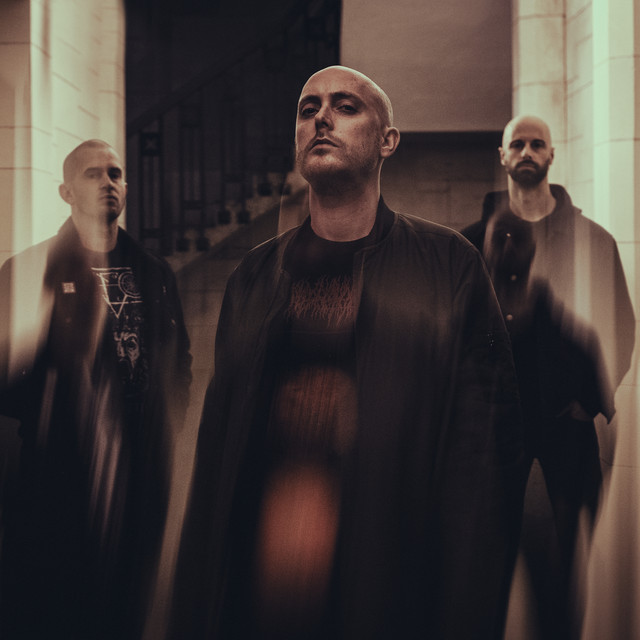
Ulcerate
2009–2024
·
7 albums
Listen
2
/5
Genres
Voidgrind
Voidgrind is a modern, subterranean strain of black/death metal that fuses cavernous, reverb-drenched production with grinding tempos, dissonant interval clusters, and an overwhelming sense of spatial dread. The “void” is both a sonic image and an aesthetic: guitars smear into dense, low‑tuned walls; drums pivot from tectonic lurches to blast-driven avalanches; and vocals emerge as abyssal exhalations rather than narrative leads. Musically it draws on blackened death metal’s corrosive timbres and grindcore’s extremity of pace, but bends them into through-composed, texture‑first forms. Harmony favors minor seconds, tritones, and tone clusters over functional progressions; rhythm slips between skank beats, blasts, and slow, ceremonial pulses. Lyrics and imagery revolve around cosmic nihilism, esoteric metaphysics, and anti-cosmic warfare—less storytelling than atmosphere-building.
Discover
Listen
Cavernous Death Metal
Cavernous death metal is a murky, reverb-drenched strain of old-school death metal that foregrounds claustrophobic atmosphere over clinical precision. Hallmarks include extremely downtuned guitars, tremolo-picked and chromatic riffing, lurching doom-laden passages, and very deep, often indecipherable guttural vocals. Production aesthetics are central: drums are thunderous yet blurred, guitars and bass form a monolithic wall of low-end, and large-room or plate reverbs smear the mix to evoke the feeling of sound emanating from a subterranean chamber. Rather than bright, high-fidelity tones, the style prefers darkness, distance, and density—suggesting sinister space, decay, and ancient dread. Compositionally it draws on early 1990s death and death-doom blueprints, but the 2010s revival codified the "cavernous" sound as a distinct aesthetic, emphasizing mood, negative space, and oppressive resonance as much as riffcraft.
Discover
Listen
Voidgaze
Voidgaze is a heavy, atmospheric offshoot of shoegaze that fuses dense, down‑tuned guitars with post‑metal weight and blackgaze/atmospheric black metal expansiveness. The sound foregrounds towering walls of fuzz and reverb, but replaces the genre’s classic dreaminess with a cavernous, cosmic darkness—hence the sense of “the void.” Typical tracks pivot between tectonic, slow‑burn passages and explosive peaks: blast‑beat or double‑time surges may erupt beneath layers of smeared guitars, then collapse back into glacial, reverb‑soaked textures. Vocals are usually soft, breathy, or distant in the mix (sometimes screamed as a texture), serving the atmosphere rather than acting as a focal melody. Lyrically, voidgaze tends toward the existential—nature, vastness, decay, memory, and spiritual unease—mirroring the music’s sense of scale and sublimity.
Discover
Listen
Dissonant Death Metal
Dissonant death metal is a branch of death metal that foregrounds atonality, angular riffing, and tense, unstable harmonies. Instead of traditional power‑chord grooves or neoclassical lead work, it relies on clusters, tritones, seconds, and chromatic voice‑leading to create a nauseating, labyrinthine atmosphere. Rhythmically, the style favors jagged phrasing, polymeters, and sudden tempo shifts, while vocals remain predominantly deep growls that enhance the sense of dread. Production often balances clarity and claustrophobia: drums are articulate yet cavernous, and guitars are dense but deliberately abrasive. The aesthetic draws from modern classical dissonance as much as from early 1990s death metal, channeling existential unease and surreal or cosmic horror rather than gore alone.
Discover
Listen
Atmospheric Sludge Metal
Atmospheric sludge metal is a hybrid of sludge metal’s heaving, down-tuned weight and the expansive, cinematic scope of post-rock and ambient music. It favors long-form structures, glacial tempos, and tectonic riffing that build into towering crescendos. Guitars are layered with delay and reverb to carve out vast soundscapes; bass and drums move between hypnotic, ritualistic grooves and explosive climaxes; vocals shift from haunted whispers to anguished roars. Rather than focusing only on aggression, the style stresses mood, texture, and dynamics—inviting the listener into an immersive, cathartic journey that feels both monolithic and ethereal.
Discover
Listen
Post-Metal
Post-metal is a heavy, atmospheric offshoot of metal that blends the weight and distortion of sludge and doom with the expansive dynamics and textural focus of post-rock. Instead of traditional verse–chorus structures, it emphasizes long-form development, layering, and crescendos, often moving from sparse, ambient passages to overwhelming climaxes. Vocals (if present) are used more as another texture—ranging from harsh screams to distant, chant-like cleans—while guitars prioritize drones, pedal tones, and richly effected timbres over conventional riffs. The result is music that feels cinematic and immersive: slow-to-mid tempos, tectonic low-end, and wide dynamic arcs that convey bleakness, catharsis, and grandeur in equal measure.
Discover
Listen
Brutal Death Metal
Brutal death metal is an especially extreme branch of death metal that emphasizes overwhelming intensity, dense riffing, and relentlessly aggressive rhythm. Hallmarks include very low-tuned, percussive guitars; rapid-fire tremolo picking; slam-oriented breakdowns; constant blast beats and gravity blasts; and ultra-guttural vocals that range from cavernous growls to “pig squeals.” Lyrical themes are typically visceral and graphic, drawing on horror and gore. Production often favors a tight, punchy drum sound (frequently with triggered kicks), thick multi-tracked guitars, and a bass tone that locks to the drums for maximal impact. Compared to traditional death metal, brutal death metal prioritizes extremity, physicality, and riff density over melody, and often integrates grindcore’s speed and brevity with hardcore-influenced breakdown weight.
Discover
Listen
Technical Death Metal
Technical death metal (often shortened to tech-death) is a virtuosic, hyper-detailed branch of death metal characterized by complex song structures, rapid-fire tempo changes, and high-performance musicianship. It fuses the extremity and heaviness of death metal with the rhythmic sophistication of progressive metal and the harmonic vocabulary of jazz fusion. Signature elements include odd and shifting time signatures, polyrhythms, dissonant and chromatic harmony, through-composed or non-repeating structures, and intricate contrapuntal interplay between guitars and bass (often fretless). Drumming emphasizes precision blast beats, rapid double-kick patterns, metric modulation, and constant subdivision changes. Vocals are primarily deep growls or harsh screams, while lyrics frequently explore science, philosophy, metaphysics, and cosmology alongside the genre’s traditional dark themes. Production tends to favor clarity and separation to make dense arrangements intelligible, with tight, gated guitars, articulate bass presence, and drum sounds that capture transient detail. The result is aggressive, cerebral, and often breathtakingly technical music that rewards close listening.
Discover
Listen
Death Metal
Death metal is an extreme subgenre of heavy metal defined by heavily distorted, low‑tuned guitars, rapid and complex riffing, blast beat drumming, and harsh guttural vocals. Its harmonic language favors chromaticism, dissonance, and tremolo-picked lines that create an ominous, abrasive atmosphere. Lyrically, death metal often explores dark or transgressive themes—mortality, mythology, anti-religion, psychological horror, and the macabre—sometimes with philosophical or social commentary. Production ranges from raw and cavernous to hyper-precise and technical, reflecting the genre’s many regional scenes and substyles. From the mid‑1980s Florida scene (Tampa) and parallel developments in the US, UK, and Sweden, death metal evolved into numerous branches including brutal death metal, technical death metal, melodic death metal, and death‑doom, each emphasizing different aspects of speed, complexity, melody, or heaviness.
Discover
Listen
Black Metal
Black metal is a form of extreme metal defined by fast tempos, tremolo‑picked guitar lines, blast‑beat drumming, shrieked or rasped vocals, and a deliberately raw, icy production aesthetic. Harmonically, it favors minor and modal collections (especially Aeolian and Phrygian), open-string drones, parallel fifths and fourths, tritones, and sparse or suspended chord voicings over blues-derived harmony. Arrangements often employ layered guitars, long-form song structures, and enveloping reverb to create a bleak, otherworldly atmosphere. The genre’s visual and thematic language is equally distinctive: corpse paint, monochrome artwork, and lyrics exploring anti-dogma, nature, pagan myth, cosmic nihilism, and misanthropy. While some scenes have been associated with controversy and extremism, the musical identity centers on sound, atmosphere, and aesthetics rather than any single ideology.
Discover
Listen
Deathgrind
Deathgrind is a fusion of death metal and grindcore that combines the former’s low‑tuned, heavy riffing and guttural vocals with the latter’s ultra‑fast tempos, blast‑beat drumming, and short, abrupt song structures. Typical tracks run one to three minutes, feature rapid chromatic tremolo picking, sudden tempo shifts, and a relentless rhythmic attack. Vocals alternate between deep death‑metal growls and high‑pitched screams, while lyrics range from socio‑political critique to graphic, gore‑themed narratives depending on the band. Production tends to be tight and cutting, often with triggered kicks, aggressive guitar tones, and clear articulation so that riffs remain intelligible at extreme speed.
Discover
Listen
Sludge Metal
Sludge metal is a hybrid of doom metal’s slow, downtuned weight and hardcore punk’s raw aggression. It emphasizes thick, overdriven guitar tones, throttling bass, and drums that lurch between trudging slow-motion grooves and ragged mid‑tempo blasts. Vocals are typically screamed, barked, or anguished, often buried slightly in the mix to feel abrasive and cathartic. The style took shape in the late 1980s United States—particularly the Pacific Northwest and the American South—where bands fused Sabbath‑like doom riffs with the DIY harshness of hardcore and the scabrous textures of noise rock. Lyrical themes commonly explore addiction, despair, social decay, and Southern Gothic imagery, delivered with an intentionally gritty, unvarnished production aesthetic.
Discover
Listen
Metal
Metal (often used to mean heavy metal in its broad, umbrella sense) is a loud, guitar-driven style of rock defined by high-gain distortion, emphatic and often martial rhythms, and a dense, powerful low end. It foregrounds riff-based songwriting, dramatic dynamics, virtuosic guitar solos, and commanding vocals that range from melodic wails to aggressive snarls and growls. Harmonically, metal favors minor modes, modal color (Aeolian, Phrygian), chromaticism, and tritone-inflected tension, while thematically it explores power, mythology, the occult, social critique, fantasy, and existential subjects. While adjacent to hard rock, metal typically pushes amplification, distortion, precision, and thematic intensity further, forming a foundation for many specialized subgenres.
Discover
Listen
Avant-Garde
Avant-garde music is an umbrella term for boundary-pushing practices that challenge prevailing norms of harmony, rhythm, timbre, form, and performance. It privileges experimentation, conceptual rigor, and a willingness to reframe what counts as music at all. Historically tied to early 20th‑century artistic modernism, avant-garde music introduced atonality, the emancipation of noise, and new forms of notation and process. It embraces indeterminacy, extended techniques, electronics, spatialization, and multimedia performance, treating sound as material to be sculpted, questioned, and reinvented.
Discover
Listen
Show all 14 genres
Albums
2024
3
/5
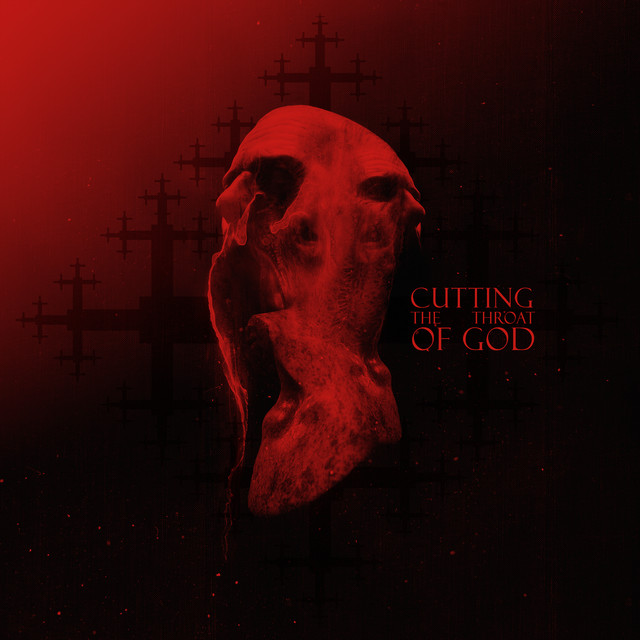
Cutting the Throat of God
Ulcerate
Dissonant Death Metal
Technical Death Metal
Deathgrind
2024
1
/5
The Dawn is Hollow
Ulcerate
Dissonant Death Metal
Atmospheric Sludge Metal
Post-Metal
2020
2
/5
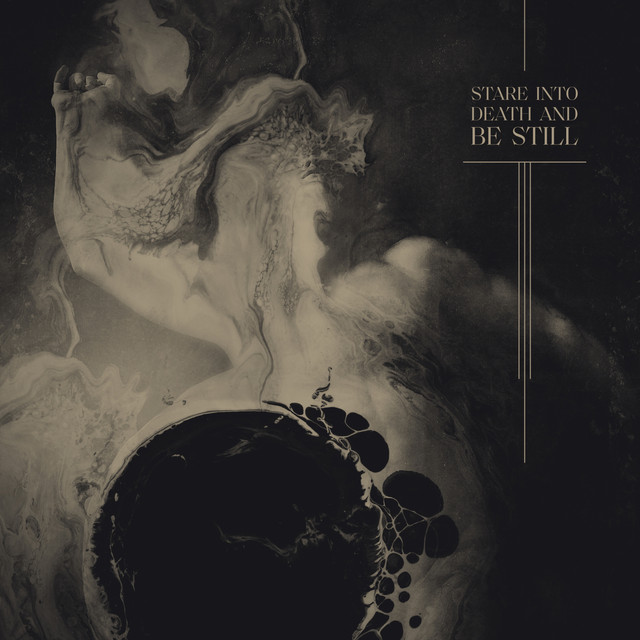
Stare Into Death and Be Still
Ulcerate
Dissonant Death Metal
Technical Death Metal
Post-Metal
2016
2
/5
Shrines of Paralysis
Ulcerate
Dissonant Death Metal
Technical Death Metal
Atmospheric Sludge Metal
2013
2
/5
Vermis
Ulcerate
Dissonant Death Metal
Atmospheric Sludge Metal
Technical Death Metal
2011
2
/5
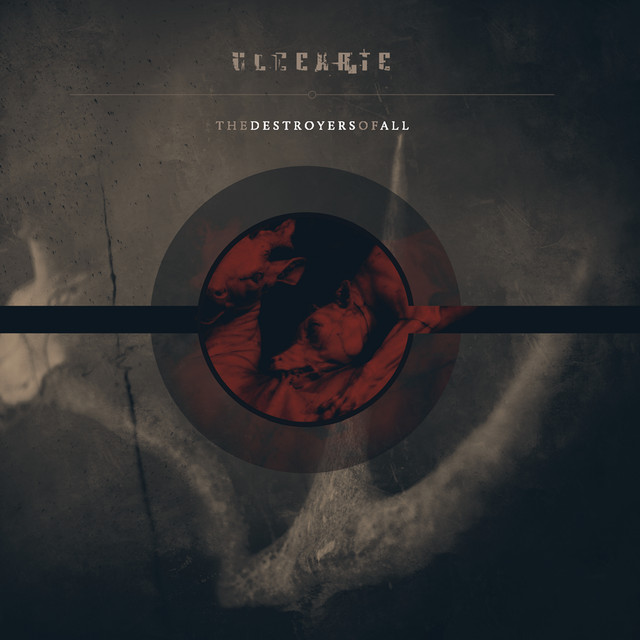
The Destroyers of All
Ulcerate
Dissonant Death Metal
Atmospheric Sludge Metal
Post-Metal
2009
2
/5
Everything Is Fire
Ulcerate
Dissonant Death Metal
Technical Death Metal
Death Metal
Similar artists
2
/5
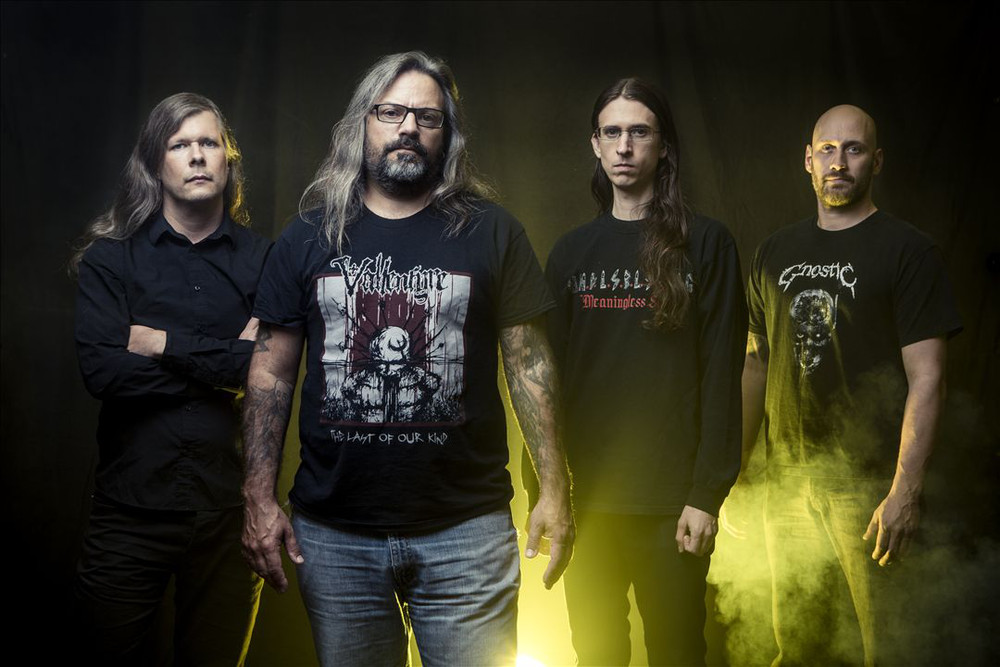
Gorguts
Dissonant Death Metal
Death Metal
Technical Death Metal
2
/5
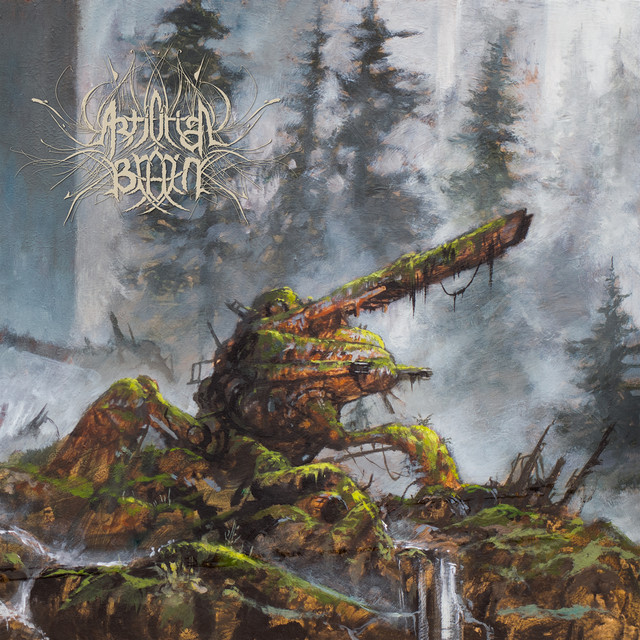
Artificial Brain
Dissonant Death Metal
Cosmic Death Metal
Death Metal
1
/5
Demilich
Death Metal
Dissonant Death Metal
Grindcore
1
/5
Gigan
Dissonant Death Metal
Death Metal
Heavy Metal
1
/5
Pyrrhon
Death Metal
Mathcore
Dissonant Death Metal
1
/5
Ingurgitating Oblivion
Death Metal
Avant-Garde
Dissonant Death Metal
2
/5
Imperial Triumphant
Dissonant Death Metal
Avant-Garde Metal
Avant-Garde
1
/5
Replicant
Death Metal
Avant-Garde
Dissonant Death Metal
1
/5
Cryptic Shift
Death Metal
Dissonant Death Metal
Thrash Metal
Ad Nauseam
Avant-Garde Metal
Dissonant Death Metal
Technical Death Metal
Download our mobile app
Get the Melodigging app and start digging for new genres on the go
Download on the App Store
Get it on Google Play
© 2026 Melodigging
Give feedback
Legal
Melodding was created as a tribute to
Every Noise at Once
, which inspired us to help curious minds keep digging into music's ever-evolving genres.