Genres
Artists
Albums
Make Music
Sign in
Sign in
Artists
Reggae-Pop
Artists
Reggae-Pop
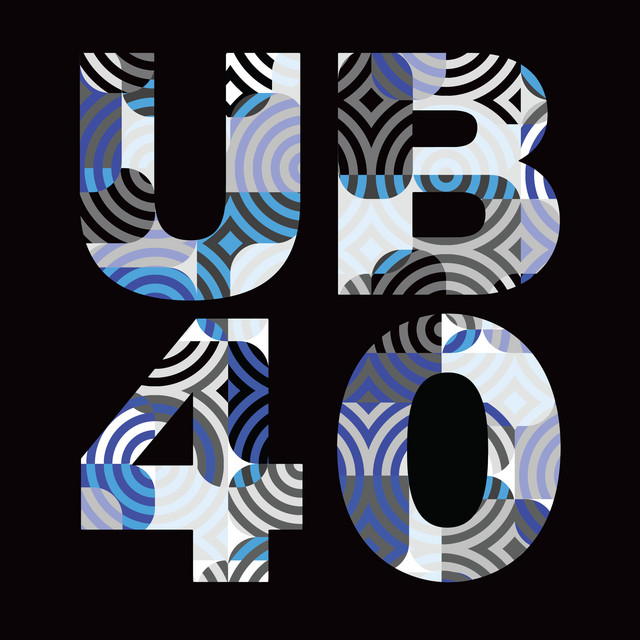
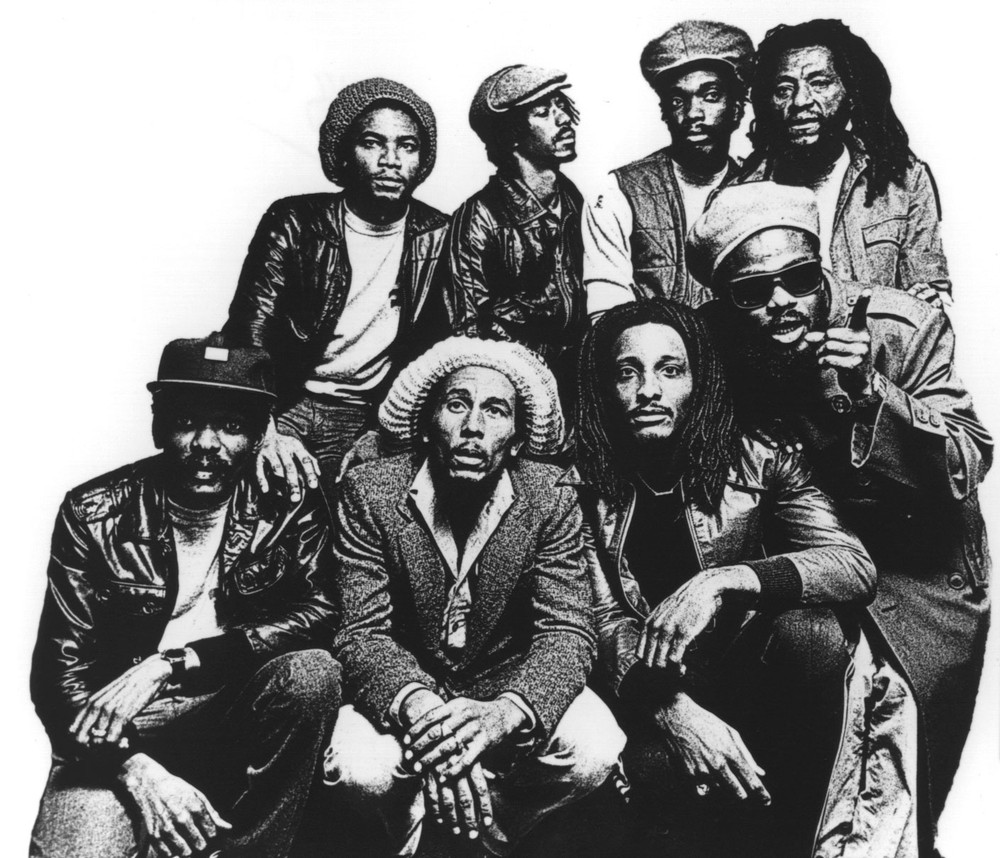
UB40
1981–2003
·
8 albums
Listen
4
/5
Genres
Maimouna
Maimouna is a contemporary Francophone West- and Central‑African club style and dance craze that emerged in the early 2020s, most strongly associated with Côte d’Ivoire’s hyperactive urban party scene. It blends upbeat Afropop songcraft with street‑level chant, call‑and‑response hooks, and kinetic, percussion‑forward beats designed for viral dance challenges. Typical tracks ride a mid‑fast 100–118 BPM groove with shaker and cowbell patterns, handclaps, snare rushes, and short synth stabs or guitar licks. Vocals often mix Nouchi (Ivorian street slang) with French, using playful boasts, dance instructions, and catchy refrains. The production is bright and punchy, favoring simple harmonic loops so the crowd‑energy, chants, and choreography lead the experience.
Discover
Listen
Chill Pop
Chill pop is a contemporary pop micro‑genre that blends radio‑friendly songwriting with the mellow textures of chillout and lo‑fi aesthetics. It favors soft vocals, smooth synths, clean guitar plucks, understated bass, and relaxed, mid‑tempo grooves. Instead of big, bombastic hooks, chill pop tends toward intimate, conversational melodies and minimal, airy arrangements. Production often borrows from bedroom pop and alternative R&B—subtle trap hi‑hats, warm saturation, roomy reverbs, and gentle side‑chain compression—to create a breezy, pastel sound palette well suited to playlists and late‑night listening. Lyrically, chill pop is introspective and relatable: romance, longing, gentle optimism, and coming‑of‑age themes delivered in a plain‑spoken, whisper‑close tone. The result sits between indie pop’s understated cool and mainstream pop’s catchy structures, optimized for the streaming era’s mood‑driven consumption.
Discover
Listen
Indian Indie
Indian indie is the umbrella for independent, non-film music made in India across languages such as Hindi, English, and numerous regional tongues. It is defined more by its DIY production and artist-led release model than by a single sound. Musically, it spans indie pop and rock, folk-fusion, singer‑songwriter ballads, dream‑pop/shoegaze textures, and electronic‑leaning productions. Artists often blend Western harmony and song forms with raga‑tinged melodies, Indian rhythmic feels, and occasional use of traditional instruments like tabla, bansuri, or sitar. The scene grew rapidly with college festivals, small venues, and digital platforms (YouTube, streaming services, Bandcamp), plus boutique labels and festivals such as NH7 Weekender that created national visibility. Lyrically, it tends to be intimate and contemporary—touching on romance, urban life, identity, and nostalgia—while maintaining accessible hooks and warm, organic sonics.
Discover
Listen
Shimmer Psych
Shimmer psych is a contemporary strand of neo‑psychedelia that pairs sparkling, chorus‑washed guitars and gauzy vocal harmonies with dreamy pop songcraft. It emphasizes high‑end "shimmer," tape‑soft saturation, hypnagogic textures, and melodic hooks, sitting between dream pop, jangle pop, and classic psychedelic rock. Typical tracks are mid‑tempo, built on warm bass lines, gentle motorik or laid‑back breakbeats, and drenched in reverb, phaser, and delay. The result is sun‑bleached, nostalgic, and kaleidoscopic rather than heavy or jam‑oriented.
Discover
Listen
The Wave
The Wave is a loosely defined cluster of American post-hardcore/emo bands that surged in the early 2010s as emo-pop’s mainstream moment faded. The name was a tongue‑in‑cheek scene tag that stuck in press coverage, but it points to a real overlap in sound, ethos, and touring networks. Musically, The Wave fuses the urgency of 1990s post‑hardcore and screamo with confessional, literate lyric writing associated with emo. Expect shouted or half‑sung/half‑spoken vocals, dynamic quiet‑loud builds, intricate but driving drums, and guitar textures that shift between glassy clean arpeggios and overdriven, emotive climaxes. The songs often emphasize catharsis, narrative detail, and community-minded DIY presentation.
Discover
Listen
432hz
432hz is a wellness-oriented ambient/New Age micro-genre built around tuning music to the alternative concert pitch A=432 Hz instead of the modern standard A=440 Hz. In practice, 432hz releases are largely instrumental, slow-tempo, and reverb-rich, combining soft pads, drones, gentle piano, bowls/chimes, and nature sounds. Tracks are marketed for relaxation, meditation, yoga, sleep, and "energy" or "chakra" work, and are frequently tagged with wellness keywords. While advocates claim psychoacoustic or physiological benefits from 432 Hz tuning, these claims remain unproven; the sound signature audiences respond to is the calm production, consonant harmony, and spacious mixing typical of ambient and New Age music. As a streaming-native style, 432hz thrives on platforms like YouTube and Spotify where long-form background listening, SEO-friendly titling, and looping visuals support use-cases such as study, mindfulness, and sleep.
Discover
Listen
Soundclown
Soundclown is an internet-born remix and mashup style that thrives on comedic juxtaposition, bait‑and‑switch reveals, and hyper-referential sample collage. It blends pop hits, game and cartoon music, ad jingles, meme sounds, and viral speech into quick-cut audio gags. The genre developed across YouTube and SoundCloud, favoring shock humor, nostalgia, and absurdity over traditional song form. Hallmarks include sudden key/tempo whiplash, exaggerated pitch-shifts, ear‑rending “earrape” peaks, and punchline drops that transform a familiar source into something hilariously incongruent. Because it is fundamentally platform-native, soundclown is as much a memetic editing culture as a musical style. Its tracks often function like sonic shitposts: fast, punchy, and built for instant recognition and shareability.
Discover
Listen
Drikkelek
Drikkelek is a Scandinavian micro‑genre of high‑energy party music built around drinking games. The word itself means "drinking game" in Norwegian/Danish, and the tracks function as soundtracks that give simple, shouted instructions to a crowd (drink, swap seats, point people out, count‑downs) while riding big, festival‑style drops. Musically it blends Eurodance and big‑room/electro‑house sonics—four‑on‑the‑floor kicks, supersaw leads, risers and air‑horn FX—with ultra‑catchy chant hooks and easy rhymes. The tone is playful and rowdy; lyrics favor commands and call‑and‑response over storytelling so the party can follow along instantly. The result is music optimized for pre‑games, party buses/boats, student events and cabin trips across Norway (and neighboring Nordic scenes).
Discover
Listen
Pop Urbaine
Pop urbaine is a French mainstream pop style that blends contemporary R&B, hip hop, Afrobeats, dancehall, zouk, raï, and reggaeton with chart‑friendly songwriting. It emphasizes melodic hooks, mid‑tempo grooves, and sleek vocal production (often with Auto‑Tune) while foregrounding everyday, romantic, and nightlife themes in colloquial French. Rhythmically it favors syncopated Afro‑Caribbean patterns, sparse but bouncy 808 drums, and light guitar or synth plucks, creating a buoyant, danceable feel without the aggressiveness of club music. Vocals typically alternate between sung refrains and rap‑influenced verses, with catchy refrains designed for streaming and social media virality. The genre became a defining sound of French popular culture in the late 2010s, driven by a new generation of Francophone artists with diasporic roots who globalized French pop while keeping its language and local slang at the center.
Discover
Listen
Popwave
Popwave is a song‑forward branch of synthwave that fuses glossy 1980s pop aesthetics with contemporary electronic production. Where classic synthwave often favors instrumental, cinematic moods, popwave puts vocals and hooks at the center: big choruses, radio‑ready structures, and emotive lyrics about youth, night drives, neon‑lit romance, and bittersweet nostalgia. Sonically it leans on analog‑styled polysynths, driving eighth‑note basslines, gated‑reverb drums, shimmering guitars, and frequent sax or lead‑guitar cameos—yet it’s mixed and mastered to modern pop standards. The result is a style that feels simultaneously retro and current: the color and optimism of 80s chart pop, filtered through the songwriting discipline of today’s electropop and the sound design DNA of synthwave.
Discover
Listen
Digital Dancehall
Digital dancehall is the computer‑driven evolution of Jamaican dancehall that emerged in the mid‑1980s, when riddims began to be built almost entirely with drum machines and synthesizers instead of live bands. It is defined by stripped‑down, syncopated drum patterns, heavy sub‑bass, bright digital stabs and horn hits, and a minimalist, loop‑centered approach to harmony. Vocals range from gruff, rapid‑fire toasting to melodic singjay styles delivered in Jamaican patois, often addressing party culture, street life, slackness, and social commentary. Typical tempos sit around 85–100 BPM, leaving space for the deejay to ride the riddim with rhythmic precision. Production leans on crisp, quantized drums (influenced by early digital gear) and creative use of delay and reverb inherited from dub, while the focus remains on the riddim as a reusable backbone for multiple vocal versions.
Discover
Listen
Reggae-Pop
Reggae-pop blends the offbeat rhythms, skanking guitar, and bass-forward grooves of reggae with the hooks, song structures, and polished production of mainstream pop. It typically features bright, catchy choruses, romantic or feel-good lyrics, and accessible arrangements that keep the reggae pulse while smoothing edges for radio play. Drum patterns often sit in the 75–100 BPM range and may alternate between a laid-back one-drop feel and a straighter pop backbeat, while keyboards and guitars accent the offbeats to preserve the genre’s Caribbean character.
Discover
Listen
Adult Contemporary
Adult contemporary (AC) is a radio-driven pop style characterized by smooth vocals, polished production, and lyric themes that speak to adult listeners—love, family, reflection, and everyday life. Musically, it emphasizes mid‑tempo grooves and ballads, clear melodies, and accessible harmonies, often arranged for piano, acoustic or clean electric guitars, light drums, bass, and tasteful string or synth pads. The sound favors warmth and clarity over aggression, with a strong focus on memorable choruses and emotive vocal performances. As a format and a repertoire, adult contemporary bridges soft rock, pop balladry, and easy listening, adapting with each decade while maintaining radio-friendly songwriting and production values.
Discover
Listen
Dub
Dub is a studio-born offshoot of reggae that uses the mixing desk as a performance instrument. Producers strip songs down to their rhythmic core—drums and bass—and then rebuild them in real time with radical mutes, echoes, reverbs, and filters. Typically created from the B-sides (“versions”) of reggae singles, dub foregrounds spacious low-end, one-drop or steppers drum patterns, and fragmented vocal or instrumental phrases that drift in and out like ghostly textures. Spring reverb, tape echo, and feedback are not just effects but compositional tools, turning the studio into an instrument of improvisation. The result is bass-heavy, spacious, and hypnotic music that emphasizes negative space and textural transformation, laying the foundation for countless electronic and bass music styles.
Discover
Listen
Roots Reggae
Roots reggae is a spiritually and socially conscious strand of reggae that emerged in Jamaica in the early to mid-1970s. It emphasizes Rasta themes, African identity, resistance to oppression, and everyday struggles, delivered through soulful vocals and storytelling lyrics. Musically, it features the one‑drop drum pattern, heavy melodic basslines, offbeat "skank" guitar/piano, warm Hammond/organ bubbles, and spacious, dub-influenced production. Tempos are moderate and rolling, the grooves are hypnotic, and the arrangements leave space for call‑and‑response, harmony vocals, and horn counter‑melodies.
Discover
Listen
Reggae
Reggae is a popular music genre from Jamaica characterized by a laid-back, syncopated groove, prominent bass lines, and steady offbeat “skank” guitar or keyboard chords. The rhythmic core often emphasizes the third beat in a bar (the “one drop”), creating a spacious, rolling feel that foregrounds bass and drums. Typical instrumentation includes drum kit, electric bass, rhythm and lead guitars, keyboards/organ (notably the Hammond and the percussive "bubble"), and often horn sections. Tempos generally sit around 70–80 BPM (or 140–160 BPM felt in half-time), allowing vocals to breathe and messages to be clearly delivered. Lyrically, reggae ranges from love songs and everyday storytelling to incisive social commentary, resistance, and spirituality, with Rastafarian culture and language (e.g., “I and I”) playing a central role in many classic recordings. Studio production techniques—spring reverbs, tape delays, and creative mixing—became signature elements, especially through dub versions that strip down and reimagine tracks.
Discover
Listen
Deejay
Deejay is a Jamaican vocal style in which an MC "toasts"—rhythmically talking, chanting, or half-singing—over pre-existing instrumental tracks called riddims. Unlike the club turntablist sense of “DJ,” the Jamaican deejay is the voice on the mic, not the person selecting records. Emerging from Kingston sound-system culture, deejay performance foregrounds cadence, patois wordplay, call‑and‑response, and crowd control. Its delivery ranges from nimble, percussive chat to singjay (melodic hybrids), often treated with dub-style echoes and dropouts. The form prefigured rap and has been central to reggae and dancehall, influencing MC traditions worldwide.
Discover
Listen
Pop
Pop is a broad, hook-driven style of popular music designed for wide appeal. It emphasizes memorable melodies, concise song structures, polished vocals, and production intended for radio, charts, and mass media. While pop continually absorbs elements from other styles, its core remains singable choruses, accessible harmonies, and rhythmic clarity. Typical forms include verse–pre-chorus–chorus, frequent use of bridges and middle-eights, and ear-catching intros and outros. Pop is not defined by a single instrumentation. It flexibly incorporates acoustic and electric instruments, drum machines, synthesizers, and increasingly digital production techniques, always in service of the song and the hook.
Discover
Listen
Show all 18 genres
Albums
2003
2
/5
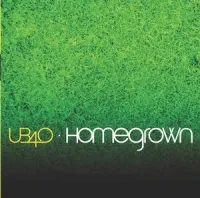
Homegrown
UB40
Digital Dancehall
1989
3
/5
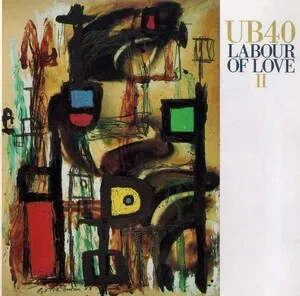
Labour of Love II
UB40
Reggae-Pop
Adult Contemporary
Reggae
1986
3
/5
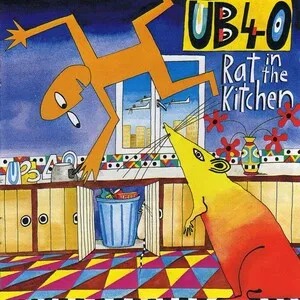
Rat in the Kitchen
UB40
Reggae-Pop
1985
4
/5
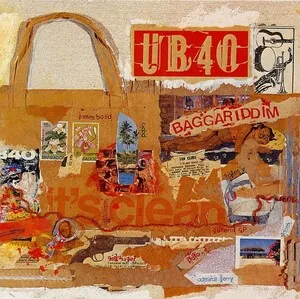
Baggariddim
UB40
Deejay
1984
3
/5
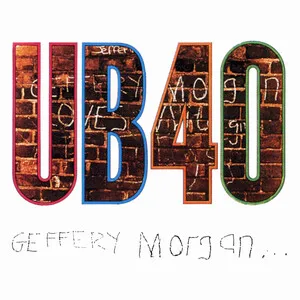
Geffery Morgan ...
UB40
Reggae-Pop
1983
4
/5
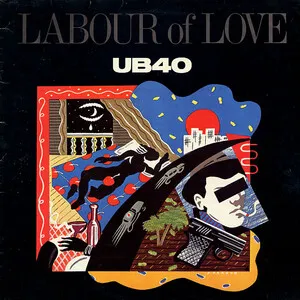
Labour of Love
UB40
Reggae-Pop
1982
2
/5
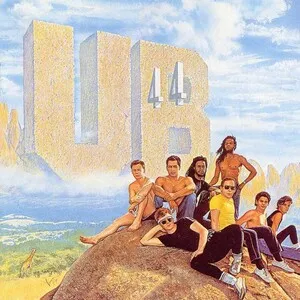
UB44
UB40
Reggae-Pop
1981
3
/5
Present Arms
UB40
Reggae-Pop
Similar artists
1
/5
Various Artists
Afro-Funk
Alternative Rock
Ambient
5
/5
Bob Marley & The Wailers
Reggae
Roots Reggae
Caribbean Music
3
/5
Jimmy Cliff
Reggae
Rocksteady
Roots Reggae
4
/5
Shaggy
Reggae
Dancehall
Pop
5
/5
Linkin Park
Alternative Metal
Nu Metal
Rap Metal
5
/5
Michael Jackson
Soul
Pop
Contemporary R&b
5
/5
Radiohead
Alternative Rock
Art Rock
Melancholia
5
/5
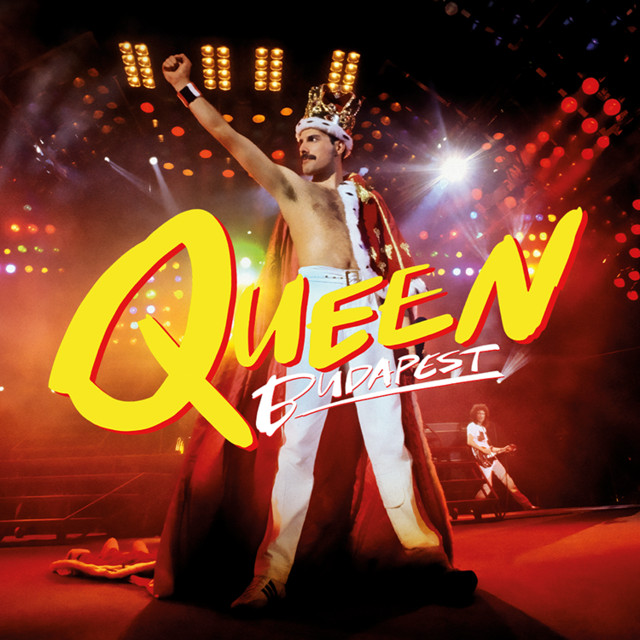
Queen
Glam Rock
Rock
Hard Rock
5
/5
Red Hot Chili Peppers
Alternative Rock
Funk Metal
Funk Rock
5
/5
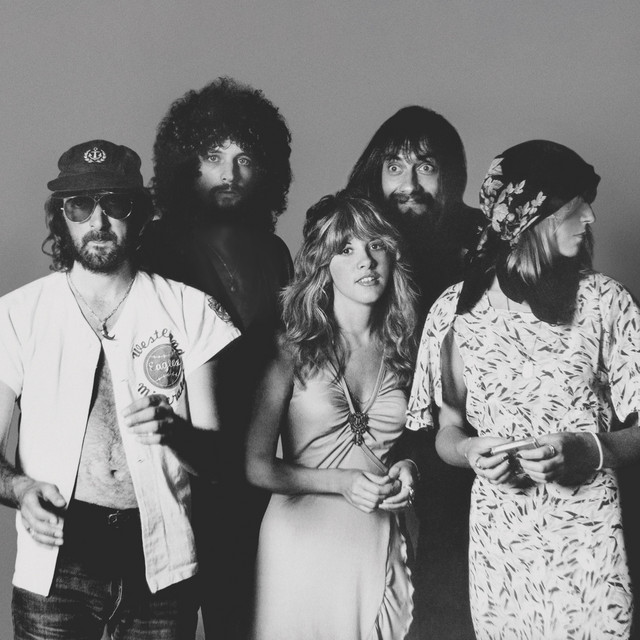
Fleetwood Mac
Rock
Soft Rock
Blues Rock
Download our mobile app
Get the Melodigging app and start digging for new genres on the go
Download on the App Store
Get it on Google Play
© 2026 Melodigging
Give feedback
Legal
Melodding was created as a tribute to
Every Noise at Once
, which inspired us to help curious minds keep digging into music's ever-evolving genres.