Genres
Artists
Albums
Make Music
Sign in
Sign in
Artists
Japanese Classical
Artists
Japanese Classical
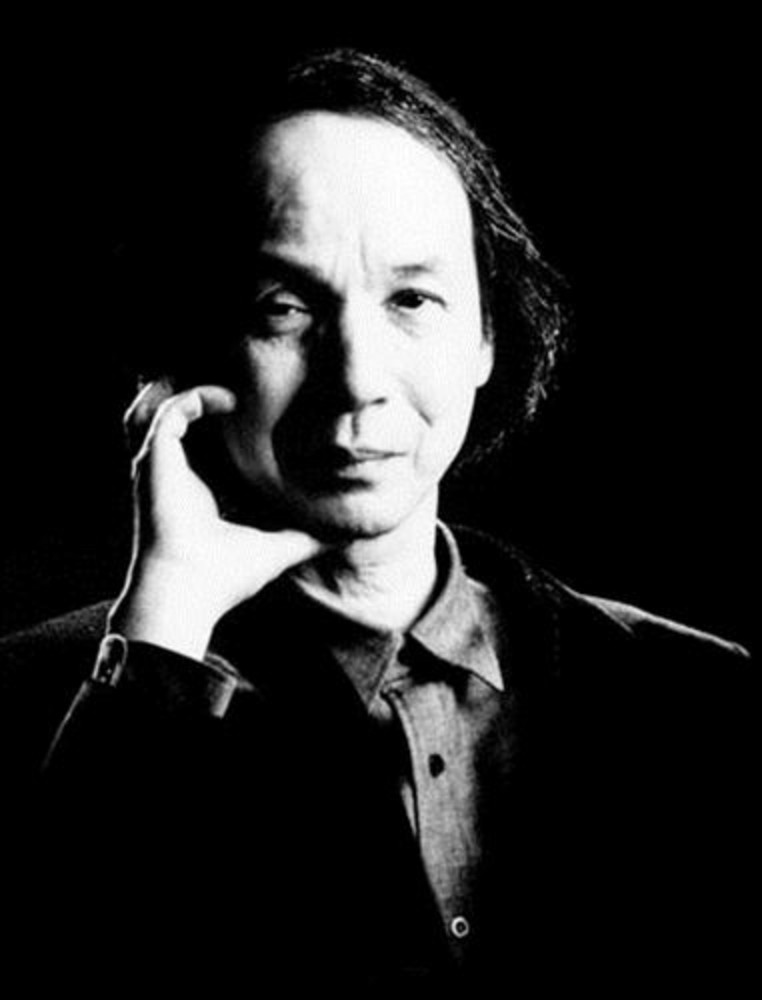
Toru Takemitsu
2003
·
1 album
Listen
2
/5
Genres
Modern Classical
Modern classical is a contemporary strand of instrumental music that applies classical composition techniques to intimate, cinematic settings. It typically foregrounds piano and strings, is sparsely orchestrated, and embraces ambience, repetition, and timbral detail. Rather than the academic modernism of the early 20th century, modern classical as used today refers to accessible, mood-driven works that sit between classical, ambient, and film music. Felt pianos, close‑miked string quartets, tape hiss, drones, soft electronics, and minimal harmonic movement are common, producing a contemplative, emotionally direct sound that translates well to headphones, streaming playlists, and screen media.
Discover
Listen
Contemporary Classical
Contemporary classical is the broad field of Western art music created after World War II. It embraces an array of aesthetics—from serialism and indeterminacy to minimalism, spectralism, electroacoustic practices, and post‑tonal lyricism—while retaining a concern for notated composition and timbral innovation. Unlike the unified styles of earlier eras, contemporary classical is pluralistic. Composers freely mix acoustic and electronic sound, expand instrumental techniques, adopt non‑Western tuning and rhythm, and explore new forms, from process-based structures to open and graphic scores. The result is a music that can be rigorously complex or radically simple, technologically experimental or intimately acoustic, yet consistently focused on extending how musical time, timbre, and form can be shaped.
Discover
Listen
Soundtrack
Soundtrack is music created to accompany and enhance visual media such as film, television, and video games. It includes original scores (instrumental or vocal music composed specifically for the picture) and, at times, curated compilations of pre-existing songs. Stylistically, soundtrack is a meta-genre that can encompass orchestral symphonic writing, jazz, electronic and synth-driven textures, choral forces, popular song, and experimental sound design. Its defining trait is functional storytelling: themes, motifs, harmony, rhythm, and timbre are shaped by narrative needs, character psychology, pacing, and editing. Common features include leitmotifs for characters or ideas, modular cues that can be edited to picture, dynamic orchestration for dramatic range, and production approaches that sit well under dialogue and sound effects. Because it must synchronize to picture, soundtrack often uses clear dramatic arcs, tempo maps, and hit points.
Discover
Listen
Avant-Garde
Avant-garde music is an umbrella term for boundary-pushing practices that challenge prevailing norms of harmony, rhythm, timbre, form, and performance. It privileges experimentation, conceptual rigor, and a willingness to reframe what counts as music at all. Historically tied to early 20th‑century artistic modernism, avant-garde music introduced atonality, the emancipation of noise, and new forms of notation and process. It embraces indeterminacy, extended techniques, electronics, spatialization, and multimedia performance, treating sound as material to be sculpted, questioned, and reinvented.
Discover
Listen
Classical Flute
Classical flute refers to the Western art‑music repertoire and performance practice centered on the transverse concert flute, from the Baroque era through the Classical, Romantic, and modern periods. The genre encompasses solo literature (sonatas, partitas, fantasies), concertos with orchestra, chamber music with strings, piano, or harp, and orchestral parts where the flute often carries lyrical lines or brilliant passagework. Stylistically, it ranges from the ornate ornamentation of the Baroque traverso to the clear, balanced phrasing of the Classical era, the expressive cantabile and coloristic writing of the Romantic period, and the expanded timbral and technical palette of the 20th and 21st centuries. Technically, the modern Boehm‑system flute (standardized in the 19th century) supports agile articulation, wide dynamic range, and extended techniques, enabling composers to treat the instrument as both a singing voice and a virtuoso vehicle.
Discover
Listen
Classical
Classical music is the notated art-music tradition of Europe and its global descendants, characterized by durable forms, carefully codified harmony and counterpoint, and a literate score-based practice. The term “classical” can refer broadly to the entire Western art-music lineage from the Medieval era to today, not just the Classical period (c. 1750s–1820s). It privileges long-form structures (such as symphonies, sonatas, concertos, masses, and operas), functional or modal harmony, thematic development, and timbral nuance across ensembles ranging from solo instruments to full orchestras and choirs. Across centuries, the style evolved from chant and modal polyphony to tonal harmony, and later to post-tonal idioms, while maintaining a shared emphasis on written notation, performance practice, and craft.
Discover
Listen
Japanese Classical
Japanese classical refers to the courtly, religious, theatrical, and chamber traditions that crystallized in Japan from the Nara and Heian periods onward. It encompasses Gagaku (imperial court music), Shinto ritual music (kagura), Buddhist chant (shōmyō), Noh and Kabuki repertories (e.g., nagauta, jōruri), and chamber music for koto, shamisen, and shakuhachi (sankyoku). The style emphasizes modal color (ryō and ritsu modes, along with later in/yo pentatonic variants), the dramatic architecture of jo–ha–kyū (slow introduction, development, swift conclusion), and the aesthetic of ma (meaningful silence/space). Textures are often heterophonic or layered, timbres are cultivated for breathy, reedy, and bell-like colors (e.g., shō, hichiriki, ryūteki), and rhythm can range from free-flowing chant to stately ceremonial cycles. The result is a contemplative yet ceremonially powerful sound world distinct from Western common-practice tonality.
Discover
Listen
Show all 7 genres
Albums
2003
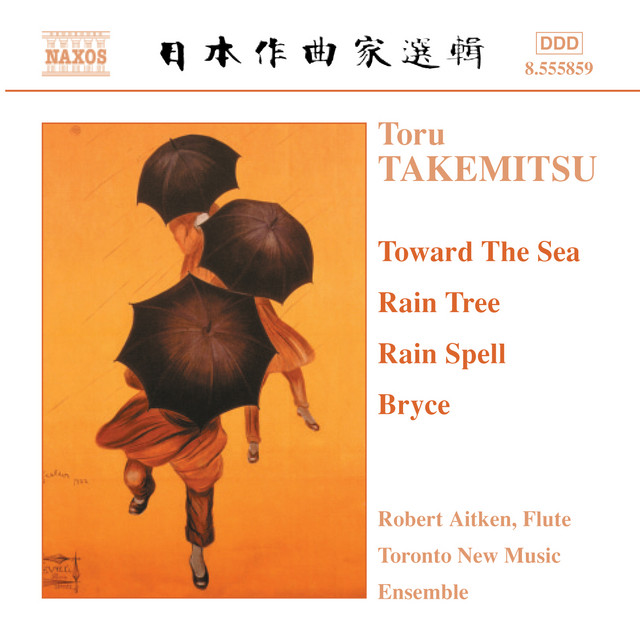
Takemitsu: Toward the Sea / Rain Tree / Rain Spell / Bryce
Toru Takemitsu
Classical Flute
Similar artists
2
/5
Ensemble Modern
Minimalism
Classical
Avant-Garde
3
/5
Akira Kosemura
Ambient
Classical
J-Ambient
3
/5
Taro Hakase
Japanese Classical
Classical
Classical Crossover
2
/5
Estonian Philharmonic Chamber Choir
Choral
Minimalism
Holy Minimalism
2
/5
Ulster Orchestra
Classical
Minimalism
Concerto
2
/5
Takashi Yoshimatsu
Neoclassicism
Japanese Classical
New Age
2
/5
Pēteris Vasks
Contemporary Classical
Japanese Classical
Minimalism
2
/5
Maki Namekawa
Contemporary Classical
Japanese Classical
Minimalism
1
/5
Aki Takahashi
Avant-Garde
Classical Piano
Japanese Classical
1
/5
Irvine Arditti
Classical
Chamber Music
Serialism
Download our mobile app
Get the Melodigging app and start digging for new genres on the go
Download on the App Store
Get it on Google Play
© 2026 Melodigging
Give feedback
Legal
Melodding was created as a tribute to
Every Noise at Once
, which inspired us to help curious minds keep digging into music's ever-evolving genres.