Genres
Artists
Albums
Make Music
Sign in
Sign in
Artists
Americana
Artists
Americana
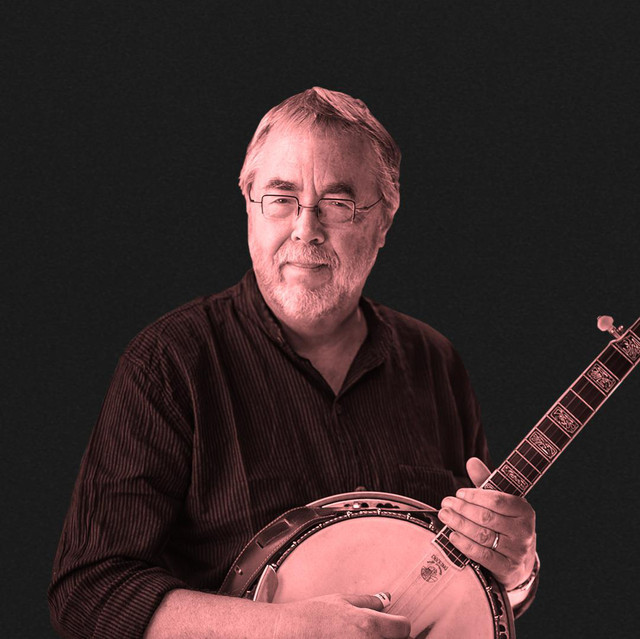
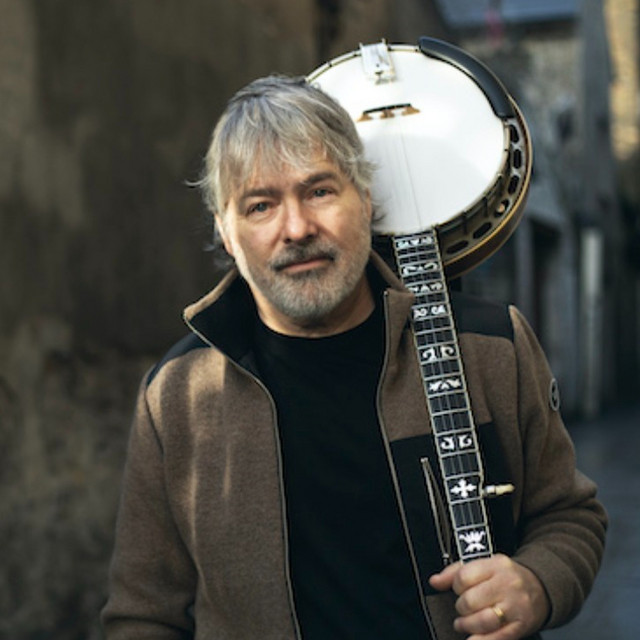
Tony Trischka
1992
·
1 album
Listen
2
/5
Genres
Southern Americana
Southern Americana is a regional strain of Americana rooted in the musical vernacular of the U.S. South. It blends songwriting-first aesthetics with the organic textures of country, folk, and blues, and the swagger of Southern rock. Typical recordings feature warm, lived‑in tones: Telecasters and acoustic guitars alongside pedal steel, Hammond organ, fiddle, mandolin, and harmony vocals. Lyrically it is grounded in place—small towns, highways, kudzu, pine line horizons—and in the South’s complicated histories of faith, work, love, and loss. The groove ranges from back‑porch shuffles and waltzes to swampy, slow‑burn rhythms, keeping the focus on stories and melody rather than studio gloss.
Discover
Listen
Americana
Americana is a contemporary umbrella term for U.S. roots music that blends folk, country, blues, bluegrass, gospel, and roots rock into a songwriter-centered, largely acoustic-leaning sound. Hallmarks include story-driven lyrics; warm, organic production; and traditional instrumentation such as acoustic guitar, mandolin, banjo, fiddle, harmonica, pedal steel, upright or electric bass, and restrained drums. Rhythms often draw on the train beat, shuffles, two-step, waltz time, and relaxed backbeats. Harmonically it favors diatonic progressions (I–IV–V, I–vi–IV–V), modal tinges (Mixolydian), and close vocal harmonies. Rather than a rigid style, Americana functions as a bridge among related roots traditions, emphasizing authenticity, regional imagery, and narrative songwriting over genre flashiness.
Discover
Listen
Newgrass
Newgrass (often synonymous with progressive bluegrass) is a modern, exploratory branch of bluegrass that blends the acoustic virtuosity and ensemble interplay of traditional bluegrass with the harmony, rhythm, and songcraft of rock, folk, and jazz. Typical newgrass ensembles keep the bluegrass core—mandolin, banjo, fiddle, acoustic guitar, and bass—while freely adding Dobro, percussion/drum set, piano, and occasional electric instruments. The style favors extended solos, odd meters, sophisticated harmonies, and reinterpretations of non-bluegrass repertoire alongside original songwriting. The spirit of newgrass is adventurous and improvisational: players stretch traditional forms, use complex chord colors and modal harmony, and treat arrangements as living frameworks for creative interplay.
Discover
Listen
Progressive Bluegrass
Progressive bluegrass (often nicknamed “newgrass”) is a modernized branch of bluegrass that expands the music’s traditional acoustic palette with wider harmonic language, flexible song forms, and improvisation drawn from jazz, folk, rock, and contemporary country. While it preserves the high-energy drive, instrumental virtuosity, and acoustic instrumentation of classic bluegrass, progressive bluegrass is more open to non-traditional repertoire, extended solos, complex arrangements, and rhythmic experimentation (including odd meters and groove shifts). It frequently adapts songs from outside the bluegrass canon and emphasizes ensemble interplay, dynamic contrasts, and exploratory soloing.
Discover
Listen
Bluegrass
Bluegrass is a style of American roots music that coalesced in the Appalachian region in the 1940s around Bill Monroe and his Blue Grass Boys. It is defined by all‑acoustic instrumentation (typically fiddle, mandolin, 5‑string banjo, guitar, and upright bass, with dobro often added), virtuosic ensemble interplay, and a distinctive “high lonesome” lead vocal timbre supported by tight three‑part harmonies. Musically, bluegrass fuses African American blues and jazz phrasing with Anglo‑Celtic ballads and dance tunes. Hallmarks include driving tempos, syncopated 3‑finger banjo rolls (popularized by Earl Scruggs), off‑beat mandolin “chop” backbeats, boom‑chuck guitar rhythm, two‑beat bass, and alternating instrumental “breaks.” Repertoires mix breakdowns and fiddle tunes with narrative ballads, gospel numbers, and contemporary songwriter material.
Discover
Listen
Instrumental Bluegrass
Instrumental bluegrass is the all-instrument form of bluegrass that foregrounds virtuosic picking, tight ensemble interplay, and fiddle‑tune melody craft without lead vocals. Built on banjo rolls, flatpicked guitar lines, mandolin tremolo and "chop" backbeats, sawing fiddles, resonator (dobro) slides, and an unshakeable 1–5 upright‑bass pulse, it prizes clarity, speed, and melodic variation. Typical repertoire includes breakdowns, rags, reels, hornpipes, and waltzes—often in AABB forms—at tempos from medium lilt to blistering. Improvisation is central: players trade “breaks” and develop chorus‑by‑chorus variations that stay tethered to the tune’s core melody, drawing on pentatonic, Mixolydian, and blues inflections over simple I–IV–V harmony.
Discover
Listen
Folk
Folk is a song-centered acoustic tradition rooted in community storytelling, everyday life, and social history. It emphasizes clear melodies, simple harmonies, and lyrics that foreground narrative, protest, and personal testimony. As a modern recorded genre, folk coalesced in the early-to-mid 20th century in the United States out of older ballad, work song, and rural dance traditions. It typically features acoustic instruments (guitar, banjo, fiddle, mandolin, harmonica), strophic song forms, and participatory singing (choruses, call-and-response).
Discover
Listen
Country
Country is a roots-based popular music from the rural American South that blends Anglo-Celtic ballad traditions with African American blues, gospel, and string-band dance music. It is characterized by narrative songwriting, plainspoken vocals with regional twang, and a palette of acoustic and electric instruments such as acoustic guitar, fiddle, banjo, pedal steel, and telecaster guitar. Rhythmically it favors two-step feels, train beats, shuffles, and waltzes, while harmony is largely diatonic (I–IV–V) with occasional country chromaticism and secondary dominants. Across a century, country has evolved through substyles like honky-tonk, the Nashville and Bakersfield sounds, outlaw country, neotraditionalist revivals, pop-country, and country-rap hybrids, but it consistently prioritizes storytelling about everyday life, love, work, faith, place, and identity.
Discover
Listen
Show all 8 genres
Albums
1992
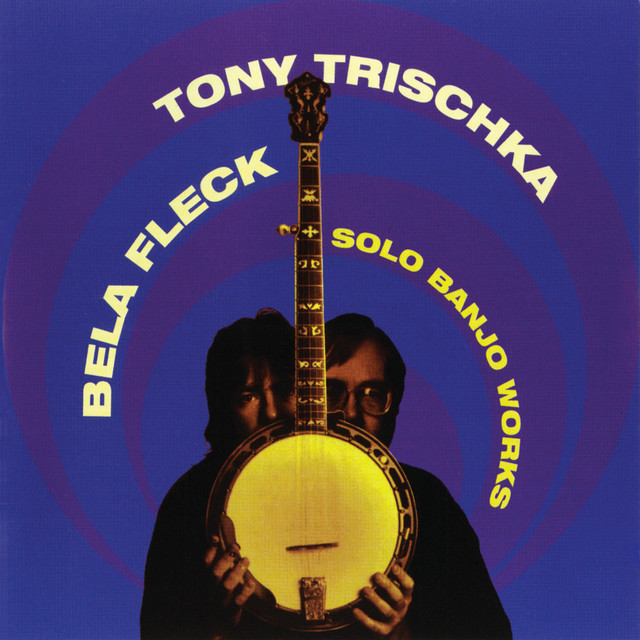
Solo Banjo Works
Béla Fleck, Tony Trischka
Instrumental Bluegrass
Similar artists
3
/5
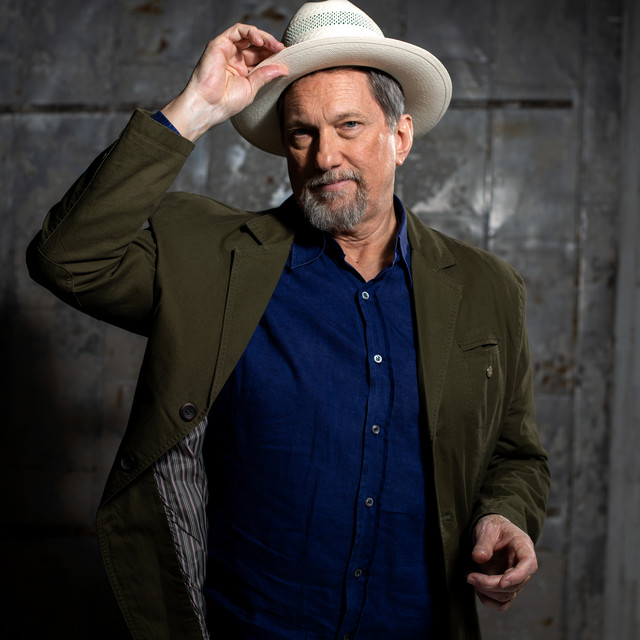
Jerry Douglas
Bluegrass
Newgrass
Progressive Bluegrass
3
/5
Béla Fleck
Bluegrass
Americana
Newgrass
2
/5
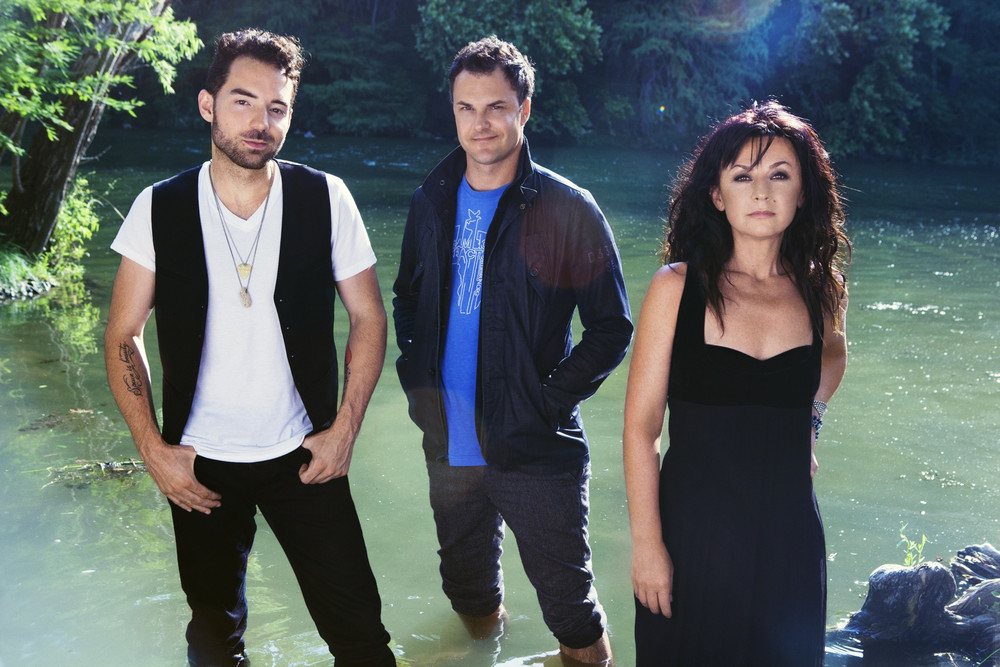
The Greencards
Americana
Bluegrass
Newgrass
4
/5
Sturgill Simpson
Newgrass
Bluegrass
Country
4
/5
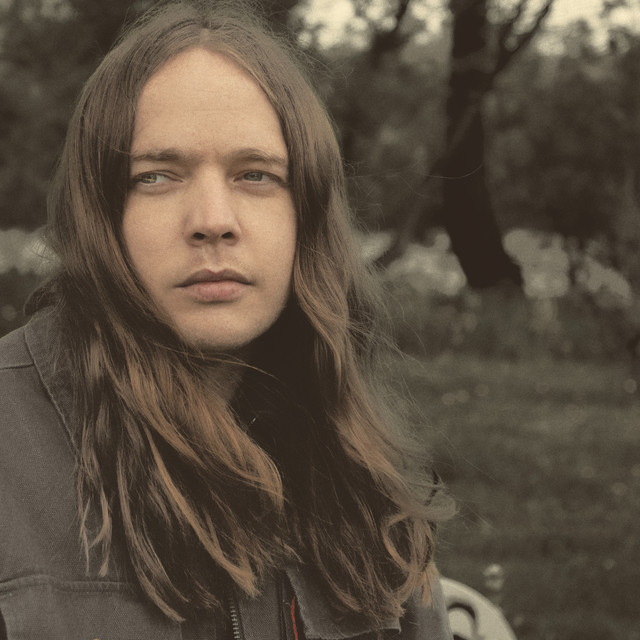
Billy Strings
Jamgrass
Bluegrass
Progressive Bluegrass
4
/5
Watchhouse
Progressive Bluegrass
Newgrass
Bluegrass
3
/5
Trampled by Turtles
Progressive Bluegrass
Bluegrass
Newgrass
3
/5
Old Crow Medicine Show
Bluegrass
Folk
Old-Time
3
/5
Doc Watson
Appalachian Folk
Bluegrass
Folk
3
/5
Molly Tuttle
Americana
Bluegrass
Progressive Bluegrass
Download our mobile app
Get the Melodigging app and start digging for new genres on the go
Download on the App Store
Get it on Google Play
© 2026 Melodigging
Give feedback
Legal
Melodding was created as a tribute to
Every Noise at Once
, which inspired us to help curious minds keep digging into music's ever-evolving genres.