Genres
Artists
Albums
Make Music
Sign in
Sign in
Artists
Classical Oboe
Artists
Classical Oboe
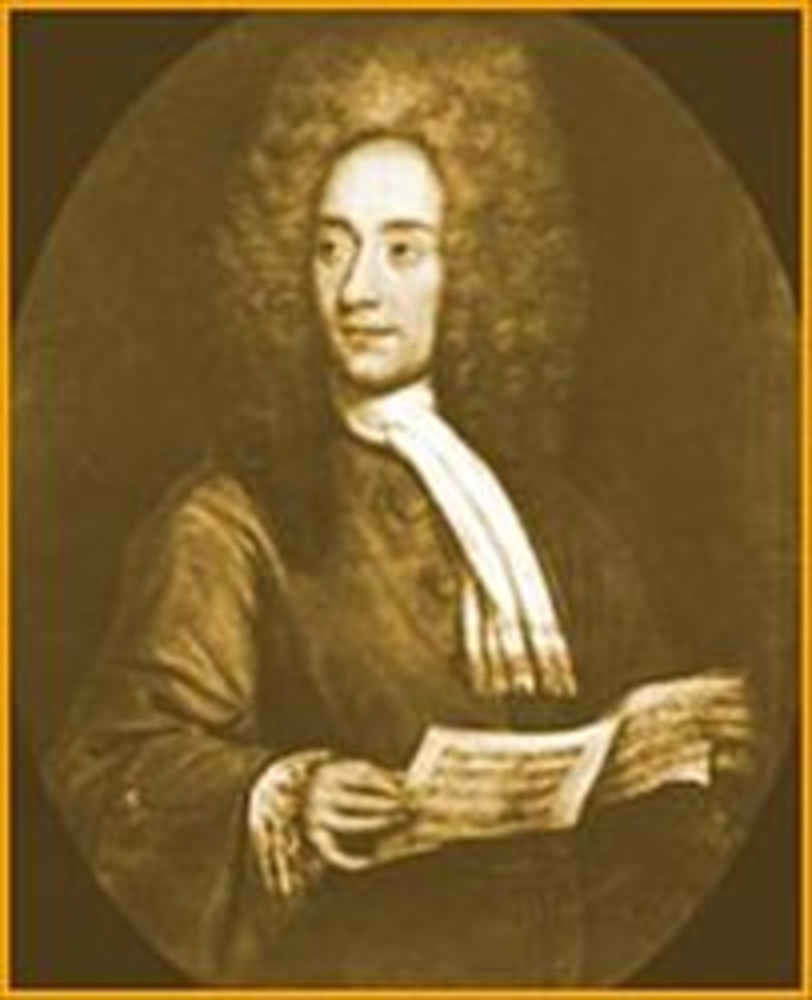
Tomaso Albinoni
1993–2009
·
3 albums
Listen
3
/5
Genres
Calming Instrumental
Calming instrumental is a contemporary, playlist-driven style of unobtrusive, slow-paced music designed to reduce stress, encourage focus, and aid sleep. It typically favors soft piano, gentle strings, warm pads, light acoustic guitar, and sparse textures over overt rhythms or showy melodies. Rooted in the ambient and new-age movements of the late 20th century, the genre distinguishes itself by prioritizing physiological ease (lowered heart rate, steadier breathing) and functional listening. Tracks often feature long reverbs, gradual dynamics, consonant harmonies, and very slow harmonic rhythm, making them suitable for study, mindfulness, and bedtime routines.
Discover
Listen
Huzunlu Sarkilar
Hüzünlü şarkılar (literally “melancholy/sorrowful songs”) is a contemporary Turkish micro‑scene and streaming tag that gathers slow to mid‑tempo, emotive songs spanning indie, alternative rock, pop ballads, and modern echoes of arabesk. The style is unified less by strict form than by feeling: minor or modal harmony (often with Turkish makam color), intimate vocals, and lyrics steeped in longing (gurbet), heartbreak, and the culturally resonant idea of hüzün. Arrangements typically blend acoustic guitars, piano, soft synth pads, string lines, and occasionally bağlama, with restrained percussion and reverberant spaces. The result is a wistful, atmospheric sound that sits between classic Turkish balladry and modern indie aesthetics.
Discover
Listen
Classical Oboe
Classical oboe refers to Western art‑music written for, or prominently featuring, the oboe and its close relatives (oboe d’amore, English horn/cor anglais). Emerging from the Baroque era after the shawm evolved into the hautbois in France, the oboe became a primary color in orchestral, chamber, and concerto settings. Its timbre is penetrating yet lyrical—capable of pastoral sweetness and plaintive melancholy—and it often carries cantabile melodies in symphonies, concertos, sonatas, and chamber works. The repertoire spans solo concertos and sonatas, obbligato arias in opera and sacred music, woodwind quintets, and modern solo/ensemble works, with idioms and techniques that changed across Baroque, Classical, Romantic, and contemporary styles.
Discover
Listen
Baroque
Baroque is a period and style of Western art music spanning roughly 1600–1750. It is characterized by the birth of functional tonality, the widespread use of basso continuo (figured bass), and a love of contrast—between soloist and ensemble, loud and soft, and different timbres. Hallmark genres and forms of the era include opera, cantata, oratorio, concerto (especially the concerto grosso), dance suite, sonata, and fugue. Textures range from expressive monody to intricate counterpoint, and melodies are richly ornamented with trills, mordents, and appoggiaturas. Baroque music flourished in churches, courts, and theaters across Europe, with regional styles (Italian, French, German, English) shaping distinctive approaches to rhythm, dance, harmony, and ornamentation.
Discover
Listen
Opera
Opera is a large-scale theatrical genre that combines music, drama, and visual spectacle, in which the story is primarily conveyed through singing accompanied by an orchestra. It unites solo voices, ensembles, and chorus with staging, costumes, and often dance to create a total artwork. Emerging in late Renaissance Italy and flourishing in the Baroque era, opera developed signature forms such as recitative (speech-like singing that advances the plot) and aria (lyrical numbers that explore character and emotion). Over the centuries it evolved diverse national styles—Italian bel canto, French grand opéra, German music drama—while continually experimenting with orchestration, harmony, narrative structure, and stagecraft.
Discover
Listen
Classical
Classical music is the notated art-music tradition of Europe and its global descendants, characterized by durable forms, carefully codified harmony and counterpoint, and a literate score-based practice. The term “classical” can refer broadly to the entire Western art-music lineage from the Medieval era to today, not just the Classical period (c. 1750s–1820s). It privileges long-form structures (such as symphonies, sonatas, concertos, masses, and operas), functional or modal harmony, thematic development, and timbral nuance across ensembles ranging from solo instruments to full orchestras and choirs. Across centuries, the style evolved from chant and modal polyphony to tonal harmony, and later to post-tonal idioms, while maintaining a shared emphasis on written notation, performance practice, and craft.
Discover
Listen
Albums
2009
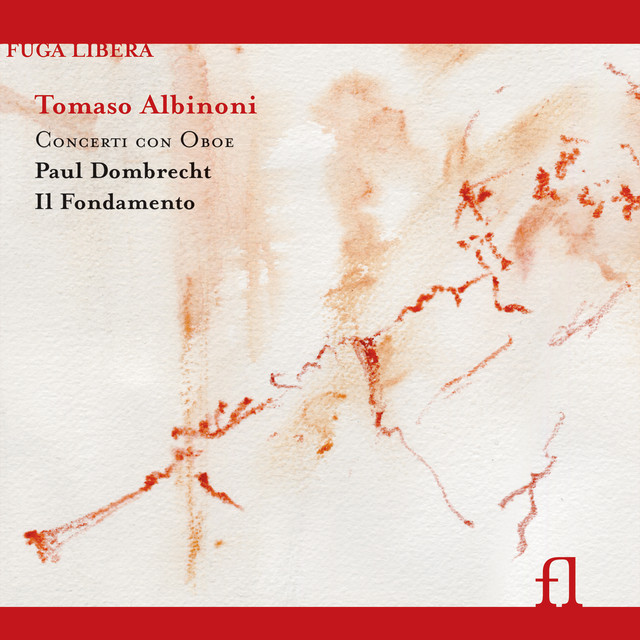
Albinoni: Concerti con oboe
Tomaso Albinoni, Paul Dombrecht, Il Fondamento
Classical Oboe
1999
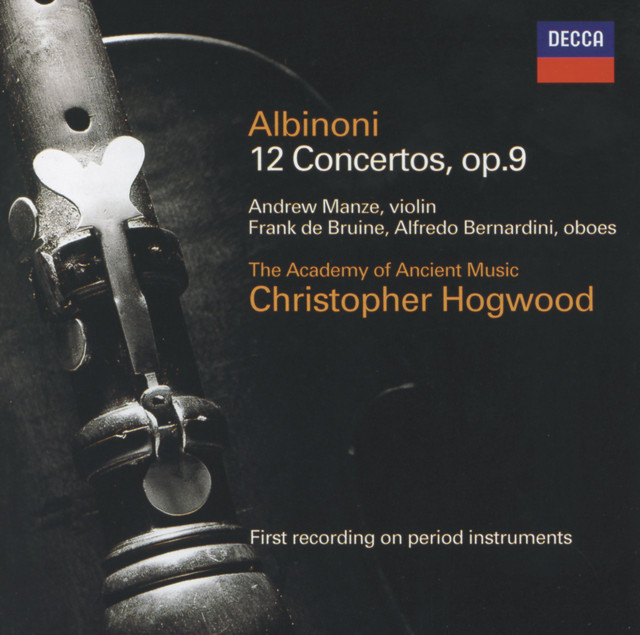
Albinoni: Concertos Op.9 Nos.1-12
Tomaso Albinoni, Andrew Manze, Frank de Bruine, Fritz Kneusslin, Alfredo Bernar…
Classical Oboe
1993
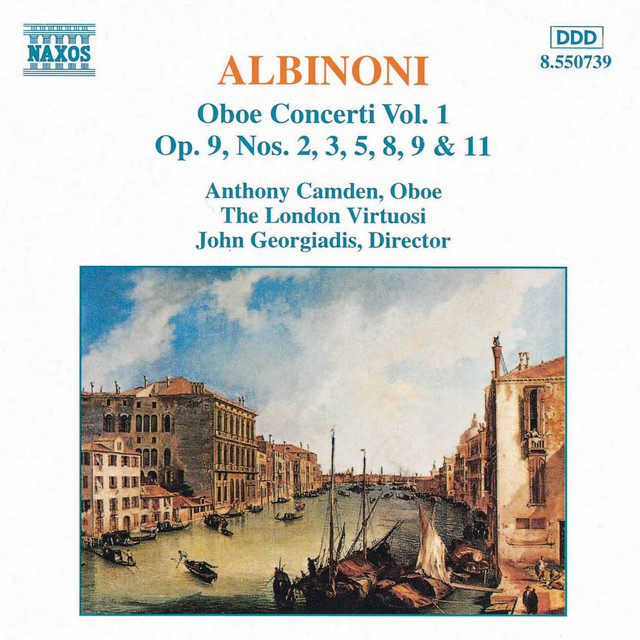
Albinoni: Oboe Concertos, Vol. 1
Tomaso Albinoni, Anthony Camden, John Georgiadis
Classical Oboe
Similar artists
5
/5
Hans Zimmer
Country Dawn
Soundtrack
Classical
4
/5
Joe Hisaishi
Anime
Classical
Electronic
4
/5
Antonio Vivaldi
Baroque
Classical
Opera Seria
4
/5
George Frideric Handel
Classical
Opera Seria
Baroque
4
/5
English Chamber Orchestra
Classical
Baroque
Chamber Music
3
/5
John Eliot Gardiner
Classical
Choral
Requiem
3
/5
Academy of Ancient Music
Classical
Baroque
Concerto
3
/5
Riccardo Muti
Classical
Opera
Symphony
3
/5
Jean-Philippe Rameau
Classical
Opera-Ballet
Tragédie En Musique
3
/5
English Baroque Soloists
Classical
Choral
Requiem
Download our mobile app
Get the Melodigging app and start digging for new genres on the go
Download on the App Store
Get it on Google Play
© 2026 Melodigging
Give feedback
Legal
Melodding was created as a tribute to
Every Noise at Once
, which inspired us to help curious minds keep digging into music's ever-evolving genres.