Genres
Artists
Albums
Make Music
Sign in
Sign in
Artists
C86
Artists
C86
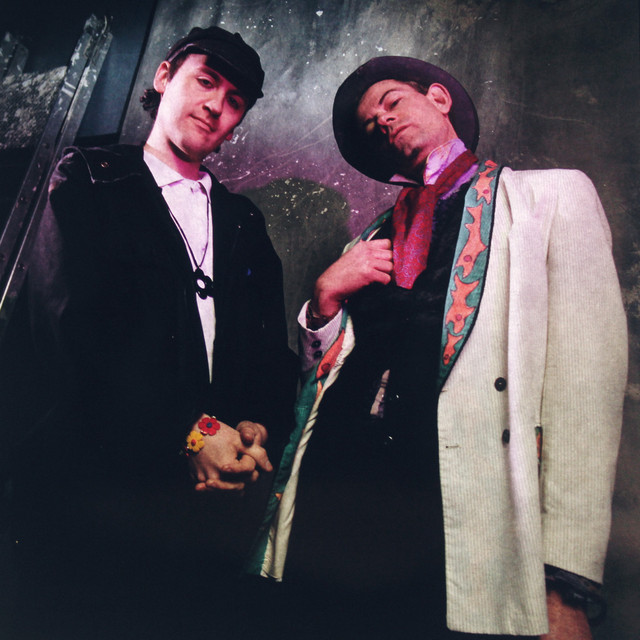
The Wild Swans
1988
·
1 album
Listen
2
/5
Genres
C86
C86 is a British indie-pop movement named after the 1986 cassette compilation issued by the NME. It crystallized a jangly, DIY guitar-pop sound that blended the energy and independence of punk with 1960s melodicism and a fanzine-driven underground culture. Musically it is characterized by bright, trebly rhythm guitars, simple but hooky chord sequences, brisk tempos, and earnest, often boy/girl lead vocals. Production tends to be raw or homespun, with a charmingly unpolished feel that highlights immediacy over perfection. Lyrically, C86 favors wit, romance, awkwardness, and everyday detail—sometimes sweet, sometimes sardonic—delivered with an infectious, handclap-and-tambourine bounce. Beyond sound, C86 stands for an ethos: independent labels and shops, Peel Sessions, zines, and grassroots gigs. It provided a template for later waves of twee pop, noise pop, and lo‑fi indie scenes across the UK and far beyond.
Discover
Listen
Jangle Pop
Jangle pop is a guitar-centered style of pop and rock defined by bright, chiming tones—often from a 12‑string electric (famously the Rickenbacker)—playing arpeggiated or open‑chord figures with minimal distortion. The sound emphasizes treble clarity, shimmering sustain, and tight compression, creating a sparkling texture that carries melodic hooks. Rhythm sections are typically crisp and supportive rather than aggressive, with steady mid‑tempo grooves and melodic bass counter‑lines. Vocals tend to be tuneful and understated, frequently with close harmonies. Lyrically, jangle pop pairs catchy, concise songwriting with wistful, romantic, and nostalgic themes. The style draws on 1960s guitar pop and folk rock traditions while channeling the DIY ethos of 1980s indie scenes.
Discover
Listen
Deep New Wave
Deep new wave is a curatorial term for the darker, more textural end of early-1980s new wave. It emphasizes moody synths, chorus-laden guitars, and sleek, disciplined rhythms over radio-friendly gloss. Sitting between post-punk austerity and synth-pop melodicism, it favors minor-key harmonies, arpeggiated synth patterns, and baritone-to-tenor vocals that deliver themes of modern alienation, nocturnal city life, introspection, and romantic detachment. Production typically features drum machines, gated reverb, bright chorus effects, and spacious delays, yielding a cinematic, chrome-lit atmosphere that feels both melancholic and danceable.
Discover
Listen
Sophisti-Pop
Sophisti-pop is a sleek, jazz-tinged strain of 1980s pop distinguished by refined songwriting, urbane imagery, and studio polish. It blends new wave and synth-pop’s contemporary sheen with the harmonic language of jazz and the warmth of soul and blue‑eyed soul. Typical hallmarks include lush electric pianos and synths, tasteful saxophone and horn parts, clean DI bass, crisp yet understated drums, and smooth, intimate vocals. Harmonically, it favors extended chords (maj7, 9ths, 11ths), chromatic voice-leading, and sophisticated modulations, while maintaining strong hooks and radio-friendly song forms. Lyrically, sophisti-pop often evokes cosmopolitan life—nighttime cityscapes, romance, bittersweet reflection—delivered with elegance rather than excess. The result is music that feels chic, romantic, and effortlessly cool.
Discover
Listen
New Wave
New wave is a broad, pop-oriented umbrella for styles that emerged in the mid-to-late 1970s as a sleeker, more melodic outgrowth of punk culture. Initially, the term varied by region: in the United States it was first used by critics and labels (famously Sire Records’ “Don’t Call It Punk” campaign in 1977) to rebrand punk-associated artists with more radio-friendly aesthetics; in the United Kingdom it encompassed a wider constellation of fresh, stylish post-punk-era sounds. Over time, “new wave” became a catch‑all for hooky guitar pop, synth-driven songs, danceable rhythms, and modernist production sensibilities. Sonically, it blends tight, upbeat rhythms (often disco- and reggae-informed), clean chorus/flanger guitars, prominent synthesizers, and concise, hook-led songwriting. Its visual identity—sharp suits, futurist imagery, and fashion-forward presentation—was integral, aligning with the rise of music television and emphasizing art-school wit, irony, and modern urban themes.
Discover
Listen
Post-Punk
Post-punk is a broadly experimental strain of rock that emerged in the late 1970s as artists sought to push beyond the speed, simplicity, and orthodoxy of first-wave punk. It typically features angular, bass-forward grooves; jagged or minimal guitar lines; stark, spacious production; and an openness to dub, funk, electronic, and avant-garde ideas. Lyrics often examine alienation, urban decay, politics, and the inner life with artful or abstract delivery. A studio-as-instrument approach, emphasis on rhythm section interplay, and an appetite for non-rock textures (tape effects, drum machines, found sound, synths) distinguish the style. The result can be danceable yet tense, cerebral yet visceral, and emotionally restrained yet intensely expressive.
Discover
Listen
Albums
1988
3
/5
Bringing Home The Ashes
The Wild Swans
Deep New Wave
C86
Similar artists
1
/5
Various Artists
Afro-Funk
Alternative Rock
Ambient
2
/5
Felt
C86
Tape Club
Jangle Pop
2
/5
Half Man Half Biscuit
C86
Post-Punk
Rock
2
/5
The Mighty Lemon Drops
C86
Jangle Pop
Neo-Psychedelia
3
/5
The Go-Betweens
Dunedin Sound
Jangle Pop
C86
3
/5
XTC
New Wave
Post-Punk
Rock
3
/5
The Church
Jangle Pop
Neo-Psychedelia
Dream Pop
2
/5
Orange Juice
Jangle Pop
New Wave
Post-Punk
2
/5
Pylon
Jangle Pop
New Wave
Post-Punk
2
/5
Television Personalities
Tape Club
C86
Jangle Pop
Download our mobile app
Get the Melodigging app and start digging for new genres on the go
Download on the App Store
Get it on Google Play
© 2026 Melodigging
Give feedback
Legal
Melodding was created as a tribute to
Every Noise at Once
, which inspired us to help curious minds keep digging into music's ever-evolving genres.