Genres
Artists
Albums
Make Music
Sign in
Sign in
Artists
Mathcore
Artists
Mathcore
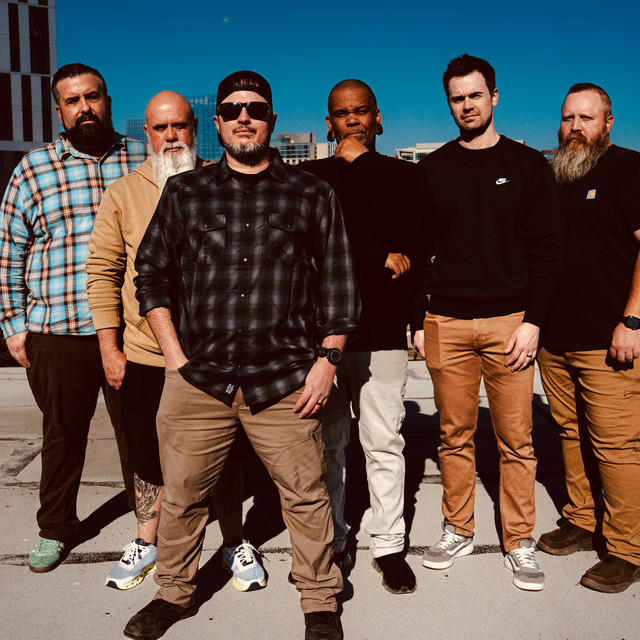
The Tony Danza Tapdance Extravaganza
2010–2012
·
2 albums
Listen
2
/5
Genres
Slamming Deathcore
Slamming deathcore is an especially heavy, groove-focused branch of deathcore that fuses the massive, "caveman" slam riffs of brutal/slam death metal with the breakdown-driven structures of metalcore. It emphasizes ultra‑low guitar tunings, tectonic half‑time "slams," rapid alternation with blasts, and extremely guttural vocals (pig squeals, tunnel growls, and inhales/exhales). Modern productions often add sub‑bass drops, tightly edited drums, and layered vocal effects for maximum impact. Lyrical themes tend toward horror, cosmic or apocalyptic imagery, and exaggerated brutality, though some bands bring sci‑fi or mythological concepts into the mix. The resulting sound is relentlessly percussive, groove‑centric, and built for mosh‑inducing impact.
Discover
Listen
Downtempo Deathcore
Downtempo deathcore is an ultra-slow, hyper-heavy offshoot of deathcore that emphasizes crushing, half-time breakdowns, extreme low tunings, and bleak atmosphere. Instead of constant blast beats or fast tremolo, the style prioritizes spacious, syncopated chugs, sub‑drops, and long rests that make each hit feel catastrophic. Vocals typically lean on deep false‑cord gutturals, tunnel growls, and occasional pig squeals, with lyrical themes centered on nihilism, violence, despair, and street‑level realism. Production often layers 808 subs with kick drums, brickwall‑limited guitars, and sharp china/splash accents to maximize impact. Sparse dissonant leads, samples, and cinematic swells are used to deepen the ominous mood, while the groove remains slow, simple, and tactically punishing.
Discover
Listen
Djent
Djent is a substyle of progressive metal defined by ultra-tight, low‑tuned, palm‑muted guitar riffs that create a percussive, onomatopoeic "djent" sound. It favors extended‑range instruments (7–9 strings), precise rhythmic subdivision, and a highly articulate, modern production aesthetic. Sonically, djent emphasizes polyrhythms, syncopation, and metric modulation, often pairing dense, chugging grooves with ambient clean guitars, spacious synth pads, and melodic choruses. Vocals range from harsh screams and growls to soaring cleans, while drums and bass lock tightly to the rhythmic grid, accenting the guitar’s staccato patterns. Although the term took off online in the late 2000s, the core rhythmic and timbral blueprint traces to the 1990s work of Swedish band Meshuggah.
Discover
Listen
Mathcore
Mathcore is an extreme offshoot of metalcore and hardcore punk characterized by rapid-fire shifts in meter, tempo, and texture. It emphasizes dissonant, angular riffing; complex, polymetric drum patterns; and whirlwind song structures that often feel deliberately chaotic. The genre fuses the precision and rhythmic gamesmanship of math rock with the aggression of hardcore and the density of extreme metal. Songs routinely feature sudden stops, blast beats, start–stop riffing, odd time signatures, and atonal or chromatic harmonies, producing a sound that is tense, volatile, and cathartic.
Discover
Listen
Metalcore
Metalcore is a fusion of hardcore punk’s urgency and ethos with heavy metal’s riff language and technicality. It is defined by tightly palm‑muted riffs, rapid double‑kick drumming, and frequent breakdowns—rhythmic, syncopated passages written to accentuate impact and crowd movement. Vocals typically alternate between harsh screams or growls and, in many bands, soaring clean choruses—a contrast that emphasizes both aggression and catharsis. Harmony and melody often borrow from melodic death metal, yielding minor‑key leads, harmonized guitars, and hook‑driven refrains. Modern production favors precise editing, dense guitar layering, and punchy drum sounds that keep complex rhythms clear at high intensity.
Discover
Listen
Hardcore
Hardcore (often called hardcore techno in its early form) is a fast, aggressive branch of electronic dance music characterized by heavily distorted, punchy 4/4 kick drums, tempos ranging from roughly 160 to well over 200 BPM, and a dark, high‑energy aesthetic. It emphasizes percussive drive over complex harmony, using clipped and saturated kick-bass sound design, sharp hi-hats, claps on the backbeat, and harsh synth stabs or screeches. Vocals, when present, are typically shouted hooks, sampled movie lines, or crowd chants processed with distortion and effects. Originating in the Netherlands in the early 1990s, the style quickly splintered into related scenes and subgenres such as gabber, happy hardcore, Frenchcore, terrorcore, speedcore, and later hardstyle. Its culture is closely associated with large-scale raves, specialized labels, and distinctive visual branding.
Discover
Listen
American Grindcore
American grindcore is the United States’ take on the ultra-fast, ultra-abrasive fusion of hardcore punk and extreme metal. It emphasizes blast‑beat drumming, down‑tuned and highly distorted guitars, and a mix of guttural growls, high‑pitched screams, and barked shouts. Songs are famously short—often under a minute—packing multiple riffs, tempo shifts (from blast-beat barrages to D‑beat breaks), and sudden stops into miniature explosions of intensity. Compared with its UK forebears, the American branch often leans more heavily into death‑metal precision, technical riffing, and tight production while retaining punk’s confrontational immediacy. Lyrically, American grindcore ranges from political and social critique to bleak nihilism, absurdist humor, and splatter/gore imagery. Strong local scenes formed in places like Southern California, the American Northeast, the Mid‑Atlantic, Florida, and the Midwest, tied together through DIY venues, tape trading, and later, independent labels and online communities.
Discover
Listen
Death Metal
Death metal is an extreme subgenre of heavy metal defined by heavily distorted, low‑tuned guitars, rapid and complex riffing, blast beat drumming, and harsh guttural vocals. Its harmonic language favors chromaticism, dissonance, and tremolo-picked lines that create an ominous, abrasive atmosphere. Lyrically, death metal often explores dark or transgressive themes—mortality, mythology, anti-religion, psychological horror, and the macabre—sometimes with philosophical or social commentary. Production ranges from raw and cavernous to hyper-precise and technical, reflecting the genre’s many regional scenes and substyles. From the mid‑1980s Florida scene (Tampa) and parallel developments in the US, UK, and Sweden, death metal evolved into numerous branches including brutal death metal, technical death metal, melodic death metal, and death‑doom, each emphasizing different aspects of speed, complexity, melody, or heaviness.
Discover
Listen
Grindcore
Grindcore is an extremely fast, abrasive fusion of hardcore punk and extreme metal characterized by blast-beat drumming, highly distorted down-tuned guitars, and a mix of guttural growls and high-pitched screams. Songs are typically very short—often under two minutes and sometimes just seconds—favoring intensity over traditional verse–chorus structures. Lyrically, grindcore spans politically charged and socially conscious themes (war, capitalism, animal rights) as well as gore and body horror (particularly in goregrind). Production ranges from raw, live-in-the-room ferocity to tight, modern clarity. The style is defined by relentless speed, dissonant or chromatic riffing, and sudden start–stop shifts that create a feeling of controlled chaos.
Discover
Listen
Noisecore
Noisecore is an extreme offshoot of hardcore punk that fuses the speed and abrasion of punk with the sonic demolition of noise rock. It is defined by chaotic song structures, extremely short track lengths (often just seconds), screamed or unintelligible vocals, heavy feedback and distortion, blast‑beat drumming, and noise-saturated textures. Many recordings embrace lo‑fi aesthetics, clipping, and intentional "anti-production," reflecting a conscious rejection of formal musical theory and conventional songcraft. While closely related to grindcore, noisecore tends to be even more amorphous and riff‑less, prioritizing raw texture, saturation, and impact over groove or metal riffing. It arose in underground tape-trading scenes and DIY venues, where immediacy, provocation, and extremity were the point.
Discover
Listen
Rock
Rock is a broad family of popular music centered on amplified instruments, a strong backbeat, and song forms that foreground riffs, choruses, and anthemic hooks. Emerging from mid‑20th‑century American styles like rhythm & blues, country, and gospel-inflected rock and roll, rock quickly expanded in scope—absorbing folk, blues, and psychedelic ideas—while shaping global youth culture. Core sonic markers include electric guitar (often overdriven), electric bass, drum kit emphasizing beats 2 and 4, and emotive lead vocals. Rock songs commonly use verse–chorus structures, blues-derived harmony, and memorable melodic motifs, ranging from intimate ballads to high‑energy, stadium‑sized performances.
Discover
Listen
Show all 11 genres
Albums
2012
3
/5
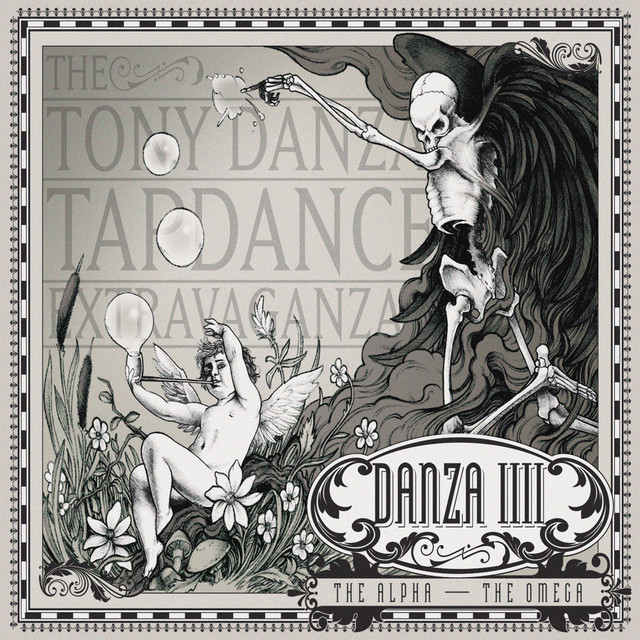
Danza IIII: The Alpha – The Omega
The Tony Danza Tapdance Extravaganza
American Grindcore
Djent
Mathcore
2010
2
/5
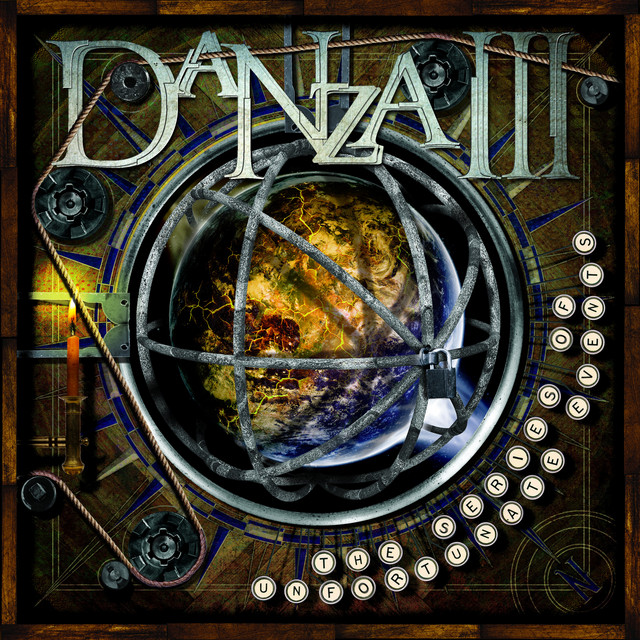
Danza 3: The Series of Unfortunate Events
The Tony Danza Tapdance Extravaganza
American Grindcore
Death Metal
Mathcore
Similar artists
3
/5
Pig Destroyer
American Grindcore
Grindcore
Rock
2
/5
The Red Chord
Technical Deathcore
Deathcore
Grindcore
4
/5
Architects
Progressive Metalcore
Mathcore
Metal
3
/5
Periphery
Progressive Metal
Djent
Progressive Metalcore
3
/5
Every Time I Die
Mathcore
Metalcore
Hardcore Punk
3
/5
The Dillinger Escape Plan
Mathcore
New Jersey Punk
New Jersey Hardcore
3
/5
Between The Buried And Me
Mathcore
Metalcore
Progressive Metal
2
/5
Better Lovers
Chaotic Hardcore
Metalcore
Mathcore
2
/5
Gaza
Mathcore
Metalcore
Grindcore
2
/5
Botch
Mathcore
Hardcore
Metalcore
Download our mobile app
Get the Melodigging app and start digging for new genres on the go
Download on the App Store
Get it on Google Play
© 2026 Melodigging
Give feedback
Legal
Melodding was created as a tribute to
Every Noise at Once
, which inspired us to help curious minds keep digging into music's ever-evolving genres.