Genres
Artists
Albums
Make Music
Sign in
Sign in
Artists
Bebop
Artists
Bebop
The J.J. Johnson Quintet
1956
·
1 album
Listen
1
/5
Genres
Hard Bop
Hard bop is a mid‑1950s subgenre of jazz that extends bebop’s virtuosic improvisation while bringing back a more explicitly African‑American groove. It incorporates pronounced influences from blues, rhythm & blues, and gospel—especially evident in riff‑based heads, church‑like harmonic movements on piano, and earthy saxophone phrasing. Compared with bebop, hard bop favors stronger backbeat accents, more grounded bass lines, and memorable, soulful melodies, all while retaining fast, harmonically rich improvisation when desired. Typical ensembles are small groups (often quintets) with trumpet, tenor sax, piano, bass, and drums. The style’s hallmark is the blend of bop harmony and lines with blues/gospel feeling and a driving swing feel.
Discover
Listen
Bebop
Bebop is a modern jazz style characterized by fast tempos, intricate melodies, and harmonically advanced improvisation. It moved jazz from dance-oriented big-band music to art-focused small-ensemble performance, prioritizing virtuosity and spontaneous creativity. Typical bebop groups are quintets or quartets featuring trumpet, alto or tenor saxophone, piano, double bass, and drums. The music emphasizes asymmetrical phrasing, extended chords and substitutions, and contrafacts—new melodies written over the chord changes of popular songs. Rhythm sections center time on the ride cymbal, with the bass walking and the drummer "dropping bombs" on snare and bass drum. Melodies are angular and chromatic, and soloists outline rapidly shifting harmonies with bebop scales, enclosure tones, and altered dominants.
Discover
Listen
Jazz Brass
Jazz brass is a jazz-centered approach that foregrounds brass instruments—chiefly trumpet, trombone, and tuba/sousaphone—either as solo voices or as harmonized horn sections. It emphasizes the distinct timbres, colors, and articulations available to brass, from velvety cup-muted lines and plunger “wa-wa” effects to open-horn brilliance and growls. Across small combos and big bands alike, jazz brass is defined by swing and post–swing rhythmic feels, riff-based call-and-response, shout choruses, and an improvisational language rooted in the blues. Early forms drew on New Orleans marching/brass band traditions and ragtime; later developments absorbed bebop’s chromaticism and hard bop’s gospel/blues inflections, while contemporary practice spans straight-ahead, second-line, and modern chamber-like brass voicings. In performance, brass players exploit mutes (Harmon, cup, plunger, bucket), lip slurs, half-valve effects, shakes, smears, and flutter-tongue to shape phrases—making tone color and articulation as central as harmony and rhythm.
Discover
Listen
Albums
1956
J Is for Jazz
The J.J. Johnson Quintet
Jazz Brass
Similar artists
1
/5
The Bill Watrous Quartet
Bebop
Hard Bop
Jazz Brass
4
/5
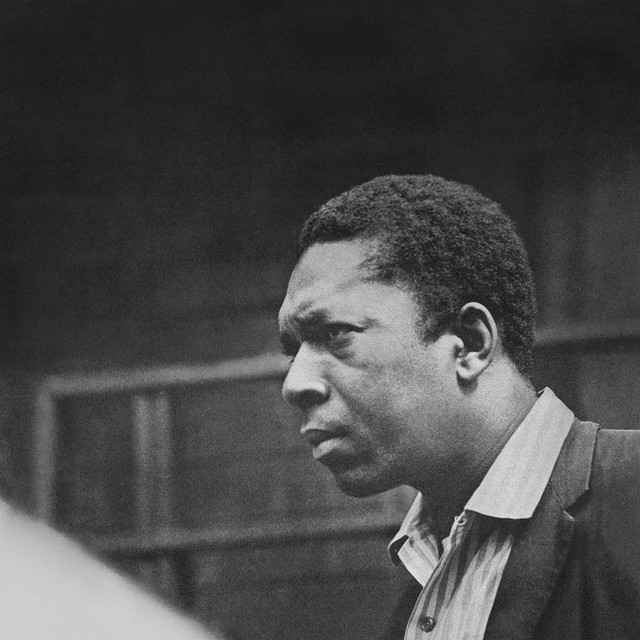
John Coltrane
Free Jazz
Hard Bop
Jazz
4
/5
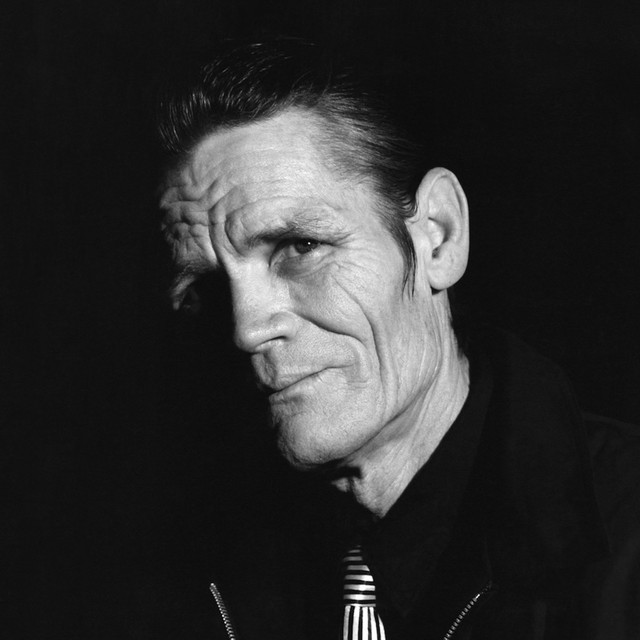
Chet Baker
Cool Jazz
Jazz
Jazz Trumpet
4
/5
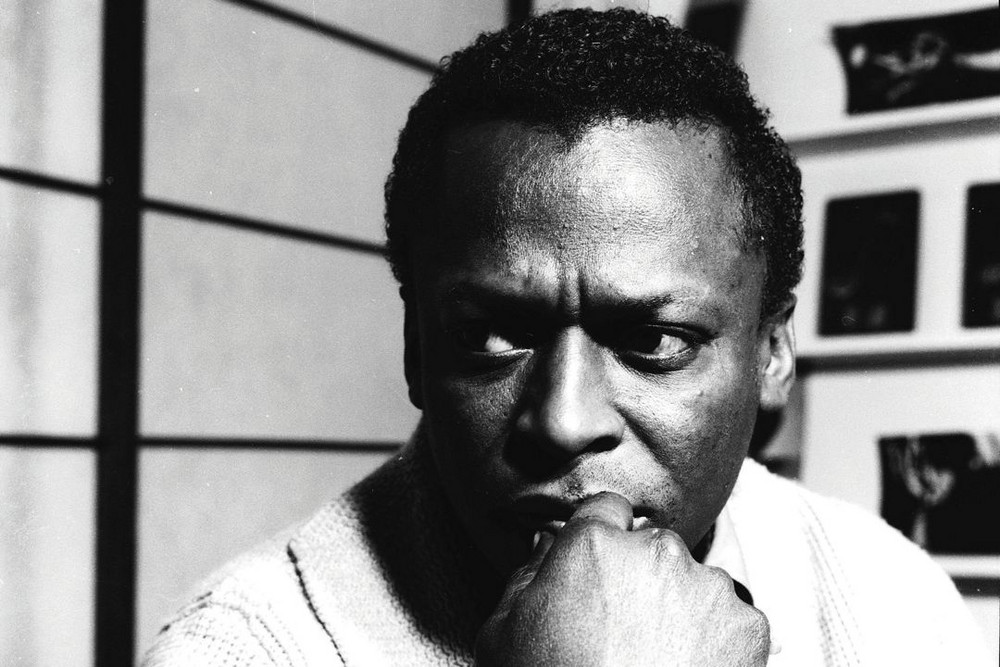
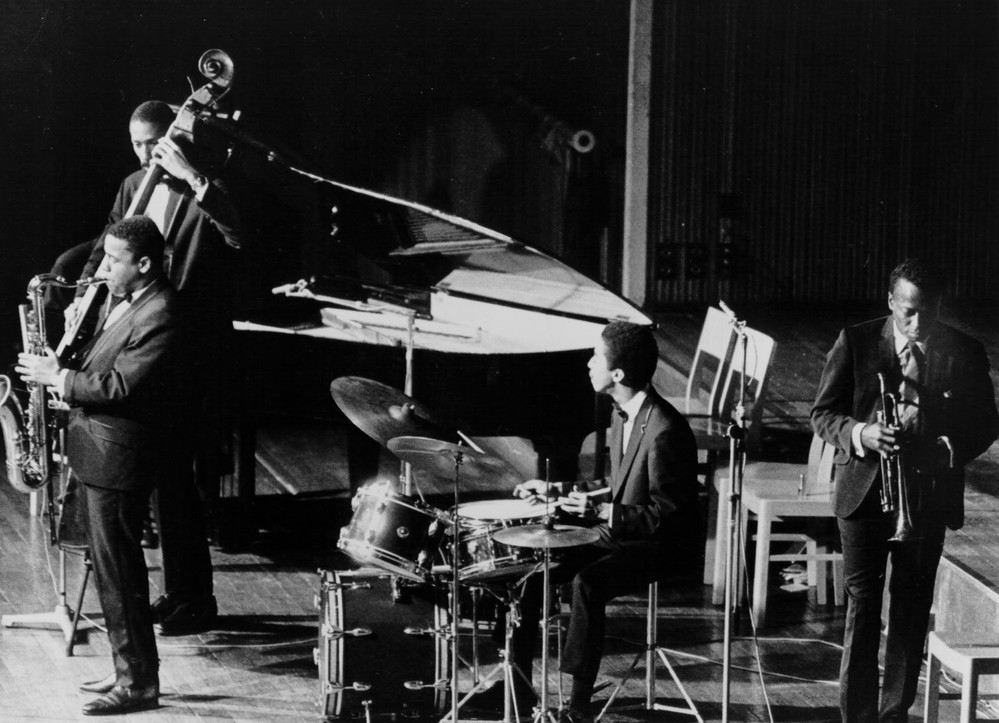
Miles Davis
Hard Bop
Jazz
Jazz Fusion
4
/5
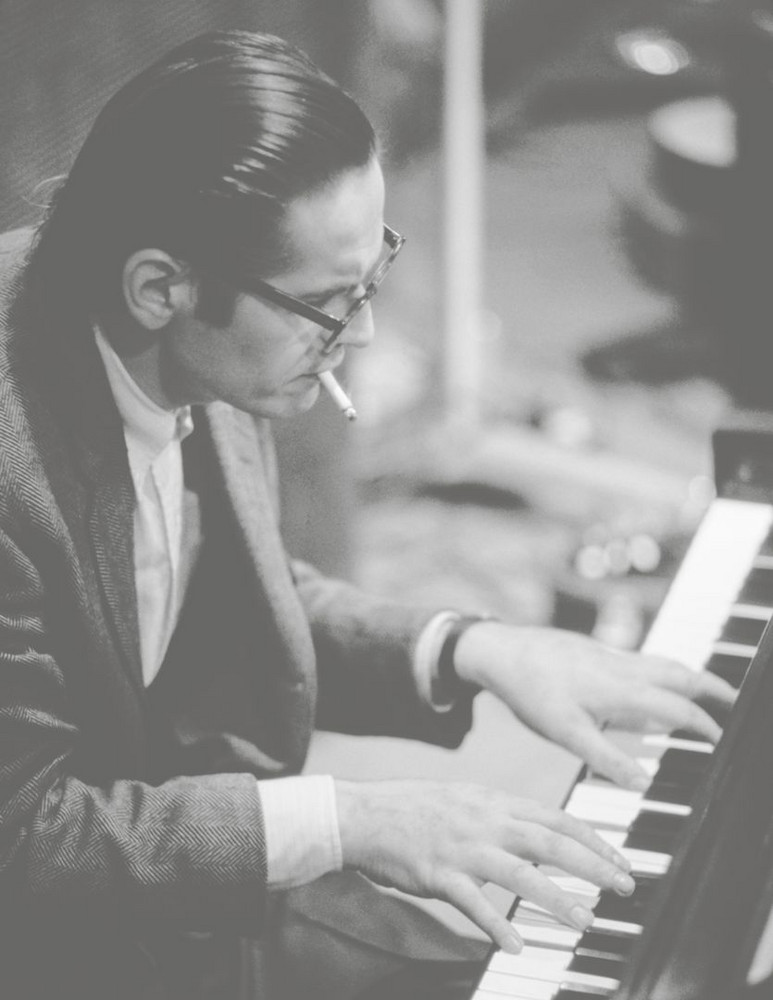
Bill Evans
Cool Jazz
Jazz
Bebop
4
/5
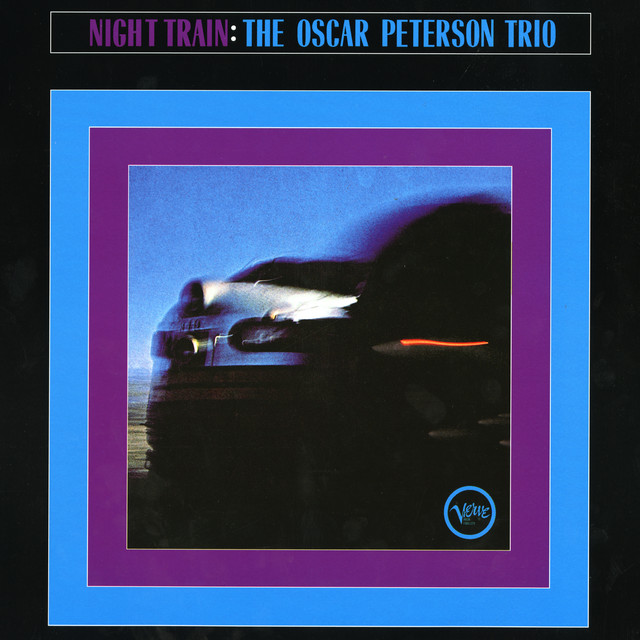
Oscar Peterson Trio
Contemporary Post-Bop
Bebop
Cool Jazz
4
/5
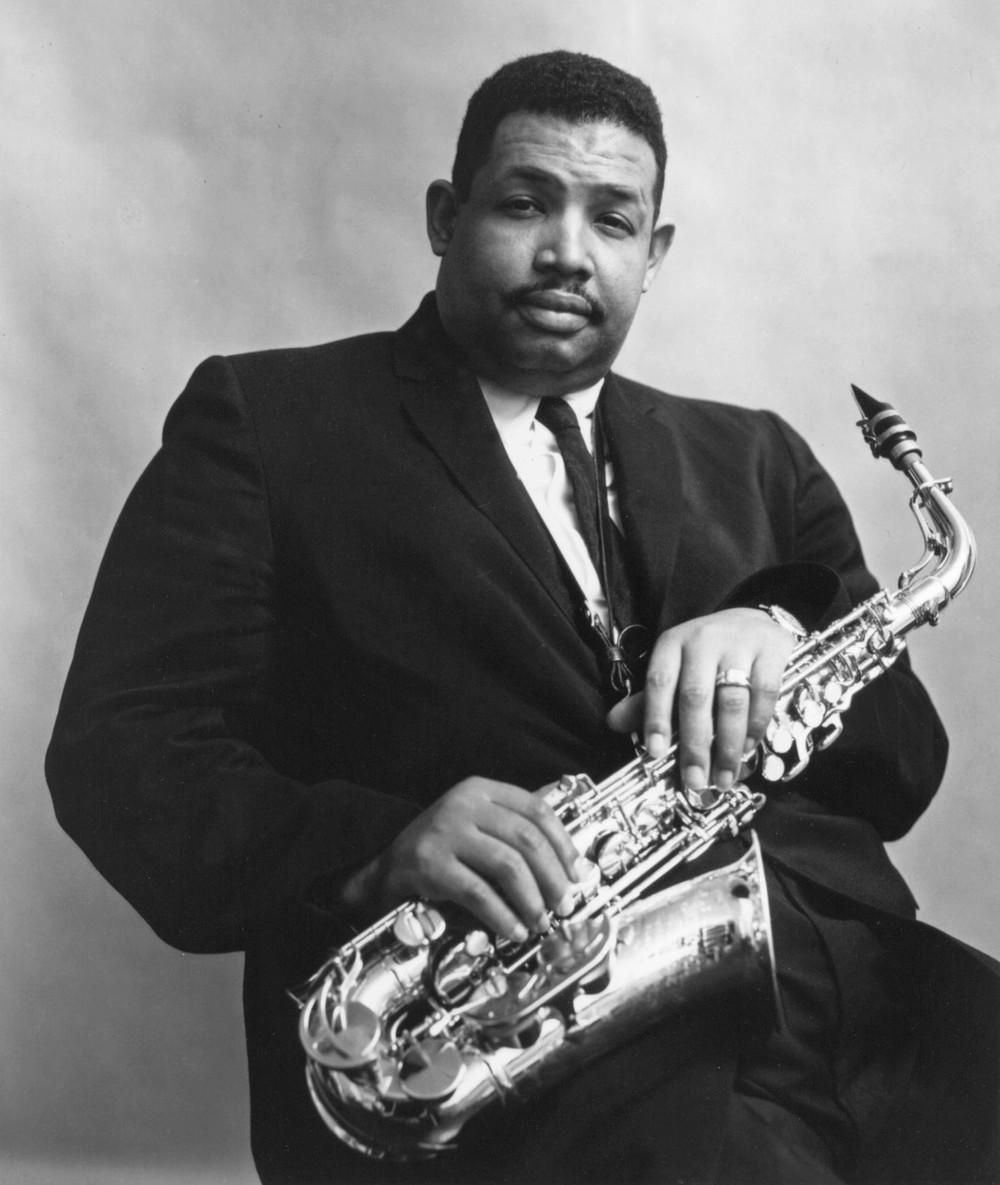
Cannonball Adderley
Bebop
Cool Jazz
Hard Bop
3
/5
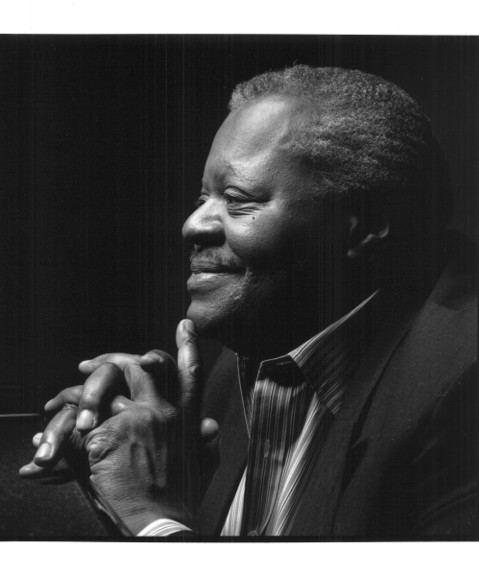
Oscar Peterson
Jazz
Bebop
Cool Jazz
3
/5
Miles Davis Quintet
Hard Bop
Jazz
Bebop
3
/5
Bill Evans Trio
Contemporary Post-Bop
Cool Jazz
Hard Bop
Download our mobile app
Get the Melodigging app and start digging for new genres on the go
Download on the App Store
Get it on Google Play
© 2026 Melodigging
Give feedback
Legal
Melodding was created as a tribute to
Every Noise at Once
, which inspired us to help curious minds keep digging into music's ever-evolving genres.