Genres
Artists
Albums
Make Music
Sign in
Sign in
Artists
Baroque Pop
Artists
Baroque Pop
The Hush Sound
Listen
3
/5
Genres
Digital Horror
Digital horror is a contemporary horror aesthetic that focuses on dread emerging from networked technologies, software, and always‑on media. Narratives and sound worlds revolve around screens, social platforms, livestreams, malware, deepfakes, and the uncanny presence of algorithmic systems. In music and sound design, the style translates this fear of the digital into glitching textures, corrupted audio artifacts, synthetic drones, and the weaponization of familiar interface sounds (alerts, keyboards, notification pings). It often blends dark ambient, industrial noise, and hauntological sampling to suggest threats that live inside code, clouds, and data centers—consistent with the wider definition that emphasizes anxiety and supernatural menace arising from the Internet and modern media.
Discover
Listen
Indie Rockism
Indie rockism is a guitar-forward branch of 2010s indie that prioritizes live-band aesthetics, hooky choruses, and a back-to-basics “rock” ethos. The name nods to the old critical term “rockism,” here meaning a preference for authenticity markers—drums, bass, guitars, and earnest vocals—over glossy, synth-led pop polish. Sonically, it blends the crisp rhythms and choppy guitars of post‑punk revival with the melodic immediacy of power pop and college‑radio indie. Songs tend to be uptempo, festival-ready, and anthemic, with bright, trebly guitars, tight rhythm sections, and sing‑along refrains. Compared with indie poptimism, it keeps electronics and sound design secondary to riffs, grooves, and performance energy.
Discover
Listen
Chicago Indie
Chicago indie is a regional strain of indie rock rooted in the city’s DIY venues, adventurous labels, and cross‑pollination between punk, post‑rock, emo, and art‑pop circles. It blends clean, interlocking guitars with warm, analog‑leaning production, rhythm section agility (often borrowing jazz/post‑rock phrasing), and literate, introspective lyrics. Compared with coastal indie hubs, Chicago’s sound skews both brainy and blue‑collar: experimentally curious but grounded in songwriting, groove, and community. Iconic local labels like Touch and Go, Drag City, Thrill Jockey, and Kranky, plus venues such as the Empty Bottle and Metro, fostered a culture that prizes integrity, collaboration, and live dynamics. Across eras, Chicago indie stretches from post‑rock and mathy textures to jangly garage, indie folk, and alt‑country inflections, unified by a shared DIY ethos and an openness to genre‑blending.
Discover
Listen
Alternative Rock
Alternative rock is a broad umbrella for guitar-based rock that emerged from the independent and college-radio scenes as a counterpoint to mainstream, commercial rock. It blends the energy and ethos of punk with the textural and songwriting experiments of post-punk, new wave, jangle pop, and noise rock, often foregrounding introspective or socially aware lyrics. Across its many strains—from the melodic minimalism of college rock to the loud-quiet-loud dynamics of grunge and the artful experimentation of Radiohead-era modernism—alternative rock prioritizes authenticity, sonic individuality, and a do-it-yourself approach. Its sound ranges from chiming, chorus-laden clean guitars to abrasive distortion and feedback, supported by straightforward rock rhythms or off-kilter grooves, and production that can be either raw and live-sounding or polished yet unconventional.
Discover
Listen
Indie Pop
Indie pop is a melodic, DIY-rooted branch of alternative music that blends the immediacy of pop songwriting with the independence and aesthetics of underground scenes. It typically features jangly, clean-toned guitars, tuneful bass lines, compact song structures, and intimate, literate lyrics that balance sweetness with subtle melancholy. The sound often leans toward bright chord progressions, earworm choruses, and understated production, favoring charm and personality over gloss. Culturally, indie pop is tied to small labels, fanzines, and community radio, with influential scenes and imprints such as Postcard, Sarah, and Creation laying the groundwork for its global diffusion.
Discover
Listen
Indie Rock
Indie rock is a subgenre of rock and a branch of alternative rock that coalesced in the early–mid 1980s around independent labels and DIY practices in the United Kingdom, the United States, and New Zealand. Defined less by a single sound than by an ethos, indie rock favors non‑mainstream approaches, self‑recording and small‑label distribution, and an interest in pop‑informed melody and eclectic experimentation. Hallmarks include jangly or fuzzed guitars, intimate or deadpan vocals, off‑kilter song structures, and production that often preserves a raw, “authentic” feel rather than glossy studio polish.
Discover
Listen
Jangle Pop
Jangle pop is a guitar-centered style of pop and rock defined by bright, chiming tones—often from a 12‑string electric (famously the Rickenbacker)—playing arpeggiated or open‑chord figures with minimal distortion. The sound emphasizes treble clarity, shimmering sustain, and tight compression, creating a sparkling texture that carries melodic hooks. Rhythm sections are typically crisp and supportive rather than aggressive, with steady mid‑tempo grooves and melodic bass counter‑lines. Vocals tend to be tuneful and understated, frequently with close harmonies. Lyrically, jangle pop pairs catchy, concise songwriting with wistful, romantic, and nostalgic themes. The style draws on 1960s guitar pop and folk rock traditions while channeling the DIY ethos of 1980s indie scenes.
Discover
Listen
Baroque Pop
Baroque pop is a mid‑1960s fusion of contemporary pop/rock songwriting with the timbres, textures, and contrapuntal techniques of Baroque and broader European classical music. It is marked by harpsichord and piano doubling, string quartets or small orchestras, woodwinds (oboe, recorder, bassoon), French horn and piccolo trumpet colors, and melody‑forward arrangements that favor counter‑melodies and suspensions over riff‑based accompaniment. Harmonies tend to be richer than standard rock, with chromatic voice‑leading, circle‑of‑fifths motion, deceptive cadences, and occasional modulations. Production is usually lush and reverberant, supporting reflective, often nostalgic or romantic lyrics. Although it overlaps with orchestral pop and psychedelic pop, baroque pop is distinguished by its chamber‑scale instrumentation, Baroque idioms (basso continuo feel, ornamented lines), and the way classical elements are woven into compact pop song forms.
Discover
Listen
Show all 8 genres
Similar artists
3
/5
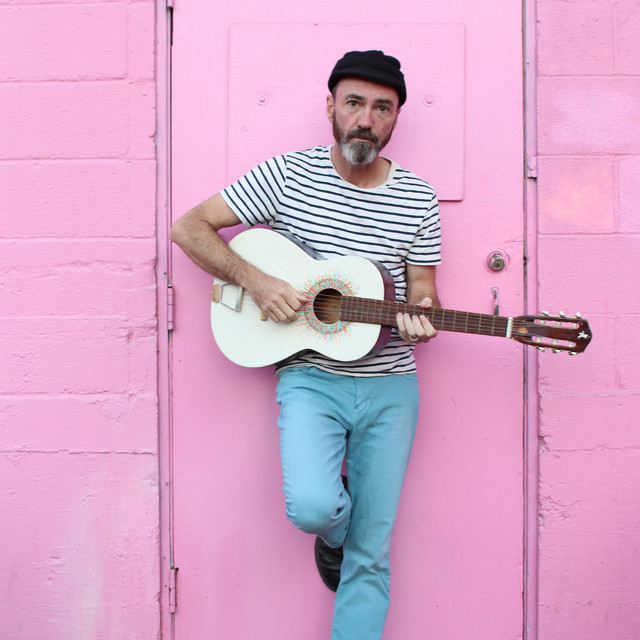
Andrew Bird
Baroque Pop
Chicago Indie
Indie Folk
4
/5
Florence + The Machine
Baroque Pop
Uk Alternative Pop
Alternative Rock
4
/5
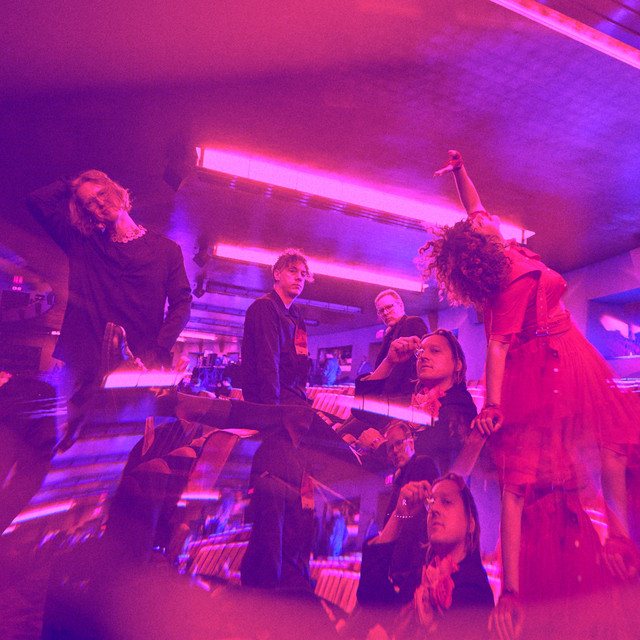
Arcade Fire
Baroque Pop
Chamber Pop
Indie Rock
3
/5
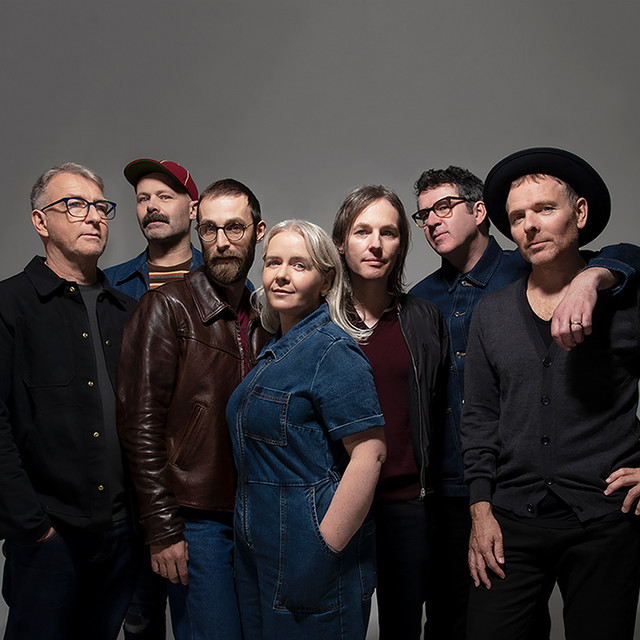
Belle and Sebastian
Twee Pop
Indie Pop
Rock
2
/5
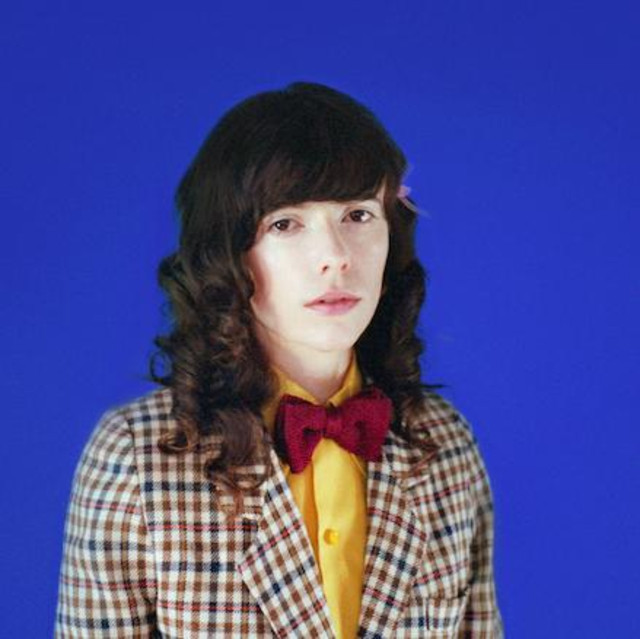
Natalie Prass
Baroque Pop
Alternative Rock
Folk Rock
1
/5
Various Artists
Soundtrack
Afro-Funk
Alternative Rock
4
/5
The Shins
Indie
Indie Pop
Alternative Rock
4
/5
Sufjan Stevens
Indie Folk
Chamber Pop
Indie Rock
4
/5
The Walters
Chicago Indie
Indie Rock
Pop
4
/5
Beach Bunny
Chicago Indie
Bubblegrunge
Indie Rock
Download our mobile app
Get the Melodigging app and start digging for new genres on the go
Download on the App Store
Get it on Google Play
© 2026 Melodigging
Give feedback
Legal
Melodding was created as a tribute to
Every Noise at Once
, which inspired us to help curious minds keep digging into music's ever-evolving genres.