Genres
Artists
Albums
Make Music
Sign in
Sign in
Artists
Punk
Artists
Punk
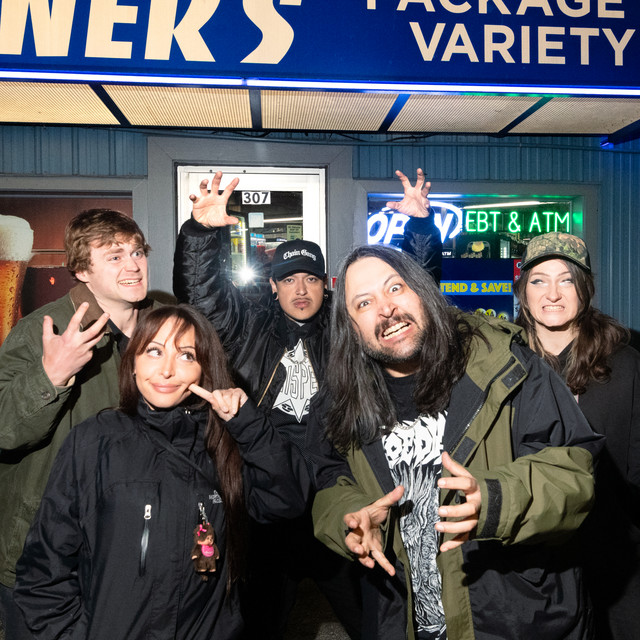
The Hirs Collective
2018–2023
·
3 albums
Listen
2
/5
Genres
Modern Hardcore
Modern hardcore is a contemporary wave of hardcore punk that blends classic speed and ferocity with 21st‑century heaviness, hook‑writing, and studio punch. It keeps the genre’s DIY, pit‑driven energy while adopting tighter musicianship, down‑tuned, palm‑muted riffs, and massive, half‑time breakdowns. Compared with 1980s and 1990s hardcore, modern hardcore is broader in dynamic range: songs snap from two‑step mosh parts and D‑beats to swaggering NYHC swing, metallic chugs, and chant‑along choruses. Production is deliberately impactful—gated, sample‑reinforced drums, tight low‑end, and high‑gain guitars—yet many bands still prioritize live immediacy over polish. Lyrically it remains grounded in community, resilience, and personal/collective struggle, but it often incorporates contemporary themes (mental health, identity, social precarity). Scenes are sustained by DIY venues, independent labels, and festival culture, with a heavy presence on video channels and social media that has globalized the sound.
Discover
Listen
Seapunk
Seapunk is an early-2010s internet-born microgenre and multimedia aesthetic that fuses retro-rave sonics with Y2K-era, ocean-themed visuals. Its sound blends 1990s house and trance riffs, chopped-and-screwed and vaporwave-adjacent sampling, splashy 808/909 drums, and glossy, “watery” synth textures. The visual world is as important as the music: turquoise/teal palettes, 3D chrome dolphins, coral gradients, pixel seas, and GIF-era net art. Together, these define a playful, nostalgic, and cyber-aquatic identity that celebrates both rave euphoria and web-native DIY culture.
Discover
Listen
Grindcore
Grindcore is an extremely fast, abrasive fusion of hardcore punk and extreme metal characterized by blast-beat drumming, highly distorted down-tuned guitars, and a mix of guttural growls and high-pitched screams. Songs are typically very short—often under two minutes and sometimes just seconds—favoring intensity over traditional verse–chorus structures. Lyrically, grindcore spans politically charged and socially conscious themes (war, capitalism, animal rights) as well as gore and body horror (particularly in goregrind). Production ranges from raw, live-in-the-room ferocity to tight, modern clarity. The style is defined by relentless speed, dissonant or chromatic riffing, and sudden start–stop shifts that create a feeling of controlled chaos.
Discover
Listen
Powerviolence
Powerviolence is an ultrafast, confrontational offshoot of hardcore punk that emphasizes whiplash dynamics between blastbeat-speed eruptions and lurching, sludgy slowdowns. Its songs are typically very short—often under a minute—and rely on raw, abrasive guitar and bass tones, barked or screamed vocals, and sudden stop/start structures. Rooted more in punk than in metal, powerviolence differs from grindcore through its stripped-down riffing, anti-virtuosic ethos, and frequent use of hardcore and d-beat rhythms alongside shocking tempo drops into sludge-influenced breakdowns. Lyrics tend to be anti-authoritarian, socially critical, or nihilistic, and the style is strongly tied to DIY culture, lo-fi aesthetics, and an intentionally uncompromising sound.
Discover
Listen
Queercore
Queercore is a punk-derived music and cultural movement that centers LGBTQ+ experiences, politics, and pleasure. Emerging in the mid-1980s as a reaction against both homophobia in punk scenes and assimilationist tendencies in mainstream gay culture, it embraces a DIY ethos across music, zines, film, and community organizing. Musically, queercore spans from blistering hardcore punk and noisy art-punk to hooky pop‑punk and left‑field indie, with distorted guitars, driving bass, and often shouted or chant-like vocals. Lyrics are frank, confrontational, and frequently witty—tackling sexuality, gender variance, queer desire, anti-fascism, and everyday survival—with a mix of anger, humor, and camp. Beyond sound, queercore is a scene-building practice: small labels, hand-made zines, all-ages shows, and mutual-aid minded organizing that prioritize safe(r) spaces, consent culture, and queer joy.
Discover
Listen
Punk
Punk is a fast, abrasive, and minimalist form of rock music built around short songs, stripped-down instrumentation, and confrontational, anti-establishment lyrics. It emphasizes DIY ethics, raw energy, and immediacy over virtuosity, often featuring distorted guitars, shouted or sneered vocals, and simple, catchy melodies. Typical songs run 1–3 minutes, sit around 140–200 BPM, use power chords and basic progressions (often I–IV–V), and favor live, unpolished production. Beyond sound, punk is a cultural movement encompassing zines, independent labels, political activism, and a fashion vocabulary of ripped clothes, leather, and safety pins.
Discover
Listen
Hardcore Punk
Hardcore punk is a faster, louder, and more abrasive offshoot of late-1970s punk rock. Songs are typically short (often under two minutes), propelled by rapid tempos, aggressive down‑stroked guitar riffs, and shouted or barked vocals. The style prioritizes raw energy over technical ornamentation: power‑chord harmony, minimal guitar solos, and tightly locked rhythm sections dominate. Lyrically, hardcore punk is intensely direct—often political, anti‑authoritarian, and socially critical—reflecting a DIY ethic that values independent labels, self‑organized shows, and community‑run spaces. The genre coalesced in U.S. scenes such as Los Angeles, Washington, D.C., New York, and Boston, and soon spread internationally. Its velocity, attitude, and grassroots infrastructure profoundly shaped underground music and paved the way for numerous metal, punk, and alternative subgenres.
Discover
Listen
Rock
Rock is a broad family of popular music centered on amplified instruments, a strong backbeat, and song forms that foreground riffs, choruses, and anthemic hooks. Emerging from mid‑20th‑century American styles like rhythm & blues, country, and gospel-inflected rock and roll, rock quickly expanded in scope—absorbing folk, blues, and psychedelic ideas—while shaping global youth culture. Core sonic markers include electric guitar (often overdriven), electric bass, drum kit emphasizing beats 2 and 4, and emotive lead vocals. Rock songs commonly use verse–chorus structures, blues-derived harmony, and memorable melodic motifs, ranging from intimate ballads to high‑energy, stadium‑sized performances.
Discover
Listen
Show all 8 genres
Albums
2023
1
/5
We're Still Here
The HIRS Collective
Queercore
Powerviolence
Punk
2018
1
/5
Friends. Lovers. Favorites.
The HIRS Collective
Queercore
Grindcore
Punk
2018
1
/5
Friends. Lovers. Favorites.
The HIRS Collective
Powerviolence
Grindcore
Punk
Similar artists
2
/5
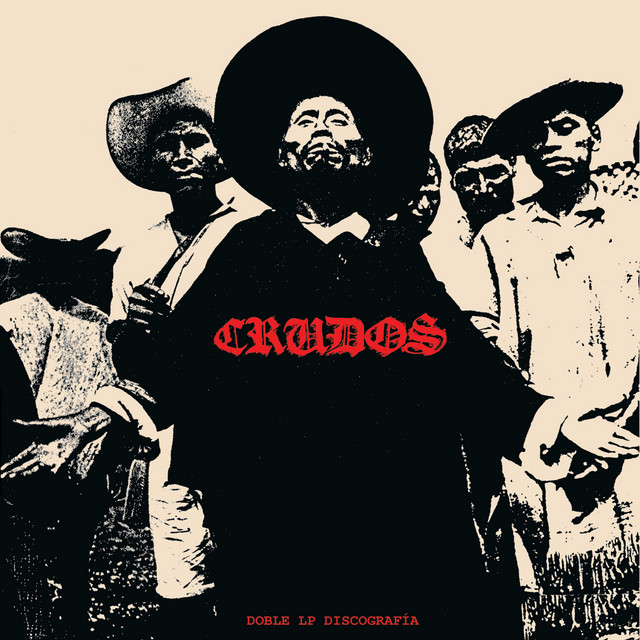
Los Crudos
Powerviolence
Crust Punk
Grindcore
4
/5
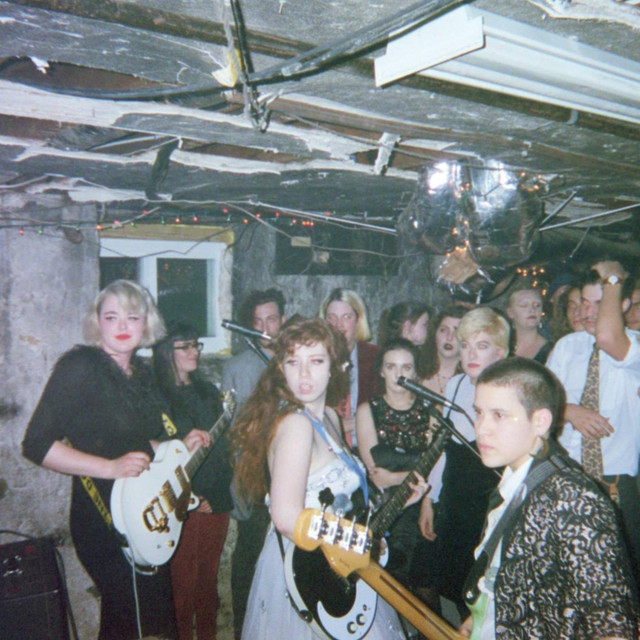
Dazey and the Scouts
Queercore
Riot Grrrl
Punk
3
/5
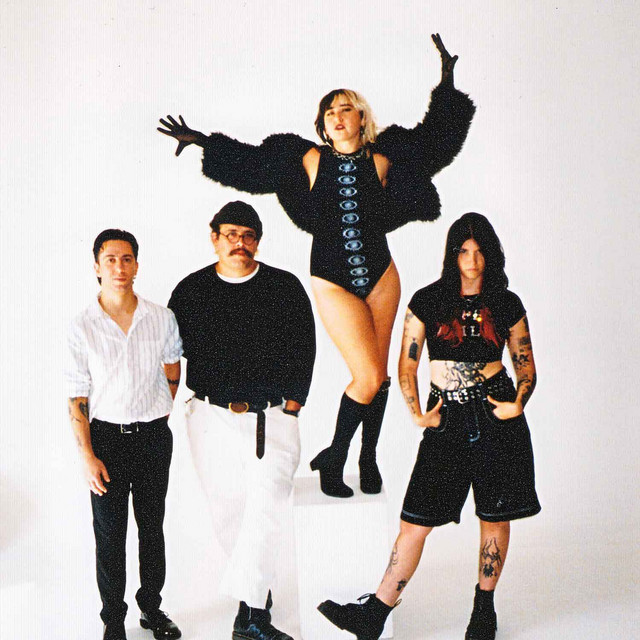
Destroy Boys
Queercore
Riot Grrrl
Rock
3
/5
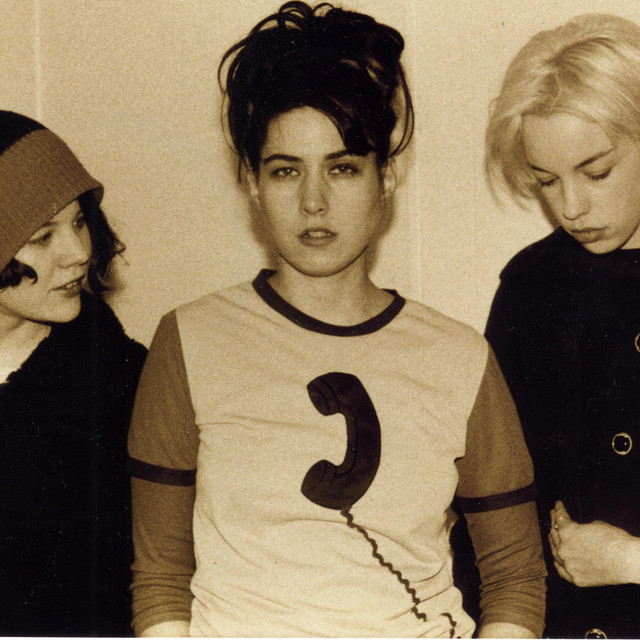
Bikini Kill
Punk
Riot Grrrl
Olympia Wa Indie
3
/5
Against Me!
Punk
Orgcore
Rock
3
/5
Crass
Anarcho-Punk
Crust Punk
Punk
2
/5
Vice Squad
Uk82
Punk
Hardcore Punk
2
/5
Weekend Nachos
Grindcore
Powerviolence
Hardcore
2
/5
Escuela Grind
Powerviolence
Grindcore
Death Metal
3
/5
Discharge
Hardcore Punk
Punk
Grindcore
Download our mobile app
Get the Melodigging app and start digging for new genres on the go
Download on the App Store
Get it on Google Play
© 2026 Melodigging
Give feedback
Legal
Melodding was created as a tribute to
Every Noise at Once
, which inspired us to help curious minds keep digging into music's ever-evolving genres.