Genres
Artists
Albums
Make Music
Sign in
Sign in
Artists
Queercore
Artists
Queercore
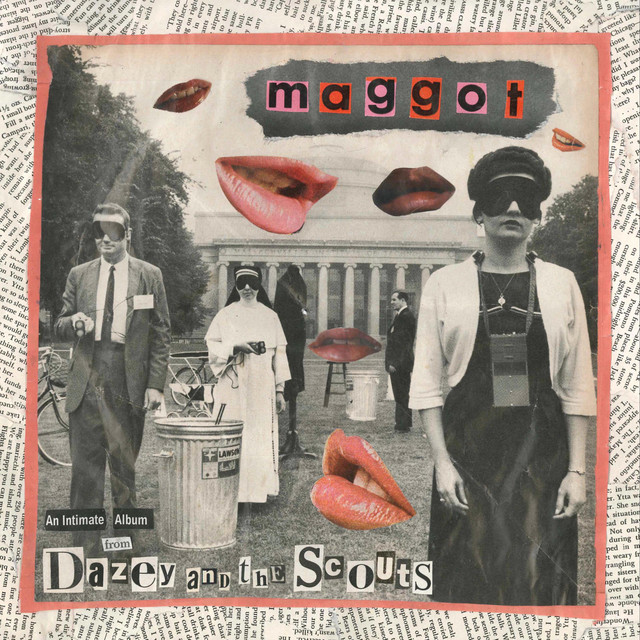
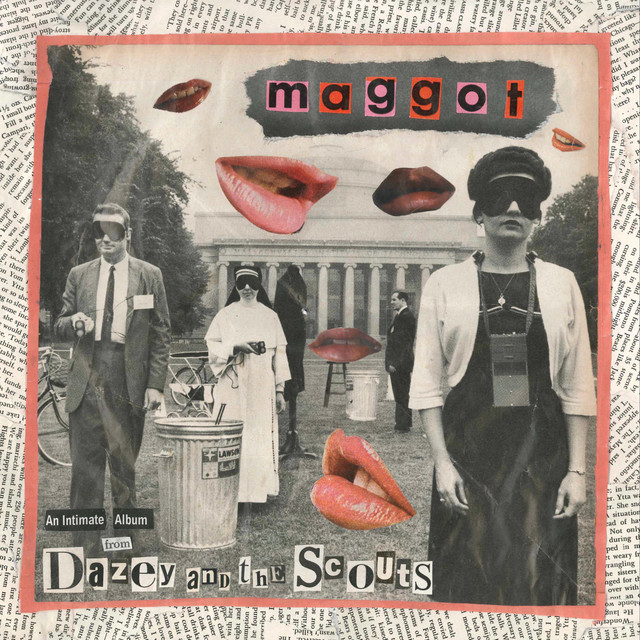
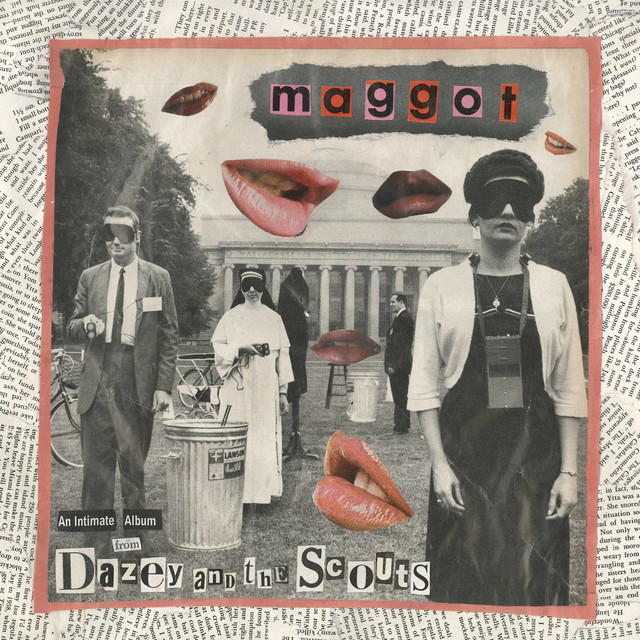
Dazey and the Scouts
2017
·
3 albums
Listen
4
/5
Genres
Corecore
Corecore is an internet-native, collage-heavy audiovisual microgenre that turns the endless stream of online content into emotionally charged montages. It typically pairs melancholic or atmospheric music with rapid-fire edits of news clips, social-media posts, movie fragments, webcam confessions, and found audio, using juxtaposition to evoke overload, alienation, and fragile intimacy in the age of feeds. While it is primarily known as a video-editing aesthetic (especially on TikTok), its musical identity leans on ambient, vaporwave, breakcore, and experimental collage, favoring texture, mood, and narrative over traditional song structure. Rather than having a fixed sonic palette, corecore uses existing tracks—often downtempo, hazy, or nostalgic—then re-contextualizes them with speech samples and visual montage to produce catharsis and social commentary.
Discover
Listen
Zoomergaze
Zoomergaze is a Gen Z, internet-native evolution of shoegaze that fuses the genre’s dense, guitar-washed textures with hyperpop/digicore maximalism and modern trap/emo-rap rhythm programming. It favors blown‑out saturation, brickwalled dynamics, digital clipping, and wide stereo fields, often pairing jet‑engine guitars with 808 subs, jittery hi‑hats, breakbeat flourishes, and intimate, lightly Auto‑Tuned vocals. The mood leans dreamy yet emotionally raw—nostalgic, melancholic, and diaristic—delivered through DIY production that thrives on Bandcamp, SoundCloud, and TikTok discovery. Where classic shoegaze hid the singer in the mix, Zoomergaze keeps the voice present and personal, weaving confessional hooks into shimmering noise and glitchy, internet-era sound design.
Discover
Listen
Rage
Rage is a high-energy, synth-forward trap production style characterized by bright, detuned supersaw leads, pounding 808s, and fast, looping drum patterns built for explosive rap performances. It emphasizes instant-impact hooks, minimal chord movement, and anthemic drops that feel closer to festival EDM crescendos than traditional hip hop breakdowns. The sound rose from the post–SoundCloud, punk-influenced branch of trap, drawing on the icy simplicity of Playboi Carti’s late-2010s palette and marrying it with trance/eurodance-styled leads and EDM trap dynamics. The result is a glossy, adrenalized bed for shouted, rebellious vocals—music designed for mosh pits, arena stages, and viral snippets alike.
Discover
Listen
Pixie
Pixie is a Gen‑Z, internet‑native microgenre that sits at the bright, whimsical end of the hyperpop/digicore spectrum. It favors sparkling, “fairy‑like” sound design: glassy arpeggios, glittering supersaws, twinkling bells, and breathy, often pitched‑up or formant‑shifted vocals. Songs tend to be short and hook‑forward, balancing innocent, daydreamy textures with maximal drops and elastic rhythms. Lyrically it blends diaristic vulnerability, romance, and coming‑of‑age themes with online culture references and a playful sense of fantasy. Aesthetically, pixie borrows the cute/kawaii visual language (soft pastels, magical motifs) while keeping the DIY, Discord‑server ethos of the hyperpop underground. Production is fast, DAW‑focused (FL Studio/Ableton), and built for streaming, TikTok loops, and community playlists.
Discover
Listen
Indie Dream Pop
Indie dream pop blends the hazy, reverb-heavy atmospheres of classic dream pop with the songwriting sensibilities and DIY production ethos of indie music. Typical tracks feature soft, breathy vocals floating over lush guitar textures, analog-leaning synth pads, and understated drum grooves. The sound privileges mood and texture—chorus- and delay-washed guitars, shimmering synths, and gauzy reverbs—while keeping melodies tuneful and intimate. Compared with 1980s dream pop, the "indie" strand leans more on bedroom production, compact song forms, and approachable hooks. Lyrically, themes often center on memory, longing, youth, and small emotional details, delivered in a close-mic, confessional style. The overall aesthetic is nocturnal, nostalgic, and gently hypnotic.
Discover
Listen
Pov: Indie
"pov: indie" is a social-media-native microstyle built around short, cinematic indie-pop/indie-rock snippets designed to accompany a first-person (POV) narrative. Instead of being defined by a single new musical technique, it is defined by context: the music is chosen or written to feel like the soundtrack to a specific moment (a crush, a late-night walk, moving to a new city, seasonal nostalgia). Sonically it typically uses bright but soft guitars or synths, intimate vocals, simple memorable hooks, and production that reads clearly on phone speakers. The emotional tone is often wistful, tender, and “coming-of-age,” with lyrics that can be understood quickly in a 10–30 second clip.
Discover
Listen
Diy Emo
DIY emo is a grassroots, home-recorded and community-driven branch of contemporary emo that blends twinkly Midwest-emo guitar work, confessional lyricism, and pop-punk urgency with a distinctly lo‑fi, self-produced aesthetic. It foregrounds the ethics of the do‑it‑yourself underground: basement shows, tape or Bandcamp releases, collective touring, and a preference for intimacy over polish. Sonically, it leans on clean, chiming guitars, melodic basslines, dynamic drumming, and unvarnished vocals that veer from soft-spoken to cathartic sing-alongs. Rather than chasing radio gloss, DIY emo embraces rawness and vulnerability—often capturing the feel of a crowded living room show—while channeling themes of friendship, mental health, hometowns, and the bittersweet transitions of early adulthood.
Discover
Listen
Riot Grrrl
Riot grrrl is a feminist punk movement and music scene that emerged in the early 1990s in the United States, centered around Olympia, Washington, and Washington, D.C. It blends the raw immediacy of punk and hardcore with explicitly feminist, anti-sexist, and DIY politics, using zines, community organizing, and confrontational performance to challenge patriarchy in music scenes and society at large. Musically, it favors short, fast, and noisy songs, shout-sung vocals, and simple, forceful chord progressions, while lyrically addressing topics such as bodily autonomy, sexual assault, gender norms, queer identity, and scene politics.
Discover
Listen
Queercore
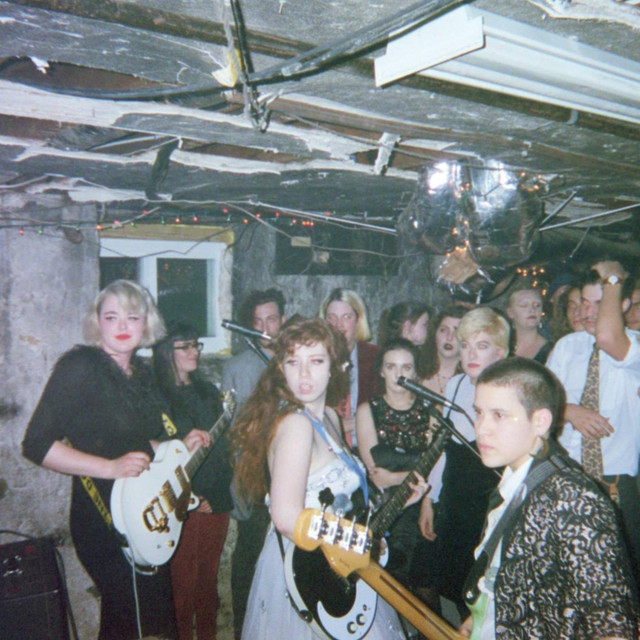
Queercore is a punk-derived music and cultural movement that centers LGBTQ+ experiences, politics, and pleasure. Emerging in the mid-1980s as a reaction against both homophobia in punk scenes and assimilationist tendencies in mainstream gay culture, it embraces a DIY ethos across music, zines, film, and community organizing. Musically, queercore spans from blistering hardcore punk and noisy art-punk to hooky pop‑punk and left‑field indie, with distorted guitars, driving bass, and often shouted or chant-like vocals. Lyrics are frank, confrontational, and frequently witty—tackling sexuality, gender variance, queer desire, anti-fascism, and everyday survival—with a mix of anger, humor, and camp. Beyond sound, queercore is a scene-building practice: small labels, hand-made zines, all-ages shows, and mutual-aid minded organizing that prioritize safe(r) spaces, consent culture, and queer joy.
Discover
Listen
Punk
Punk is a fast, abrasive, and minimalist form of rock music built around short songs, stripped-down instrumentation, and confrontational, anti-establishment lyrics. It emphasizes DIY ethics, raw energy, and immediacy over virtuosity, often featuring distorted guitars, shouted or sneered vocals, and simple, catchy melodies. Typical songs run 1–3 minutes, sit around 140–200 BPM, use power chords and basic progressions (often I–IV–V), and favor live, unpolished production. Beyond sound, punk is a cultural movement encompassing zines, independent labels, political activism, and a fashion vocabulary of ripped clothes, leather, and safety pins.
Discover
Listen
Punk Rock
Punk rock is a fast, raw, and stripped‑down form of rock music that foregrounds energy, attitude, and the DIY ethic over technical polish. Songs are short (often 90–180 seconds), in 4/4, and driven by down‑stroked power‑chord guitars, eighth‑note bass, and relentless backbeat drumming. Vocals are shouted or sneered rather than crooned, and lyrics are direct, often political, anti‑establishment, or wryly humorous. Production is intentionally unvarnished, prioritizing immediacy and live feel over studio perfection. Beyond sound, punk rock is a culture and practice: independent labels, fanzines, all‑ages venues, self‑organized tours, and a participatory scene that values inclusivity, affordability, and self‑reliance.
Discover
Listen
Surf Punk
Surf punk is a high-energy fusion of classic 1960s surf rock guitar sonics with the speed, attitude, and DIY ethos of late-1970s punk rock. It typically features spring‑reverb‑drenched lead guitars playing twangy, tremolo‑picked lines over fast, down‑stroked power‑chord rhythms, with punchy bass and driving, straightforward drum patterns. Lyrics often reference coastal life, surfing, skating, suburban boredom, and irreverent humor, though many tracks are instrumental. The overall sound emphasizes immediacy, brevity, and raw, beach‑side adrenaline.
Discover
Listen
Surf
Surf is a guitar-driven style of early 1960s popular music that evokes the sound and culture of ocean surfing. It is best known for its "wet" spring reverb, rapid tremolo-picked melodies, and bright single‑coil guitar tones that mimic the shimmer and surge of waves. The genre includes both instrumental surf (Dick Dale, The Ventures) and vocal surf (The Beach Boys, Jan & Dean), the latter often pairing lush harmonies with lyrics about surfing, cars, and Southern California youth life. Harmonically it tends to use simple I–IV–V progressions, minor‑key modes for dramatic instrumentals, and singable hooks for radio‑friendly songs. Beyond its beach imagery, surf's sonic signatures influenced film/TV "spy" cues and later rock subgenres, thanks to its distinctive timbre, energetic rhythms, and memorable riffs.
Discover
Listen
Rock
Rock is a broad family of popular music centered on amplified instruments, a strong backbeat, and song forms that foreground riffs, choruses, and anthemic hooks. Emerging from mid‑20th‑century American styles like rhythm & blues, country, and gospel-inflected rock and roll, rock quickly expanded in scope—absorbing folk, blues, and psychedelic ideas—while shaping global youth culture. Core sonic markers include electric guitar (often overdriven), electric bass, drum kit emphasizing beats 2 and 4, and emotive lead vocals. Rock songs commonly use verse–chorus structures, blues-derived harmony, and memorable melodic motifs, ranging from intimate ballads to high‑energy, stadium‑sized performances.
Discover
Listen
Show all 14 genres
Albums
2017
1
/5
Maggot
Dazey and the Scouts
Queercore
Riot Grrrl
Punk
2017
1
/5
Maggot
Dazey and the Scouts
Queercore
Surf Punk
Surf
2017
4
/5
Maggot
Dazey and the Scouts
Queercore
Riot Grrrl
Punk
Similar artists
3
/5
Destroy Boys
Queercore
Riot Grrrl
Rock
2
/5
Team Dresch
Queercore
Riot Grrrl
Olympia Wa Indie
3
/5
Bikini Kill
Punk
Riot Grrrl
Olympia Wa Indie
3
/5
Mannequin Pussy
Queercore
Indie Punk
Riot Grrrl
2
/5
Lunachicks
Punk
Riot Grrrl
Underground Grunge
2
/5
Petrol Girls
Punk
Riot Grrrl
Modern Hardcore
3
/5
Crass
Anarcho-Punk
Crust Punk
Punk
3
/5
Bratmobile
Riot Grrrl
Punk
Queercore
3
/5
L7
Grunge
Riot Grrrl
Indie Pop Rap
2
/5
Vice Squad
Uk82
Punk
Hardcore Punk
Download our mobile app
Get the Melodigging app and start digging for new genres on the go
Download on the App Store
Get it on Google Play
© 2026 Melodigging
Give feedback
Legal
Melodding was created as a tribute to
Every Noise at Once
, which inspired us to help curious minds keep digging into music's ever-evolving genres.