Genres
Artists
Albums
Make Music
Sign in
Sign in
Artists
Electronic
Artists
Electronic
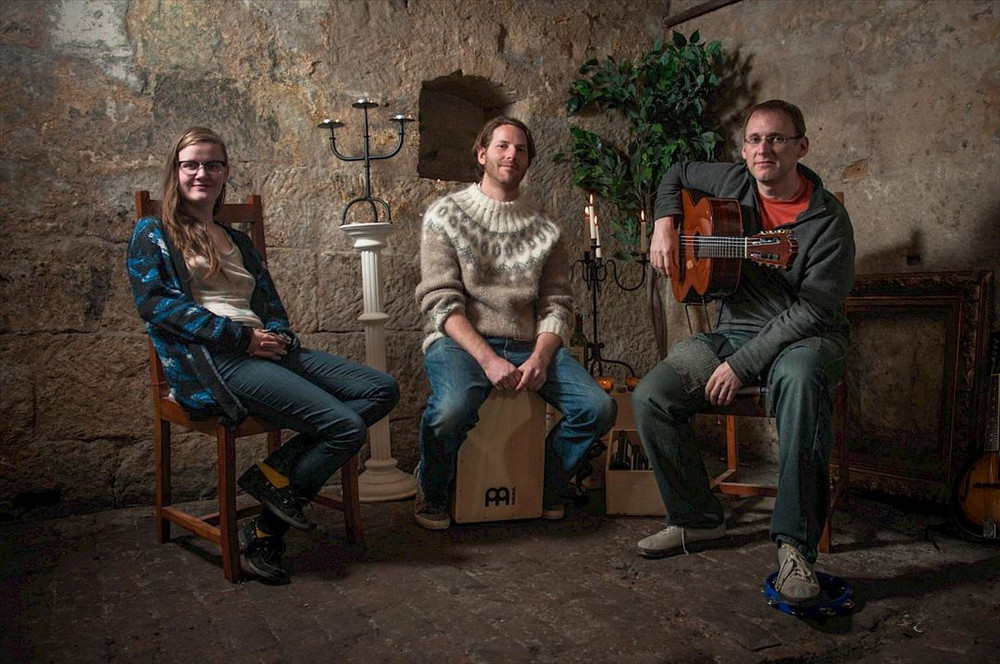
The Books
2010–2011
·
5 albums
Listen
2
/5
Genres
Rage
Rage is a high-energy, synth-forward trap production style characterized by bright, detuned supersaw leads, pounding 808s, and fast, looping drum patterns built for explosive rap performances. It emphasizes instant-impact hooks, minimal chord movement, and anthemic drops that feel closer to festival EDM crescendos than traditional hip hop breakdowns. The sound rose from the post–SoundCloud, punk-influenced branch of trap, drawing on the icy simplicity of Playboi Carti’s late-2010s palette and marrying it with trance/eurodance-styled leads and EDM trap dynamics. The result is a glossy, adrenalized bed for shouted, rebellious vocals—music designed for mosh pits, arena stages, and viral snippets alike.
Discover
Listen
Deep New Americana
Deep new americana is a contemporary, roots-leaning micro‑scene that blends modern indie production aesthetics with the songcraft, storytelling, and acoustic textures of classic Americana. Compared with broader “new Americana,” the “deep” tag points to music that is earthier, more intimate, and less pop-facing: tube‑warm electric guitars, occasional pedal‑steel swells, fiddle or mandolin color, unhurried grooves, and close-knit vocal harmonies. Lyrics tend to be reflective and narrative, anchored in small details (roads, towns, seasons, family histories) while speaking to present-day anxieties and hopes. The sound favors organic recordings, dynamic performances, and arrangements that leave space for voices and instruments to breathe.
Discover
Listen
Weirdcore
Weirdcore is an internet-native microgenre and aesthetic of experimental electronic music that leans into liminal nostalgia, eerie memory, and uncanny ambience. Its sound palette often combines misty pads, degraded samples, tape hiss, and bitcrushed percussion with disembodied voices, classroom and mall PA announcements, retro operating system chimes, and field recordings of empty or transitional spaces. Harmonically, weirdcore favors drones, slowly shifting modal clusters, and ambiguous, memory-warping intervals that feel familiar yet distorted. Rhythm ranges from beatless, foggy soundscapes to brittle, broken 2-step and slow, stumbling downtempo pulses. Heavy time-stretching, granular manipulation, wow-and-flutter, convolution reverbs, and spectral or cassette-style degradation are central to its texture. Although closely tied to a visual aesthetic (liminal spaces, late-night analog glow, low-resolution signage), weirdcore as a musical style is defined by its uncanny collage sensibility: sampling and warping everyday audio detritus until it becomes emotionally charged, melancholic, and faintly unsettling.
Discover
Listen
Collage Pop
Collage pop is a sample-forward approach to pop songwriting that builds hooks, verses, and bridges from mosaics of found sound, micro-samples, and archival media. Instead of tracking a band in a room, producers assemble hundreds of short fragments—snatches of old records, ad jingles, field recordings, voice clips, and YouTube detritus—into bright, melody-first compositions. The genre balances pop immediacy with experimental technique: hip‑hop breakbeats and dance grooves underpin earworm melodies while abrupt edits, tape stops, and jump‑cut transitions create a sense of surprise. Vocals are often chopped, pitch‑shifted, or layered with choirs of sampled voices, producing a playful, nostalgic, and sometimes dreamlike sheen. A key aesthetic is juxtaposition—the emotional resonance comes from placing disparate eras, genres, and textures side‑by‑side, then “gluing” them with modern mixing (sidechain compression, warm saturation, and wide stereo imaging) so the collage feels like a coherent pop song rather than a mere medley.
Discover
Listen
Folktronica
Folktronica blends traditional folk instrumentation and songcraft with electronic production techniques. Acoustic guitars, fiddles, banjos, and hand percussion coexist with samplers, drum machines, granular synthesis, and digital processing. The style often favors intimate, pastoral moods, gently syncopated beats, and textural sound design built from field recordings and tape hiss. It draws on the melodic simplicity and modal flavors of folk while adopting the rhythmic subtlety and timbral experimentation of downtempo, IDM, and ambient music.
Discover
Listen
Plunderphonics
Plunderphonics is a sample-based music practice in which new compositions are made entirely or predominantly from pre‑existing recordings. Rather than using short, unrecognizable snippets as texture, plunderphonic works foreground recognizable materials—pop hits, classical excerpts, commercials, voice-overs—and transform them through juxtaposition, layering, pitch-shifting, time-stretching, and collage. Coined by Canadian composer John Oswald in the mid‑1980s, the term names both a technique and a critical stance that questions authorship, originality, and ownership in the age of reproducible media. Plunderphonics often functions as cultural commentary or satire, drawing attention to how meaning changes when familiar sounds are recontextualized. Stylistically, it ranges from dense cut‑up cacophony to groove-oriented rearrangements that remain danceable and accessible.
Discover
Listen
Folk Rock
Folk rock is a fusion genre that blends the narrative lyricism, modal melodies, and acoustic timbres of traditional folk with the backbeat, amplification, and song structures of rock. It typically pairs acoustic or traditional instruments (acoustic guitar, mandolin, fiddle) with a rock rhythm section (electric guitar, bass, drums), often featuring chiming 12‑string guitar textures, close vocal harmonies, and socially conscious or storytelling lyrics. The result ranges from intimate, reflective ballads with a steady backbeat to more anthemic, roots‑driven rock. Emerging in the mid‑1960s through artists such as Bob Dylan and The Byrds, folk rock became a gateway for traditional and roots materials to enter mainstream popular music, and it seeded later movements from country rock and Americana to jangle pop and modern indie folk.
Discover
Listen
Experimental
Experimental music is an umbrella term for practices that prioritize exploration, process, and discovery over adherence to established genre norms. It embraces new sound sources, nonstandard tuning systems, indeterminacy and chance operations, graphic and open-form scores, extended techniques, and technology-led sound design (tape, electronics, computers, and live processing). Rather than a single style, it is a methodology and ethos: testing hypotheses about sound, structure, and performance, often blurring boundaries between composition, improvisation, sound art, and performance art. Listeners can expect unfamiliar timbres, unusual forms, and an emphasis on how music is made as much as the resulting sound.
Discover
Listen
Rock
Rock is a broad family of popular music centered on amplified instruments, a strong backbeat, and song forms that foreground riffs, choruses, and anthemic hooks. Emerging from mid‑20th‑century American styles like rhythm & blues, country, and gospel-inflected rock and roll, rock quickly expanded in scope—absorbing folk, blues, and psychedelic ideas—while shaping global youth culture. Core sonic markers include electric guitar (often overdriven), electric bass, drum kit emphasizing beats 2 and 4, and emotive lead vocals. Rock songs commonly use verse–chorus structures, blues-derived harmony, and memorable melodic motifs, ranging from intimate ballads to high‑energy, stadium‑sized performances.
Discover
Listen
Pop
Pop is a broad, hook-driven style of popular music designed for wide appeal. It emphasizes memorable melodies, concise song structures, polished vocals, and production intended for radio, charts, and mass media. While pop continually absorbs elements from other styles, its core remains singable choruses, accessible harmonies, and rhythmic clarity. Typical forms include verse–pre-chorus–chorus, frequent use of bridges and middle-eights, and ear-catching intros and outros. Pop is not defined by a single instrumentation. It flexibly incorporates acoustic and electric instruments, drum machines, synthesizers, and increasingly digital production techniques, always in service of the song and the hook.
Discover
Listen
Sound Collage
Sound collage is a practice and genre that assembles disparate recorded sounds—speech, field recordings, musical fragments, noise, and media detritus—into a new, cohesive work. It treats recorded sound as raw material to be cut, layered, looped, juxtaposed, and transformed, often privileging texture, timbre, and context over conventional melody and harmony. Emerging from mid‑century tape and electroacoustic experiments, sound collage spans avant‑garde, popular, and club contexts, ranging from radical tape splices to sample‑dense pop and hip‑hop. Because it recontextualizes existing audio, it can be narrative, political, archival, or purely abstract—oscillating between documentary and dreamlike mosaic.
Discover
Listen
Folk
Folk is a song-centered acoustic tradition rooted in community storytelling, everyday life, and social history. It emphasizes clear melodies, simple harmonies, and lyrics that foreground narrative, protest, and personal testimony. As a modern recorded genre, folk coalesced in the early-to-mid 20th century in the United States out of older ballad, work song, and rural dance traditions. It typically features acoustic instruments (guitar, banjo, fiddle, mandolin, harmonica), strophic song forms, and participatory singing (choruses, call-and-response).
Discover
Listen
Jazz
Jazz is an improvisation-centered music tradition that emerged from African American communities in the early 20th century. It blends blues feeling, ragtime syncopation, European harmonic practice, and brass band instrumentation into a flexible, conversational art. Defining features include swing rhythm (a triplet-based pulse), call-and-response phrasing, blue notes, and extended harmonies built on 7ths, 9ths, 11ths, and 13ths. Jazz is as much a way of making music—spontaneous interaction, variation, and personal sound—as it is a set of forms and tunes. Across its history, jazz has continually hybridized, from New Orleans ensembles and big-band swing to bebop, cool and hard bop, modal and free jazz, fusion, and contemporary cross-genre experiments. Its influence permeates global popular and art music.
Discover
Listen
Electronic
Electronic is a broad umbrella genre defined by the primary use of electronically generated or electronically processed sound. It encompasses music made with synthesizers, drum machines, samplers, computers, and studio/tape techniques, as well as electroacoustic manipulation of recorded or synthetic sources. The genre ranges from academic and experimental traditions to popular and dance-oriented forms. While its sonic palette is rooted in electricity and circuitry, its aesthetics span minimal and textural explorations, structured song forms, and beat-driven club permutations. Electronic emphasizes sound design, timbre, and studio-as-instrument practices as much as melody and harmony.
Discover
Listen
Show all 14 genres
Albums
2011
3
/5
The Lemon of Pink (Remastered)
The Books
Collage Pop
Electronic
Experimental
2011
1
/5
Lost and Safe
The Books
Folktronica
Electronic
Experimental
2011
1
/5
Thought for Food
The Books
Folktronica
Electronic
Experimental
2011
1
/5
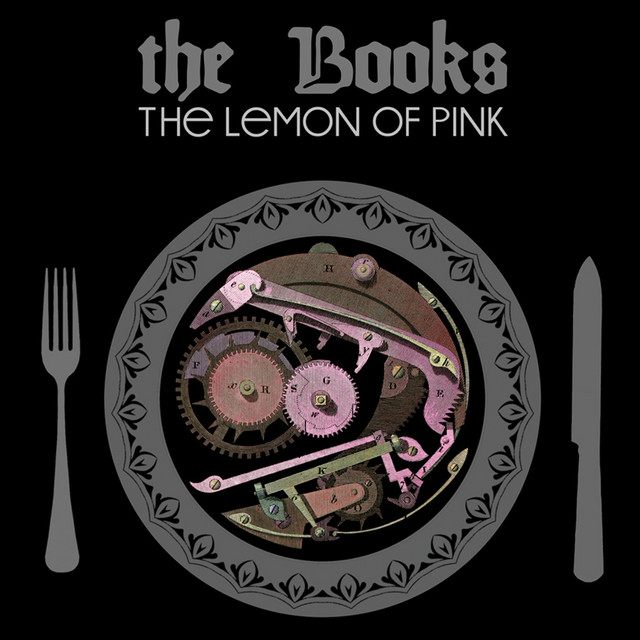
The Lemon of Pink
The Books
Folktronica
Sound Collage
Electronic
2010
1
/5
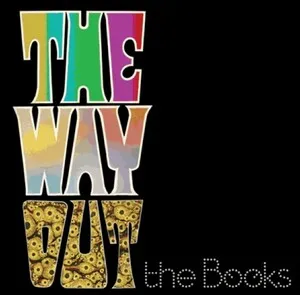
The Way Out
The Books
Folktronica
Plunderphonics
Electronic
Similar artists
1
/5
Various Artists
Afro-Funk
Alternative Rock
Ambient
4
/5
Dean Blunt
Collage Pop
Hypnagogic Pop
Electronic
3
/5
múm
Idm
Folktronica
Post-Rock
2
/5
Mice Parade
American Post-Rock
Electronic
Experimental
4
/5
Brian Eno
Ambient
Krautrock
Experimental
4
/5
The Avalanches
Collage Pop
Plunderphonics
Electronic
1
/5
John Zorn
Avant-Garde Jazz
Free Improvisation
Jazz
3
/5
Stereolab
Experimental Rock
No Wave
Post-Rock
2
/5
Current 93
Experimental
Neofolk
Industrial
2
/5
The Residents
Experimental
Minimal Wave
Post-Punk
Download our mobile app
Get the Melodigging app and start digging for new genres on the go
Download on the App Store
Get it on Google Play
© 2026 Melodigging
Give feedback
Legal
Melodding was created as a tribute to
Every Noise at Once
, which inspired us to help curious minds keep digging into music's ever-evolving genres.