Genres
Artists
Albums
Make Music
Sign in
Sign in
Artists
Luk Thung
Artists
Luk Thung
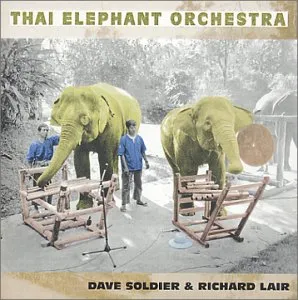
Thai Elephant Orchestra, Dave Soldier & Richard Lair
2002
·
1 album
Listen
1
/5
Genres
Conducted Improvisation
Conducted improvisation is a live-composition practice in which a conductor shapes collective improvisation in real time using a codified set of gestures, cue cards, and signals. Rather than pre-writing a fixed score, the conductor directs form, texture, dynamics, harmony, and orchestration on the spot, treating the ensemble as an instrument. Emerging from free jazz and experimental music, it bridges improvisers’ spontaneity with the clarity and contour of composed music. Systems such as Butch Morris’s Conduction, John Zorn’s game-piece approach (e.g., Cobra), and Walter Thompson’s Soundpainting offer different yet related languages for controlling entrances/exits, memory, repetition, density, and timbre. The result ranges from chamber-like transparency to big-band intensity, making conducted improvisation a flexible method used by jazz orchestras, experimental classical ensembles, and cross-genre collectives.
Discover
Listen
Phleng Phuea Chiwit
Phleng phuea chiwit, literally "songs for life," is a Thai folk-rock and protest-music tradition that blends Western singer-songwriter and rock idioms with Thai folk forms. It emerged around student and workers' movements in the 1970s and became a vehicle for social critique, storytelling, and cultural pride. Musically, it combines acoustic guitars and band-based rock arrangements with Thai instruments and melodic contours drawn from luk thung, luk krung, and mor lam. Lyrically, it is narrative and topical, addressing rural hardship, labor rights, democracy, and everyday struggles, often with poetic language and memorable choruses meant for communal singing.
Discover
Listen
Luk Thung
Luk thung (literally “child of the fields”) is Thailand’s post–World War II rural popular song style, often described as Thai country. It arose in central Thailand and was quickly embraced nationwide, especially in the northeast. Musically, it fuses Thai melodic sensibilities and ornamented, vibrato‑rich singing with hybrid ensembles that mix traditional instruments (e.g., khaen/khene, phin, saw duang/saw u, ranat) and Western band formats (electric guitars, bass, drum kit, brass, keyboards). Its rhythms and arrangements show cosmopolitan influences from Japanese enka, Indonesian kroncong/dangdut currents, Latin American dance idioms (mambo, rumba, bolero), and American country and popular music. Characteristic features include slow to moderate tempos, expressive melisma and portamento, lyrical storytelling about rural life, love and migration, and a polished stagecraft that blends folk identity with popular showmanship.
Discover
Listen
Experimental
Experimental music is an umbrella term for practices that prioritize exploration, process, and discovery over adherence to established genre norms. It embraces new sound sources, nonstandard tuning systems, indeterminacy and chance operations, graphic and open-form scores, extended techniques, and technology-led sound design (tape, electronics, computers, and live processing). Rather than a single style, it is a methodology and ethos: testing hypotheses about sound, structure, and performance, often blurring boundaries between composition, improvisation, sound art, and performance art. Listeners can expect unfamiliar timbres, unusual forms, and an emphasis on how music is made as much as the resulting sound.
Discover
Listen
Avant-Garde
Avant-garde music is an umbrella term for boundary-pushing practices that challenge prevailing norms of harmony, rhythm, timbre, form, and performance. It privileges experimentation, conceptual rigor, and a willingness to reframe what counts as music at all. Historically tied to early 20th‑century artistic modernism, avant-garde music introduced atonality, the emancipation of noise, and new forms of notation and process. It embraces indeterminacy, extended techniques, electronics, spatialization, and multimedia performance, treating sound as material to be sculpted, questioned, and reinvented.
Discover
Listen
Field Recording
Field recording is the practice and genre of capturing sounds in situ—outside the studio—using portable recording equipment. It centers on documenting environments, human activities, wildlife, weather, machinery, rituals, and music as they actually occur, often with minimal intervention. As a listening genre, field recording foregrounds place and presence. Releases may present unprocessed, extended takes (e.g., a shoreline at dawn), or carefully edited sequences that map a soundwalk, a village festival, or a factory floor. The results range from documentary-style fidelity to abstract, immersive soundscapes that emphasize texture, spatiality, and the ecology of sound.
Discover
Listen
Albums
2002
1
/5
Thai Elephant Orchestra
Thai Elephant Orchestra, Dave Soldier & Richard Lair
Conducted Improvisation
Avant-Garde
Experimental
Similar artists
2
/5
The Paradise Bangkok Molam International Band
Mor Lam
Electronic
Experimental
2
/5
Otomo Yoshihide
Experimental
Avant-Garde
Anime Lo-Fi
1
/5
Fred Frith
Free Improvisation
Avant-Garde
Experimental
1
/5
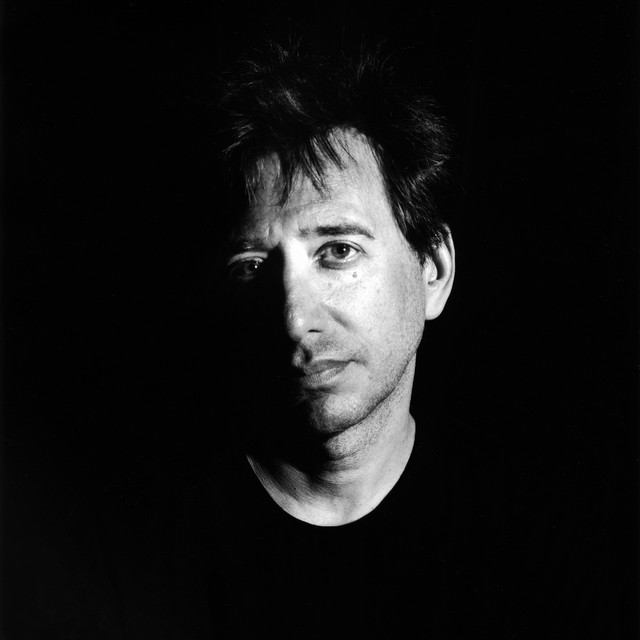
John Zorn
Avant-Garde Jazz
Free Improvisation
Jazz
1
/5
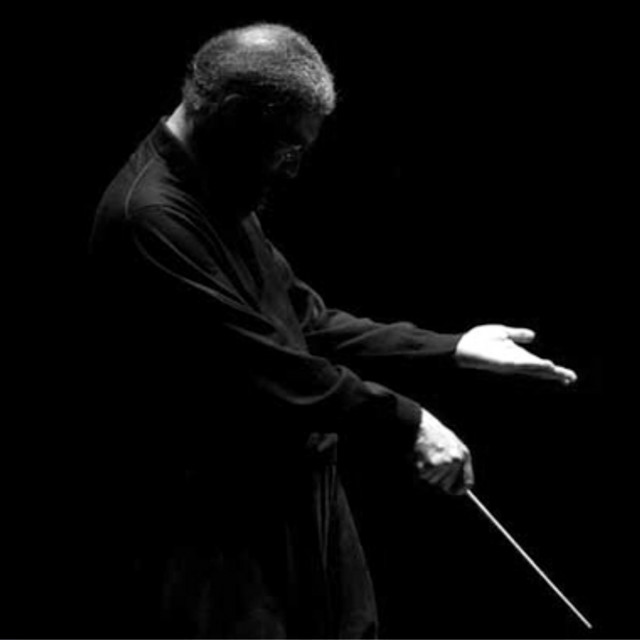
Nublu Orchestra
Avant-Garde
Experimental
Free Jazz
4
/5
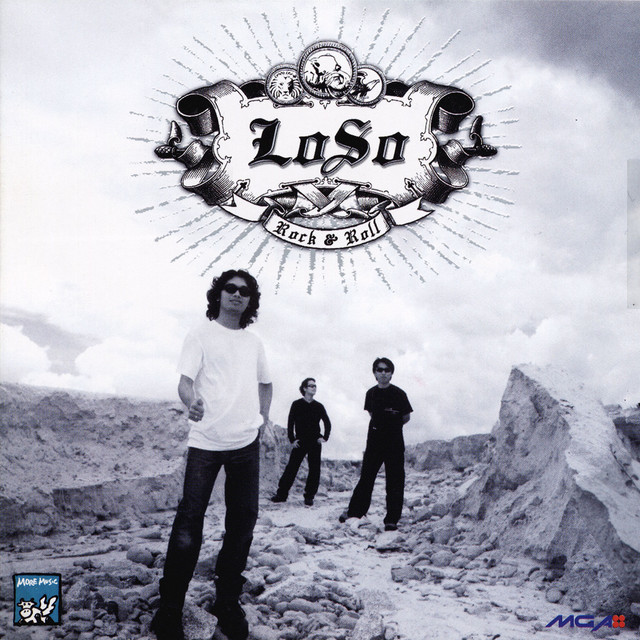
Loso
Luk Thung
Phleng Phuea Chiwit
Southern Thai Music
4
/5
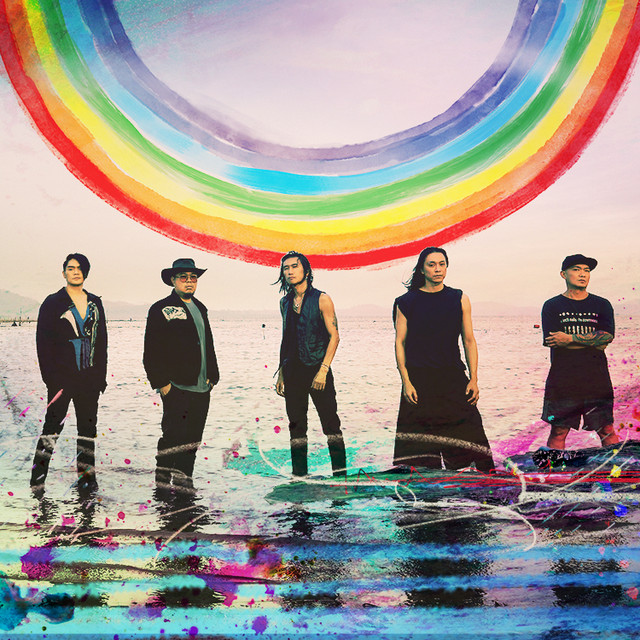
Bodyslam
Luk Thung
Nu-Metalcore
Phleng Phuea Chiwit
4
/5
PORZAX
Luk Thung
Phleng Phuea Chiwit
Thai Hip Hop
4
/5
KLEAR
Luk Thung
Phleng Phuea Chiwit
T-Pop
3
/5
KRK
Luk Thung
Phleng Phuea Chiwit
Southern Thai Music
Download our mobile app
Get the Melodigging app and start digging for new genres on the go
Download on the App Store
Get it on Google Play
© 2026 Melodigging
Give feedback
Legal
Melodding was created as a tribute to
Every Noise at Once
, which inspired us to help curious minds keep digging into music's ever-evolving genres.