Genres
Artists
Albums
Make Music
Sign in
Sign in
Artists
Psychobilly
Artists
Psychobilly
Swing Cats
Listen
1
/5
Genres
Psychobilly
Psychobilly is a high-octane fusion of 1950s rockabilly and late‑1970s punk rock, spiked with horror, sci‑fi, and B‑movie aesthetics. It is defined by twangy, reverb‑drenched guitars, an aggressively slapped upright (double) bass, and breakneck drums that push songs toward punk tempos. The style’s sound balances the swing and I‑IV‑V DNA of rockabilly with punk’s distortion, attitude, and shout‑along choruses. Lyrics typically revel in campy macabre imagery—monsters, hot rods, graveyards, radioactive romance—delivered with a snarling, tongue‑in‑cheek theatricality. Onstage, pompadours, quiffs, tattoos, coffin imagery, and the signature “wrecking” pit-dance complete a subcultural identity that is both retro and transgressive. While rooted in the United Kingdom scene of the early 1980s, psychobilly rapidly spread across Europe and the United States, cultivating a global circuit of dedicated bands, labels, and festivals.
Discover
Listen
Rockabilly
Rockabilly is one of the earliest styles of rock and roll, fusing the twang and storytelling of Southern country ("hillbilly") with the driving backbeat and boogie of rhythm & blues and jump blues. It is marked by slap‑back echo on vocals and guitar, slapping upright bass, twangy hollow‑body electrics, and energetic, danceable grooves. The classic rockabilly sound emerged from mid‑1950s Memphis studios such as Sun Records, where minimal drum kits (or none at all) mixed with percussive bass and bright, overdriven guitars. Songs are typically short, hooky, and built on 12‑bar blues or simple I–IV–V progressions, with lyrics about love, cars, dancing, and youthful rebellion.
Discover
Listen
Swing
Swing is a jazz style centered on a buoyant, danceable groove created by a walking bass, four-to-the-bar rhythm guitar, a backbeat emphasis on 2 and 4, and a lilted “swung” eighth-note feel. Typically performed by big bands (saxes, trumpets, trombones, and a rhythm section) as well as small combos, it balances written arrangements with improvised solos. Hallmarks include call-and-response between horn sections, riff-based melodies, shout choruses that build intensity near the end of an arrangement, and rich sectional voicings grounded in blues language and ii–V–I harmonic motion. Tempos range from medium to brisk, serving social dances like the Lindy Hop and Jitterbug. Swing’s expressive phrasing, dance-floor focus, and sophisticated arranging made it the dominant popular music of the late 1930s and early 1940s.
Discover
Listen
Similar artists
Hide discovered
2
/5
Brian Setzer
Psychobilly
Rockabilly
Swing
2
/5
Ray Collins' Hot Club
Boogie
Boogie-Woogie
Electro Swing
1
/5
Deluxtone Rockets
Christian Rock
Psychobilly
Rockabilly
1
/5
Various Artists
Soundtrack
Afro-Funk
Alternative Rock
3
/5
Imelda May
Neo-Rockabilly
Rockabilly
Blues
3
/5
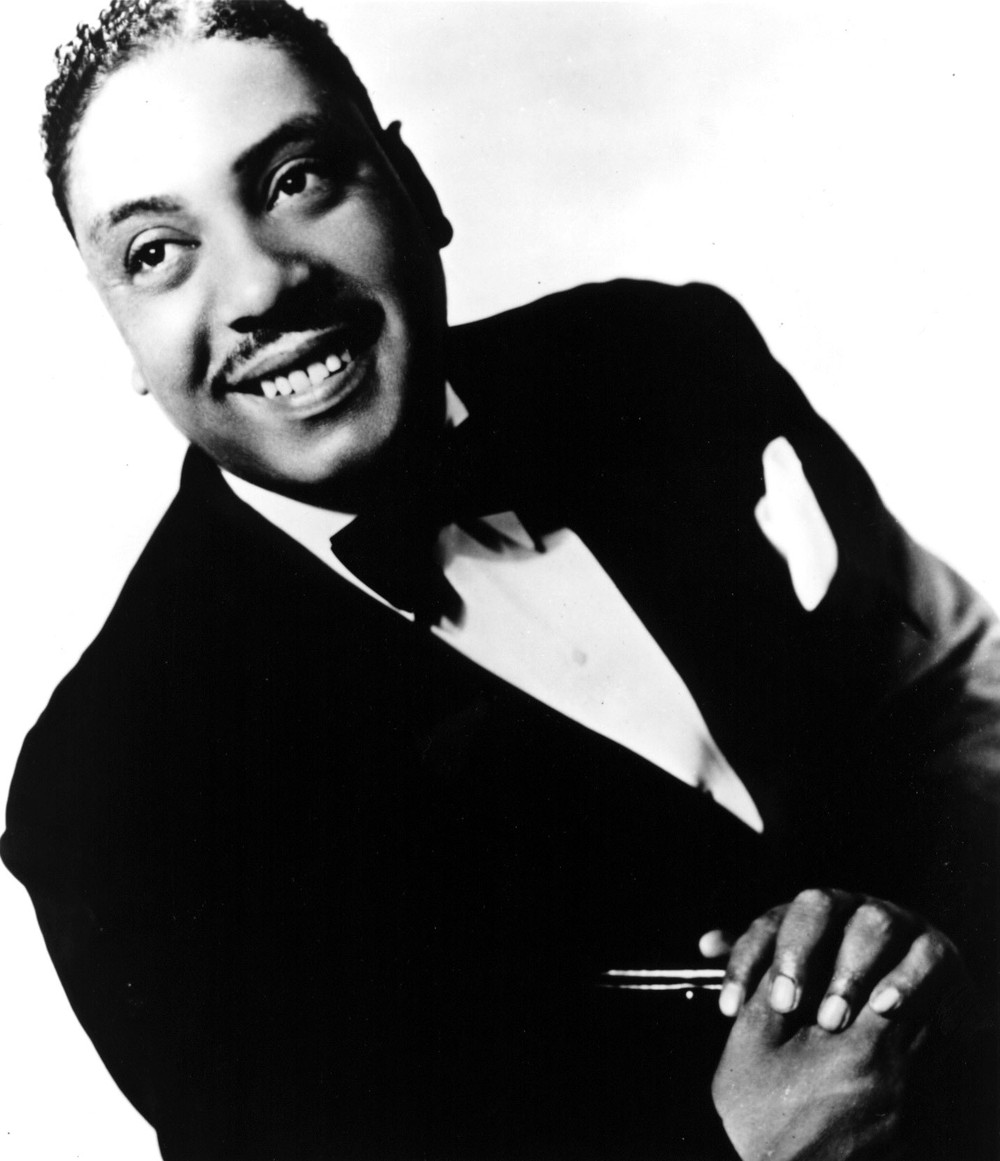
Big Joe Turner
Jump Blues
Blues
R&b
3
/5
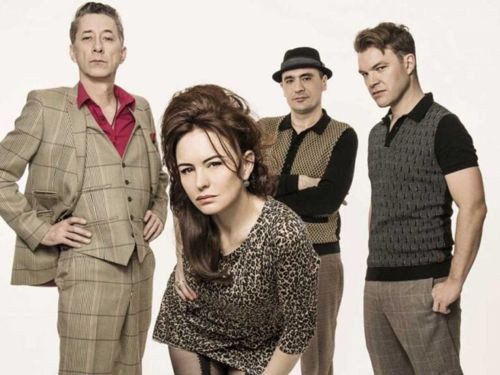
The Hillbilly Moon Explosion
Horror Punk
Psychobilly
Rockabilly
2
/5
Hillbilly Hellcats
Horror Punk
Psychobilly
Rockabilly
4
/5
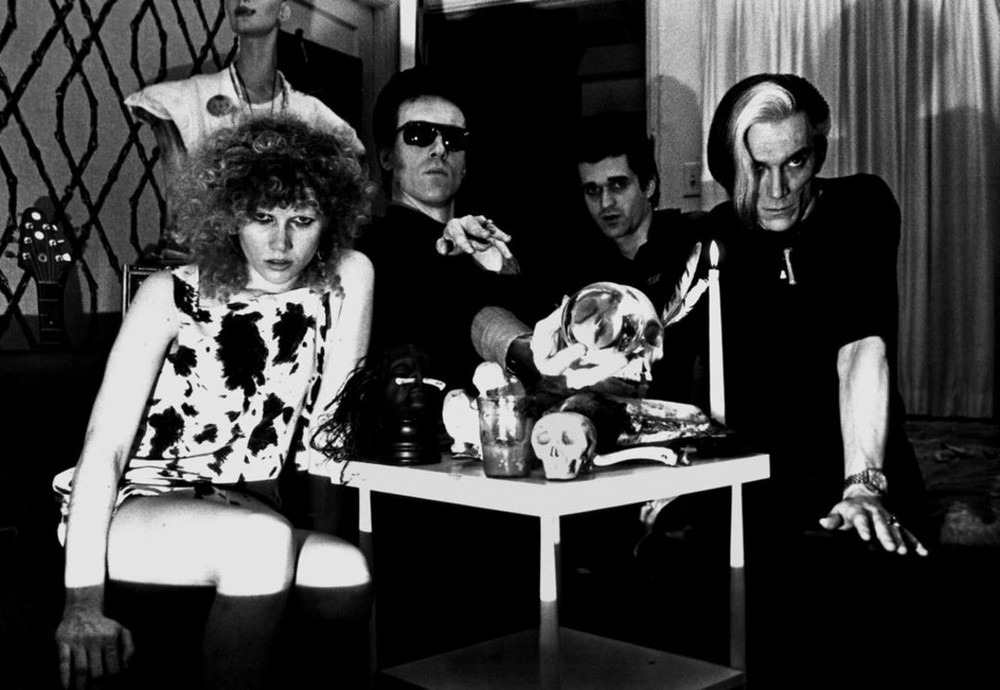
The Cramps
Psychobilly
Gothabilly
Rockabilly
3
/5
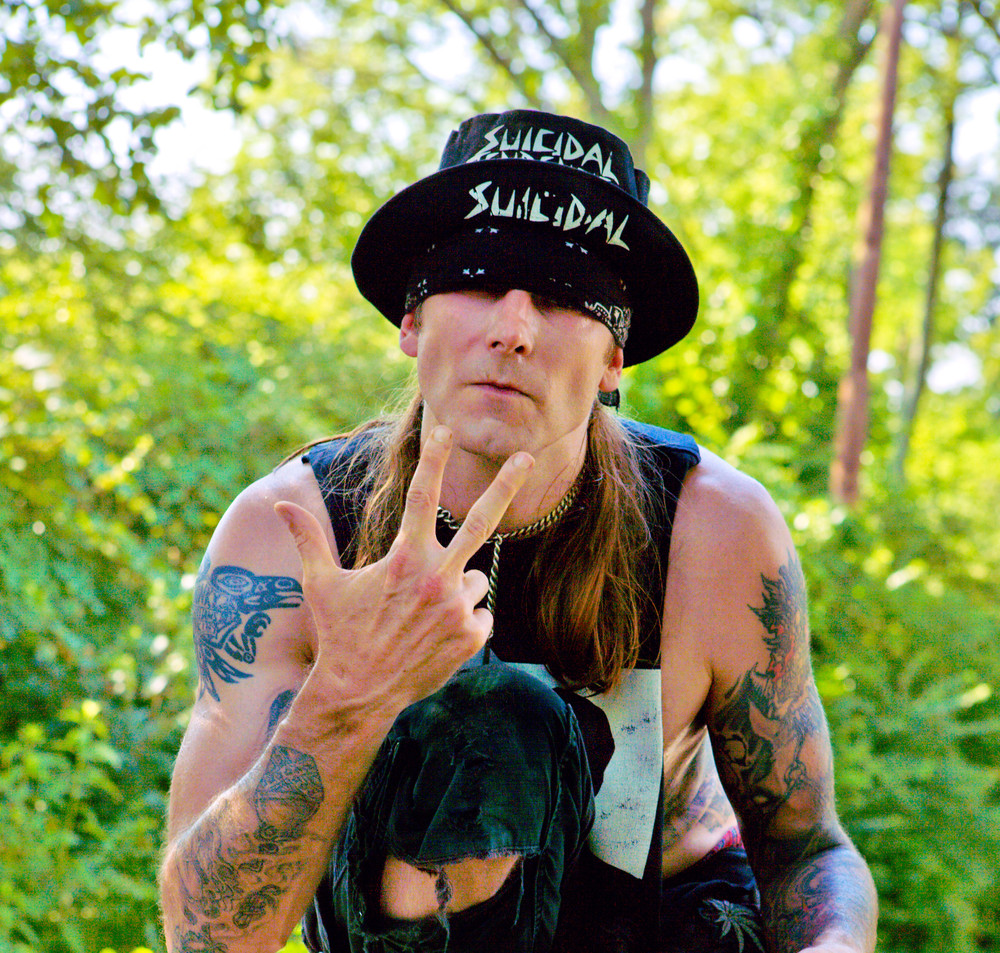
Hank Williams III
Alternative Country
Cowpunk
Country
Download our mobile app
Get the Melodigging app and start digging for new genres on the go
Download on the App Store
Get it on Google Play
© 2026 Melodigging
Give feedback
About & FAQ
Legal
Melodding was created as a tribute to
Every Noise at Once
, which inspired us to help curious minds keep digging into music's ever-evolving genres.