Genres
Artists
Albums
Make Music
Sign in
Sign in
Artists
J-Poprock
Artists
J-Poprock
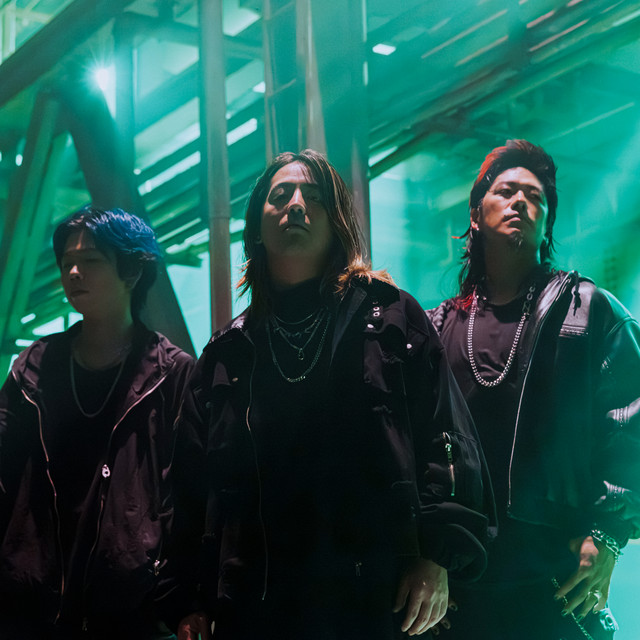
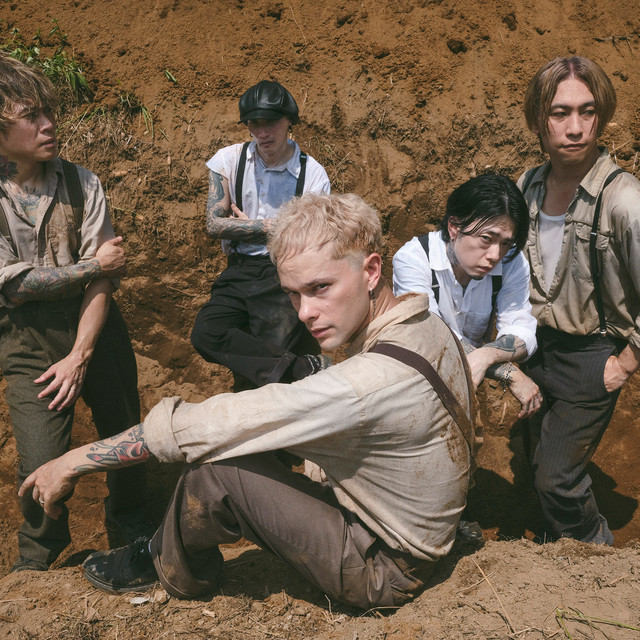
Survive Said The Prophet
2019–2025
·
3 albums
Listen
3
/5
Genres
Asian Rock
Asian Rock (in the contemporary online-rap sense) is a pluggnb-derived microstyle that fuses the dense, bouncy percussion of pluggnb with bright, anime/Asian-rock-tinged melodic cues. Production typically layers airy bells, mallet or synth plucks, and shimmering pads with soaring synthetic guitar leads that nod to Japanese rock and anime-score aesthetics. Vocals lean melodic—half-sung, half-rapped—with light autotune and emotive hooks, riding swung hi-hats, skipping rimshots, and rubbery 808 slides. Rather than a geographic tag, this style labels a sonic palette: internet-native trap built on pluggnb drums and glossy, nostalgic melodies that evoke anime openings and J-rock guitar heroics.
Discover
Listen
Sexy Drill
Sexy drill is a contemporary offshoot of drill that blends the genre’s signature sliding 808s, icy textures, and syncopated hi-hats with flirtatious, romantic, and often explicitly sensual lyrics. Where traditional drill leans into menace and street reportage, sexy drill softens the edges with melodic hooks, R&B-inflected toplines, and playful, self-assured delivery. The result is a club-ready, fashion-forward sound that keeps the rhythmic bite of UK/NY drill but swaps violent imagery for confident seduction and intimate narratives. Production typically sits around 138–145 BPM with gliding bass, chopped vocal stabs, airy pads, and bright percussive details. Vocals may alternate between rapped verses and sung refrains, frequently enhanced by tasteful Auto-Tune and ad‑libs that heighten the sultry mood.
Discover
Listen
Nu-Metalcore
Nu‑metalcore (often nicknamed "nu‑core") blends the bounce, hip‑hop inflections, and downtuned groove of late‑1990s nu metal with the breakdown‑heavy aggression and precise syncopation of 2000s metalcore. Expect sharply gated, low‑tuned riffs, halftime drops, and elastic grooves that swing between punchy chugs and percussive, djent‑like accents. Vocals typically jump from harsh screams and pitched‑down growls to rap‑leaning cadences and hooky, melodic choruses. Electronic textures—turntable cuts, glitch edits, sub‑drops, and 808 layers—are common, supporting a glossy yet crushing modern production aesthetic. Lyrically, the style carries nu metal’s confessional angst and social frustration while adopting metalcore’s cathartic intensity and mosh‑centric energy. The result is a contemporary, club‑ready heaviness that feels both nostalgic and forward‑looking.
Discover
Listen
Rap Metalcore
Rap metalcore is a hybrid style that fuses the rhythmic, lyrical flow of hip hop with the high-gain guitars, breakdowns, and screamed/sung hooks of metalcore. Compared to 1990s rap metal and nu metal, it keeps metalcore’s tighter, modern low-tuned riffing, double-time drumming, and cathartic breakdown structures, while foregrounding MC-style verses, rhyme schemes, and hip‑hop cadences. Production often blends live drums with programmed elements (808 subs, trap hats) and layers percussive, djent-leaning guitar chugs under rapped verses, then explodes into screamed or anthemic sung choruses. Lyrical themes span personal struggle, social commentary, resilience, and identity, delivered with a mix of rap’s directness and metalcore’s emotive intensity.
Discover
Listen
Speedrun
Speedrun is a gaming-adjacent EDM microgenre designed for adrenaline, focus, and momentum. It blends hyper-energetic drops with catchy, game-like melodies and rapid switch‑ups that mirror the pace and tension of timed gameplay. Typically sitting between 140–175+ BPM, the style pivots between half‑time dubstep weight, electro/complextro riffing, glitchy fills, and drum & bass acceleration. Producers favor bright, synthetic leads (often with chiptune flourishes), tightly sidechained supersaws, and animated bass design that stays clean and punchy for streaming. The mood is triumphant, high‑octane, and “level‑up” cinematic—made to keep speedrunners and viewers locked in.
Discover
Listen
Workout Product
Workout product is a functional, production-oriented music micro-genre built for high-energy exercise contexts—HIIT, cardio, strength circuits, spin, and bootcamps. Rather than being artist-led, it is library- and catalog-driven: concise, loop-friendly tracks emphasize a steady, powerful four-on-the-floor pulse, simple hyping hooks, and drop-focused structures that sustain intensity. Typical tempos fall in the 120–150 BPM range (often synced to rep cadence or interval timers), with bright, compressed sonics, sidechained bass, and clear transitional cues for work/rest blocks. It draws from mainstream EDM and dance-pop (big-room builds, future-bass lift, electro-house grit) and modern pop/rap percussion. The result is highly motivational, durable background music that helps pace workouts and energize group classes, digital fitness content, and gym environments.
Discover
Listen
Otacore
Otacore is a fan-driven, internet-native umbrella for music centered on anime, manga, gaming, and broader otaku culture. Rather than a single strict musical style, it describes a cluster of scenes where pop, electronic, rock, and rap intersect with anime aesthetics, story tropes, and character/fandom references. Typical otacore repertoires include Vocaloid productions, anisong-style pop/rock, high-energy EDM with kawaii sound design, nightcore-style edits, game-inspired chiptune flourishes, and cover cultures (English/Japanese) tied to anime and game franchises. Distribution and discovery are powered by platforms such as Nico Nico Douga, YouTube, SoundCloud, streaming playlists, and later TikTok, where memeability, fan videos (AMVs), and vtuber performances help songs spread globally.
Discover
Listen
Retro Pop
Retro pop is contemporary pop music that deliberately evokes the sound, songwriting, and studio aesthetics of earlier eras—most commonly the late 1970s and 1980s, but also the 1960s girl‑group era, 1970s disco, soft rock, and early 1990s pop-R&B. Hallmarks include analog-leaning synth textures, danceable four-on-the-floor or funky backbeats, prominent basslines, glossy chorus-heavy guitars, gated-reverb drums, stacked background vocals, and big, unforgettable hooks. While its palette looks backward, retro pop uses modern production workflows—tight low-end, streaming-friendly loudness, and contemporary vocal processing—so it feels nostalgic yet current. Lyrically, retro pop often pairs timeless pop themes (romance, yearning, nightlife, bittersweet memories) with sleek, neon-tinged imagery and cinematic nostalgia, bridging classic pop sensibilities with today’s chart expectations.
Discover
Listen
Swancore
Swancore is a bright, technical offshoot of post-hardcore marked by intricate, funk-tinged guitar work, elastic grooves, and the interplay of soaring clean vocals with harsher screams. Named after guitarist Will Swan (Dance Gavin Dance), the style emphasizes tight, syncopated riffing, frequent tapping, and jazz-fusion flourishes wrapped in catchy, pop-forward hooks. Arrangements pivot rapidly between aggressive bursts and sleek melodic passages. The harmony often ventures beyond basic triads to include extensions, mode mixture, and chromatic voice-leading, while drums favor ghost-note heavy, linear patterns and occasional odd-meter turns. Despite the complexity, Swancore typically retains an upbeat, glossy production aesthetic that highlights clarity, agility, and rhythmic snap.
Discover
Listen
Post-Post-Hardcore
Post-post-hardcore is a polished, third-wave offshoot of post-hardcore that crystallized in the 2010s. It fuses the genre’s emotive, dynamic vocals and tension-release structures with modern pop hooks, electronic programming, and metalcore heft. Compared with classic post-hardcore, it favors glossy production, radio-leaning choruses, and hybridized textures—think syncopated djent-lite riffs under bright synths, EDM-style risers and drops, half-time breakdowns, and call-and-response vocals (screamed versus soaring cleans). The result is an accessible yet intense sound that thrives in the internet era of playlists, YouTube covers, and scene cross-pollination.
Discover
Listen
J-Poprock
J‑poprock is a guitar‑driven Japanese pop style that blends the melodic immediacy and glossy production of J‑pop with the energy and instrumentation of rock bands. Hallmarks include hook‑forward choruses, bright major‑key writing, clean or lightly gritty vocals with tight harmonies, and arrangements that layer chiming rhythm guitars, lead riffs, synth pads, and punchy rhythm sections. Songs commonly use verse–pre‑chorus–chorus forms, feature a dynamic middle‑eight, and often modulate up a whole step for the final chorus. Lyrically, it centers on youthful emotion—resilience, friendship, bittersweet romance—and frequently sprinkles English catchphrases. The style has a strong presence in TV drama and anime themes, which shaped its concise, immediately memorable songwriting ethos.
Discover
Listen
Alternative Metal
Alternative metal blends the weight and riff-centric power of heavy metal with the experimentation, attitude, and sonic breadth of alternative rock. It favors downtuned guitars, groove-forward rhythm sections, dynamic shifts between quiet and loud passages, and a wide stylistic toolkit that can include funk syncopation, industrial textures, noise rock abrasion, and even hip-hop cadences. Vocals range from melodic crooning to aggressive shouts and screams; song forms often depart from standard verse–chorus structures in favor of unpredictable builds, angular bridges, and atmospheric interludes. Harmonically, it leans on modal colors (Aeolian, Dorian, Phrygian), dissonant intervals, and chromatic motion, while production choices highlight contrast—thick guitar layers set against open space, clean arpeggios against crushing walls of sound, and organic performances enhanced by creative effects.
Discover
Listen
Emo
Emo is a rock subgenre that emerged from the mid-1980s Washington, D.C. hardcore punk scene as “emotional hardcore” (often shortened to emocore). It retains punk’s urgency but foregrounds confessional, vulnerable lyrics and dramatic dynamic shifts. Across its eras, emo has encompassed several distinct sounds: the intense, cathartic D.C. style; the melodic, guitar‑intricate “Midwest emo” of the 1990s; and the 2000s mainstream wave that blended emo’s lyrical candor with pop‑punk hooks (often called “emo pop”). Common musical traits include intertwining clean and overdriven guitars, intricate arpeggios and counter‑melodies, elastic song structures, and vocals that range from intimate murmurs to raw, impassioned shouts.
Discover
Listen
Melodic Hardcore
Melodic hardcore is a subgenre of hardcore punk that fuses the speed, urgency, and ethics of hardcore with tuneful guitar writing and anthemic vocal lines. It retains the genre’s high-energy drumming, shouted delivery, and communal “gang vocals,” but foregrounds memorable melodies, octave leads, and minor-key harmonies. Compared to pop punk, melodic hardcore is generally harsher in tone, faster in tempo, and more lyrically introspective, often addressing personal struggle, perseverance, community, and social conscience. It sits between classic hardcore’s rawness and post-hardcore’s dynamics, offering emotionally charged songs that still hit with punk immediacy.
Discover
Listen
Post-Hardcore
Post-hardcore is a branch of hardcore punk that retains the style’s urgency and DIY ethos while expanding its musical vocabulary. Bands push beyond breakneck tempos and simple power-chord progressions into more dynamic song structures, varied rhythms, and a wider emotional range. Guitars often alternate between caustic distortion and clean, chiming textures; vocals can shift from shouted slogans to melodic singing; and arrangements emphasize tension-and-release, odd meters, and dramatic builds. Lyrically, post-hardcore tends to be more introspective and socially conscious than its hardcore roots, touching on personal, political, and philosophical themes.
Discover
Listen
J-Rock
J-rock (Japanese rock) is the umbrella term for rock music created in Japan, spanning everything from classic rock, punk, and metal to alternative, indie, and progressive strains. It blends Western rock instrumentation and songcraft with Japanese melodic sensibilities, crisp production, and lyrics primarily in Japanese (often mixed with some English phrases). Typical features include hook-forward choruses, expressive guitar leads, tight rhythm sections, and dynamic arrangements that can pivot from delicate verses to big, anthemic refrains. Because of Japan’s media ecosystem, J-rock frequently intersects with anime, TV dramas, and video games, which helps bands reach mainstream audiences while retaining a band-centric, live-performance identity. Although stylistically diverse, J-rock commonly emphasizes memorable melodies, emotional catharsis, and precise musicianship, with influences ranging from British Invasion and classic rock to punk/new wave, progressive rock, and heavy metal.
Discover
Listen
Anime
Anime (often called "anisong" for vocal themes) is the umbrella term for songs and scores created for Japanese animation, including opening/ending themes and background music. It blends contemporary J‑pop/J‑rock songwriting with dramatic orchestral scoring and modern electronic production, aiming for instantly memorable hooks and emotionally charged climaxes tailored to a show's narrative and characters. Stylistic hallmarks include high-register, expressive vocals; tight, hook-forward structures (especially 90-second “TV size” versions); bright, polished production; and frequent late-song key changes. Arrangements often hybridize rock bands, strings, brass, and EDM textures to deliver cinematic impact, while lyrics favor aspirational, metaphor-rich imagery that mirrors the series’ themes.
Discover
Listen
Rock
Rock is a broad family of popular music centered on amplified instruments, a strong backbeat, and song forms that foreground riffs, choruses, and anthemic hooks. Emerging from mid‑20th‑century American styles like rhythm & blues, country, and gospel-inflected rock and roll, rock quickly expanded in scope—absorbing folk, blues, and psychedelic ideas—while shaping global youth culture. Core sonic markers include electric guitar (often overdriven), electric bass, drum kit emphasizing beats 2 and 4, and emotive lead vocals. Rock songs commonly use verse–chorus structures, blues-derived harmony, and memorable melodic motifs, ranging from intimate ballads to high‑energy, stadium‑sized performances.
Discover
Listen
Show all 18 genres
Albums
2025
2
/5
X_AXIS
Survive Said The Prophet
J-Poprock
2023
3
/5
Paradox
Survive Said The Prophet
J-Poprock
Alternative Metal
J-Rock
2019
3
/5
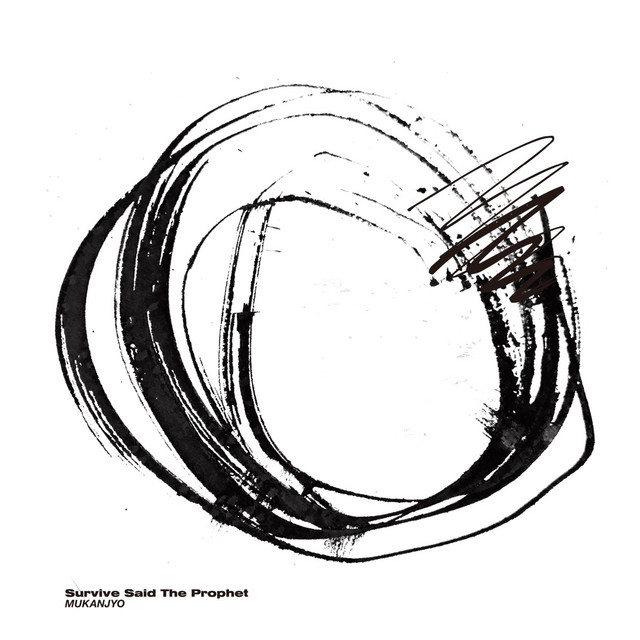
MUKANJYO
THREE LIGHTS DOWN KINGS, T.M.Revolution, Nakagawa, Shoko, Mio Yamazaki, Piko, B…
J-Poprock
Similar artists
4
/5
YUI
Anime
Isekai
J-Pop
3
/5
coldrain
Anime
Isekai
J-Rock
3
/5
Fear, and Loathing in Las Vegas
Electronicore
Anime
Electronic
4
/5
Aimer
J-Poprock
J-Pixie
J-Rock
4
/5
UVERworld
J-Poprock
Anime
Isekai
4
/5
ASIAN KUNG-FU GENERATION
J-Poprock
Indie Rock
Power Pop
4
/5
SPYAIR
J-Poprock
Anime
J-Pop
4
/5
ORANGE RANGE
J-Poprock
Anime
Isekai
4
/5
Ado
Vocaloid
J-Pop
J-Rock
4
/5
Kenshi Yonezu
J-Pop
J-Rock
Anime
Download our mobile app
Get the Melodigging app and start digging for new genres on the go
Download on the App Store
Get it on Google Play
© 2026 Melodigging
Give feedback
Legal
Melodding was created as a tribute to
Every Noise at Once
, which inspired us to help curious minds keep digging into music's ever-evolving genres.