Genres
Artists
Albums
Make Music
Sign in
Sign in
Artists
Canterbury Scene
Artists
Canterbury Scene
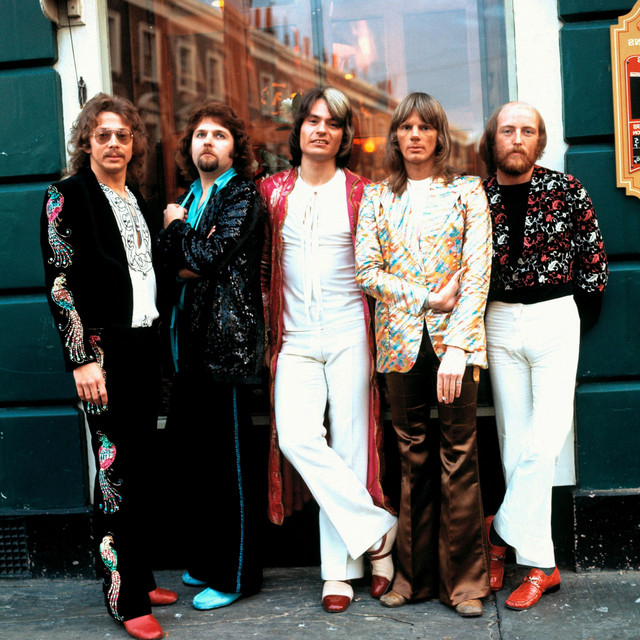
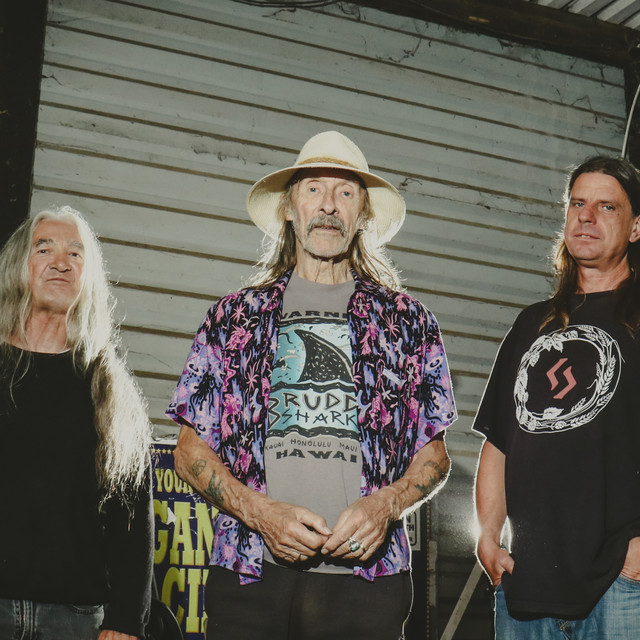
Strawbs
1973–1974
·
2 albums
Listen
2
/5
Genres
Canterbury Scene
The Canterbury scene is a branch of late‑1960s British progressive rock whose musicians clustered around the city of Canterbury in England. It blends psychedelic rock’s exploratory spirit with the harmonic language and improvisational freedom of modern jazz, favoring sophisticated song forms, whimsical English wit, and a warm, organ‑rich timbre. Compared with heavier strands of prog, Canterbury music tends to be lighter in touch, melodically playful, and harmonically adventurous, often moving between odd meters and swung grooves, extended jazz chords, and conversational ensemble interplay. Vocals and lyrics are frequently surreal, self‑aware, and gently humorous, while the arrangements pivot between tightly composed passages and open improvisation.
Discover
Listen
Art Rock
Art rock is a branch of rock music that treats the studio and the album as spaces for artistic experimentation, emphasizing conceptual ideas, ambitious arrangements, and cross-pollination with modernist and avant-garde traditions. It typically favors extended song forms, thematic or conceptual unity, and non-standard instrumentation (strings, woodwinds, synthesizers) alongside rock’s core band setup. Lyrically, it leans toward literary, surreal, or philosophical subjects and often adopts theatrical presentation. Where mainstream rock centers on immediacy and hooks, art rock embraces risk: unusual time signatures, timbral exploration, complex harmony, tape and electronic manipulation, and interludes that draw from classical, jazz, minimalism, and experimental music.
Discover
Listen
Baroque Pop
Baroque pop is a mid‑1960s fusion of contemporary pop/rock songwriting with the timbres, textures, and contrapuntal techniques of Baroque and broader European classical music. It is marked by harpsichord and piano doubling, string quartets or small orchestras, woodwinds (oboe, recorder, bassoon), French horn and piccolo trumpet colors, and melody‑forward arrangements that favor counter‑melodies and suspensions over riff‑based accompaniment. Harmonies tend to be richer than standard rock, with chromatic voice‑leading, circle‑of‑fifths motion, deceptive cadences, and occasional modulations. Production is usually lush and reverberant, supporting reflective, often nostalgic or romantic lyrics. Although it overlaps with orchestral pop and psychedelic pop, baroque pop is distinguished by its chamber‑scale instrumentation, Baroque idioms (basso continuo feel, ornamented lines), and the way classical elements are woven into compact pop song forms.
Discover
Listen
Folk Rock
Folk rock is a fusion genre that blends the narrative lyricism, modal melodies, and acoustic timbres of traditional folk with the backbeat, amplification, and song structures of rock. It typically pairs acoustic or traditional instruments (acoustic guitar, mandolin, fiddle) with a rock rhythm section (electric guitar, bass, drums), often featuring chiming 12‑string guitar textures, close vocal harmonies, and socially conscious or storytelling lyrics. The result ranges from intimate, reflective ballads with a steady backbeat to more anthemic, roots‑driven rock. Emerging in the mid‑1960s through artists such as Bob Dylan and The Byrds, folk rock became a gateway for traditional and roots materials to enter mainstream popular music, and it seeded later movements from country rock and Americana to jangle pop and modern indie folk.
Discover
Listen
Progressive Rock
Progressive rock is a rock subgenre that expands the genre’s formal, harmonic, and conceptual boundaries. It favors long-form compositions, intricate arrangements, and virtuosic musicianship, often drawing on Western classical, jazz, folk, and psychedelic idioms. Typical hallmarks include multi-part suites, shifting time signatures, extended instrumental passages, recurring motifs, and concept albums that present unified themes or narratives. The sound palette commonly features electric guitar, bass, and drums alongside an array of keyboards (Hammond organ, Mellotron, Moog/ARP synthesizers, piano), woodwinds or brass, and occasional orchestral additions. Lyrics often explore science fiction, mythology, philosophy, social commentary, and introspective themes.
Discover
Listen
Psychedelic Folk
Psychedelic folk (often called acid folk or psych folk) blends the acoustic intimacy and modal harmony of traditional folk with the exploratory textures, surreal lyricism, and studio experimentation of psychedelic music. It typically favors acoustic guitars, hand percussion, flutes, drones (e.g., tambura or harmonium), and small acoustic instruments, while embracing effects such as reverb, delay, tape manipulation, field recordings, and unconventional song structures. Lyrics tend toward the pastoral, mystical, and dreamlike—drawing on folklore, nature, and visionary or inward-looking themes. Musically, it often uses modal melodies (Dorian, Mixolydian), drones, fingerstyle guitar in open tunings, and hypnotic ostinatos, creating a hazy, otherworldly atmosphere that sits between singer‑songwriter intimacy and psychedelic exploration.
Discover
Listen
Progressive Folk
Progressive folk is a strand of folk music that adopts the exploratory spirit, extended forms, and harmonic richness of progressive rock and jazz while remaining rooted in traditional songcraft and acoustic timbres. It favors modal melodies, intricate fingerpicking, and unusual time signatures, often weaving together British and Celtic folk idioms with classical and jazz-informed arrangements. Compared with straight folk or folk rock, progressive folk is more ambitious in structure: suites, long-form ballads, and thematic albums are common. Lyrically it ranges from pastoral and mythical to philosophical and introspective, and it frequently experiments with instrumentation (e.g., dulcimer, sitar, harp, early music winds) and layered vocal counterpoint. The result is music that feels both ancient and modern—earthy yet expansive.
Discover
Listen
Folk
Folk is a song-centered acoustic tradition rooted in community storytelling, everyday life, and social history. It emphasizes clear melodies, simple harmonies, and lyrics that foreground narrative, protest, and personal testimony. As a modern recorded genre, folk coalesced in the early-to-mid 20th century in the United States out of older ballad, work song, and rural dance traditions. It typically features acoustic instruments (guitar, banjo, fiddle, mandolin, harmonica), strophic song forms, and participatory singing (choruses, call-and-response).
Discover
Listen
Show all 8 genres
Albums
1974
2
/5
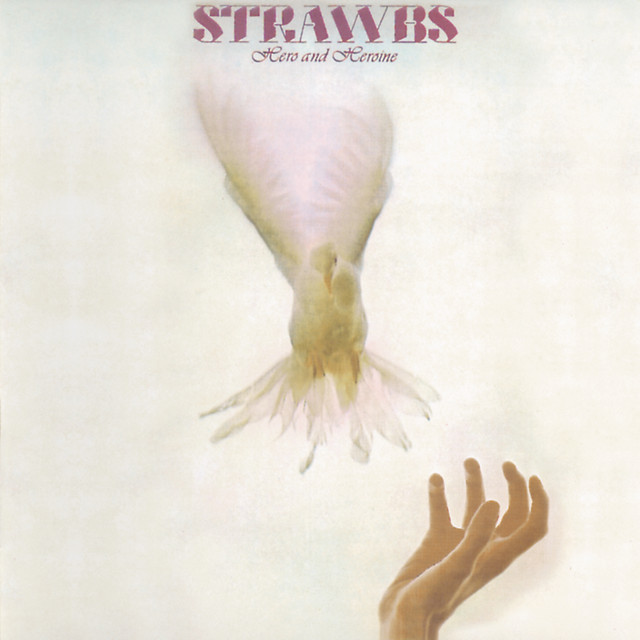
Hero And Heroine
Strawbs
Canterbury Scene
Psychedelic Folk
1973
2
/5
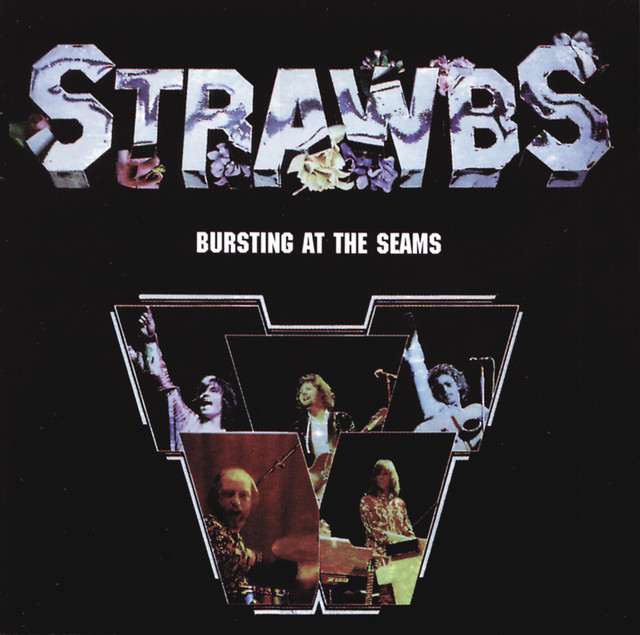
Bursting At The Seam
Strawbs
Canterbury Scene
Similar artists
3
/5
Hawkwind
Canterbury Scene
Space Rock
Hard Rock
2
/5
Gong
Canterbury Scene
Space Rock
Progressive Rock
2
/5
Beggars Opera
Canterbury Scene
Art Rock
Krautrock
2
/5
Hatfield & The North
Canterbury Scene
Jazz Rock
Art Rock
2
/5
Family
Canterbury Scene
Progressive Rock
Acid Rock
1
/5
Matching Mole
Canterbury Scene
Art Rock
Krautrock
1
/5
Henry Cow
Rock In Opposition
Art Rock
Canterbury Scene
2
/5
Soft Machine
Jazz Fusion
Progressive Rock
Canterbury Scene
2
/5
Caravan
Progressive Rock
Canterbury Scene
Art Rock
2
/5
Kevin Ayers
Canterbury Scene
Art Rock
Krautrock
Download our mobile app
Get the Melodigging app and start digging for new genres on the go
Download on the App Store
Get it on Google Play
© 2026 Melodigging
Give feedback
Legal
Melodding was created as a tribute to
Every Noise at Once
, which inspired us to help curious minds keep digging into music's ever-evolving genres.