Genres
Artists
Albums
Make Music
Sign in
Sign in
Artists
Utaite
Artists
Utaite
Sou
2017–2018
·
2 albums
Listen
3
/5
Genres
Asian Rock
Asian Rock (in the contemporary online-rap sense) is a pluggnb-derived microstyle that fuses the dense, bouncy percussion of pluggnb with bright, anime/Asian-rock-tinged melodic cues. Production typically layers airy bells, mallet or synth plucks, and shimmering pads with soaring synthetic guitar leads that nod to Japanese rock and anime-score aesthetics. Vocals lean melodic—half-sung, half-rapped—with light autotune and emotive hooks, riding swung hi-hats, skipping rimshots, and rubbery 808 slides. Rather than a geographic tag, this style labels a sonic palette: internet-native trap built on pluggnb drums and glossy, nostalgic melodies that evoke anime openings and J-rock guitar heroics.
Discover
Listen
Yakousei
Yakousei is an eclectic, internet-native strain of J‑Pop that coalesced in the late 2010s. It blends Vocaloid-informed songwriting with indie pop sensibilities, bright electropop textures, and danceable, club‑ready grooves. Lyrically, the style leans inward: songs often explore sleepless nights, urban solitude, and coming‑of‑age anxieties, pairing intimate narratives with big, melodic hooks. Production favors glossy synths, clean guitars, and tightly programmed drums, while vocals—human or software‑assisted—trace agile, hook‑dense lines that feel both nostalgic and contemporary.
Discover
Listen
Men Chika
Men chika (メン地下) is the Japanese underground male idol scene, made up of boy groups who perform high-energy J‑pop and dance-pop in small live houses, theaters, and idol events rather than on major mainstream stages. Musically it blends glossy J‑pop songwriting with club-ready EDM/electropop production, punchy hooks built for call-and-response, and chant breaks designed for wotagei/fan MIX participation. Songs commonly feature bright synths, four-on-the-floor or trap-inflected grooves, stacked gang shouts, and key‑change finales. Lyrically the focus is on youth, dreams, devotion, and intimacy with fans—reinforced by close-contact fan practices like cheki (instax photos) and meet-and-greets. Culturally, men chika parallels the long-running “chika idol” (underground idol) movement on the women’s side, but orients to a largely female fanbase and a circuit centered on Tokyo live houses and regional circuits. It is as much a participatory fan culture as it is a sound, shaping how songs are arranged, staged, and monetized.
Discover
Listen
Jirai Kei
Jirai kei is a recent Japanese internet-born pop micro‑genre and aesthetic that blends cute, sugary sounds with darker, obsessive and self‑destructive themes. The term comes from a fashion/aesthetic scene associated with yamikawaii and menhera culture, and in music it describes songs that sound soft and adorable on the surface but conceal lyrics about toxic love, dependency, jealousy, and emotional volatility. Sonically, jirai kei draws from J‑pop and Vocaloid traditions (denpa/picopop brightness, catchy hooks) while adopting modern hyperpop gloss, trap/EDM percussion, and highly edited, youthful vocals. The contrast between childlike, pastel timbres and intense, confessional writing is central to the style, making it both immediately hooky and emotionally sharp—an audio embodiment of “cute but dangerous.”
Discover
Listen
Kawaii Edm
Kawaii EDM is a Japanese-born microgenre of electronic dance music that blends bright, "cute" pop aesthetics with modern club production. It emphasizes sparkling timbres, buoyant melodies, and animated sound design (glissando "chirps," toy-like mallets, chip-bleeps, and airy vocal chops) while keeping EDM’s sidechained punch and dance-floor momentum. Stylistically, it sits at the intersection of J‑pop songwriting and future-bass/EDM frameworks: major or Lydian-leaning harmonies, jazzy 7ths/9ths, catchy hooks, and half‑time drops with supersaw stacks or bell/pluck arpeggios. Visually and culturally, it is inseparable from anime, doujin/otaku culture, and internet netlabel communities, pairing sugar‑rush optimism with a polished, hyper-detailed mix.
Discover
Listen
Retro Pop
Retro pop is contemporary pop music that deliberately evokes the sound, songwriting, and studio aesthetics of earlier eras—most commonly the late 1970s and 1980s, but also the 1960s girl‑group era, 1970s disco, soft rock, and early 1990s pop-R&B. Hallmarks include analog-leaning synth textures, danceable four-on-the-floor or funky backbeats, prominent basslines, glossy chorus-heavy guitars, gated-reverb drums, stacked background vocals, and big, unforgettable hooks. While its palette looks backward, retro pop uses modern production workflows—tight low-end, streaming-friendly loudness, and contemporary vocal processing—so it feels nostalgic yet current. Lyrically, retro pop often pairs timeless pop themes (romance, yearning, nightlife, bittersweet memories) with sleek, neon-tinged imagery and cinematic nostalgia, bridging classic pop sensibilities with today’s chart expectations.
Discover
Listen
Utaite
Utaite refers to amateur and semi‑professional online singers who post cover versions of songs—especially Vocaloid, anime, and contemporary J‑Pop/J‑Rock—usually under a pseudonym. The Japanese term literally means “singer,” but within online culture it specifically denotes cover artists active on platforms such as Niconico (Nico Nico Douga) and YouTube. Utaite typically collaborate with a small creative circle (arrangers/producers, “mixers,” video editors, and illustrators) to re‑imagine existing songs with new keys, fresh arrangements, stacked harmonies, and distinctive vocal color. The scene is closely tied to otaku and dōjin communities and thrives on anonymity, fan feedback, frequent uploads, and highly stylized online personas.
Discover
Listen
J-Pop
J-pop (Japanese pop) is a broad umbrella for mainstream Japanese popular music that blends Western pop/rock, dance, and R&B with distinctly Japanese songwriting, vocal delivery, and industry practices. It is characterized by strong hooks, polished production, bright synths and guitars, frequent key changes and modulatory bridges, and chorus-first or chorus-centric structures. J-pop spans idol groups, singer-songwriters, band-oriented pop-rock, electronic dance-pop, and R&B ballads, while remaining closely tied to television, advertising, video games, and anime tie-ins (anisong).
Discover
Listen
Show all 8 genres
Albums
2018
3
/5
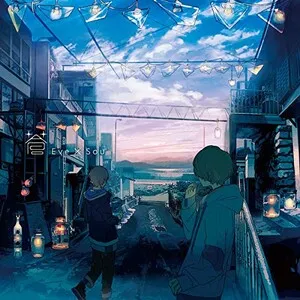
Blue 蒼
Eve & Sou
Utaite
Yakousei
J-Pop
2017
2
/5
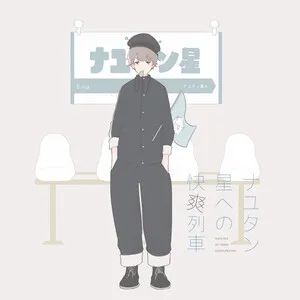
Nayutan sei eno kaisou ressya ナユタン星への快爽列車
Sou & Nayutan Seijin ナユタン星人
Utaite
Similar artists
4
/5
Eve
Yakousei
J-Pop
Utaite
4
/5
Ado
Vocaloid
J-Pop
J-Rock
3
/5
Mafumafu
J-Pop
Anime
J-Rock
4
/5
ZUTOMAYO
J-Pop
Japanese Indie
Yakousei
3
/5
稲葉曇
J-Pop
Vocaloid
Yakousei
3
/5
ファントムシータ
Alternative Idol
Yakousei
J-Pop
3
/5
TUYU
Rhythm Game
Yakousei
J-Pop
2
/5
x0o0x_
J-Pop
Men Chika
Vocaloid
3
/5
Kairikibear
Vocaloid
Men Chika
Neru
3
/5
CHiCO with HoneyWorks
J-Pop
Utaite
Anime
Download our mobile app
Get the Melodigging app and start digging for new genres on the go
Download on the App Store
Get it on Google Play
© 2026 Melodigging
Give feedback
Legal
Melodding was created as a tribute to
Every Noise at Once
, which inspired us to help curious minds keep digging into music's ever-evolving genres.