Genres
Artists
Albums
Make Music
Sign in
Sign in
Artists
Rock
Artists
Rock
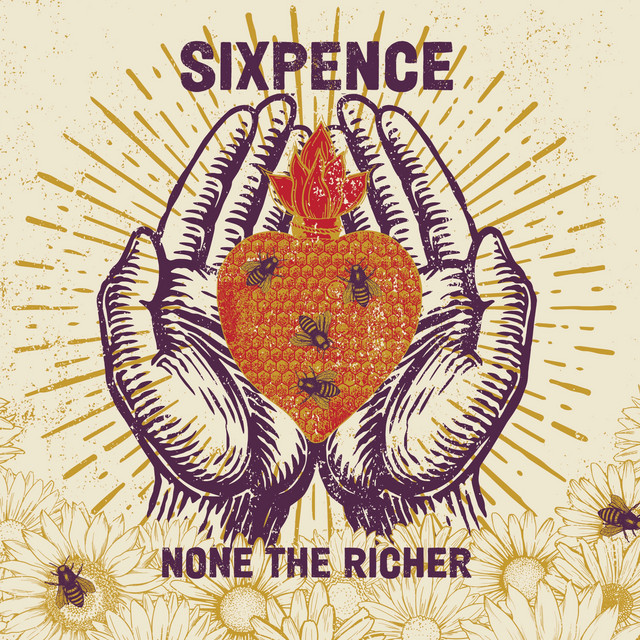
Sixpence None The Richer
1994–2012
·
6 albums
Listen
4
/5
Genres
Zoomergaze
Zoomergaze is a Gen Z, internet-native evolution of shoegaze that fuses the genre’s dense, guitar-washed textures with hyperpop/digicore maximalism and modern trap/emo-rap rhythm programming. It favors blown‑out saturation, brickwalled dynamics, digital clipping, and wide stereo fields, often pairing jet‑engine guitars with 808 subs, jittery hi‑hats, breakbeat flourishes, and intimate, lightly Auto‑Tuned vocals. The mood leans dreamy yet emotionally raw—nostalgic, melancholic, and diaristic—delivered through DIY production that thrives on Bandcamp, SoundCloud, and TikTok discovery. Where classic shoegaze hid the singer in the mix, Zoomergaze keeps the voice present and personal, weaving confessional hooks into shimmering noise and glitchy, internet-era sound design.
Discover
Listen
Lilith
Lilith is a mood-driven, internet-native microgenre that blends dark, feminine alternative pop with elements of trip hop, dream pop, witch house, and ethereal wave. It favors breathy or intimate vocals drenched in reverb, slow to mid-tempo grooves, spectral pads, and cinematic, minor-key harmonies that evoke occult, gothic, or mythic imagery. The overall sound is bass-forward yet gauzy: sub-heavy 808s or dusty breakbeats sit under shimmering guitars, distant choirs, and textural synths. Lyrically, Lilith leans into vulnerability, power, hauntings, and desire—frequently framed through confessional writing and ritual or nocturnal symbolism. It’s less a scene tied to a single city than a streaming-era aesthetic, cohering through playlists and social media communities.
Discover
Listen
The Wave
The Wave is a loosely defined cluster of American post-hardcore/emo bands that surged in the early 2010s as emo-pop’s mainstream moment faded. The name was a tongue‑in‑cheek scene tag that stuck in press coverage, but it points to a real overlap in sound, ethos, and touring networks. Musically, The Wave fuses the urgency of 1990s post‑hardcore and screamo with confessional, literate lyric writing associated with emo. Expect shouted or half‑sung/half‑spoken vocals, dynamic quiet‑loud builds, intricate but driving drums, and guitar textures that shift between glassy clean arpeggios and overdriven, emotive climaxes. The songs often emphasize catharsis, narrative detail, and community-minded DIY presentation.
Discover
Listen
Pov: Indie
"pov: indie" is a social-media-native microstyle built around short, cinematic indie-pop/indie-rock snippets designed to accompany a first-person (POV) narrative. Instead of being defined by a single new musical technique, it is defined by context: the music is chosen or written to feel like the soundtrack to a specific moment (a crush, a late-night walk, moving to a new city, seasonal nostalgia). Sonically it typically uses bright but soft guitars or synths, intimate vocals, simple memorable hooks, and production that reads clearly on phone speakers. The emotional tone is often wistful, tender, and “coming-of-age,” with lyrics that can be understood quickly in a 10–30 second clip.
Discover
Listen
Candy Pop
Candy pop is a super-bright, hook-forward branch of contemporary pop that emphasizes sweetness in both sound and theme. It blends bubblegum-style melodies with modern, glossy production, favoring catchy toplines, clean harmonies, and playful textures. Arrangements lean on glittery synths, claps, hand-percussion, and buoyant four-on-the-floor or bouncy half-time beats. Lyrics typically revolve around crushes, friendship, first love, and carefree fun, delivered with enthusiastic, youthful vocals. Compared with classic bubblegum pop, candy pop adopts current pop techniques (EDM builds, post-chorus hooks, subtle trap-lite percussion) and borrows visual and melodic cues from J-pop and K-pop’s “kawaii” aesthetics.
Discover
Listen
High Vibe
High vibe is a contemporary, wellness-oriented microgenre that blends uplifting pop songwriting with gentle electronic textures and spiritually tinged lyrics. It emphasizes positivity, gratitude, self-empowerment, and connection to nature, often employing soothing vocal timbres, airy pads, acoustic guitars or piano, and light, mid-tempo grooves. The production is spacious and warm, favoring reverb-washed atmospheres, soft percussion, and subtle world-influenced instrumentation to create a sense of calm elevation. While rooted in pop accessibility, high vibe draws on new age and devotional traditions, bringing mantra-like hooks and affirmational refrains into modern indie and electronic frameworks.
Discover
Listen
Shimmer Pop
Shimmer pop is a glossy, hook-forward offshoot of indie pop that emphasizes bright, “glassy” textures and dreamy atmospheres. Its sound is defined by clean, chorus‑drenched guitars or twinkling synth arpeggios, lush pads, and wide, sparkling high‑end detail that gives the music a literal sense of shimmer. Production often merges retro new‑wave and synth‑pop colors with modern indietronica polish, pairing side‑chained synths and gated reverbs with crisp, contemporary drum programming. Melodies are unabashedly pop, while the lyrics frequently explore romantic longing, youthful nostalgia, and late‑night introspection. Tempos typically sit in the mid‑tempo range, with steady 4/4 grooves or lightly syncopated patterns that keep the music buoyant and danceable without becoming aggressive. The overall mood balances optimism and wistfulness, creating a sound that feels both neon‑bright and emotionally tender.
Discover
Listen
Connecticut Indie
Connecticut indie is a regional strain of U.S. indie rock that blends the heartfelt directness of emo-revival with the fuzzy guitars, DIY ethics, and adventurous textures of New England’s underground. Rooted in college-town and small-city scenes (Middletown, New Haven, Willimantic, Hartford), the sound swings between twinkly, lyrically confessional indie and louder, shoegaze- or noise-tinged guitar rock. You’ll hear gang-vocal catharsis, transparent production that favors live-room energy, and occasional orchestral or synth flourishes that reflect the area’s art-school and experimental leanings. While it is geographically defined, the micro-scene’s bands networked nationally through house shows, small labels, and online communities, making Connecticut indie both locally grounded and widely connected.
Discover
Listen
Dreamgaze
Dreamgaze is a contemporary, internet-era blend of shoegaze and dream pop that emphasizes hazy guitar textures, soft vocals, and a nostalgic, romantic atmosphere. The style favors slow-to-mid tempos, chorus- and reverb-drenched guitars, gauzy synth pads, and pillow-soft drum programming or lightly compressed live drums. Vocals tend to be breathy and mixed as part of the texture rather than as a dominant lead, with lyrics that evoke memory, distance, and intimate, cinematic imagery. Production leans toward lush ambience and gentle saturation—think washed-out delays, shimmering modulations, side-chained pads, and layers of stereo width—creating a weightless, dreamlike sound field.
Discover
Listen
Writing
Writing is a functional, streaming-era microgenre designed to support reading and writing by providing an unobtrusive sonic backdrop. It favors gentle dynamics, sparse textures, and a stable emotional temperature that reduces distraction while maintaining a subtle sense of flow. The sound palette commonly blends modern classical elements (felt piano, light strings), ambient pads and drones, soft post-rock guitars with long reverb tails, and understated downtempo or lo-fi rhythms. Tempos are typically slow to moderate (often 60–90 BPM) or pulse-free, with simple, repetitive motifs and gradual evolution rather than dramatic contrasts. Harmonically, it leans on consonant, slowly changing chords, modal centers, and extended triads for warmth, avoiding sharp dissonance or sudden modulations. Vocals, when present at all, are wordless; most tracks are instrumental to preserve focus.
Discover
Listen
Machine Rock
Machine rock is a hybrid rock style that fuses hard-edged rock instrumentation with the rigid pulse, repetition, and synthetic textures of industrial and electronic music. The genre typically emphasizes mechanical precision, distorted guitars, sequenced rhythms, processed vocals, and a cold, metallic sonic atmosphere. It often feels more locked to programmed groove than traditional rock, with riffs and drum patterns designed to sound motoric, automated, and machine-driven. In practice, machine rock sits between industrial rock, electronic rock, industrial metal, and sometimes EBM-inflected rock. It favors tight rhythmic control, layered distortion, synthetic bass or sequencer lines, and production aesthetics that highlight compression, repetition, and digital or metallic timbres.
Discover
Listen
Alternative Ccm
Alternative CCM (Alternative Contemporary Christian Music) is a faith-oriented offshoot of contemporary Christian music that borrows the textures, songcraft, and DIY ethos of alternative and indie scenes. It favors guitar-forward or atmospheric arrangements, poetic and personal lyrics, and a willingness to live in the tensions of doubt, hope, lament, and devotion. Stylistically it ranges from indie rock and folk to ambient pop and artful singer‑songwriter material. Compared with mainstream CCM and modern worship, alternative CCM tends to be less polished and more exploratory, often embracing liturgical language, narrative storytelling, or social reflection while remaining explicitly Christ‑centered.
Discover
Listen
Indie Pop
Indie pop is a melodic, DIY-rooted branch of alternative music that blends the immediacy of pop songwriting with the independence and aesthetics of underground scenes. It typically features jangly, clean-toned guitars, tuneful bass lines, compact song structures, and intimate, literate lyrics that balance sweetness with subtle melancholy. The sound often leans toward bright chord progressions, earworm choruses, and understated production, favoring charm and personality over gloss. Culturally, indie pop is tied to small labels, fanzines, and community radio, with influential scenes and imprints such as Postcard, Sarah, and Creation laying the groundwork for its global diffusion.
Discover
Listen
Alternative Pop Rock
Alternative pop rock blends the melodic immediacy and hook-driven structures of pop with the guitar-centric textures, attitude, and lyrical introspection of alternative and indie rock. Typically chorus-forward and radio-friendly, it favors clean, bright production, rhythmic guitars, synth coloration, and emotionally resonant vocal toplines. Compared with straight pop rock, it retains more of alt-rock’s edge and eclecticism, yet simplifies arrangements for accessibility. Lyrical themes often revolve around self-reflection, relationships, coming-of-age, and modern life, delivered in a conversational, earnest tone.
Discover
Listen
Alternative Rock
Alternative rock is a broad umbrella for guitar-based rock that emerged from the independent and college-radio scenes as a counterpoint to mainstream, commercial rock. It blends the energy and ethos of punk with the textural and songwriting experiments of post-punk, new wave, jangle pop, and noise rock, often foregrounding introspective or socially aware lyrics. Across its many strains—from the melodic minimalism of college rock to the loud-quiet-loud dynamics of grunge and the artful experimentation of Radiohead-era modernism—alternative rock prioritizes authenticity, sonic individuality, and a do-it-yourself approach. Its sound ranges from chiming, chorus-laden clean guitars to abrasive distortion and feedback, supported by straightforward rock rhythms or off-kilter grooves, and production that can be either raw and live-sounding or polished yet unconventional.
Discover
Listen
Jangle Pop
Jangle pop is a guitar-centered style of pop and rock defined by bright, chiming tones—often from a 12‑string electric (famously the Rickenbacker)—playing arpeggiated or open‑chord figures with minimal distortion. The sound emphasizes treble clarity, shimmering sustain, and tight compression, creating a sparkling texture that carries melodic hooks. Rhythm sections are typically crisp and supportive rather than aggressive, with steady mid‑tempo grooves and melodic bass counter‑lines. Vocals tend to be tuneful and understated, frequently with close harmonies. Lyrically, jangle pop pairs catchy, concise songwriting with wistful, romantic, and nostalgic themes. The style draws on 1960s guitar pop and folk rock traditions while channeling the DIY ethos of 1980s indie scenes.
Discover
Listen
Contemporary Christian
Contemporary Christian music (CCM) is a broad umbrella of popular music that expresses the Christian faith using the sound, structures, and production values of mainstream pop, rock, and singer‑songwriter styles. Emerging from the late‑1960s Jesus Movement, it pairs radio‑friendly hooks and polished arrangements with explicitly Christian lyrics—ranging from personal testimony and devotion to congregational praise. Over time, CCM has absorbed elements from soft rock, folk, country, and modern pop trends, and it now includes both artist‑driven radio pop and church‑oriented worship music.
Discover
Listen
Adult Contemporary
Adult contemporary (AC) is a radio-driven pop style characterized by smooth vocals, polished production, and lyric themes that speak to adult listeners—love, family, reflection, and everyday life. Musically, it emphasizes mid‑tempo grooves and ballads, clear melodies, and accessible harmonies, often arranged for piano, acoustic or clean electric guitars, light drums, bass, and tasteful string or synth pads. The sound favors warmth and clarity over aggression, with a strong focus on memorable choruses and emotive vocal performances. As a format and a repertoire, adult contemporary bridges soft rock, pop balladry, and easy listening, adapting with each decade while maintaining radio-friendly songwriting and production values.
Discover
Listen
Pop Rock
Pop rock blends the hook-focused immediacy of pop with the instrumentation and drive of rock. It prioritizes catchy melodies, concise song structures, and polished production while retaining guitars, bass, and drums as core elements. Typical pop rock tracks use verse–pre-chorus–chorus forms, strong vocal harmonies, and memorable riffs. The sound ranges from jangly and bright to mildly overdriven and arena-ready, aiming for radio-friendly appeal without abandoning rock’s rhythmic punch.
Discover
Listen
Christian Rock
Christian rock is a family of rock styles whose lyrics and outlook are explicitly Christian, ranging from evangelistic and testimonial songs to social commentary filtered through a Christian worldview. Musically, it spans the same breadth as mainstream rock—soft rock ballads, heartland and country-tinged rock, pop-rock, alternative, hard rock, and even metal—while keeping melodies and hooks accessible for radio and congregational settings. Typical instrumentation includes electric guitars, bass, drums, and keyboards, with production that varies from raw garage energy to polished arena-sized anthems. The genre coalesced out of the late-1960s Jesus movement and the early-1970s "Jesus music" scene, later developing a robust industry of labels, radio, and festivals. While purpose-driven in its message, Christian rock has produced artists who crossed into the mainstream and influenced modern worship’s arena-rock sound.
Discover
Listen
Rock
Rock is a broad family of popular music centered on amplified instruments, a strong backbeat, and song forms that foreground riffs, choruses, and anthemic hooks. Emerging from mid‑20th‑century American styles like rhythm & blues, country, and gospel-inflected rock and roll, rock quickly expanded in scope—absorbing folk, blues, and psychedelic ideas—while shaping global youth culture. Core sonic markers include electric guitar (often overdriven), electric bass, drum kit emphasizing beats 2 and 4, and emotive lead vocals. Rock songs commonly use verse–chorus structures, blues-derived harmony, and memorable melodic motifs, ranging from intimate ballads to high‑energy, stadium‑sized performances.
Discover
Listen
Pop
Pop is a broad, hook-driven style of popular music designed for wide appeal. It emphasizes memorable melodies, concise song structures, polished vocals, and production intended for radio, charts, and mass media. While pop continually absorbs elements from other styles, its core remains singable choruses, accessible harmonies, and rhythmic clarity. Typical forms include verse–pre-chorus–chorus, frequent use of bridges and middle-eights, and ear-catching intros and outros. Pop is not defined by a single instrumentation. It flexibly incorporates acoustic and electric instruments, drum machines, synthesizers, and increasingly digital production techniques, always in service of the song and the hook.
Discover
Listen
Country
Country is a roots-based popular music from the rural American South that blends Anglo-Celtic ballad traditions with African American blues, gospel, and string-band dance music. It is characterized by narrative songwriting, plainspoken vocals with regional twang, and a palette of acoustic and electric instruments such as acoustic guitar, fiddle, banjo, pedal steel, and telecaster guitar. Rhythmically it favors two-step feels, train beats, shuffles, and waltzes, while harmony is largely diatonic (I–IV–V) with occasional country chromaticism and secondary dominants. Across a century, country has evolved through substyles like honky-tonk, the Nashville and Bakersfield sounds, outlaw country, neotraditionalist revivals, pop-country, and country-rap hybrids, but it consistently prioritizes storytelling about everyday life, love, work, faith, place, and identity.
Discover
Listen
Christmas Music
Christmas music is a body of sacred and secular repertoire associated with the celebration of Christmas and the winter season. It spans medieval carols, liturgical hymns, and oratorios through to 20th‑century Tin Pan Alley standards, crooner ballads, jazz‑swing arrangements, pop hits, gospel renditions, and contemporary acoustic or R&B interpretations. Stylistically it is diverse but often shares warm, nostalgic melodies, memorable choruses, and lyrics that reference the Nativity story, peace and goodwill, family gatherings, winter imagery, and figures like Santa Claus. Sleigh bells, choirs, strings, brass, and glockenspiel/celesta are common coloristic touches, while harmony ranges from simple I–IV–V progressions to richer jazz voicings. Its seasonal recurrence has made it a cultural tradition that reappears annually across radio, streaming, film, advertising, and public spaces.
Discover
Listen
Show all 24 genres
Albums
2012
Lost in Transition
Sixpence None the Richer
Country
Indie Pop
Pop
2008
The Dawn of Grace
Sixpence None the Richer
Alternative Rock
Christmas Music
Rock
2001
Divine Discontent
Sixpence None the Richer
Adult Contemporary
Contemporary Christian
Rock
1999
Collage: A Portrait of Their Best
Sixpence None the Richer
Christian Rock
Indie Pop
Pop Rock
1995
This Beautiful Mess
Sixpence None the Richer
Alternative Ccm
Contemporary Christian
Rock
1994
The Fatherless and the Widow
Sixpence None the Richer
Alternative Ccm
Alternative Pop Rock
Rock
Similar artists
Hide discovered
5
/5
Twenty One Pilots
Modern Rock
Rock
Indie Pop
4
/5
The Cardigans
Rock
Pop
Pop Rock
5
/5
The Smiths
Jangle Pop
Madchester
New Wave
4
/5
Skillet
Christian Rock
Rock
Alternative Rock
4
/5
Bleachers
Rock
Modern Rock
Pop
4
/5
The Wombats
Indie Rock
Rock
Alternative Rock
4
/5
Morrissey
Alternative Rock
Rock
Indie Rock
3
/5
Belle and Sebastian
Twee Pop
Indie Pop
Rock
1
/5
Various Artists
Soundtrack
Afro-Funk
Alternative Rock
4
/5
Dolly Parton
Country
Nashville Sound
Pop
Download our mobile app
Get the Melodigging app and start digging for new genres on the go
Download on the App Store
Get it on Google Play
© 2026 Melodigging
Give feedback
Legal
Melodding was created as a tribute to
Every Noise at Once
, which inspired us to help curious minds keep digging into music's ever-evolving genres.