Genres
Artists
Albums
Make Music
Sign in
Sign in
Artists
Broken Beat
Artists
Broken Beat
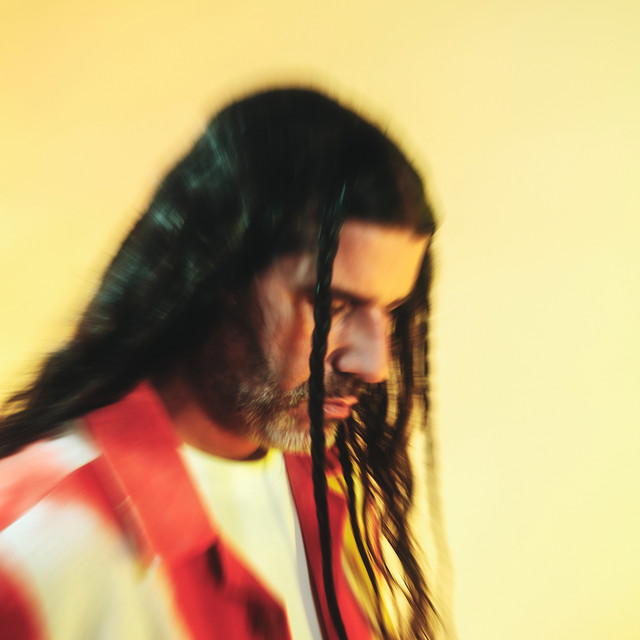
SEEKERSINTERNATIONAL
2024
·
2 albums
Listen
Genres
Broken Beat
Broken beat (often shortened to "bruk") is a rhythm-forward, jazz- and funk-inflected style of club music that emerged from West London. Its defining feature is a heavily syncopated, off‑kilter drum feel that fractures straight 4/4 time without abandoning dance‑floor energy. Producers combine swung, jittery percussion with warm, soulful chords, boogie/funk basslines, and frequent live instrumentation. The harmony language often borrows from jazz (extended chords, rich voicings), while the groove draws from house, drum & bass, UK garage, hip hop, and boogie. Typical tempos sit around 118–130 BPM, with pronounced swing and micro‑timing that create a lurching, propulsive pulse.
Discover
Listen
Trip Hop
Trip hop is a downtempo, atmospheric fusion of hip hop rhythm and sampling techniques with the textures of dub, soul, jazz, and ambient music. Emerging from the Bristol scene in the early 1990s, it favors slow, head‑nodding breakbeats, deep bass, and cinematic sound design. The style is characterized by moody harmonies (often in minor keys), woozy tape- and vinyl-derived timbres, and liberal use of delay and reverb. Vocals frequently alternate between intimate, breathy singing and spoken word/rap, and lyrical themes tend toward noir, introspective, and melancholic subjects. Strings, Rhodes pianos, turntable scratches, and field recordings are common, creating a shadowy, filmic vibe.
Discover
Listen
Digital Dancehall
Digital dancehall is the computer‑driven evolution of Jamaican dancehall that emerged in the mid‑1980s, when riddims began to be built almost entirely with drum machines and synthesizers instead of live bands. It is defined by stripped‑down, syncopated drum patterns, heavy sub‑bass, bright digital stabs and horn hits, and a minimalist, loop‑centered approach to harmony. Vocals range from gruff, rapid‑fire toasting to melodic singjay styles delivered in Jamaican patois, often addressing party culture, street life, slackness, and social commentary. Typical tempos sit around 85–100 BPM, leaving space for the deejay to ride the riddim with rhythmic precision. Production leans on crisp, quantized drums (influenced by early digital gear) and creative use of delay and reverb inherited from dub, while the focus remains on the riddim as a reusable backbone for multiple vocal versions.
Discover
Listen
Dub
Dub is a studio-born offshoot of reggae that uses the mixing desk as a performance instrument. Producers strip songs down to their rhythmic core—drums and bass—and then rebuild them in real time with radical mutes, echoes, reverbs, and filters. Typically created from the B-sides (“versions”) of reggae singles, dub foregrounds spacious low-end, one-drop or steppers drum patterns, and fragmented vocal or instrumental phrases that drift in and out like ghostly textures. Spring reverb, tape echo, and feedback are not just effects but compositional tools, turning the studio into an instrument of improvisation. The result is bass-heavy, spacious, and hypnotic music that emphasizes negative space and textural transformation, laying the foundation for countless electronic and bass music styles.
Discover
Listen
Reggae
Reggae is a popular music genre from Jamaica characterized by a laid-back, syncopated groove, prominent bass lines, and steady offbeat “skank” guitar or keyboard chords. The rhythmic core often emphasizes the third beat in a bar (the “one drop”), creating a spacious, rolling feel that foregrounds bass and drums. Typical instrumentation includes drum kit, electric bass, rhythm and lead guitars, keyboards/organ (notably the Hammond and the percussive "bubble"), and often horn sections. Tempos generally sit around 70–80 BPM (or 140–160 BPM felt in half-time), allowing vocals to breathe and messages to be clearly delivered. Lyrically, reggae ranges from love songs and everyday storytelling to incisive social commentary, resistance, and spirituality, with Rastafarian culture and language (e.g., “I and I”) playing a central role in many classic recordings. Studio production techniques—spring reverbs, tape delays, and creative mixing—became signature elements, especially through dub versions that strip down and reimagine tracks.
Discover
Listen
Albums
2024
1
/5
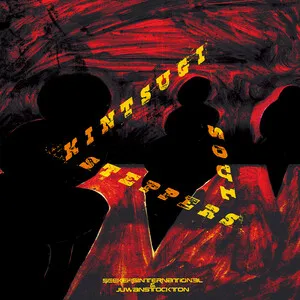
Kintsugi Soul Steppers
Seekersinternational & juwanstockton
Broken Beat
Dub
Reggae
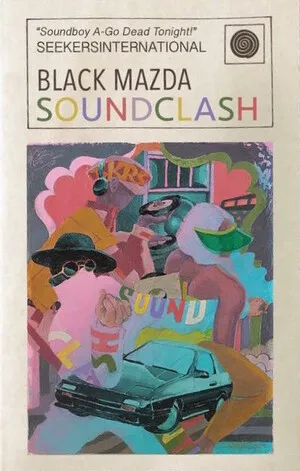
Black Mazda Soundclash
Seekersinternational
Digital Dancehall
Similar artists
4
/5
Quantic
Electronic
Nu-Cumbia
Downtempo
3
/5
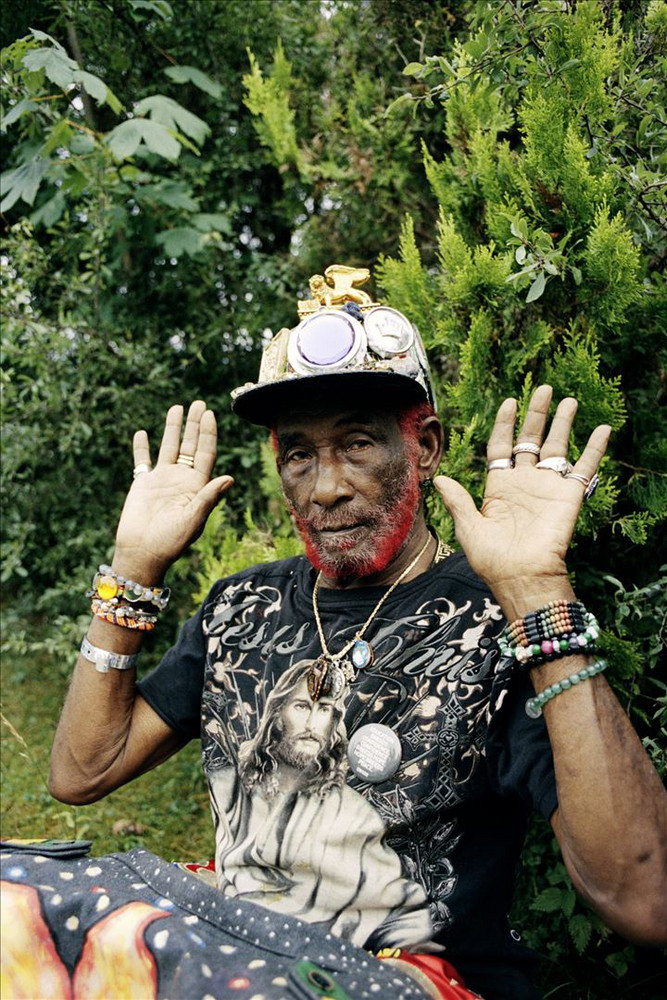
Lee "Scratch" Perry
Dub
Reggae
Rocksteady
1
/5
Various Artists
Afro-Funk
Alternative Rock
Ambient
juwanstockton
Broken Beat
Dub
Reggae
3
/5
Gregory Isaacs
Lovers Rock
Rocksteady
Dub
3
/5
Yellowman
Dancehall
Reggae
Deejay
3
/5
Black Uhuru
Dub
Reggae
Roots Reggae
3
/5
Sugar Minott
Lovers Rock
Rocksteady
Roots Reggae
3
/5
UA
Experimental Indie
J-Pop
Pop
3
/5
Mad Professor
Dub
Electrocumbia
Latin Afrobeat
Download our mobile app
Get the Melodigging app and start digging for new genres on the go
Download on the App Store
Get it on Google Play
© 2026 Melodigging
Give feedback
Legal
Melodding was created as a tribute to
Every Noise at Once
, which inspired us to help curious minds keep digging into music's ever-evolving genres.