Genres
Artists
Albums
Make Music
Sign in
Sign in
Artists
Blues
Artists
Blues
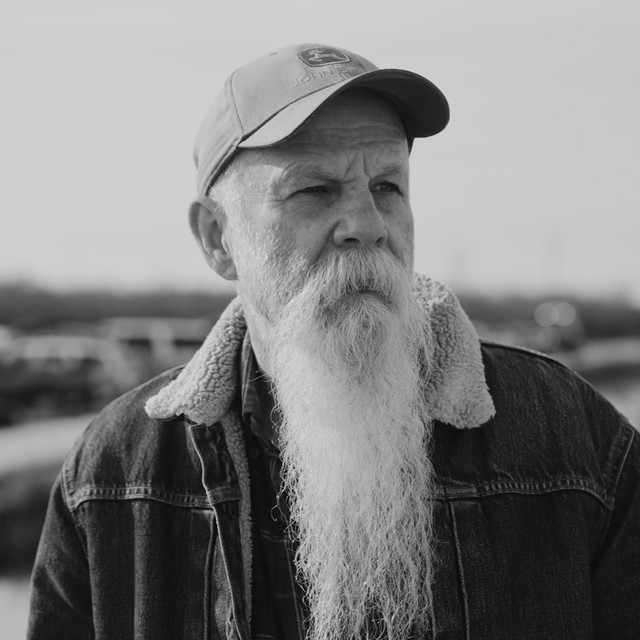
Seasick Steve
2020–2024
·
2 albums
Listen
3
/5
Genres
Queer Country
Queer country is a contemporary movement within country and Americana that centers LGBTQ+ voices, stories, and aesthetics while keeping strong ties to classic country songwriting, instrumentation, and vocal styles. Musically, it often draws from traditional country, outlaw country, honky-tonk, and folk-country, but its defining feature is lyrical perspective: songs about queer love, gender expression, chosen family, rural/working-class life, and the tension between tradition and belonging. Rather than being a single fixed sound, queer country is best understood as a scene and cultural re-framing of country music—one that challenges the genre’s historic heteronormativity while celebrating its narrative power and community roots.
Discover
Listen
Southern Americana
Southern Americana is a regional strain of Americana rooted in the musical vernacular of the U.S. South. It blends songwriting-first aesthetics with the organic textures of country, folk, and blues, and the swagger of Southern rock. Typical recordings feature warm, lived‑in tones: Telecasters and acoustic guitars alongside pedal steel, Hammond organ, fiddle, mandolin, and harmony vocals. Lyrically it is grounded in place—small towns, highways, kudzu, pine line horizons—and in the South’s complicated histories of faith, work, love, and loss. The groove ranges from back‑porch shuffles and waltzes to swampy, slow‑burn rhythms, keeping the focus on stories and melody rather than studio gloss.
Discover
Listen
Alternative Roots Rock
Alternative roots rock blends the songwriting and organic instrumentation of classic roots rock and Americana with the edge, independence, and production aesthetics of alternative rock. It typically features twangy or chiming guitars, warm analog tones, and story-driven lyrics, while retaining alt-rock’s dynamic swings, DIY ethos, and hook-forward sensibility. The result is music that feels grounded in American roots traditions yet modern in its attitude and sound.
Discover
Listen
Modern Blues
Modern blues is a contemporary evolution of traditional and electric blues that embraces current songwriting, studio techniques, and cross-genre collaboration. It preserves the core blues vocabulary—blue notes, call-and-response phrasing, and 12‑bar and minor‑blues forms—while integrating elements of rock, soul, funk, and even pop and hip hop production. Sonically, modern blues favors saturated but articulate electric guitar tones, prominent backbeat drums, thick bass, and tasteful keys or organ. Lyrically it updates classic themes of struggle, love, resilience, and place with present-day imagery and personal storytelling. The result is a style that feels rooted and authentic yet radio- and festival-ready.
Discover
Listen
Blues Rock
Blues rock is a guitar-driven style that fuses the raw feeling and 12‑bar structures of the blues with the power, volume, and rhythmic punch of rock. It emphasizes riff-based songs, pentatonic and blues-scale soloing, call‑and‑response between voice and guitar, and an expressive, often gritty vocal delivery. Typical ensembles are power trios (guitar, bass, drums) or quartet formats adding second guitar, keyboards, or harmonica, and performances commonly feature extended improvisation. Sonically, it favors overdriven tube-amp tones, sustained bends, vibrato, and dynamic contrasts, moving from shuffles and boogies to straight‑eighth rock grooves.
Discover
Listen
Texas Blues
Texas blues is a regional style of American blues that began with acoustic, itinerant singer–guitarists in the 1920s and evolved into a distinctive electric, guitar-forward sound by the 1940s and 1950s. It blends the storytelling and open-road feel of country blues with jazz-influenced harmony, swing rhythms, and boogie-woogie drive. Melodic single-note lines, fluid bends, and crisp, rhythmic shuffles are hallmarks, whether played solo on acoustic guitar (early era) or through cranked tube amps with a Stratocaster bite (later era). Across decades—from Blind Lemon Jefferson to T-Bone Walker, Lightnin’ Hopkins, and Stevie Ray Vaughan—the style has stayed rooted in I–IV–V blues forms while embracing a strong groove, spacious phrasing, major–minor pentatonic mixtures, and a confident, expressive guitar voice.
Discover
Listen
Country Blues
Country blues—also called rural blues or folk blues—is the earliest widely documented form of the blues, rooted in the everyday music-making of African Americans in the rural American South. It typically features a solo singer accompanying themselves on acoustic guitar, with flexible time, expressive vocal delivery, and abundant use of blue notes. While 12‑bar structures are common, country blues often stretches or compresses measures to fit the lyric, making phrasing elastic and conversational. Regional flavors emerged—Delta (driving, droning thumb bass and slide), Piedmont (ragtime‑inflected fingerpicking), and Texas (looser phrasing and single‑string leads)—but all share storytelling lyrics about work, travel, love, hardship, and spiritual longing.
Discover
Listen
Acoustic Blues
Acoustic blues is a family of blues styles performed on non-amplified instruments, most commonly solo voice with acoustic guitar and, at times, harmonica. It emphasizes raw, intimate timbres; elastic vocal phrasing; and guitar techniques such as fingerpicking, alternating-bass patterns, and bottleneck slide. Rooted in African American folk traditions of the U.S. South, acoustic blues typically favors small-scale, conversational performance practice—call-and-response between voice and guitar, expressive "blue notes," and lyrics in the AAB stanza form. Substyles include Delta blues (driving, slide-heavy), Piedmont blues (ragtime-influenced fingerpicking), and Texas blues (looser, narrative-driven playing).
Discover
Listen
Blues
Blues is an African American musical tradition defined by expressive "blue notes," call-and-response phrasing, and a characteristic use of dominant-seventh harmony in cyclical song forms (most famously the 12‑bar blues). It is as much a feeling as a form, conveying sorrow, resilience, humor, and hard-won joy. Musically, blues commonly employs the I–IV–V progression, swung or shuffled rhythms, and the AAB lyric stanza. Melodies lean on the minor/major third ambiguity and the flattened fifth and seventh degrees. Core instruments include voice, guitar (acoustic or electric), harmonica, piano, bass, and drums, with slide guitar, bends, and vocal melismas as signature techniques. Over time the blues has diversified into regional and stylistic currents—Delta and Piedmont country blues, urban Chicago and Texas blues, West Coast jump and boogie-woogie—while profoundly shaping jazz, rhythm & blues, rock and roll, soul, funk, and much of modern popular music.
Discover
Listen
Show all 9 genres
Albums
2024
1
/5
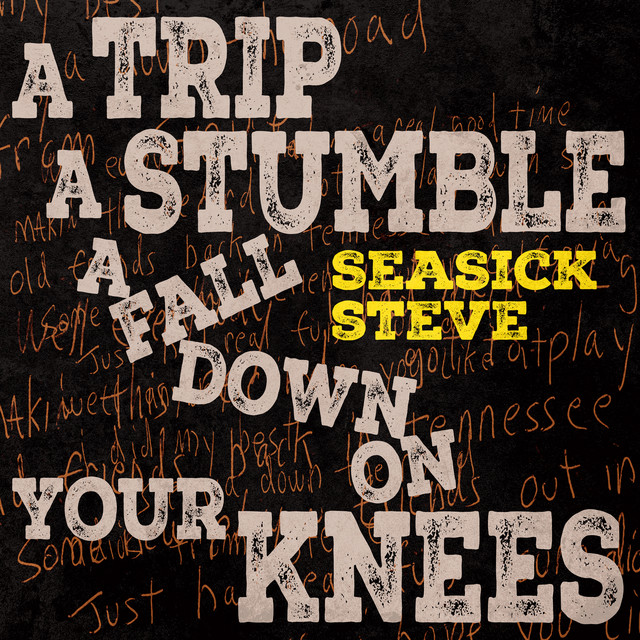
Funky Music
Seasick Steve
Texas Blues
Alternative Roots Rock
2020
1
/5
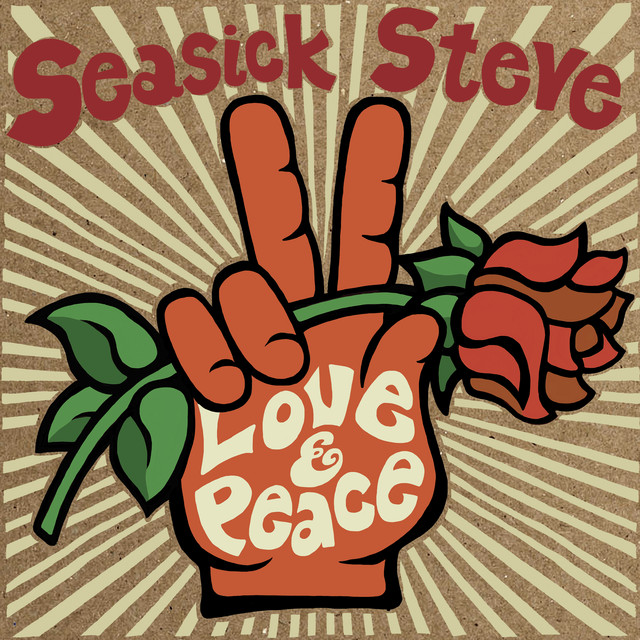
Love & Peace
Seasick Steve
Texas Blues
Similar artists
4
/5
Stevie Ray Vaughan
Blues Rock
Texas Blues
Blues
3
/5
Gary Clark Jr.
Texas Blues
Blues
Electric Blues
3
/5
Buddy Guy
Blues
Chicago Blues
Electric Blues
3
/5
Keb' Mo'
Classic Blues
Blues
Blues Rock
3
/5
Taj Mahal
Blues
Classic Blues
Country Blues
3
/5
R.L. Burnside
Hill Country Blues
Country Blues
Delta Blues
3
/5
Freddie King
Blues
Texas Blues
Electric Texas Blues
3
/5
Albert Collins
Blues
Electric Texas Blues
Texas Blues
3
/5
Tab Benoit
Cajun
Swamp Blues
Blues
3
/5
The Fabulous Thunderbirds
Blues
Blues Rock
Electric Texas Blues
Download our mobile app
Get the Melodigging app and start digging for new genres on the go
Download on the App Store
Get it on Google Play
© 2026 Melodigging
Give feedback
Legal
Melodding was created as a tribute to
Every Noise at Once
, which inspired us to help curious minds keep digging into music's ever-evolving genres.