Genres
Artists
Albums
Make Music
Sign in
Sign in
Artists
Classical
Artists
Classical
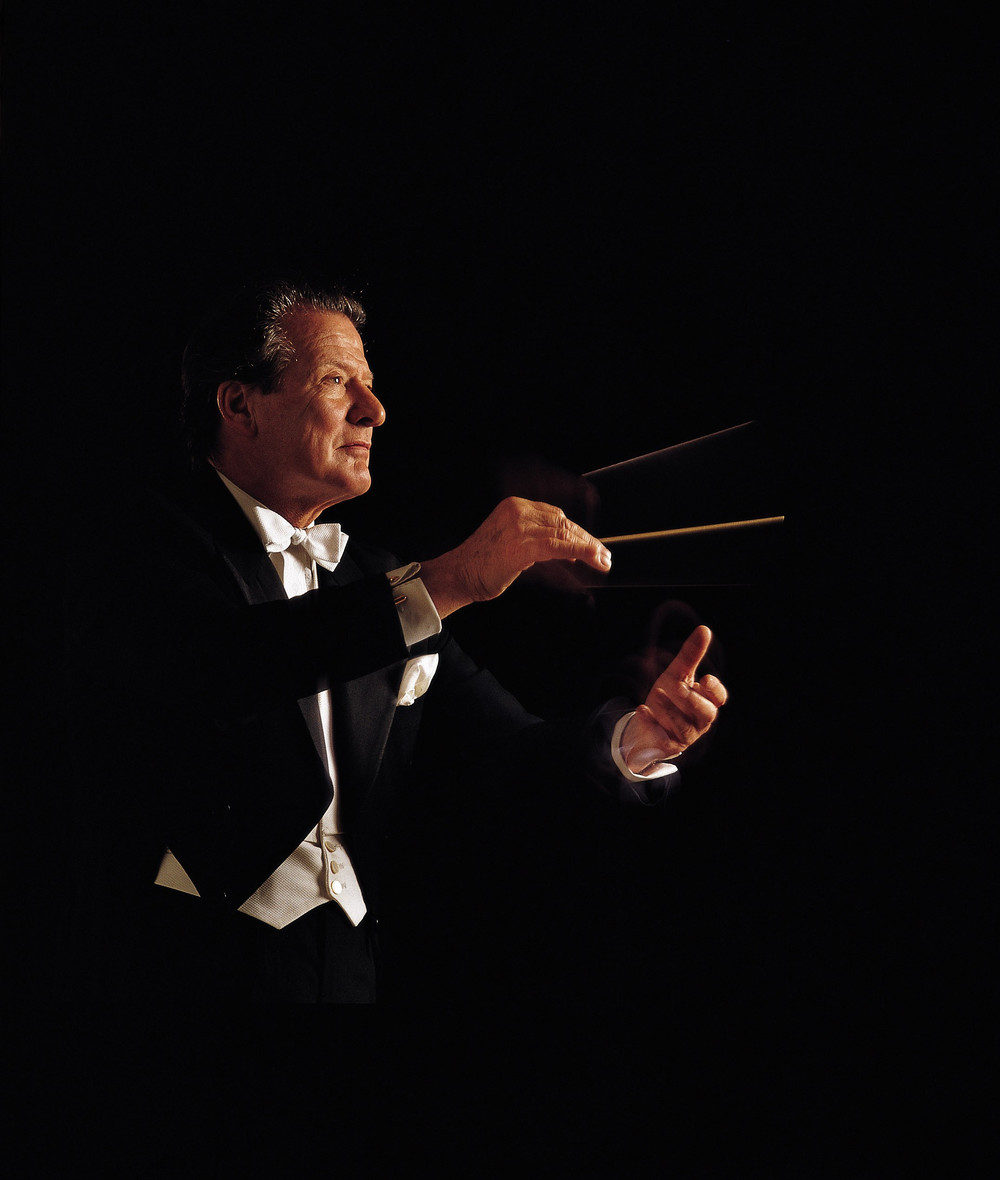
Sardi, Ivan
2000
·
1 album
Listen
Genres
Classical Period
The Classical period in Western art music (c. 1750–1820) is defined by clarity of form, balance of phrase, and transparent textures. Composers favored singable melodies, symmetrical four- and eight-bar phrases, and functional harmony that modulates to closely related keys. Hallmark forms such as the symphony, string quartet, sonata, and classical concerto were standardized, often using sonata form, theme-and-variations, minuet and trio, and rondo designs. Orchestras expanded beyond strings to include standardized pairs of woodwinds and horns, with trumpets and timpani for ceremonial weight, while the fortepiano gradually replaced the harpsichord. The style pivoted away from the dense counterpoint of the late Baroque toward a more galant, conversational musical rhetoric. It culminated in the Viennese masters—Haydn, Mozart, and the early Beethoven—whose works crystallized the era’s ideals and prepared the way for Romanticism.
Discover
Listen
Mass
Mass is a large-scale vocal genre that sets the Ordinary of the Roman Catholic liturgy—Kyrie, Gloria, Credo, Sanctus (and Benedictus), and Agnus Dei—most often in Latin. It began as monophonic chant but developed into sophisticated polyphony and later into concert works for choir, soloists, and instruments or full orchestra. Across history, composers have used techniques such as cantus firmus, imitation, paraphrase, and parody to unify movements. The genre spans from austere a cappella writing to monumental symphonic-choral statements, and today is performed both liturgically and in the concert hall. Common subtypes include Missa brevis (short Mass, often omitting the Credo or compact in scale) and Missa solemnis (festal, expansive forces and duration).
Discover
Listen
Classical
Classical music is the notated art-music tradition of Europe and its global descendants, characterized by durable forms, carefully codified harmony and counterpoint, and a literate score-based practice. The term “classical” can refer broadly to the entire Western art-music lineage from the Medieval era to today, not just the Classical period (c. 1750s–1820s). It privileges long-form structures (such as symphonies, sonatas, concertos, masses, and operas), functional or modal harmony, thematic development, and timbral nuance across ensembles ranging from solo instruments to full orchestras and choirs. Across centuries, the style evolved from chant and modal polyphony to tonal harmony, and later to post-tonal idioms, while maintaining a shared emphasis on written notation, performance practice, and craft.
Discover
Listen
Albums
2000
1
/5
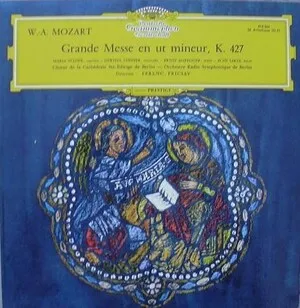
Grande messe en ut mineur, K. 427
Wolfgang Amadeus Mozart
Mass
Classical Period
Classical
Similar artists
4
/5
Wolfgang Amadeus Mozart
Classical
Requiem
Classical Period
4
/5
London Symphony Orchestra
Classical
Ballet
Concerto
4
/5
Berliner Philharmoniker
Classical
Romantic Classical
Romanticism
4
/5
Ludwig van Beethoven
Classical
Classical Period
Romantic Classical
4
/5
Herbert von Karajan
Classical
Symphonic Poem
Symphony
4
/5
Wiener Philharmoniker
Classical
Romantic Classical
Romanticism
4
/5
Academy of St. Martin in the Fields
Classical
Classical Performance
Baroque
4
/5
Philharmonia Orchestra
Classical
Opera
Choral
4
/5
Sir Neville Marriner
Classical
Baroque
Classical Performance
3
/5
Academy of Ancient Music
Classical
Choral
Requiem
Download our mobile app
Get the Melodigging app and start digging for new genres on the go
Download on the App Store
Get it on Google Play
© 2026 Melodigging
Give feedback
Legal
Melodding was created as a tribute to
Every Noise at Once
, which inspired us to help curious minds keep digging into music's ever-evolving genres.