Genres
Artists
Albums
Make Music
Sign in
Sign in
Artists
Avant-Garde
Artists
Avant-Garde
Sanggar Ceraken of Bali
2018
·
1 album
Listen
1
/5
Genres
Minimalism
Minimalism is a style of Western art music that emerged in the United States during the 1960s, characterized by the use of very limited musical materials, steady pulse, and extensive repetition. Composers often build pieces from short cells or motifs that are repeated and slowly transformed through additive or subtractive processes, phase shifting, and gradual changes in harmony, texture, or register. Harmony is typically consonant (often modal or diatonic), though just intonation and extended drones are also common. The result is music that foregrounds process, clarity, audibility of structure, and a hypnotic sense of stasis and flow. Typical ensembles include keyboards, mallet percussion, strings, winds, voices, and electronics or tape. Minimalism influenced a wide array of later styles, from ambient and new age to post-minimalism and minimal techno.
Discover
Listen
American Gamelan
American gamelan is a movement within contemporary classical and experimental music in the United States that creates new repertoire for gamelan-style ensembles built or adapted outside Indonesia. It draws on the cyclical, layered textures of Javanese and Balinese gamelan while embracing American instrument-building, just-intonation tunings, and minimalist process techniques. Ensembles often use homemade metallophones, gongs, and resonators fabricated from aluminum, steel, and other materials, producing a shimmering, bell-like sonority that is at once Indonesian-inspired and distinctively American. Unlike traditional Indonesian genres tied to court, ritual, or theatre, American gamelan typically serves the concert stage and educational settings, favoring newly composed works, cross-cultural collaborations, and experiments that combine gamelan with Western instruments, voice, or electronics.
Discover
Listen
Traditional Music
Traditional music is an umbrella term used in the mid–20th century by folklorists and ethnomusicologists to denote community-rooted, orally transmitted repertoires tied to social ritual, work, celebration, and storytelling. Unlike commercial pop or art-music traditions, traditional music is typically learned by ear, varies regionally, and evolves slowly through communal participation. It often features modal melodies, cyclic rhythms, heterophony or unison singing, and indigenous instruments whose timbres are integral to local identity. Lyrics tend to preserve language, history, and collective memory. While the musical practices themselves can be ancient, the phrase “traditional music” emerged to replace earlier, narrower or colonial framings like “folk” or “ethnic” music, foregrounding continuity, locality, and living practice rather than exoticism.
Discover
Listen
Avant-Garde
Avant-garde music is an umbrella term for boundary-pushing practices that challenge prevailing norms of harmony, rhythm, timbre, form, and performance. It privileges experimentation, conceptual rigor, and a willingness to reframe what counts as music at all. Historically tied to early 20th‑century artistic modernism, avant-garde music introduced atonality, the emancipation of noise, and new forms of notation and process. It embraces indeterminacy, extended techniques, electronics, spatialization, and multimedia performance, treating sound as material to be sculpted, questioned, and reinvented.
Discover
Listen
Balinese Gamelan
Balinese gamelan is the vibrant, bronze-percussion ensemble tradition of Bali, Indonesia, known for brilliant timbres, explosive dynamics, and agile interlocking rhythms. It is performed by community-based ensembles (sekaa), often to accompany temple rituals, dance-drama, and shadow puppetry, but it also thrives as a concert art. Its sound-world centers on metallophones (gangsa), kettle-gongs (reyong/trompong), large hanging gongs (gong ageng, kempur), hand drums (kendang), and cymbals (ceng-ceng), with bamboo flutes (suling) and occasional fiddle (rebab). Paired tuning (ombak) creates a deliberate “shimmer” through slightly detuned instrument pairs, while interlocking parts (kotekan) generate dazzling, motoric textures. Modal practice draws on five- and seven-tone collections with named modes (e.g., selisir, tembung), articulated through cyclical gong structures (gongan).
Discover
Listen
Balinese Music
Balinese music refers to the rich ensemble and vocal traditions of the island of Bali, Indonesia, best known for its vibrant bronze gamelan orchestras, tightly interlocking rhythms, and brilliant dynamic contrasts. It encompasses many ensemble types—such as gong kebyar, gender wayang, angklung, jegog, and beleganjur—each tied to specific social functions including temple ceremonies, dance-drama, processions, and modern stage performance. Balinese tuning systems (sléndro- and pélog-derived local modes) are uniquely realized through paired instruments tuned slightly apart to create a characteristic acoustic “shimmer” (ombak). The music’s hallmark techniques include rapid interlocking figuration (kotekan), bold sectional contrasts (kebyar “explosions”), and drum-led cues (angsel) that synchronize music and dance. While deeply rooted in ritual and community life, Balinese music has also become a global influence, informing modern composition and cross-cultural collaborations.
Discover
Listen
Albums
2018
1
/5
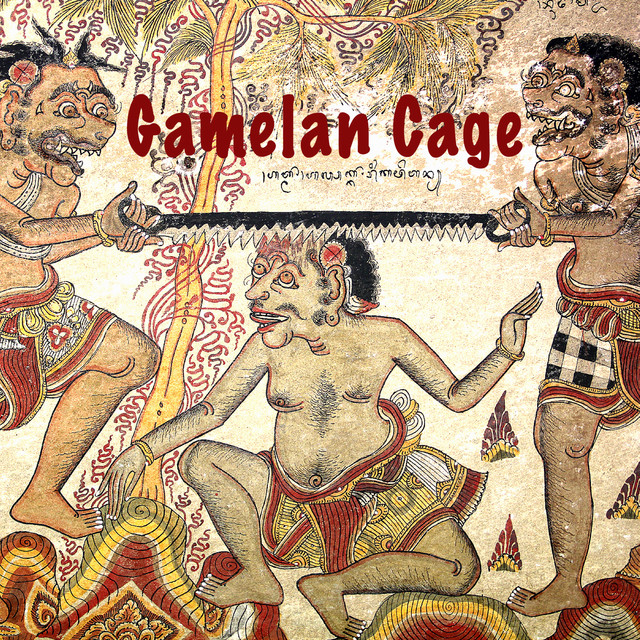
Gamelan Cage
John Cage / Sanggar Ceraken of Bali
American Gamelan
Balinese Gamelan
Balinese Music
Similar artists
1
/5
Musicians of the Gamelan Si Betty
Avant-Garde
Minimalism
Traditional Music
2
/5
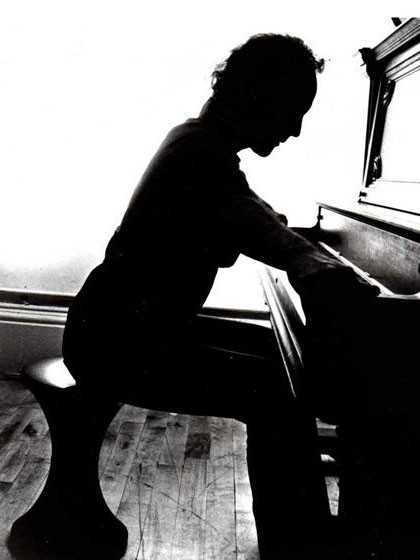
John Cage
Indeterminacy
Classical
Experimental
1
/5
Evan Ziporyn
Totalism
Avant-Garde
Minimalism
1
/5
Lou Harrison
Serialism
American Gamelan
Avant-Garde
1
/5
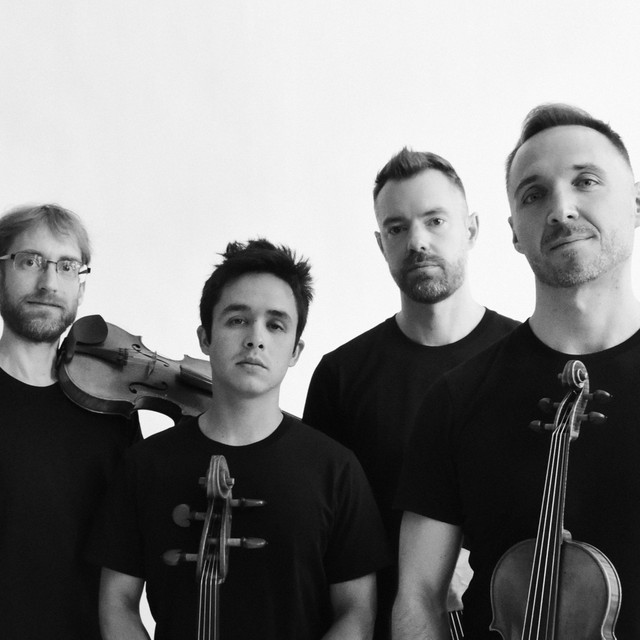
JACK Quartet
Chamber Music
Avant-Garde
Classical
1
/5
Philip Corner
Avant-Garde
Minimalism
American Gamelan
1
/5
Various Artists
Afro-Funk
Alternative Rock
Ambient
3
/5
Kronos Quartet
Classical
Chamber Music
Latin American Classical Music
3
/5
Steve Reich
Minimalism
Classical
Modern Classical
3
/5
Moondog
Outsider
Avant-Garde
Classical
Download our mobile app
Get the Melodigging app and start digging for new genres on the go
Download on the App Store
Get it on Google Play
© 2026 Melodigging
Give feedback
Legal
Melodding was created as a tribute to
Every Noise at Once
, which inspired us to help curious minds keep digging into music's ever-evolving genres.