Genres
Artists
Albums
Make Music
Sign in
Sign in
Artists
Kizomba
Artists
Kizomba
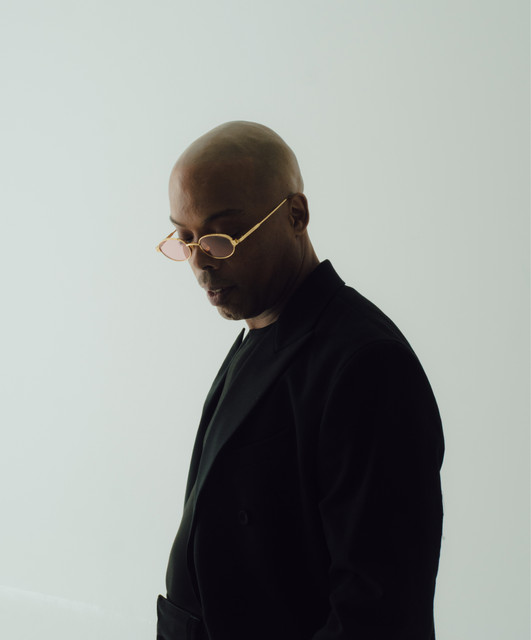
SALIMA CHICA
Listen
4
/5
Genres
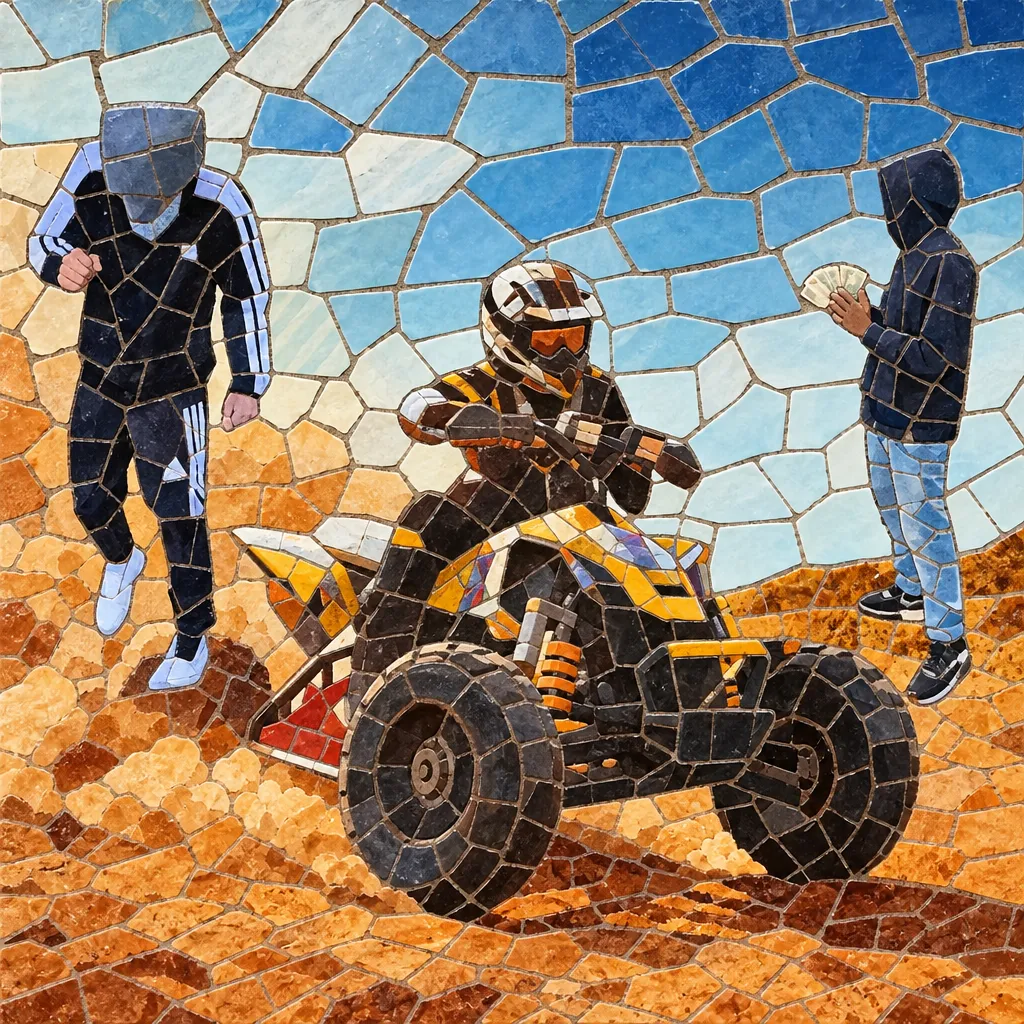
Brazilian Phonk
Brazilian phonk is a contemporary offshoot of phonk that fuses 1990s Memphis-rap aesthetics with the percussion, swing, and party energy of Brazilian baile funk. Producers keep the gritty, overdriven 808s, cowbells, and chopped vocal-manipulation that define phonk, then layer in tamborzão-leaning drum programming and Portuguese/Portuguese-slang vocal chops. Typically faster and more dance-focused than classic or drift phonk, Brazilian phonk often runs between 140–170 BPM, features clipped/distorted low end, syncopated claps, and razor-sharp percussive fills borrowed from funk carioca/mandelão. It is heavily tied to online culture—thriving on TikTok/Instagram “edits,” motovlog/car videos, and YouTube channels—where its high-impact drops and punchy loop design translate into quick virality.
Discover
Listen
Funk Viral
Funk viral is a contemporary, platform-native strain of Brazilian funk designed to explode on social media feeds and short‑video apps. It emphasizes instantly catchy hooks, hard‑hitting drums, sped‑up edits, and micro‑arrangements tailored to 15–30 second danceable segments. Sonically it lives close to the 150 BPM "mandelão/rave" end of funk, with booming 808 subs, clipped claps, sharp tom fills, risers, vox chops, and meme‑ready catchphrases. Producers frequently tag tracks as MTG (montagem), signaling mash‑up/remix techniques and quick cut transitions, or lean on automotivo aesthetics for extra sub and car‑sound‑system impact. Culturally it sits at the intersection of baile funk’s street party tradition and the algorithmic dynamics of TikTok/Reels, where choreography challenges, sped‑up versions, and DJ IDs travel fast. The result is a highly portable, hook‑first dance music that cycles rapidly through trends while remaining rooted in Brazilian funk’s grooves and vocal delivery.
Discover
Listen
Zxc
ZXC is a Russian/CIS internet-native micro‑genre and scene label that emerged on VK, Telegram, and TikTok to group a melancholic, guitar‑tinged strain of emo‑rap and trap. Rather than a rigid stylistic rulebook, “zxc” signals a shared aesthetic: minor‑key melodies, soft overdriven guitars or hazy synth pads atop 808-heavy trap drums, half‑sung/half‑rapped hooks, and diaristic Russian‑language lyrics about alienation, late‑night cityscapes, romance, and online life. Production is intentionally lo‑fi or dreamlike—washed in chorus, reverb, and tape‑like saturation—blending cloud‑rap softness with post‑Soviet cold‑wave/post‑punk moods. The tag functions both as a sound and a subcultural marker: hoodies and VHS textures, retro phone cameras, pixel art, and gaming/server culture references, all orbiting short, hooky tracks optimized for social feeds and stories.
Discover
Listen
Afropiano
Afropiano is a contemporary fusion that marries the songwriting, vocal phrasing, and rhythmic sensibilities of West African Afrobeats with the deep, percussive textures of South Africa’s Amapiano. It retains Amapiano’s signature log drum bass, shaker-led swing, and soulful pads, while adopting Afrobeats’ catchy hooks, call-and-response choruses, and concise, radio-friendly structures. The result is a warm, dance-floor-oriented sound with mid-tempo grooves, plush jazz/house harmonies, and lyrics that often blend English, Nigerian Pidgin, and local languages.
Discover
Listen
Phonk
Phonk is a dark, sample-heavy microgenre of hip hop and trap that resurrects the gritty aesthetics of 1990s Memphis rap. It blends chopped-and-screwed vocals, ominous minor-key loops, lo‑fi textures, and overdriven 808s to create a woozy, menacing atmosphere. While early phonk leaned on slowed vocal samples and cassette‑era grit, a later offshoot known as drift phonk foregrounded hard‑clipping 808 bass and bright cowbell patterns at faster tempos, becoming synonymous with car/drift videos and social media virality. Across its variants, phonk is united by retro Southern rap DNA, tape‑worn sonics, and an underground, DIY producer culture.
Discover
Listen
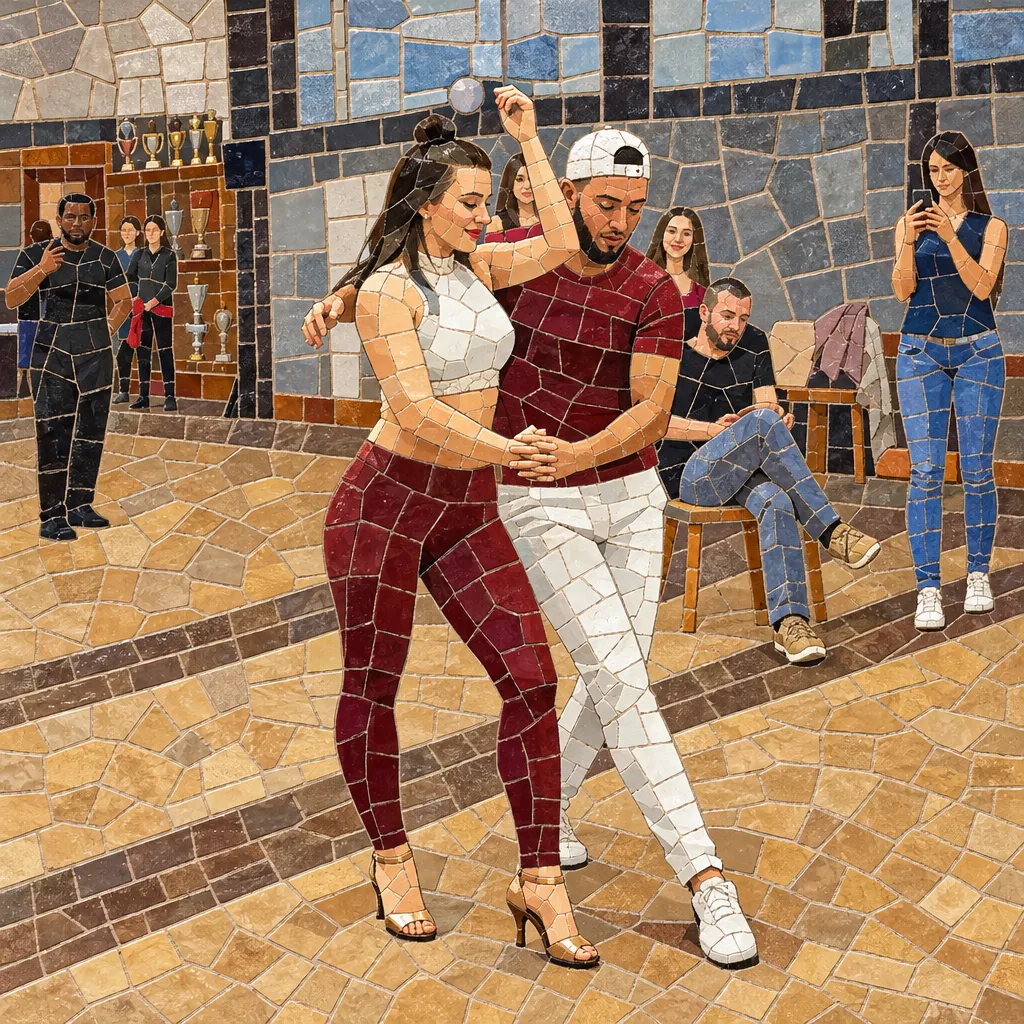
Urban Kiz
Urban Kiz is a contemporary, club-oriented offshoot of kizomba that took shape in Europe—especially in Paris—in the early-to-mid 2010s. It adapts the sensual, close-connection feel of kizomba to straighter, trap- and R&B-influenced beats with pronounced bass lines, crisp hi‑hats, and engineered breaks that suit the stop‑and‑go aesthetics of Urban Kiz social dancing. Musically, it favors 4/4 grooves around 88–102 BPM, less of the lilting/zouk swing found in classic kizomba, and more linear phrasing with dramatic drops, filters, and space for micro-pauses. Vocals (often in Portuguese, French, Cape Verdean Creole, or English) may be original toplines, sampled phrases, or R&B‑style hooks layered over sleek electronic production. Producers frequently label releases or remixes specifically for "Urban Kiz" floors, reinforcing the genre’s identity within the partner‑dance scene.
Discover
Listen
Pop Urbaine
Pop urbaine is a French mainstream pop style that blends contemporary R&B, hip hop, Afrobeats, dancehall, zouk, raï, and reggaeton with chart‑friendly songwriting. It emphasizes melodic hooks, mid‑tempo grooves, and sleek vocal production (often with Auto‑Tune) while foregrounding everyday, romantic, and nightlife themes in colloquial French. Rhythmically it favors syncopated Afro‑Caribbean patterns, sparse but bouncy 808 drums, and light guitar or synth plucks, creating a buoyant, danceable feel without the aggressiveness of club music. Vocals typically alternate between sung refrains and rap‑influenced verses, with catchy refrains designed for streaming and social media virality. The genre became a defining sound of French popular culture in the late 2010s, driven by a new generation of Francophone artists with diasporic roots who globalized French pop while keeping its language and local slang at the center.
Discover
Listen
Sad Rap
Sad rap is a style of hip hop defined by emotionally vulnerable lyrics and a melancholic musical backdrop. It commonly pairs confessional themes—heartbreak, depression, loneliness, self-doubt, addiction, grief, and numbness—with sparse, minor-key production. Vocals often alternate between rapped verses and melodic or half-sung hooks, with an intimate delivery that emphasizes personal storytelling over bravado. The sound frequently overlaps with emo rap and trap, using slow-to-mid tempos, heavy 808s, soft synth pads, piano or guitar loops, and reverbed textures that create a downcast atmosphere.
Discover
Listen
Meme
Meme is an internet-native umbrella genre for songs and audio clips that are created for, shaped by, or propelled through online meme culture. It blends humor, parody, and fast-turnaround production with infectious hooks designed to spread rapidly across platforms. Stylistically, meme music is eclectic. It can be rap, pop, EDM, rock, or mashup-driven collage; the common thread is comedic framing, referential lyrics, exaggerated vocal processing, and recognizable samples that cue shared online in-jokes. Tracks often favor short runtimes, bold punchlines, and instantly loopable sections optimized for social media. Because it thrives on virality rather than a fixed instrumentation set, meme functions as a meta-genre. It borrows techniques from mashup culture, YTPMV, soundclown, nightcore, and novelty/comedy traditions, while using platform-specific aesthetics from YouTube, SoundCloud, Vine, and TikTok.
Discover
Listen
Rap Calme
Rap calme (literally “calm rap”) is a French-speaking micro‑style of hip hop that prioritizes softness, intimacy, and melodic delivery over bravado and high energy. It blends contemporary R&B textures, cloud‑rap atmospheres, and pop‑rap hooks with understated trap rhythms, creating a mellow, often romantic or introspective mood. Lyrics typically center on relationships, self‑doubt, everyday life, and late‑night reflections, delivered in half‑sung flows with light Auto‑Tune, airy pads, gentle guitars or piano, and round, unobtrusive 808s. The result is music that sits comfortably between bedroom R&B and French hip hop, crafted for headphones and night drives rather than the club.
Discover
Listen
Lo Star
Lo star is a streaming-era umbrella tag used to group under-the-radar, low-profile artists who sit on the fringes of indie, alternative, DIY pop, and related scenes. Rather than denoting a single, tightly defined musical vocabulary, it marks a discovery space of self-produced or small-label projects with modest audiences, genre-fluid aesthetics, and a distinctly DIY approach to recording and release. Expect intimate vocals, inexpensive or home-studio production, hybrid acoustic/electronic textures, and songwriting that favors personal storytelling and immediacy over polish. Because it functions as a curatorial category for emerging or niche acts, the sonic palette spans indie rock and folk-pop to bedroom pop and lo-fi electronic, unified by scale, ethos, and distribution more than by strict musical rules.
Discover
Listen
Kizomba
Kizomba is a smooth, romantic dance-music style that originated in Angola, blending the melodic sensibilities of local semba with the lush, slow-tempo grooves of Caribbean zouk. Typically set in 4/4 time around 86–100 BPM, it emphasizes a deep, round sub‑bass, sparse drum programming, and gently syncopated percussion that encourages close, flowing partner movement. Arrangements favor silky synth pads, clean electric guitar arpeggios or comping, and R&B-influenced vocals in Portuguese and other Angolan or Cape Verdean languages. Lyrical themes gravitate to love, intimacy, nostalgia, and urban life. Over time, kizomba diversified into substyles (such as the even sparser, bass-forward tarraxinha) and spread through the Lusophone diaspora, especially in Portugal, before becoming a global social-dance phenomenon.
Discover
Listen
Zouk
Zouk is a high-energy dance music that originated in the French Caribbean (Guadeloupe and Martinique) in the early 1980s, crystallized by the band Kassav’. It blends Haitian compas (kadans) with local folk rhythms and the glossy production aesthetics of disco, funk, and early electronic pop. Early “zouk béton” emphasized driving, tightly arranged rhythms, bright synth-brass stabs, and call-and-response vocals. A slower, smoother branch known as “zouk love” followed, foregrounding romantic lyrics, silky harmonies, and sensual grooves. Sung primarily in Antillean Creole and French, zouk is both a party soundtrack and a cultural statement of Caribbean identity.
Discover
Listen
Show all 13 genres
Similar artists
4
/5
Joé Dwèt Filé
Kizomba
Zouk
Shatta
4
/5
Calema
Kizomba
Zouk
Basshall
3
/5
Kim
Afro Drill
Basshall
Compas
3
/5
Badoxa
Kuduro
Kizomba
Zouk
3
/5
Ivandro
Portuguese Hip Hop
Kizomba
Zouk
3
/5
Jeady Jay
Kizomba
Zouk
Compas
3
/5
Kaysha
Kizomba
Zouk Love
Basshall
3
/5
Nelson Freitas
Kizomba
Afrobeats
Cabo Zouk
3
/5
Anselmo Ralph
Semba
Kizomba
Kuduro
3
/5
Ya Levis
Kizomba
Zouk
Afro Drill
Download our mobile app
Get the Melodigging app and start digging for new genres on the go
Download on the App Store
Get it on Google Play
© 2026 Melodigging
Give feedback
Legal
Melodding was created as a tribute to
Every Noise at Once
, which inspired us to help curious minds keep digging into music's ever-evolving genres.