Genres
Artists
Albums
Make Music
Sign in
Sign in
Artists
Kizomba
Artists
Kizomba
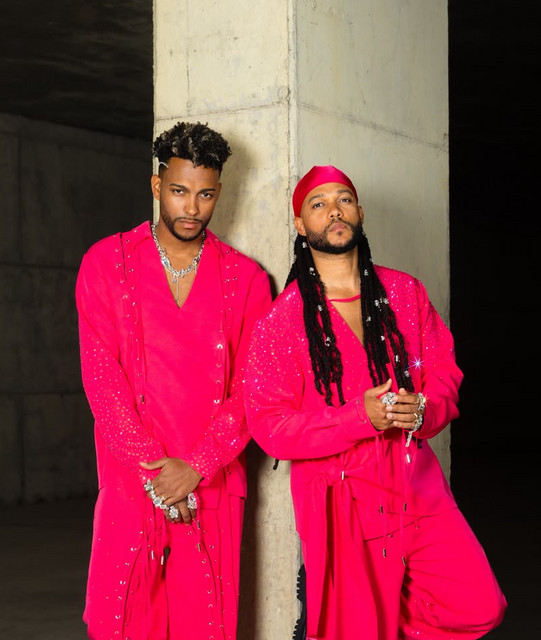
Calema
2020–2023
·
3 albums
Listen
4
/5
Genres
Sexy Drill
Sexy drill is a contemporary offshoot of drill that blends the genre’s signature sliding 808s, icy textures, and syncopated hi-hats with flirtatious, romantic, and often explicitly sensual lyrics. Where traditional drill leans into menace and street reportage, sexy drill softens the edges with melodic hooks, R&B-inflected toplines, and playful, self-assured delivery. The result is a club-ready, fashion-forward sound that keeps the rhythmic bite of UK/NY drill but swaps violent imagery for confident seduction and intimate narratives. Production typically sits around 138–145 BPM with gliding bass, chopped vocal stabs, airy pads, and bright percussive details. Vocals may alternate between rapped verses and sung refrains, frequently enhanced by tasteful Auto-Tune and ad‑libs that heighten the sultry mood.
Discover
Listen
Basshall
Basshall is a club-focused fusion of modern dancehall riddims with the sound design and drops of bass-heavy EDM. It keeps the dembow-derived, off‑beat swing of Jamaican dancehall while layering sub‑driven 808s, aggressive synths, and festival‑ready builds and drops borrowed from trap, electro house, and UK bass. Typical tempos sit around 95–110 BPM (or 130–140 BPM with a halftime feel). Vocals often draw on Jamaican patois toasting or catchy pop hooks, and arrangements alternate between groove-led verses and explosive, sound‑system drops. Emerging from European (especially Dutch) club culture and the global‑bass scene, Basshall spreads dancehall’s energy into big‑room contexts without losing its Caribbean rhythmic DNA.
Discover
Listen
Brazilian Trap
Brazilian trap (trap brasileiro) is the Brazilian adaptation of the Atlanta-born trap sound, performed primarily in Portuguese and colored by local rhythms, slang, and aesthetics. It features 808-heavy beats, half-time grooves, rapid hi-hat rolls, and melodic, Auto-Tuned vocals, while often folding in the swing and percussive feel of funk carioca. Lyrics commonly move between street realities, internet-native lifestyle, fashion, and aspirational luxury, with strong regional accents and Brazilian vernacular giving it a distinct identity from US trap.
Discover
Listen
Urban Kiz
Urban Kiz is a contemporary, club-oriented offshoot of kizomba that took shape in Europe—especially in Paris—in the early-to-mid 2010s. It adapts the sensual, close-connection feel of kizomba to straighter, trap- and R&B-influenced beats with pronounced bass lines, crisp hi‑hats, and engineered breaks that suit the stop‑and‑go aesthetics of Urban Kiz social dancing. Musically, it favors 4/4 grooves around 88–102 BPM, less of the lilting/zouk swing found in classic kizomba, and more linear phrasing with dramatic drops, filters, and space for micro-pauses. Vocals (often in Portuguese, French, Cape Verdean Creole, or English) may be original toplines, sampled phrases, or R&B‑style hooks layered over sleek electronic production. Producers frequently label releases or remixes specifically for "Urban Kiz" floors, reinforcing the genre’s identity within the partner‑dance scene.
Discover
Listen
Musica Portuguesa Contemporanea
Música portuguesa contemporânea refers to the wave of Portuguese-made popular and art-leaning music that has flourished in the 2010s and 2020s. It blends the poetic sensibility and timbral colors of fado and folk with modern pop writing, indie craft, hip hop flows, and electronic production. Across this umbrella you’ll hear Portuguese-language lyrics shaped by saudade and everyday storytelling, acoustic textures (nylon-string and Portuguese guitar), and grooves informed by Lusophone urban dance (kizomba/batida) alongside chart-ready pop and indie aesthetics. The result is a scene that feels unmistakably Portuguese yet cosmopolitan, often minimalist and intimate in tone, but equally capable of sleek, dance-oriented production.
Discover
Listen
Pop Urbaine
Pop urbaine is a French mainstream pop style that blends contemporary R&B, hip hop, Afrobeats, dancehall, zouk, raï, and reggaeton with chart‑friendly songwriting. It emphasizes melodic hooks, mid‑tempo grooves, and sleek vocal production (often with Auto‑Tune) while foregrounding everyday, romantic, and nightlife themes in colloquial French. Rhythmically it favors syncopated Afro‑Caribbean patterns, sparse but bouncy 808 drums, and light guitar or synth plucks, creating a buoyant, danceable feel without the aggressiveness of club music. Vocals typically alternate between sung refrains and rap‑influenced verses, with catchy refrains designed for streaming and social media virality. The genre became a defining sound of French popular culture in the late 2010s, driven by a new generation of Francophone artists with diasporic roots who globalized French pop while keeping its language and local slang at the center.
Discover
Listen
Pop Reggaeton
Pop reggaeton is a mainstream-friendly fusion of reggaeton’s dembow rhythm with pop songwriting, melody, and production polish. It keeps the genre’s signature off‑beat snare pattern and half‑time swing while foregrounding catchy toplines, bright synths, and clean, radio-ready mixes. Tempos typically sit around 85–100 BPM (or 170–200 BPM felt in halftime), with warm 808 subs, syncopated percussion, and hook‑centric choruses. Vocals—often in Spanish or Spanglish—lean toward memorable, romantic, or aspirational themes. Compared with classic reggaeton, pop reggaeton softens timbres, smooths cadences, and uses pop structures (verse–pre‑chorus–chorus–bridge) for broad crossover appeal.
Discover
Listen
Motivation
Motivation is a functional, cross-genre style designed to inspire action, confidence, and perseverance. It blends modern pop and EDM energy with cinematic/orchestral builds and post-rock textures to create an uplifting, triumphant arc. Arrangements typically move from a sparse, contemplative opening (piano, pads, delayed guitars) into steadily layered drums, rhythmic ostinatos, and wide, anthemic choruses. Major keys, bright synths, claps, stomps, and chantable hooks are common, while harmonic progressions favor familiar, optimistic cycles (e.g., I–V–vi–IV) that signal resolve and forward motion. Originally tied to production and library music for promos, sports, tech launches, and YouTube storytelling, Motivation has become a recognizable aesthetic across advertising, fitness culture, and personal development media.
Discover
Listen
Lo Star
Lo star is a streaming-era umbrella tag used to group under-the-radar, low-profile artists who sit on the fringes of indie, alternative, DIY pop, and related scenes. Rather than denoting a single, tightly defined musical vocabulary, it marks a discovery space of self-produced or small-label projects with modest audiences, genre-fluid aesthetics, and a distinctly DIY approach to recording and release. Expect intimate vocals, inexpensive or home-studio production, hybrid acoustic/electronic textures, and songwriting that favors personal storytelling and immediacy over polish. Because it functions as a curatorial category for emerging or niche acts, the sonic palette spans indie rock and folk-pop to bedroom pop and lo-fi electronic, unified by scale, ethos, and distribution more than by strict musical rules.
Discover
Listen
Kizomba
Kizomba is a smooth, romantic dance-music style that originated in Angola, blending the melodic sensibilities of local semba with the lush, slow-tempo grooves of Caribbean zouk. Typically set in 4/4 time around 86–100 BPM, it emphasizes a deep, round sub‑bass, sparse drum programming, and gently syncopated percussion that encourages close, flowing partner movement. Arrangements favor silky synth pads, clean electric guitar arpeggios or comping, and R&B-influenced vocals in Portuguese and other Angolan or Cape Verdean languages. Lyrical themes gravitate to love, intimacy, nostalgia, and urban life. Over time, kizomba diversified into substyles (such as the even sparser, bass-forward tarraxinha) and spread through the Lusophone diaspora, especially in Portugal, before becoming a global social-dance phenomenon.
Discover
Listen
Zouk
Zouk is a high-energy dance music that originated in the French Caribbean (Guadeloupe and Martinique) in the early 1980s, crystallized by the band Kassav’. It blends Haitian compas (kadans) with local folk rhythms and the glossy production aesthetics of disco, funk, and early electronic pop. Early “zouk béton” emphasized driving, tightly arranged rhythms, bright synth-brass stabs, and call-and-response vocals. A slower, smoother branch known as “zouk love” followed, foregrounding romantic lyrics, silky harmonies, and sensual grooves. Sung primarily in Antillean Creole and French, zouk is both a party soundtrack and a cultural statement of Caribbean identity.
Discover
Listen
Show all 11 genres
Albums
2023
3
/5
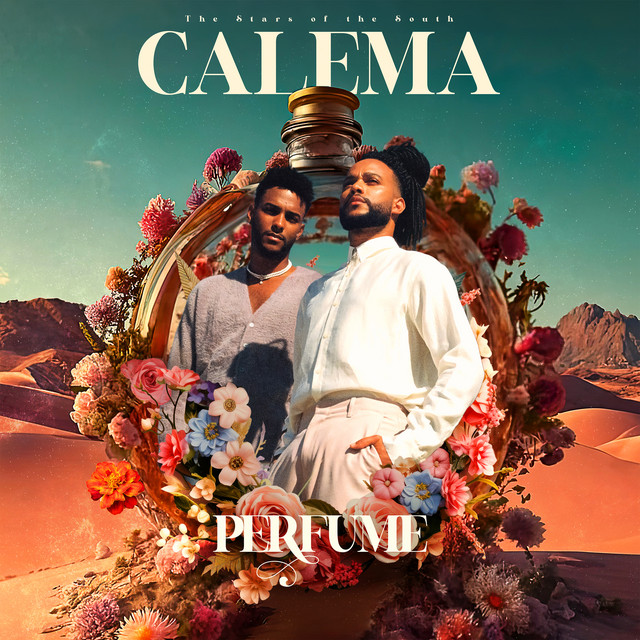
Perfume
Calema
Kizomba
Zouk
2023
3
/5
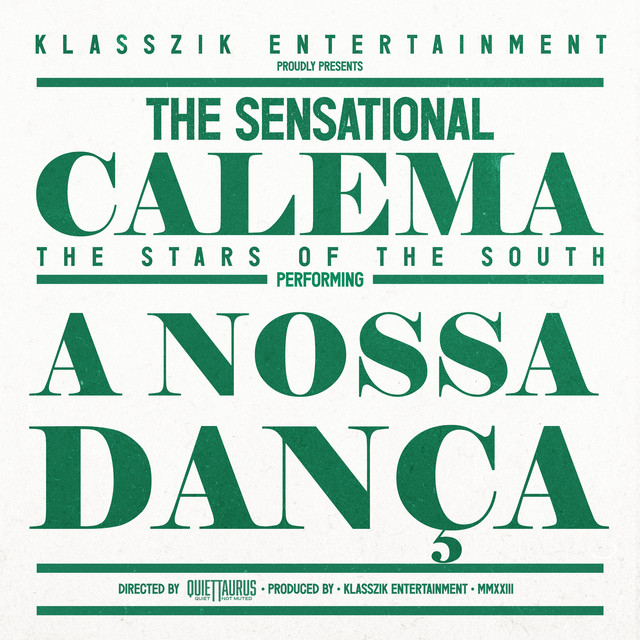
A Nossa Dança
Calema
Zouk
Kizomba
2020
3
/5
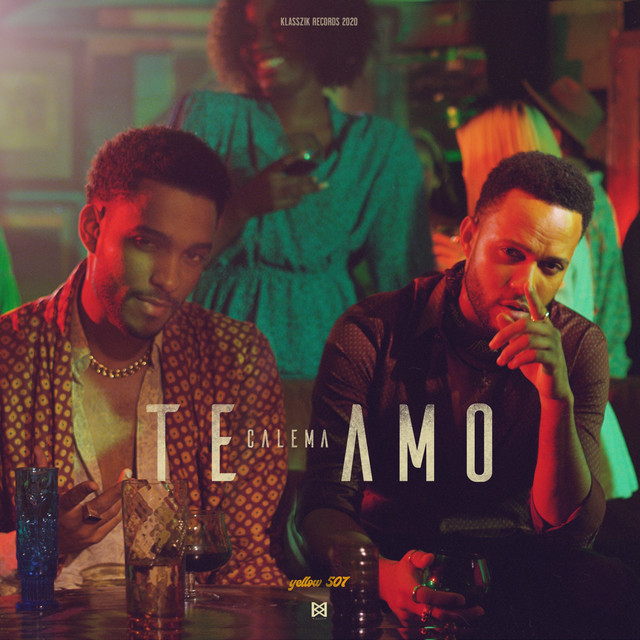
Te Amo
Calema
Kizomba
Zouk
Similar artists
4
/5
Joé Dwèt Filé
Kizomba
Zouk
Shatta
3
/5
Ya Levis
Kizomba
Zouk
Afro Drill
3
/5
LÉA CHURROS
Maloya
Kizomba
Zouk
3
/5
Kaysha
Kizomba
Zouk Love
Basshall
3
/5
Fanny J
Zouk
Basshall
Compas
3
/5
Kim
Afro Drill
Basshall
Compas
3
/5
Kalipsxau
Maloya
Reunion Pop
Basshall
3
/5
JustGerdy
Basshall
Compas
Kizomba
3
/5
Loony Johnson
Cabo Zouk
Basshall
Compas
3
/5
Elji Beatzkilla
Afro Drill
Afrobeat
Basshall
Download our mobile app
Get the Melodigging app and start digging for new genres on the go
Download on the App Store
Get it on Google Play
© 2026 Melodigging
Give feedback
Legal
Melodding was created as a tribute to
Every Noise at Once
, which inspired us to help curious minds keep digging into music's ever-evolving genres.