Genres
Artists
Albums
Make Music
Sign in
Sign in
Artists
Cabo Zouk
Artists
Cabo Zouk
Loony Johnson
2022
·
4 albums
Listen
3
/5
Genres
Basshall
Basshall is a club-focused fusion of modern dancehall riddims with the sound design and drops of bass-heavy EDM. It keeps the dembow-derived, off‑beat swing of Jamaican dancehall while layering sub‑driven 808s, aggressive synths, and festival‑ready builds and drops borrowed from trap, electro house, and UK bass. Typical tempos sit around 95–110 BPM (or 130–140 BPM with a halftime feel). Vocals often draw on Jamaican patois toasting or catchy pop hooks, and arrangements alternate between groove-led verses and explosive, sound‑system drops. Emerging from European (especially Dutch) club culture and the global‑bass scene, Basshall spreads dancehall’s energy into big‑room contexts without losing its Caribbean rhythmic DNA.
Discover
Listen
Urban Kiz
Urban Kiz is a contemporary, club-oriented offshoot of kizomba that took shape in Europe—especially in Paris—in the early-to-mid 2010s. It adapts the sensual, close-connection feel of kizomba to straighter, trap- and R&B-influenced beats with pronounced bass lines, crisp hi‑hats, and engineered breaks that suit the stop‑and‑go aesthetics of Urban Kiz social dancing. Musically, it favors 4/4 grooves around 88–102 BPM, less of the lilting/zouk swing found in classic kizomba, and more linear phrasing with dramatic drops, filters, and space for micro-pauses. Vocals (often in Portuguese, French, Cape Verdean Creole, or English) may be original toplines, sampled phrases, or R&B‑style hooks layered over sleek electronic production. Producers frequently label releases or remixes specifically for "Urban Kiz" floors, reinforcing the genre’s identity within the partner‑dance scene.
Discover
Listen
Musica Portuguesa Contemporanea
Música portuguesa contemporânea refers to the wave of Portuguese-made popular and art-leaning music that has flourished in the 2010s and 2020s. It blends the poetic sensibility and timbral colors of fado and folk with modern pop writing, indie craft, hip hop flows, and electronic production. Across this umbrella you’ll hear Portuguese-language lyrics shaped by saudade and everyday storytelling, acoustic textures (nylon-string and Portuguese guitar), and grooves informed by Lusophone urban dance (kizomba/batida) alongside chart-ready pop and indie aesthetics. The result is a scene that feels unmistakably Portuguese yet cosmopolitan, often minimalist and intimate in tone, but equally capable of sleek, dance-oriented production.
Discover
Listen
Cabo Zouk
Cabo zouk is a romantic, mid‑tempo dance style from Cape Verde that blends the silky grooves of Antillean zouk and Angolan kizomba with Cape Verdean song traditions such as coladeira and morna. Characterized by lush synth pads, gently syncopated drum programming, round sub‑bass, and melodic guitar lines, the genre favors intimate vocals sung in Cape Verdean Creole and Portuguese. Its feel is smooth and sensual, optimized for close‑hold social dancing and late‑night listening. Developed largely within the Lusophone diaspora (Portugal, the Netherlands, France), Cabo zouk modernized zouk love aesthetics while retaining Cape Verde’s melodic sensibility, creating a sleek, R&B‑tinged sound that travels easily between clubs, radio, and dance floors worldwide.
Discover
Listen
Kizomba
Kizomba is a smooth, romantic dance-music style that originated in Angola, blending the melodic sensibilities of local semba with the lush, slow-tempo grooves of Caribbean zouk. Typically set in 4/4 time around 86–100 BPM, it emphasizes a deep, round sub‑bass, sparse drum programming, and gently syncopated percussion that encourages close, flowing partner movement. Arrangements favor silky synth pads, clean electric guitar arpeggios or comping, and R&B-influenced vocals in Portuguese and other Angolan or Cape Verdean languages. Lyrical themes gravitate to love, intimacy, nostalgia, and urban life. Over time, kizomba diversified into substyles (such as the even sparser, bass-forward tarraxinha) and spread through the Lusophone diaspora, especially in Portugal, before becoming a global social-dance phenomenon.
Discover
Listen
Kuduro
Kuduro is a high-energy dance music and street culture that originated in Angola in the late 1980s and early 1990s. Its name comes from Angolan Portuguese, roughly meaning “hard butt,” a playful reference to the explosive, physically demanding dance moves and the hard-hitting, percussive beats that drive the style. Musically, kuduro fuses local Angolan rhythms with electronic dance music, hip hop, ragga/dancehall, and Caribbean influences like soca and zouk. Tracks typically sit around 140–150 BPM, feature pounding, syncopated kick patterns, claps on off-beats, chopped vocal shouts, sirens, and whistle FX. Harmony is sparse or loop-based; the focus is on rhythm, call-and-response MCing (in Portuguese and local languages), and relentless forward motion tailored for dance battles and street parties.
Discover
Listen
Zouk
Zouk is a high-energy dance music that originated in the French Caribbean (Guadeloupe and Martinique) in the early 1980s, crystallized by the band Kassav’. It blends Haitian compas (kadans) with local folk rhythms and the glossy production aesthetics of disco, funk, and early electronic pop. Early “zouk béton” emphasized driving, tightly arranged rhythms, bright synth-brass stabs, and call-and-response vocals. A slower, smoother branch known as “zouk love” followed, foregrounding romantic lyrics, silky harmonies, and sensual grooves. Sung primarily in Antillean Creole and French, zouk is both a party soundtrack and a cultural statement of Caribbean identity.
Discover
Listen
Zouk Love
Zouk love is the slow, romantic branch of zouk that emerged from the French Caribbean scene (Guadeloupe and Martinique) in the 1980s. It emphasizes tender, emotive vocals over smooth, syncopated grooves and lush keyboards, creating an intimate, danceable feel. Compared with up-tempo carnival zouk, zouk love runs at a slower tempo and focuses on sensual mood, melody, and storytelling. Lyrics are often in Antillean Creole or French, and arrangements blend drum machine patterns with live percussion, rounded bass lines, silky guitar comping, and warm pads or strings.
Discover
Listen
Compas
Compas (also spelled konpa or compas direct) is Haiti’s modern, méringue-based dance music. It features a steady, driving groove, lyrical melodies, and tight horn or synth hooks designed for continuous social dancing. The style blends Haitian méringue rhythms with jazz and Afro‑Cuban/Latin elements, typically in a mid‑tempo 4/4. A locked‑in drum/cowbell pattern, syncopated bass ostinatos, percussive rhythm guitar, keyboards playing montuno-like figures, and call‑and‑response vocals in Haitian Creole or French are core traits. Since the late 1970s, electronic keyboards and drum machines have been common, but the feel remains warm, romantic, and unshakably danceable.
Discover
Listen
Show all 9 genres
Albums
2022
1
/5
Mocinho
Loony Johnson
Cabo Zouk
Loony Johnson
Loony Johnson
Zouk Love
Loony Johnson
Loony Johnson
Cabo Zouk
Backstage
Loony Johnson
Cabo Zouk
Similar artists
3
/5
Mika Mendes
Cabo Zouk
Compas
Kizomba
2
/5
Dynamo
Cabo Zouk
Compas
Kizomba
2
/5
Suzanna Lubrano
Cabo Zouk
Zouk
Compas
3
/5
Nelson Freitas
Kizomba
Afrobeats
Cabo Zouk
2
/5
Johnny Ramos
Kizomba
Compas
Kuduro
2
/5
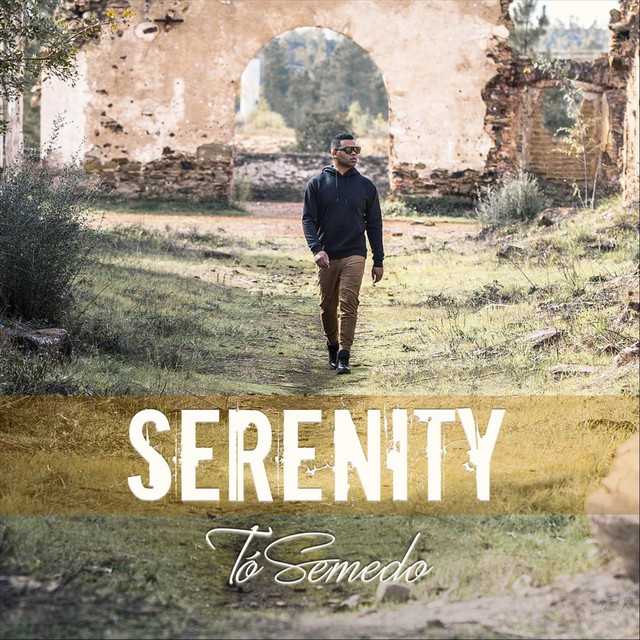
Tó Semedo
Kizomba
Compas
Kuduro
2
/5
Ricky Boy
Cabo Zouk
Kizomba
Kuduro
3
/5
Kaysha
Kizomba
Zouk Love
Basshall
3
/5
C4 Pedro
Kizomba
Kuduro
Compas
3
/5
Djodje
Kizomba
Kuduro
Zouk
Download our mobile app
Get the Melodigging app and start digging for new genres on the go
Download on the App Store
Get it on Google Play
© 2026 Melodigging
Give feedback
Legal
Melodding was created as a tribute to
Every Noise at Once
, which inspired us to help curious minds keep digging into music's ever-evolving genres.