Genres
Artists
Albums
Make Music
Sign in
Sign in
Artists
Swing
Artists
Swing
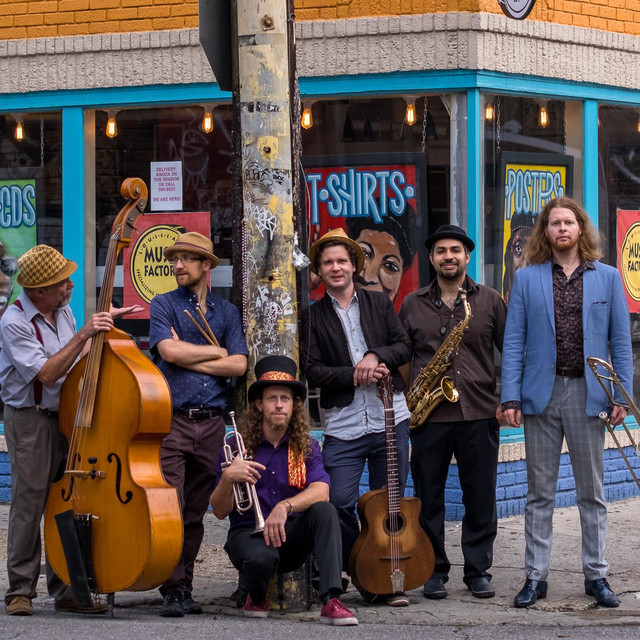
Sabertooth Swing
2022
·
1 album
Listen
1
/5
Genres
Swing
Swing is a jazz style centered on a buoyant, danceable groove created by a walking bass, four-to-the-bar rhythm guitar, a backbeat emphasis on 2 and 4, and a lilted “swung” eighth-note feel. Typically performed by big bands (saxes, trumpets, trombones, and a rhythm section) as well as small combos, it balances written arrangements with improvised solos. Hallmarks include call-and-response between horn sections, riff-based melodies, shout choruses that build intensity near the end of an arrangement, and rich sectional voicings grounded in blues language and ii–V–I harmonic motion. Tempos range from medium to brisk, serving social dances like the Lindy Hop and Jitterbug. Swing’s expressive phrasing, dance-floor focus, and sophisticated arranging made it the dominant popular music of the late 1930s and early 1940s.
Discover
Listen
Classic Blues
Classic blues (often called "classic female blues") is the early, urban, theater-bred form of the blues that flourished primarily in the 1920s. It is characterized by powerful lead vocalists—frequently women—fronting small jazz ensembles or a piano accompanist, with arrangements that translated the blues idiom to vaudeville stages and recording studios. Musically it typically uses the 12‑bar blues form, AAB lyric stanzas, swung or shuffle rhythms in 4/4, and prominent use of blue notes (flattened 3rd, 5th, and 7th). The style sits at the crossroads of Southern blues traditions, ragtime and early jazz, and the songcraft and professionalism of vaudeville and Tin Pan Alley. Classic blues differs from country/delta blues by its more formal arrangements, band instrumentation, and theatrical delivery. It launched the commercial “race records” era with Mamie Smith’s 1920 hit "Crazy Blues," and set the template for later jazz and R&B vocal performance.
Discover
Listen
Vaudeville Blues
Vaudeville blues is an early, urban stage form of the blues that rose to prominence on the American vaudeville and TOBA theater circuits in the 1910s and 1920s. Often called “classic female blues,” it centered on powerful female vocalists accompanied by small jazz-oriented ensembles. Musically it blends the 12‑bar blues and AAB lyric schemes with ragtime- and Tin Pan Alley–tinged harmonies, theatrical projection, and polished stagecraft. Arrangements were tailored for theaters and traveling revues, featuring dramatic delivery, call‑and‑response with horns or piano, humorous asides, and themes of love, resilience, independence, and urban life. Recordings by stars such as Mamie Smith, Ma Rainey, and Bessie Smith popularized the genre nationwide, bridging folk blues traditions and the emerging jazz and popular song industries.
Discover
Listen
Albums
2022
1
/5
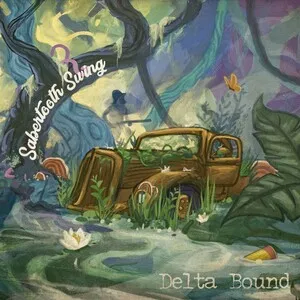
Delta Bound
Sabertooth Swing
Vaudeville Blues
Classic Blues
Similar artists
2
/5
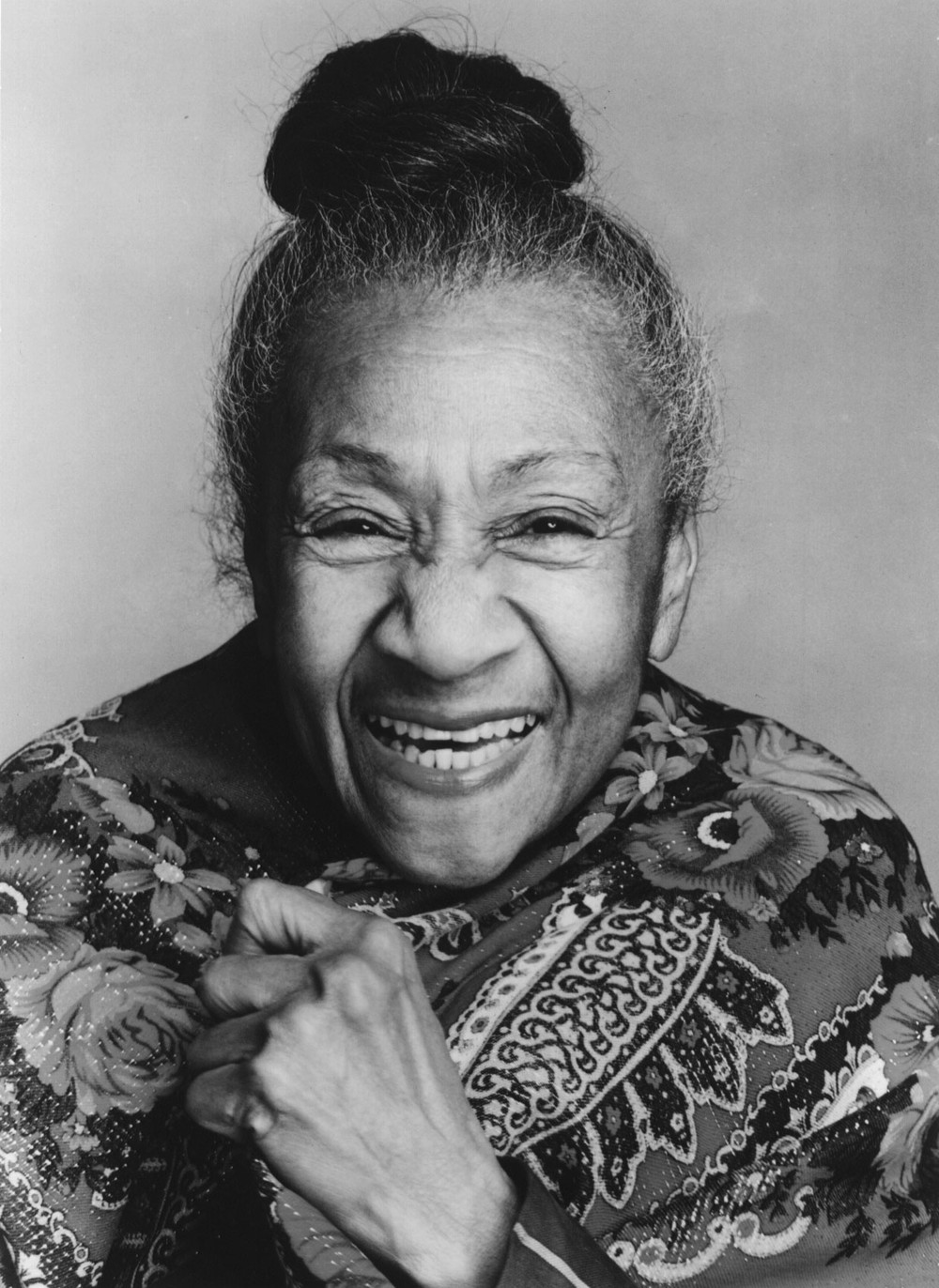
Alberta Hunter
Classic Blues
Blues
Vaudeville
1
/5
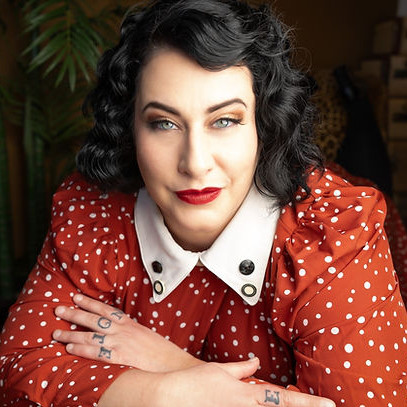
Davina and The Vagabonds
Swing
Classic Blues
New Orleans Blues
2
/5
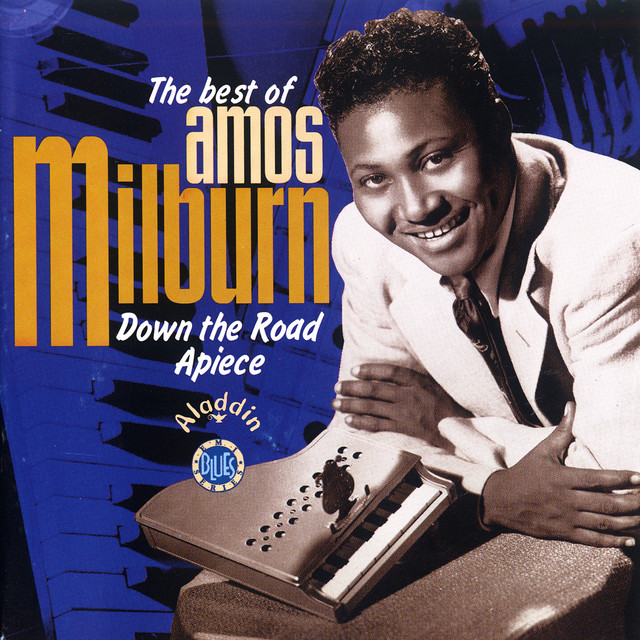
Amos Milburn
Boogie
Boogie-Woogie
Classic Blues
2
/5
Jimmy Witherspoon
Jump Blues
Blues
Classic Blues
2
/5
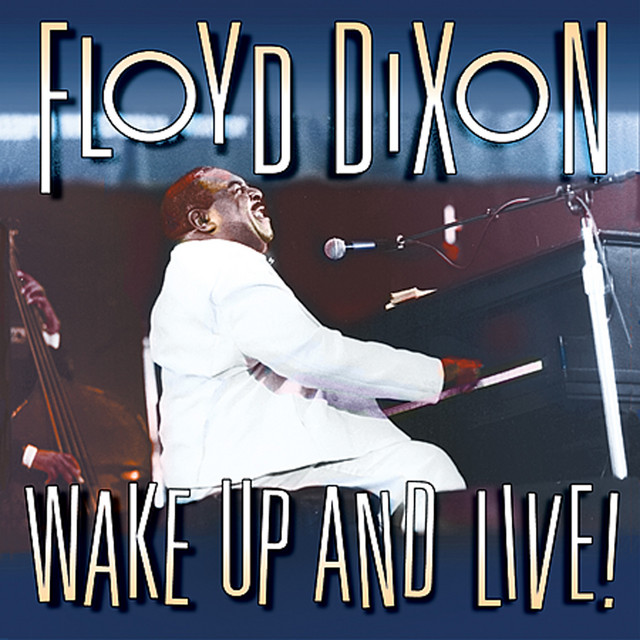
Floyd Dixon
Blues
Boogie
Boogie-Woogie
2
/5
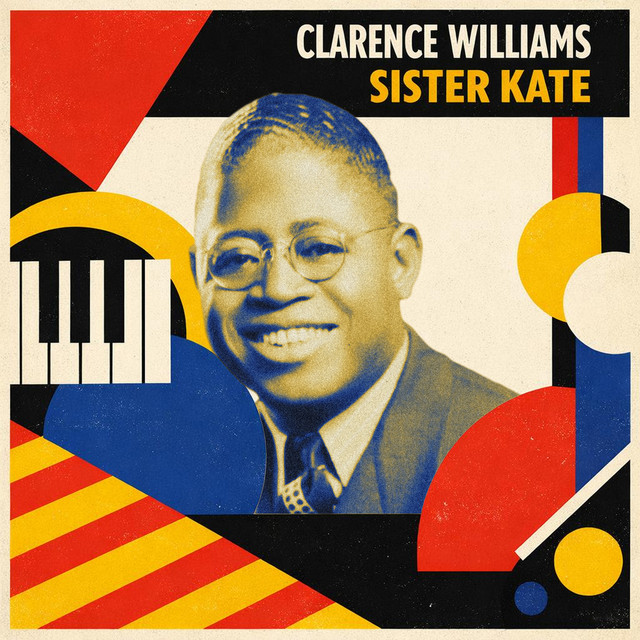
Clarence Williams
Boogie-Woogie
Classic Blues
Jazz
2
/5
Jimmy Rushing
Big Band
Classic Blues
Jazz Blues
1
/5
Various Artists
Afro-Funk
Alternative Rock
Ambient
3
/5
Odetta
Spirituals
Folk
Gospel
1
/5
Victoria Spivey
Classic Blues
Blues
Country Blues
Download our mobile app
Get the Melodigging app and start digging for new genres on the go
Download on the App Store
Get it on Google Play
© 2026 Melodigging
Give feedback
Legal
Melodding was created as a tribute to
Every Noise at Once
, which inspired us to help curious minds keep digging into music's ever-evolving genres.