Genres
Artists
Albums
Make Music
Sign in
Sign in
Artists
Croatian Folk Music
Artists
Croatian Folk Music
Razni Izvođači
1965–1981
·
4 albums
Listen
1
/5
Genres
New Wave
New wave is a broad, pop-oriented umbrella for styles that emerged in the mid-to-late 1970s as a sleeker, more melodic outgrowth of punk culture. Initially, the term varied by region: in the United States it was first used by critics and labels (famously Sire Records’ “Don’t Call It Punk” campaign in 1977) to rebrand punk-associated artists with more radio-friendly aesthetics; in the United Kingdom it encompassed a wider constellation of fresh, stylish post-punk-era sounds. Over time, “new wave” became a catch‑all for hooky guitar pop, synth-driven songs, danceable rhythms, and modernist production sensibilities. Sonically, it blends tight, upbeat rhythms (often disco- and reggae-informed), clean chorus/flanger guitars, prominent synthesizers, and concise, hook-led songwriting. Its visual identity—sharp suits, futurist imagery, and fashion-forward presentation—was integral, aligning with the rise of music television and emphasizing art-school wit, irony, and modern urban themes.
Discover
Listen
Post-Punk
Post-punk is a broadly experimental strain of rock that emerged in the late 1970s as artists sought to push beyond the speed, simplicity, and orthodoxy of first-wave punk. It typically features angular, bass-forward grooves; jagged or minimal guitar lines; stark, spacious production; and an openness to dub, funk, electronic, and avant-garde ideas. Lyrics often examine alienation, urban decay, politics, and the inner life with artful or abstract delivery. A studio-as-instrument approach, emphasis on rhythm section interplay, and an appetite for non-rock textures (tape effects, drum machines, found sound, synths) distinguish the style. The result can be danceable yet tense, cerebral yet visceral, and emotionally restrained yet intensely expressive.
Discover
Listen
Yugoslav New Wave
Yugoslav new wave (Novi val) was a regional variant of the global new wave and post‑punk movement that took shape at the turn of the 1980s in the Socialist Federal Republic of Yugoslavia. It blended punk’s immediacy with art‑school experimentation, minimalist synth textures, reggae/ska rhythm accents, and sharp, irony‑laced lyrics. Centered around the scenes in Zagreb, Belgrade, Ljubljana, and Sarajevo, the movement benefitted from Yugoslavia’s comparatively open cultural policy within socialist Europe, active youth media, and strong domestic labels. The result was a vibrant, modern pop/rock language that was both cosmopolitan and distinctly local, capturing urban life, humor, and social commentary in Serbo‑Croatian and Slovenian.
Discover
Listen
Rock
Rock is a broad family of popular music centered on amplified instruments, a strong backbeat, and song forms that foreground riffs, choruses, and anthemic hooks. Emerging from mid‑20th‑century American styles like rhythm & blues, country, and gospel-inflected rock and roll, rock quickly expanded in scope—absorbing folk, blues, and psychedelic ideas—while shaping global youth culture. Core sonic markers include electric guitar (often overdriven), electric bass, drum kit emphasizing beats 2 and 4, and emotive lead vocals. Rock songs commonly use verse–chorus structures, blues-derived harmony, and memorable melodic motifs, ranging from intimate ballads to high‑energy, stadium‑sized performances.
Discover
Listen
Croatian Folk Music
Croatian folk music is the traditional music of Croatia’s diverse regions, shaped by centuries of life between the Adriatic coast, the Pannonian plains, and the Dinaric hinterland. It encompasses distinctive vocal practices (such as klapa, ojkanje, and ganga), regional dance tunes, and instrumental traditions featuring tamburica ensembles, bagpipes, sopile double-reeds, and the bowed gusle. Coastal Dalmatia is known for close-harmony, largely a cappella klapa singing and Mediterranean colors; inland Slavonia favors lively tamburica bands, bećarac couplets, and kolo circle dances; Istria and Kvarner preserve archaic modal systems (the Istrian scale) and piercing sopile timbres; and the Dinaric highlands cultivate epic gusle recitation and powerful, microtonal polyphony. Together, these strands form a living heritage that is communal, lyrical, and dance-driven, and today it thrives in festivals, village celebrations, and contemporary folk/ethno-fusion projects.
Discover
Listen
Istrian Folk Music
Istrian folk music is the traditional music of the Istrian peninsula, today largely in Croatia (with a smaller portion in Slovenia), best known for its distinctive two-part singing and playing in the so‑called Istrian scale. This hexatonic, narrow-interval modal system often features microtonal inflections and cadences that resolve to unison or the octave, producing a tense yet haunting sonority. Performances typically involve two voices singing "na tanko i na debelo" (literally "thin and thick"—a higher and a lower part) in close, sometimes rough parallel motion. Instrumental traditions include piercing double-reed shawms (sopile/sopela in Croatian; roženice in Slovenian Istria), the mih (a local bagpipe), dvojnice (double flute), and later the diatonic accordion. Dances such as the Istrian balun accompany this music, linking the vocal and instrumental styles to communal festive life. In 2009, UNESCO recognized "Two-part singing and playing in the Istrian scale" as part of the Representative List of the Intangible Cultural Heritage of Humanity, underscoring both its antiquity and its vibrant, living tradition.
Discover
Listen
Starogradska Muzika
Starogradska muzika (literally "old‑city music") is a South Slavic urban song tradition shaped in 19th‑ and early 20th‑century Balkan towns under Ottoman and Austro‑Hungarian influence. It blends European salon dances (waltz, polka) with Ottoman‑sevdah melodic ornamentation and local folk poetics, yielding graceful, strophic songs about love, tavern life (kafana), cityscapes, and the passage of time. Typical ensembles feature voice with tamburica, violin, clarinet, guitar, and accordion; tempos range from lilting triple‑meter waltzes to gentle two‑step polkas and slow, rubato ballads rich in melisma and modal color. The style is performed in intimate settings—courtyards, taverns, festivals—and valued for its nostalgic, sentimental character and refined, urbane delivery.
Discover
Listen
Show all 7 genres
Albums
1981
1
/5
Paket aranžman
Šarlo Akrobata / Idoli / Električni Orgazam
Yugoslav New Wave
New Wave
Post-Punk
1974
1
/5
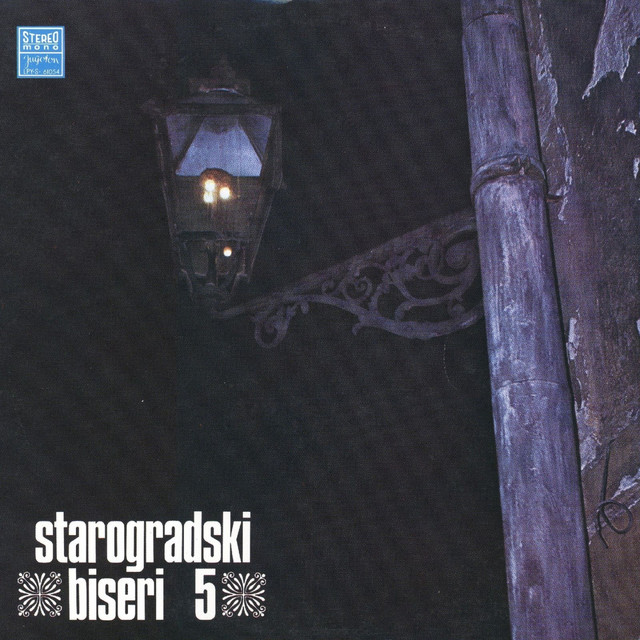
Starogradski Biseri 5
Razni Izvođači
Starogradska Muzika
1974
1
/5
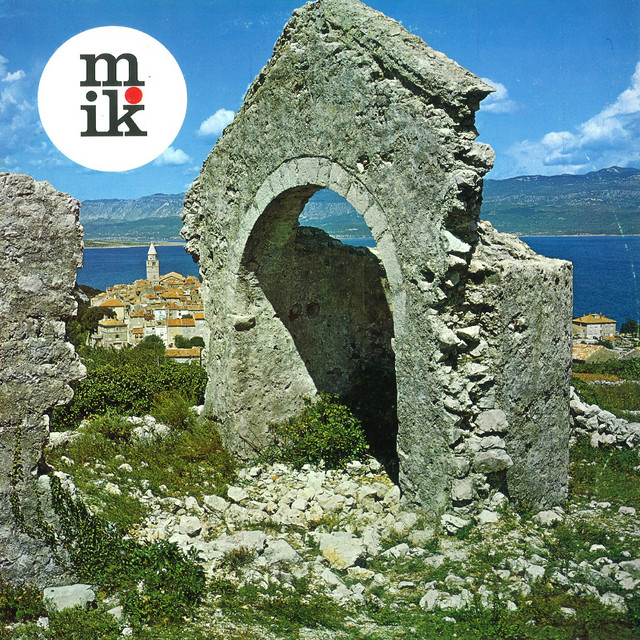
Melodije Istre I Kvarnera 74
Razni Izvođači
Istrian Folk Music
1965
1
/5
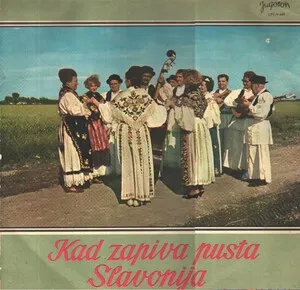
Kad zapiva pusta Slavonija
Pero Nikolin, Vera Svoboda, Stjepan Njikoš & Tamburaški zbor "Šokadija"
Croatian Folk Music
Similar artists
5
/5
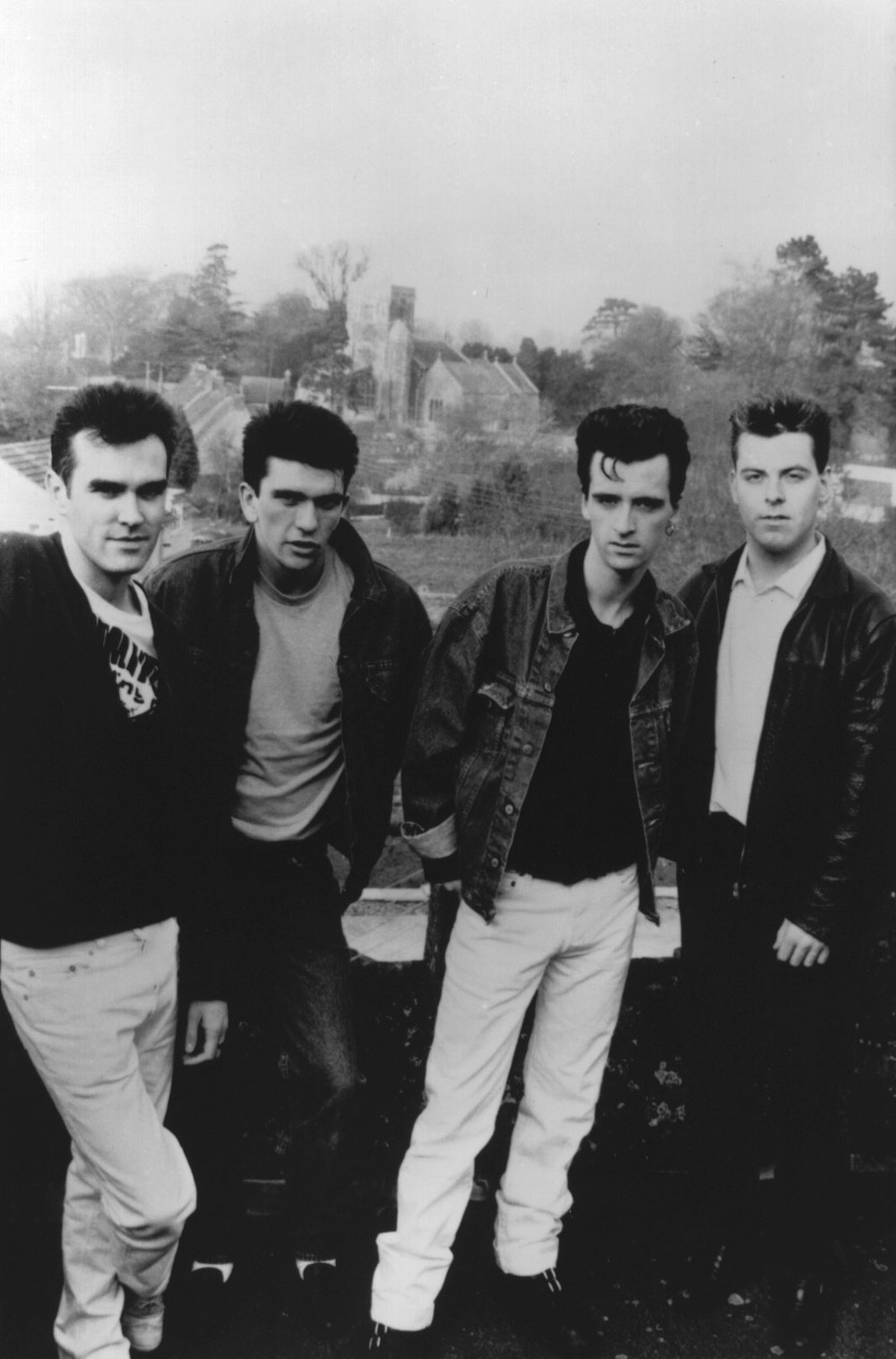
The Smiths
Jangle Pop
Madchester
New Wave
5
/5
David Bowie
Art Rock
Rock
Glam Rock
5
/5
The Cure
Gothic Rock
Post-Punk
New Wave
4
/5
MGMT
Indie Rock
Neo-Psychedelia
Psychedelic Pop
4
/5
Soda Stereo
Argentine Rock
Rock
Latin Rock
4
/5
Talking Heads
Art Punk
New Wave
Post-Punk
4
/5
Kino
Post-Punk
Leningrad Rock Club Scene
New Wave
4
/5
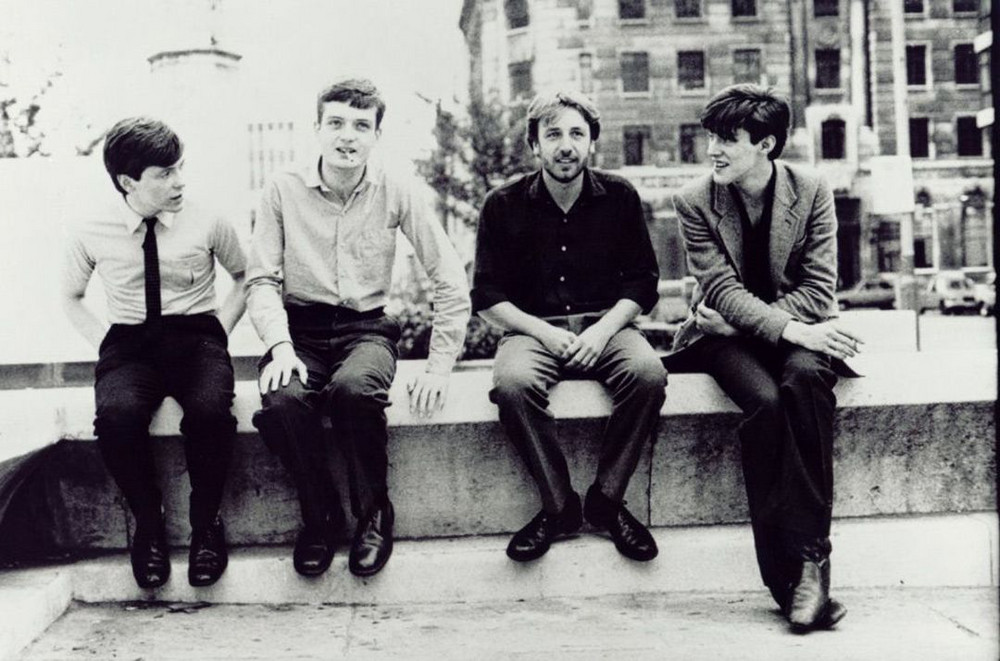
Joy Division
Gothic Rock
Post-Punk
Madchester
4
/5
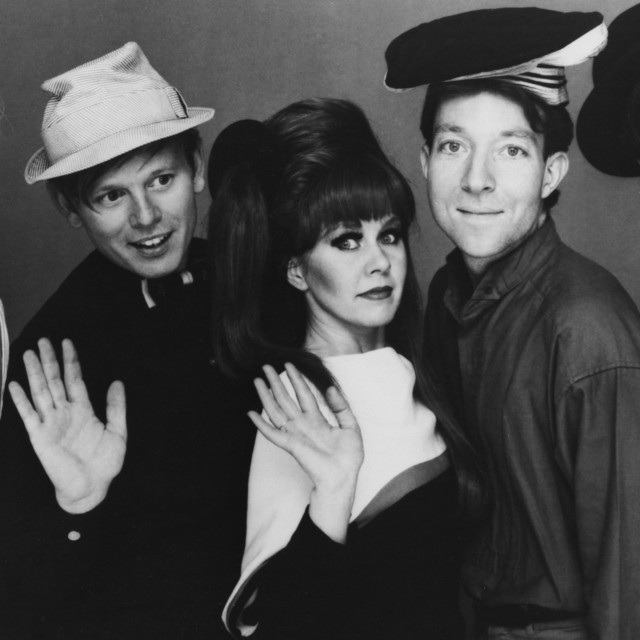
The B-52's
Zolo
Post-Punk
New Wave
4
/5
Molchat Doma
Coldwave
Post-Punk
Gothic Rock
Download our mobile app
Get the Melodigging app and start digging for new genres on the go
Download on the App Store
Get it on Google Play
© 2026 Melodigging
Give feedback
Legal
Melodding was created as a tribute to
Every Noise at Once
, which inspired us to help curious minds keep digging into music's ever-evolving genres.