Genres
Artists
Albums
Make Music
Sign in
Sign in
Artists
Southern Rock
Artists
Southern Rock
Ram Jam
Listen
4
/5
Genres
Pixie
Pixie is a Gen‑Z, internet‑native microgenre that sits at the bright, whimsical end of the hyperpop/digicore spectrum. It favors sparkling, “fairy‑like” sound design: glassy arpeggios, glittering supersaws, twinkling bells, and breathy, often pitched‑up or formant‑shifted vocals. Songs tend to be short and hook‑forward, balancing innocent, daydreamy textures with maximal drops and elastic rhythms. Lyrically it blends diaristic vulnerability, romance, and coming‑of‑age themes with online culture references and a playful sense of fantasy. Aesthetically, pixie borrows the cute/kawaii visual language (soft pastels, magical motifs) while keeping the DIY, Discord‑server ethos of the hyperpop underground. Production is fast, DAW‑focused (FL Studio/Ableton), and built for streaming, TikTok loops, and community playlists.
Discover
Listen
Bossbeat
Bossbeat is an internet‑born, high‑octane branch of EDM tailored to evoke the intensity of a video‑game “boss fight.” Producers fuse modern dubstep and trap sound design with melodic, leitmotif‑driven writing borrowed from video game music and film scoring, aiming for cinematic build‑ups and explosive, riff‑like drops. Characteristic features include minor‑key motifs, fast and syncopated percussion, halftime switch‑ups, aggressive bass design (growls, reeses, metallic FM), and hybrid orchestral layers (brass stabs, choirs, epic drums). The result is music that feels both dance‑floor ready and narratively dramatic—perfect for action montages, game content, and creator culture.
Discover
Listen
Bro-Country
Bro-country is a commercially oriented subgenre of contemporary country music that blends radio-friendly country with pop, rock, and hip-hop production tropes. It is typified by party-ready choruses, glossy, high-gain electric guitars, sub-bass and programmed drums, and hook-first songwriting aimed at arena and festival stages. Lyrically, the songs often revolve around small-town escapism, pickup trucks, tailgate parties, summertime romance, beer brands, and uncomplicated good times, frequently told from a male, first-person perspective. Vocals commonly employ talk-singing, light rap cadences, or chantable gang hooks, while harmonies stay simple and consonant. The overall affect is upbeat, celebratory, and instantly memorable, designed for mass sing-alongs and high streaming/radio rotation.
Discover
Listen
Motivation
Motivation is a functional, cross-genre style designed to inspire action, confidence, and perseverance. It blends modern pop and EDM energy with cinematic/orchestral builds and post-rock textures to create an uplifting, triumphant arc. Arrangements typically move from a sparse, contemplative opening (piano, pads, delayed guitars) into steadily layered drums, rhythmic ostinatos, and wide, anthemic choruses. Major keys, bright synths, claps, stomps, and chantable hooks are common, while harmonic progressions favor familiar, optimistic cycles (e.g., I–V–vi–IV) that signal resolve and forward motion. Originally tied to production and library music for promos, sports, tech launches, and YouTube storytelling, Motivation has become a recognizable aesthetic across advertising, fitness culture, and personal development media.
Discover
Listen
Bytebeat
Bytebeat is a minimalist form of algorithmic music in which very short computer programs (often a single arithmetic expression) generate raw PCM audio directly. It typically uses 8-bit integer math and a running time counter t to produce harsh, glitchy, melody-like patterns, rhythms, and textures through bitwise operations, shifts, modular arithmetic, and simple integer multiplications. The aesthetic sits between chiptune timbres and noise art: crunchy aliasing, stepping waveforms, and emergent structure arise from extremely compact code. First popularized online in 2011, bytebeat is as much a programming puzzle as it is a musical style, celebrated for revealing how complex musical behaviors can emerge from ultra-simple rules.
Discover
Listen
Chill Guitar
Chill guitar is a streaming-era microgenre centered on mellow, spacious guitarwork framed by unobtrusive production. It favors clean or lightly saturated electric tones and intimate acoustic textures, arranged to sit comfortably in the background without losing musical interest. Tracks are typically short, loop-friendly instrumentals designed for studying, reading, or relaxing. The mood leans warm and reflective: motifs unfold slowly, effects like reverb and delay create soft ambience, and harmonic movement stays consonant and diatonic. While rooted in guitar performance, it borrows the pocket and sound design of downtempo and lo‑fi hip hop—often adding gentle percussion, vinyl hiss, or subtle field noise to craft a lived‑in, calming feel.
Discover
Listen
Doble Paso
Doble paso is a high‑tempo reggaetón variant characterized by running the classic dembow groove at double speed, creating a frenetic, hard‑hitting feel aimed squarely at the dance floor. Compared with standard reggaetón drum patterns (typically around 90–100 BPM), doble paso accelerates the same rhythmic skeleton to roughly 120–140 BPM, often accompanying a club dance of the same name. Producers keep the core syncopation and low‑end punch of reggaetón while tightening hi‑hats, adding denser percussion fills, and favoring short, chant‑like hooks that match the breathless pace. The result is intense, perreo‑ready energy that bridges classic reggaetón, Dominican dembow’s urgency, and club‑forward editing trends.
Discover
Listen
Chill Pop
Chill pop is a contemporary pop micro‑genre that blends radio‑friendly songwriting with the mellow textures of chillout and lo‑fi aesthetics. It favors soft vocals, smooth synths, clean guitar plucks, understated bass, and relaxed, mid‑tempo grooves. Instead of big, bombastic hooks, chill pop tends toward intimate, conversational melodies and minimal, airy arrangements. Production often borrows from bedroom pop and alternative R&B—subtle trap hi‑hats, warm saturation, roomy reverbs, and gentle side‑chain compression—to create a breezy, pastel sound palette well suited to playlists and late‑night listening. Lyrically, chill pop is introspective and relatable: romance, longing, gentle optimism, and coming‑of‑age themes delivered in a plain‑spoken, whisper‑close tone. The result sits between indie pop’s understated cool and mainstream pop’s catchy structures, optimized for the streaming era’s mood‑driven consumption.
Discover
Listen
Shimmer Psych
Shimmer psych is a contemporary strand of neo‑psychedelia that pairs sparkling, chorus‑washed guitars and gauzy vocal harmonies with dreamy pop songcraft. It emphasizes high‑end "shimmer," tape‑soft saturation, hypnagogic textures, and melodic hooks, sitting between dream pop, jangle pop, and classic psychedelic rock. Typical tracks are mid‑tempo, built on warm bass lines, gentle motorik or laid‑back breakbeats, and drenched in reverb, phaser, and delay. The result is sun‑bleached, nostalgic, and kaleidoscopic rather than heavy or jam‑oriented.
Discover
Listen
Machine Rock
Machine rock is a hybrid rock style that fuses hard-edged rock instrumentation with the rigid pulse, repetition, and synthetic textures of industrial and electronic music. The genre typically emphasizes mechanical precision, distorted guitars, sequenced rhythms, processed vocals, and a cold, metallic sonic atmosphere. It often feels more locked to programmed groove than traditional rock, with riffs and drum patterns designed to sound motoric, automated, and machine-driven. In practice, machine rock sits between industrial rock, electronic rock, industrial metal, and sometimes EBM-inflected rock. It favors tight rhythmic control, layered distortion, synthetic bass or sequencer lines, and production aesthetics that highlight compression, repetition, and digital or metallic timbres.
Discover
Listen
Southern Rock
Southern rock is a guitar-driven strain of American rock that emerged from the U.S. South, blending the grit of blues and the twang of country with the volume and swagger of rock. It is distinguished by twin-lead (often harmonized) guitars, prominent slide playing, boogie and shuffle grooves, and a live, jam-forward energy. Hammond B‑3 organ, piano, and rough-hewn, soulful vocals are common. Lyrically, it often explores working‑class life, regional identity, resilience, and the open road, while alternating between barroom stompers and expansive, improvisational epics.
Discover
Listen
Boogie Rock
Boogie rock is a riff-driven, blues-rooted form of rock built on a swinging “boogie” shuffle feel. It emphasizes propulsive eighth-note grooves, gritty guitars, and road-tested songcraft that invites dancing as much as head-nodding. Typically mid-tempo and rooted in 12‑bar blues or I–IV–V progressions, boogie rock favors tight rhythms, repetitive hooky riffs, and earthy vocals. Its sound sits between classic rock and blues rock: hard-edged enough for arenas, but loose and shuffly like a bar-band jam.
Discover
Listen
Classic Rock
Classic rock is a radio-defined umbrella for mainstream, guitar-centered rock music from the mid-1960s through the 1980s. It emphasizes blues-based riffs, memorable choruses, sturdy backbeats, and prominent guitar solos, often framed by warm, analog production. Rather than being a single stylistic branch, classic rock curates a canon that spans hard rock, blues rock, folk rock, psychedelic and progressive strains, and heartland- and country-tinged rock. Albums and album-oriented rock (AOR) values—extended tracks, conceptual cohesion, and musicianship—are central to its identity. The sound evokes tube-amp crunch, Hammond organs, stacked vocal harmonies, and anthemic songwriting designed for both FM radio and the concert arena.
Discover
Listen
Hard Rock
Hard rock is a loud, riff-driven style of rock music built around heavily amplified electric guitars, a powerful rhythm section, and assertive vocals. Songs typically center on memorable, blues-based guitar riffs, strong backbeats, and energetic, often shouted or belted choruses. The genre emphasizes power, groove, and visceral impact over intricate harmony or extended improvisation. Distortion, power chords, pentatonic melodies, and call‑and‑response between vocals and guitar are core traits, while lyrical themes often explore rebellion, lust, swagger, escape, and cathartic release.
Discover
Listen
Rock
Rock is a broad family of popular music centered on amplified instruments, a strong backbeat, and song forms that foreground riffs, choruses, and anthemic hooks. Emerging from mid‑20th‑century American styles like rhythm & blues, country, and gospel-inflected rock and roll, rock quickly expanded in scope—absorbing folk, blues, and psychedelic ideas—while shaping global youth culture. Core sonic markers include electric guitar (often overdriven), electric bass, drum kit emphasizing beats 2 and 4, and emotive lead vocals. Rock songs commonly use verse–chorus structures, blues-derived harmony, and memorable melodic motifs, ranging from intimate ballads to high‑energy, stadium‑sized performances.
Discover
Listen
Show all 15 genres
Similar artists
Hide discovered
4
/5
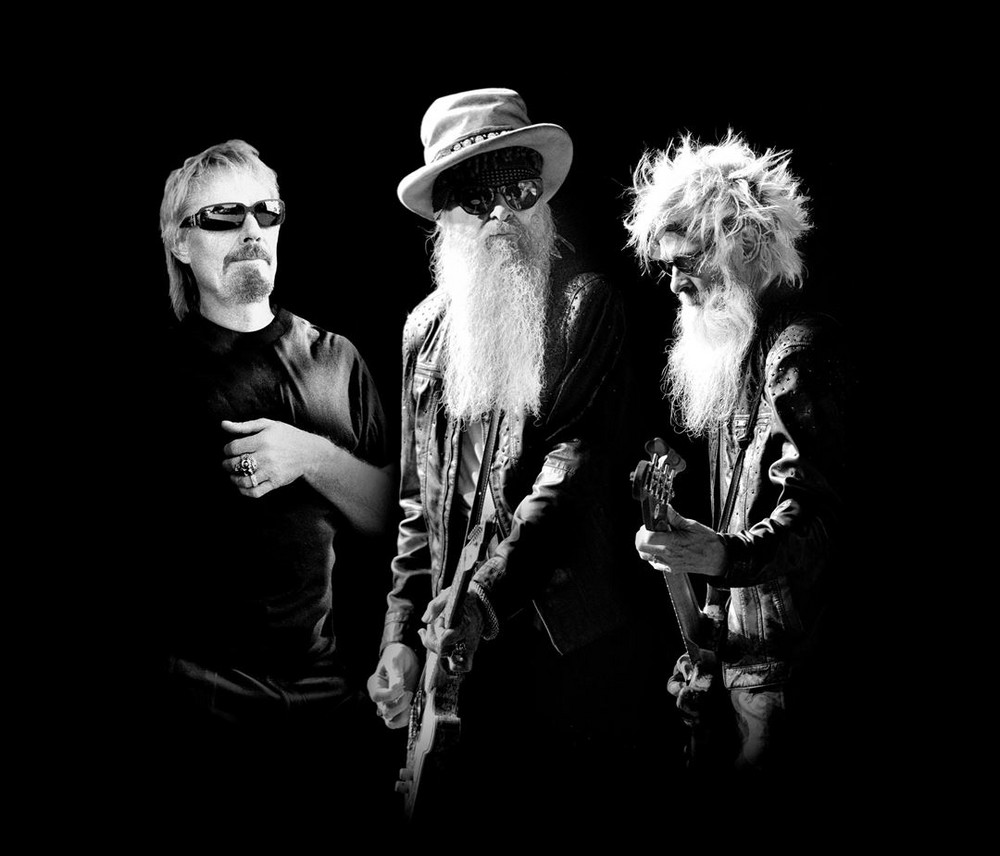
ZZ Top
Blues Rock
Rock
Hard Rock
4
/5
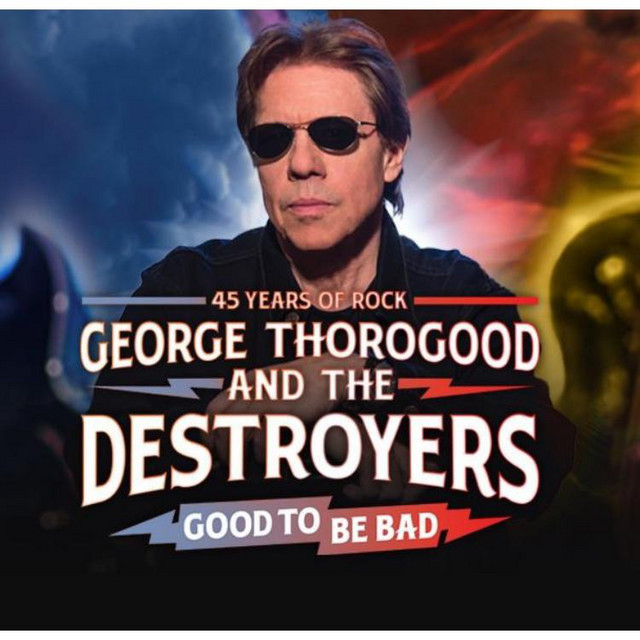
George Thorogood & The Destroyers
Blues Rock
Boogie Rock
Rock
3
/5
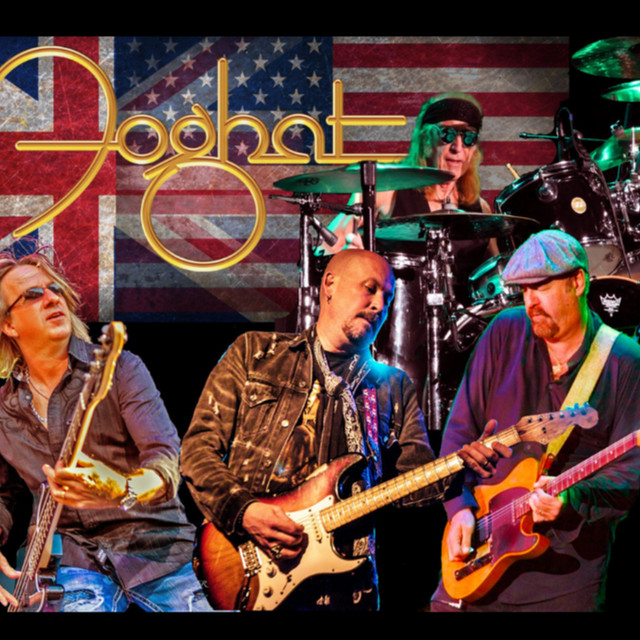
Foghat
Boogie Rock
British Blues
Blues Rock
3
/5
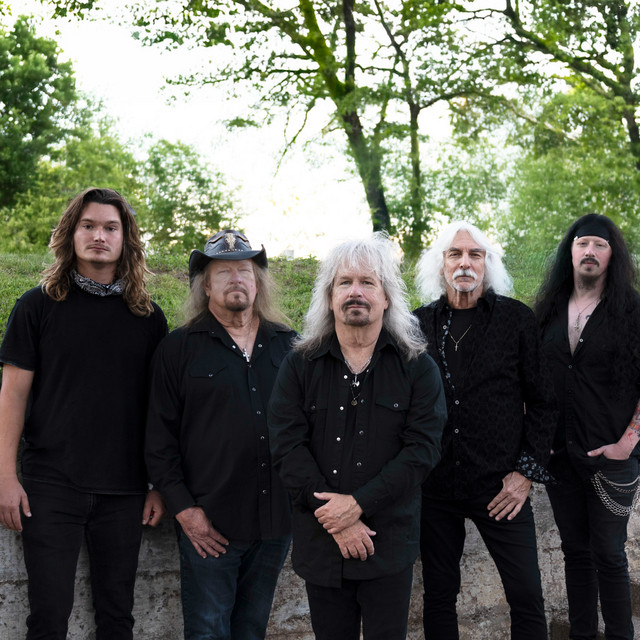
Molly Hatchet
Southern Rock
Boogie Rock
Hard Rock
4
/5
Lynyrd Skynyrd
Rock
Southern Rock
Blues Rock
4
/5
Neil Young
Folk Rock
Country Rock
Hard Rock
4
/5
The Doobie Brothers
Rock
Pop Rock
Classic Rock
4
/5
The Marshall Tucker Band
Southern Rock
Country Rock
Classic Rock
4
/5
Bad Company
Aor
Classic Rock
Hard Rock
4
/5
Billy Squier
Classic Rock
Southern Rock
Hard Rock
Download our mobile app
Get the Melodigging app and start digging for new genres on the go
Download on the App Store
Get it on Google Play
© 2026 Melodigging
Give feedback
About & FAQ
Legal
Melodding was created as a tribute to
Every Noise at Once
, which inspired us to help curious minds keep digging into music's ever-evolving genres.