Genres
Artists
Albums
Make Music
Sign in
Sign in
Artists
Classic Rock
Artists
Classic Rock
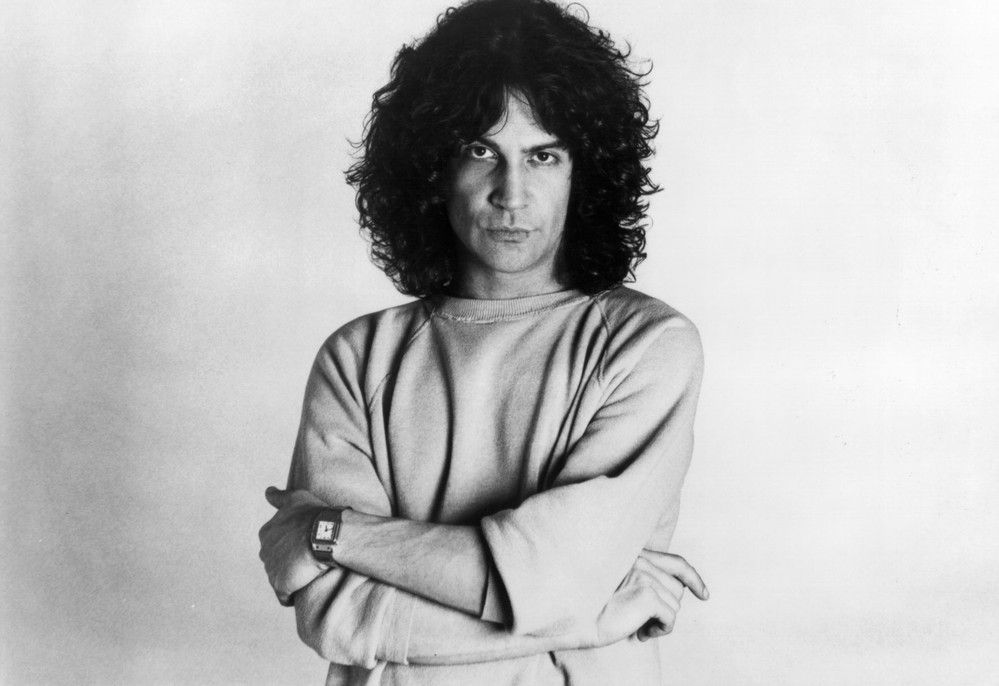
Billy Squier
1981–1983
·
2 albums
Listen
4
/5
Genres
Bossbeat
Bossbeat is an internet‑born, high‑octane branch of EDM tailored to evoke the intensity of a video‑game “boss fight.” Producers fuse modern dubstep and trap sound design with melodic, leitmotif‑driven writing borrowed from video game music and film scoring, aiming for cinematic build‑ups and explosive, riff‑like drops. Characteristic features include minor‑key motifs, fast and syncopated percussion, halftime switch‑ups, aggressive bass design (growls, reeses, metallic FM), and hybrid orchestral layers (brass stabs, choirs, epic drums). The result is music that feels both dance‑floor ready and narratively dramatic—perfect for action montages, game content, and creator culture.
Discover
Listen
Glam Metal
Glam metal (often called hair metal) is a flamboyant strain of 1980s hard rock and heavy metal defined by high-energy riffs, anthemic choruses, and glossy, radio-ready production. It pairs the swagger of hard rock with pop hooks, multi-tracked vocal harmonies, and virtuosic guitar solos. Visually, the style is theatrical: teased hair, makeup, spandex, and flashy stagewear echo the glam rock of the 1970s, while the music embraces both party-ready anthems and power ballads. The sound is big, bright, and built for arenas and MTV-era music television.
Discover
Listen
Classic Rock
Classic rock is a radio-defined umbrella for mainstream, guitar-centered rock music from the mid-1960s through the 1980s. It emphasizes blues-based riffs, memorable choruses, sturdy backbeats, and prominent guitar solos, often framed by warm, analog production. Rather than being a single stylistic branch, classic rock curates a canon that spans hard rock, blues rock, folk rock, psychedelic and progressive strains, and heartland- and country-tinged rock. Albums and album-oriented rock (AOR) values—extended tracks, conceptual cohesion, and musicianship—are central to its identity. The sound evokes tube-amp crunch, Hammond organs, stacked vocal harmonies, and anthemic songwriting designed for both FM radio and the concert arena.
Discover
Listen
Southern Rock
Southern rock is a guitar-driven strain of American rock that emerged from the U.S. South, blending the grit of blues and the twang of country with the volume and swagger of rock. It is distinguished by twin-lead (often harmonized) guitars, prominent slide playing, boogie and shuffle grooves, and a live, jam-forward energy. Hammond B‑3 organ, piano, and rough-hewn, soulful vocals are common. Lyrically, it often explores working‑class life, regional identity, resilience, and the open road, while alternating between barroom stompers and expansive, improvisational epics.
Discover
Listen
Aor
AOR (often read as Album-Oriented Rock and, in stylistic terms, Adult-Oriented Rock) is a polished, melody-forward strain of rock geared for FM radio and arena stages. It pairs sleek production with anthemic choruses, soaring vocals, and a balance of guitar crunch and prominent keyboards, aiming for broad appeal without sacrificing musicianship. In practice, AOR sits between hard rock and soft rock: tight rhythm sections, glossy multi-tracked harmonies, clean-to-overdriven guitar leads, and radio-friendly structures. Its repertoire spans driving uptempo anthems and emotive power ballads, with frequent key changes for climactic final choruses, meticulously layered arrangements, and lyrical themes of romance, resilience, and escape.
Discover
Listen
Album Rock
Album rock (often associated with the album‑oriented rock, or AOR, FM radio format) refers to rock music created and programmed with the album as the primary artistic unit rather than individual hit singles. Emerging on U.S. FM radio in the early 1970s, it spotlighted deeper album cuts, long-form tracks, and cohesive sequencing, drawing heavily from progressive, psychedelic, art, hard, blues, and folk rock. Musically, album rock favors full-band arrangements, extended solos, dynamic contrasts, and high-fidelity production intended for immersive, start-to-finish listening. While overlapping with “arena rock” and later “classic rock,” album rock is best understood as an album-centered approach and a radio culture that shaped how rock acts wrote, produced, and presented their music.
Discover
Listen
Soft Rock
Soft rock is a mellow, melody-forward strain of rock and pop that favors smooth vocals, polished production, and restrained dynamics over distortion and aggression. Built on acoustic and clean electric guitars, piano or electric piano (Rhodes), light rhythm sections, and lush backing vocals or strings, the style centers on memorable hooks and sentimental themes. Its lyrics often explore love, heartbreak, nostalgia, and introspection, delivered with warmth and clarity. Tempos are moderate, grooves are unobtrusive, and harmonies are diatonic with tasteful color (maj7, add9) and occasional key changes. Commercially, soft rock flourished on AM radio and adult contemporary playlists in the 1970s and early 1980s, shaping the sound of radio-friendly ballads and influencing later styles like yacht rock and modern adult contemporary.
Discover
Listen
Hard Rock
Hard rock is a loud, riff-driven style of rock music built around heavily amplified electric guitars, a powerful rhythm section, and assertive vocals. Songs typically center on memorable, blues-based guitar riffs, strong backbeats, and energetic, often shouted or belted choruses. The genre emphasizes power, groove, and visceral impact over intricate harmony or extended improvisation. Distortion, power chords, pentatonic melodies, and call‑and‑response between vocals and guitar are core traits, while lyrical themes often explore rebellion, lust, swagger, escape, and cathartic release.
Discover
Listen
Pop Rock
Pop rock blends the hook-focused immediacy of pop with the instrumentation and drive of rock. It prioritizes catchy melodies, concise song structures, and polished production while retaining guitars, bass, and drums as core elements. Typical pop rock tracks use verse–pre-chorus–chorus forms, strong vocal harmonies, and memorable riffs. The sound ranges from jangly and bright to mildly overdriven and arena-ready, aiming for radio-friendly appeal without abandoning rock’s rhythmic punch.
Discover
Listen
Rock
Rock is a broad family of popular music centered on amplified instruments, a strong backbeat, and song forms that foreground riffs, choruses, and anthemic hooks. Emerging from mid‑20th‑century American styles like rhythm & blues, country, and gospel-inflected rock and roll, rock quickly expanded in scope—absorbing folk, blues, and psychedelic ideas—while shaping global youth culture. Core sonic markers include electric guitar (often overdriven), electric bass, drum kit emphasizing beats 2 and 4, and emotive lead vocals. Rock songs commonly use verse–chorus structures, blues-derived harmony, and memorable melodic motifs, ranging from intimate ballads to high‑energy, stadium‑sized performances.
Discover
Listen
Show all 10 genres
Albums
1983
2
/5
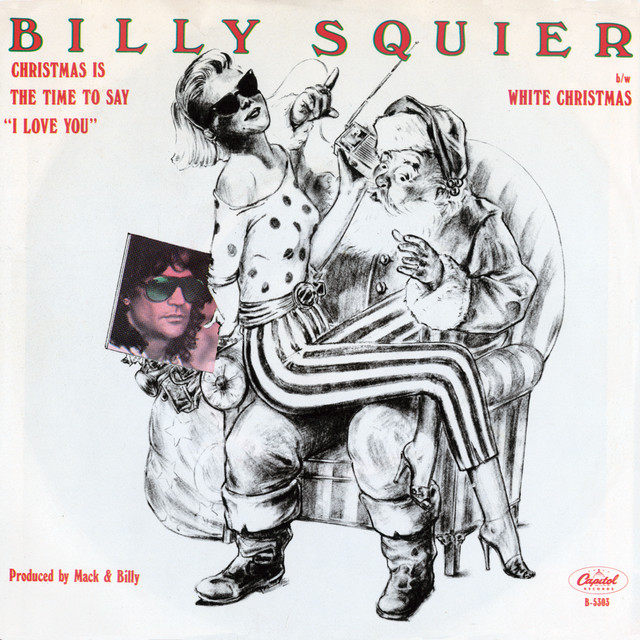
Christmas Is the Time to Say "I Love You"
Billy Squier
Southern Rock
Glam Metal
Soft Rock
1981
4
/5
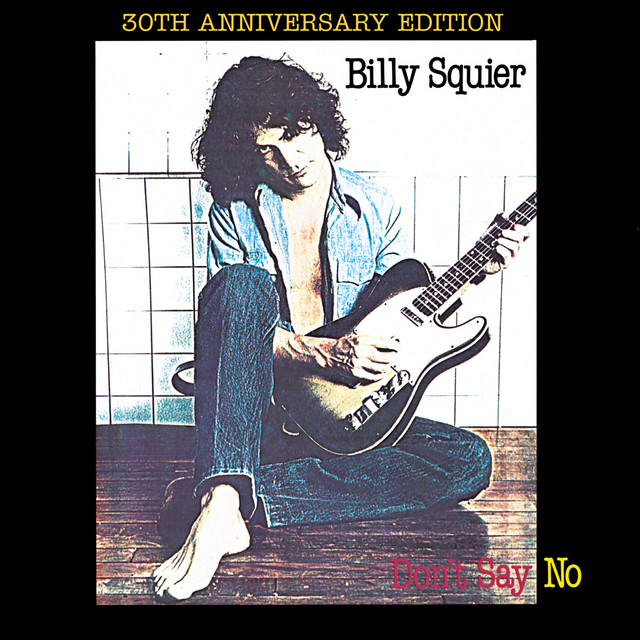
Don't Say No
Billy Squier
Southern Rock
Classic Rock
Hard Rock
Similar artists
4
/5
Lynyrd Skynyrd
Rock
Southern Rock
Blues Rock
4
/5
Journey
Arena Rock
Rock
Aor
4
/5
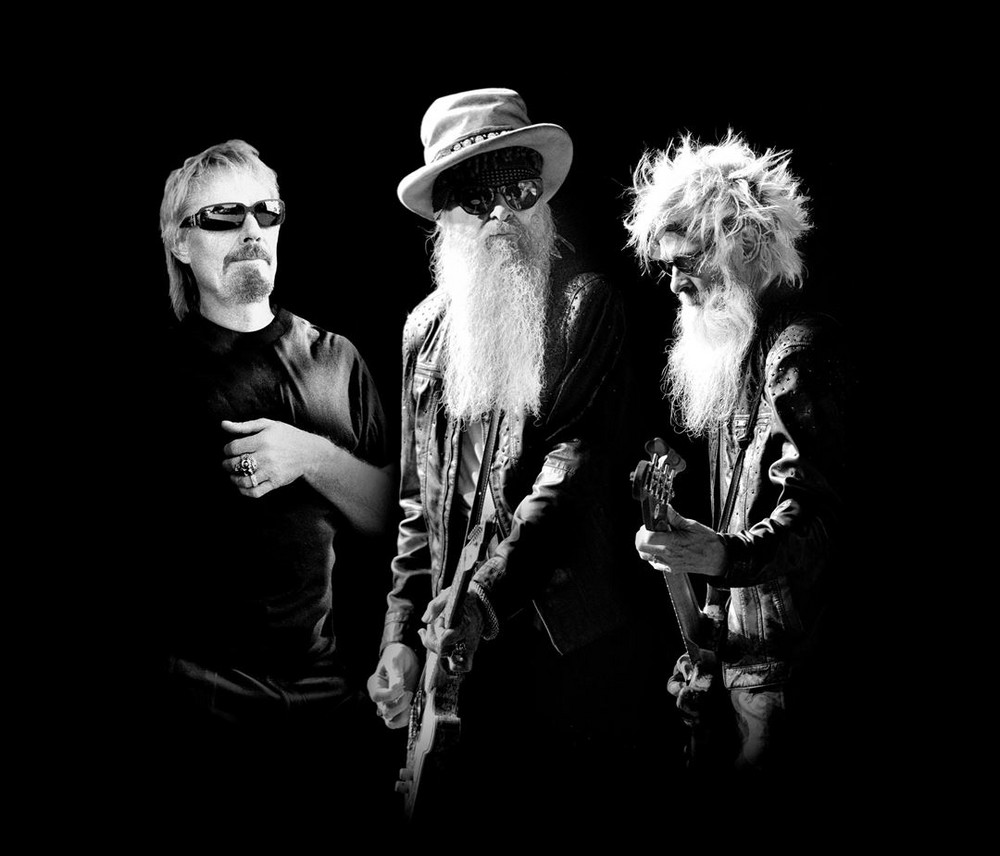
ZZ Top
Rock
Southern Rock
Blues Rock
1
/5
Various Artists
Afro-Funk
Alternative Rock
Ambient
4
/5
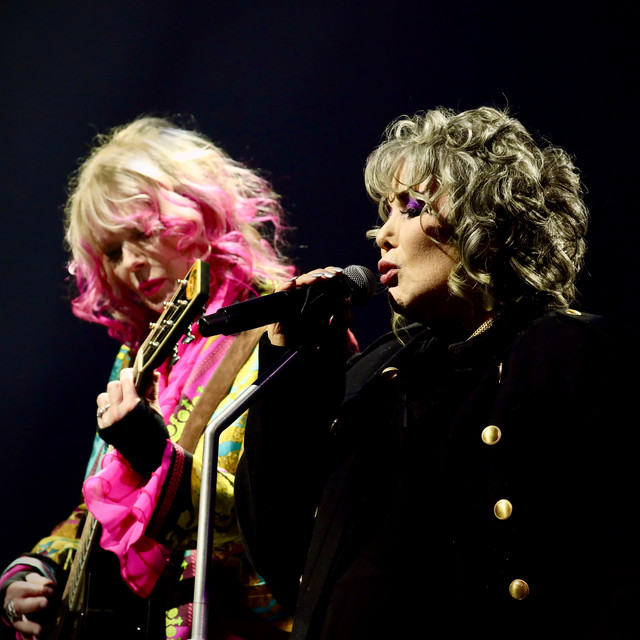
Heart
Classic Rock
New Wave Pop
Rock
4
/5
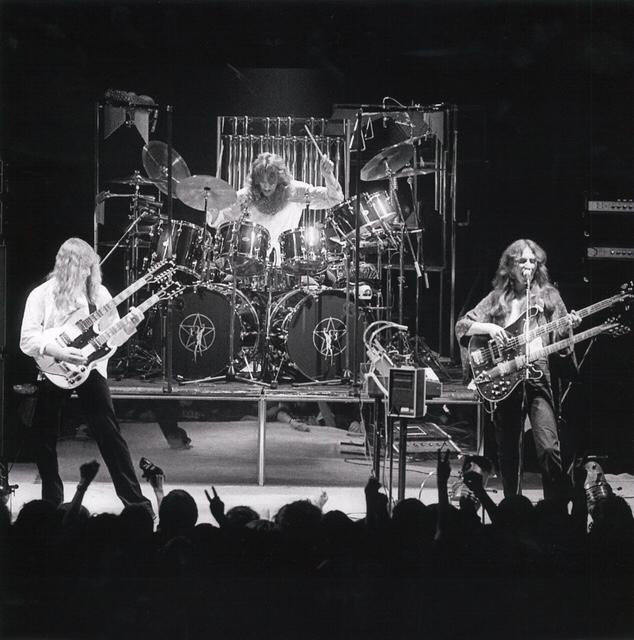
Rush
Progressive Rock
Hard Rock
Rock
4
/5
Boston
Aor
Classic Rock
Glam Metal
4
/5
Bad Company
Aor
Chill Pop
Classic Rock
3
/5
Foghat
British Blues
Boogie Rock
Blues Rock
3
/5
The Night Flight Orchestra
Swedish Melodic Rock
Aor
Arena Rock
Download our mobile app
Get the Melodigging app and start digging for new genres on the go
Download on the App Store
Get it on Google Play
© 2026 Melodigging
Give feedback
Legal
Melodding was created as a tribute to
Every Noise at Once
, which inspired us to help curious minds keep digging into music's ever-evolving genres.