Your digging level
Description
Swedish melodic rock is a Scandinavian take on AOR and melodic hard rock that blends high-gloss production, sing‑along choruses, and guitar‑keyboard interplay.
It is defined by bright, hook‑first songwriting, stacked vocal harmonies, smooth yet assertive guitar tones, and prominent keyboards that add both rhythmic drive and cinematic sheen. Tempos are typically mid‑tempo to upbeat, and lyrics gravitate toward romance, escape, resilience, and nostalgia.
While rooted in the classic 1980s arena sound, Swedish melodic rock is known for its meticulous craft and a distinctly Scandinavian melodic sensibility, keeping the style vibrant across revivals in the 2000s and 2010s.

History
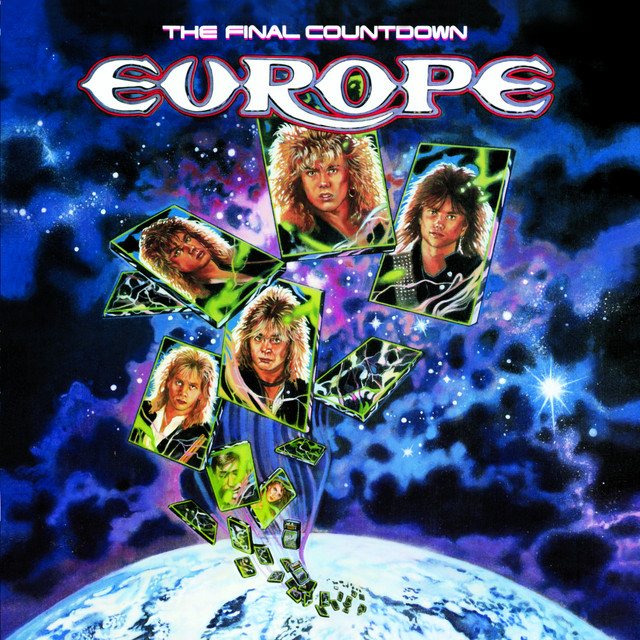
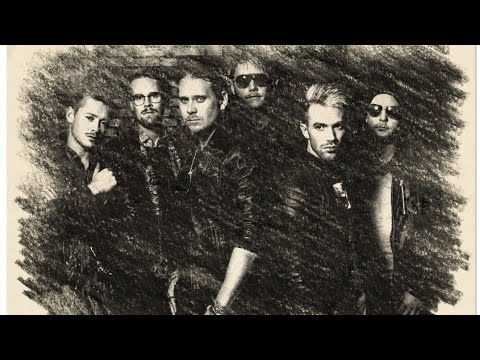
Swedish melodic rock crystallized in the 1980s as Swedish bands absorbed American AOR, British hard rock, and arena rock aesthetics. Acts prioritized high‑impact hooks, layered vocals, and keyboard‑guitar counterlines, aligning with the global rise of radio‑ready hard rock.
In the 1990s, grunge and alternative trends reduced mainstream visibility for polished hard rock across Europe. Swedish melodic rock persisted underground via dedicated fan communities, touring circuits, and specialized import shops, keeping the songwriting and production ethos alive.
A sustained revival arrived in the late 2000s, powered by European labels, web forums, and festivals that championed AOR and melodic hard rock. New Swedish bands modernized the mix—tighter low‑end, updated synth palettes, and punchier mastering—while retaining big choruses and optimistic themes. Streaming and social media amplified international reach, making Sweden a reliable hub for contemporary melodic rock.
The style remains active, with veteran and new Swedish acts releasing albums, touring European festivals, and collaborating across borders. The core signatures—anthemic hooks, glossy production, and guitar‑keyboard synergy—continue to define the sound while allowing tasteful updates in arrangement and mix aesthetics.