Genres
Artists
Albums
Make Music
Sign in
Sign in
Artists
Tennessee Experimental
Artists
Tennessee Experimental
R. Stevie Moore
1974–2023
·
14 albums
Listen
2
/5
Genres
Connecticut Indie
Connecticut indie is a regional strain of U.S. indie rock that blends the heartfelt directness of emo-revival with the fuzzy guitars, DIY ethics, and adventurous textures of New England’s underground. Rooted in college-town and small-city scenes (Middletown, New Haven, Willimantic, Hartford), the sound swings between twinkly, lyrically confessional indie and louder, shoegaze- or noise-tinged guitar rock. You’ll hear gang-vocal catharsis, transparent production that favors live-room energy, and occasional orchestral or synth flourishes that reflect the area’s art-school and experimental leanings. While it is geographically defined, the micro-scene’s bands networked nationally through house shows, small labels, and online communities, making Connecticut indie both locally grounded and widely connected.
Discover
Listen
Tennessee Experimental
Tennessee experimental is a regional micro-scene of avant-garde, ambient, noise, and exploratory electronic music centered around cities like Nashville, Knoxville, and Memphis. The sound tends to favor textural exploration over strict song form, blending tape haze, modular and semi-modular synthesis, spacious electric guitar atmospherics, field recordings, and minimalist percussion. Artists frequently embrace DIY methods, boutique cassette releases, and intimate performance spaces, while drawing on Southern ambience and a sense of slow, humid spaciousness. The result sits between ambient Americana, noise/drone, experimental rock, and left-field electronic music.
Discover
Listen
Hypnagogic Pop
Hypnagogic pop is a late‑2000s microgenre of lo‑fi pop that evokes the hazy, half‑awake feeling between sleep and consciousness. Artists fold fragments of 1970s–1990s mass‑media memory—VHS textures, TV idents, soft rock hooks, and mall‑era synths—into dreamy songs obscured by tape hiss, reverb, and analog wobble. The style blends retro synth-pop, yacht/soft rock, new age pads, and ambient drift with indie pop songcraft. Its mood is nostalgic and melancholic yet warmly intimate, as if hearing familiar pop refracted through worn cassettes and fading broadcast signals.
Discover
Listen
Jangle Pop
Jangle pop is a guitar-centered style of pop and rock defined by bright, chiming tones—often from a 12‑string electric (famously the Rickenbacker)—playing arpeggiated or open‑chord figures with minimal distortion. The sound emphasizes treble clarity, shimmering sustain, and tight compression, creating a sparkling texture that carries melodic hooks. Rhythm sections are typically crisp and supportive rather than aggressive, with steady mid‑tempo grooves and melodic bass counter‑lines. Vocals tend to be tuneful and understated, frequently with close harmonies. Lyrically, jangle pop pairs catchy, concise songwriting with wistful, romantic, and nostalgic themes. The style draws on 1960s guitar pop and folk rock traditions while channeling the DIY ethos of 1980s indie scenes.
Discover
Listen
Alternative Rock
Alternative rock is a broad umbrella for guitar-based rock that emerged from the independent and college-radio scenes as a counterpoint to mainstream, commercial rock. It blends the energy and ethos of punk with the textural and songwriting experiments of post-punk, new wave, jangle pop, and noise rock, often foregrounding introspective or socially aware lyrics. Across its many strains—from the melodic minimalism of college rock to the loud-quiet-loud dynamics of grunge and the artful experimentation of Radiohead-era modernism—alternative rock prioritizes authenticity, sonic individuality, and a do-it-yourself approach. Its sound ranges from chiming, chorus-laden clean guitars to abrasive distortion and feedback, supported by straightforward rock rhythms or off-kilter grooves, and production that can be either raw and live-sounding or polished yet unconventional.
Discover
Listen
Lo-Fi
Lo-fi is a music aesthetic and genre defined by an embrace of audible imperfections—tape hiss, clipping, room noise, distorted transients, and uneven performance—that would be treated as errors in high-fidelity recording. Emerging from the DIY ethos of American indie and punk scenes, lo-fi turns budget constraints and home-recording limitations into a signature sound. Songs are often intimate, direct, and unvarnished, prioritizing immediacy and personality over polish. Typical lo-fi recordings use 4-track cassette or similarly modest setups, simple chord progressions, and understated vocals, spanning rock, folk, pop, and experimental approaches while retaining a homemade warmth and nostalgic patina.
Discover
Listen
Power Pop
Power pop is a guitar-driven style that distills the melodic immediacy of 1960s British Invasion pop into concise, high-energy rock songs. It emphasizes big hooks, ringing guitars (often Rickenbacker-style jangle), tight vocal harmonies, and punchy, economical arrangements that typically run around three minutes. Lyrically, it leans toward youthful longing, romance, and bittersweet nostalgia, delivered with bright major-key progressions, chiming arpeggios, and sing-along choruses. Though Pete Townshend used the term in the late 1960s, the genre cohered in the early 1970s with bands like Badfinger, Big Star, and the Raspberries, and it has resurfaced repeatedly in waves through new wave, indie, and modern pop-punk contexts.
Discover
Listen
Outsider
Outsider music is an umbrella term for idiosyncratic recordings made by creators who operate outside the norms of the commercial music industry and academic training. Rather than a single sound, it describes a sensibility: raw, deeply personal, and frequently unconcerned with conventional technique, pitch, meter, or song form. Artists labeled “outsider” often self‑record at home, release music privately, or perform in nontraditional spaces. Their work may feature unusual tunings, naive or obsessive lyrics, one‑person band setups, tape hiss and room noise, and structures that feel improvised or dreamlike. While the results can be challenging, the appeal lies in the unfiltered voice and the sense of direct, human expression that bypasses stylistic polish. Critic Irwin Chusid popularized the term in the 2000s, but the impulse predates it by decades, drawing on DIY, vanity-press, song‑poem, and local scene traditions across rock, folk, pop, blues, gospel, and experimental music.
Discover
Listen
Singer-Songwriter
Singer-songwriter is a song-focused style in which the same person writes, composes, and performs their own material, often accompanying themselves on acoustic guitar or piano. It emphasizes personal voice, lyrical intimacy, and storytelling over elaborate production. Arrangements are typically sparse, allowing the melody, words, and performance nuance to carry the song’s emotional weight. While rooted in folk and blues traditions, singer-songwriter embraces pop and rock songcraft, producing works that can range from quiet confessional ballads to subtly orchestrated, radio-ready pieces.
Discover
Listen
Experimental
Experimental music is an umbrella term for practices that prioritize exploration, process, and discovery over adherence to established genre norms. It embraces new sound sources, nonstandard tuning systems, indeterminacy and chance operations, graphic and open-form scores, extended techniques, and technology-led sound design (tape, electronics, computers, and live processing). Rather than a single style, it is a methodology and ethos: testing hypotheses about sound, structure, and performance, often blurring boundaries between composition, improvisation, sound art, and performance art. Listeners can expect unfamiliar timbres, unusual forms, and an emphasis on how music is made as much as the resulting sound.
Discover
Listen
Rock
Rock is a broad family of popular music centered on amplified instruments, a strong backbeat, and song forms that foreground riffs, choruses, and anthemic hooks. Emerging from mid‑20th‑century American styles like rhythm & blues, country, and gospel-inflected rock and roll, rock quickly expanded in scope—absorbing folk, blues, and psychedelic ideas—while shaping global youth culture. Core sonic markers include electric guitar (often overdriven), electric bass, drum kit emphasizing beats 2 and 4, and emotive lead vocals. Rock songs commonly use verse–chorus structures, blues-derived harmony, and memorable melodic motifs, ranging from intimate ballads to high‑energy, stadium‑sized performances.
Discover
Listen
Pop
Pop is a broad, hook-driven style of popular music designed for wide appeal. It emphasizes memorable melodies, concise song structures, polished vocals, and production intended for radio, charts, and mass media. While pop continually absorbs elements from other styles, its core remains singable choruses, accessible harmonies, and rhythmic clarity. Typical forms include verse–pre-chorus–chorus, frequent use of bridges and middle-eights, and ear-catching intros and outros. Pop is not defined by a single instrumentation. It flexibly incorporates acoustic and electric instruments, drum machines, synthesizers, and increasingly digital production techniques, always in service of the song and the hook.
Discover
Listen
Show all 12 genres
Albums
2023
1
/5
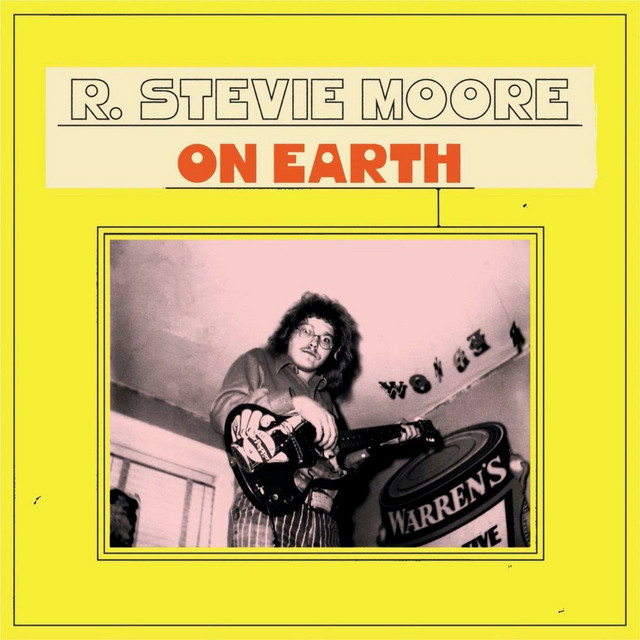
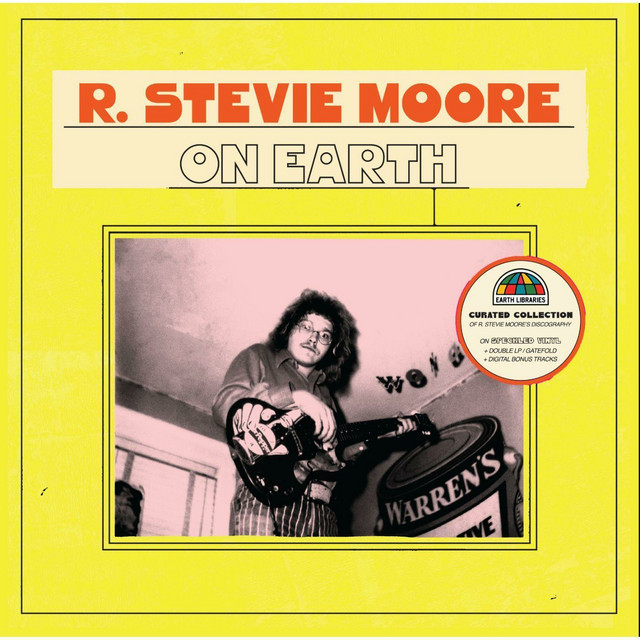
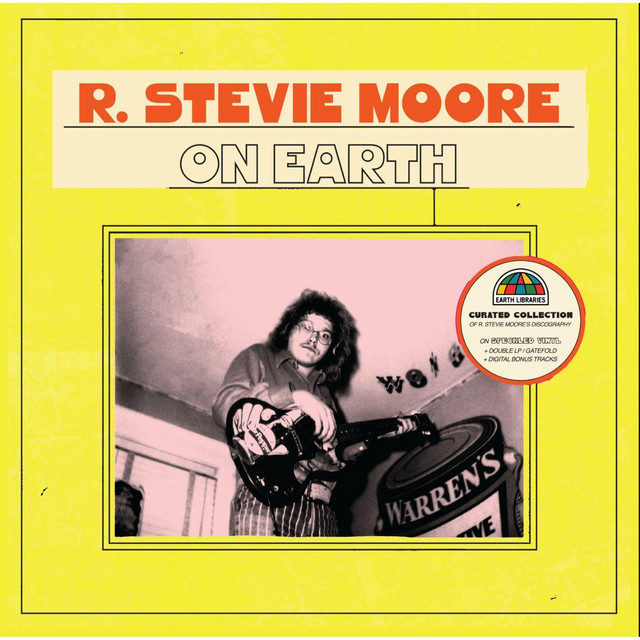
ON EARTH
R. Stevie Moore
Tennessee Experimental
2023
1
/5
Why Should I Love You
R. Stevie Moore
Tennessee Experimental
2023
1
/5
Why Should I Love You
R. Stevie Moore
Tennessee Experimental
Outsider
2023
1
/5
Don't Let Me Go To The Dogs
R. Stevie Moore
Tennessee Experimental
Outsider
2017
1
/5
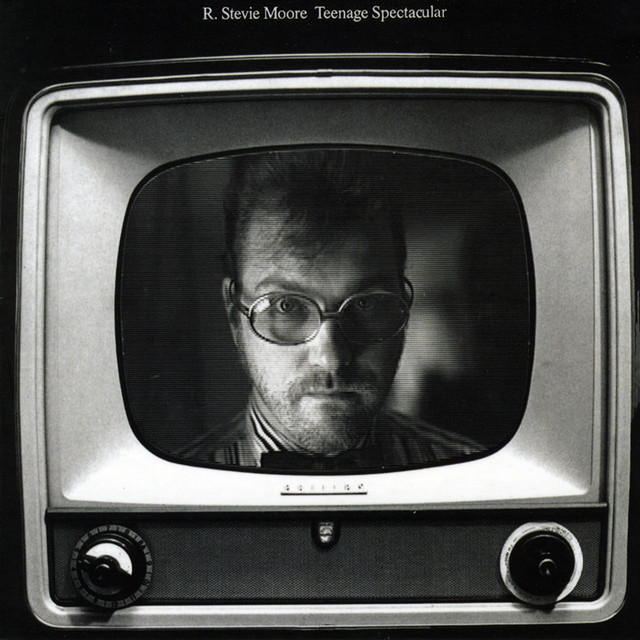
Teenage Spectacular
R. Stevie Moore
Tennessee Experimental
2001
1
/5
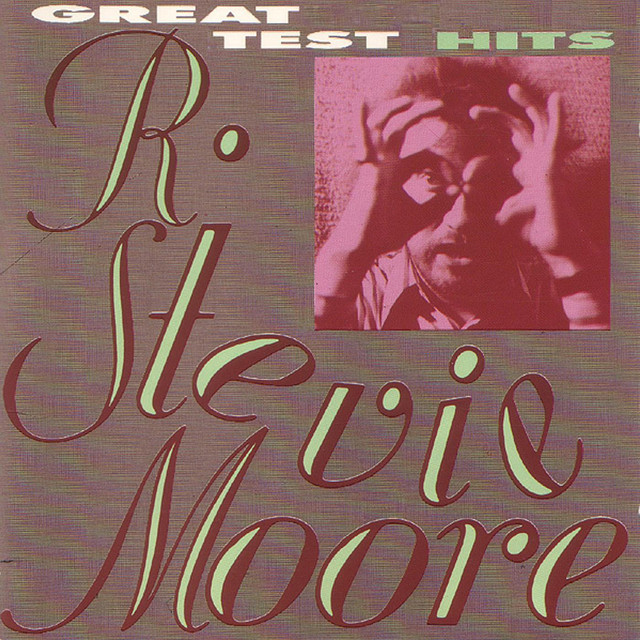
Great Test Hits
R. Stevie Moore
Tennessee Experimental
1986
1
/5
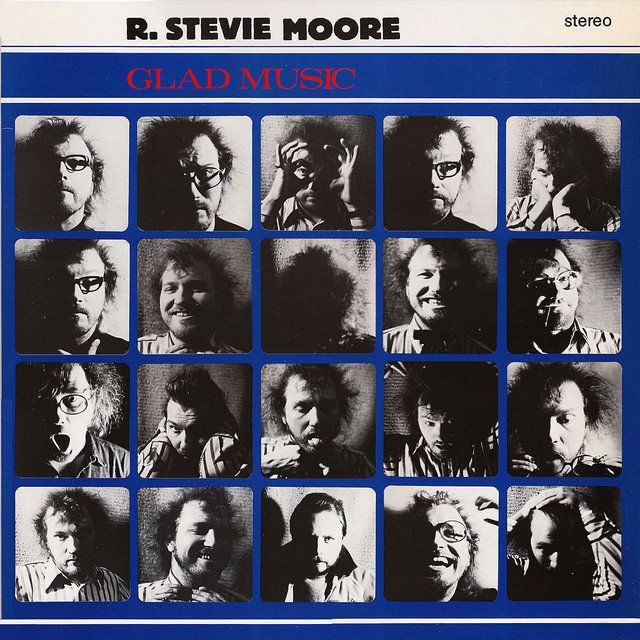
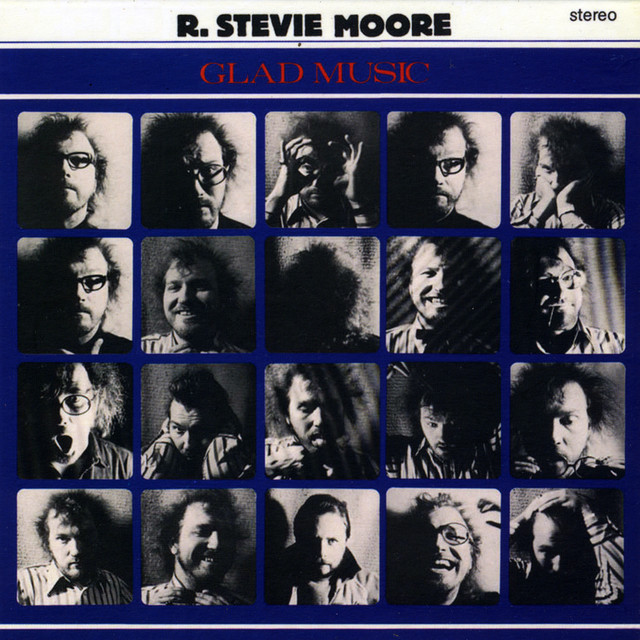
Glad Music
R. Stevie Moore
Tennessee Experimental
1986
2
/5
Glad Music
R. Stevie Moore
Tennessee Experimental
Pop
Rock
1980
1
/5
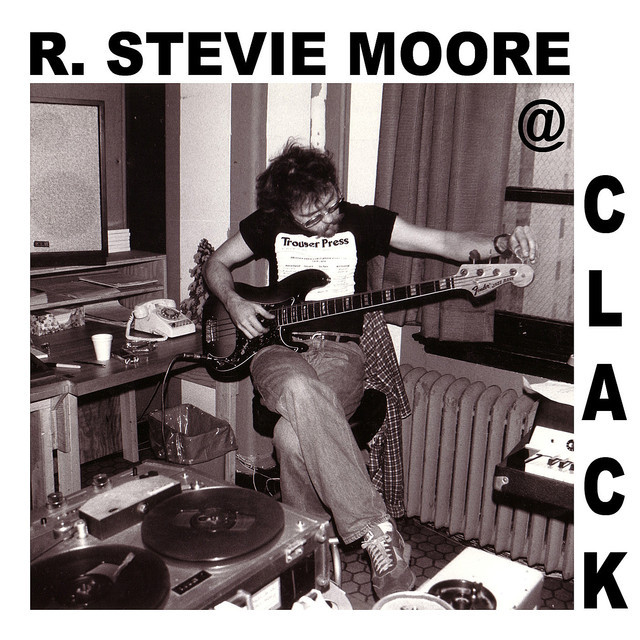
Clack: The 1979-80 New York Studio Recordings
R. Stevie Moore
Tennessee Experimental
1978
2
/5
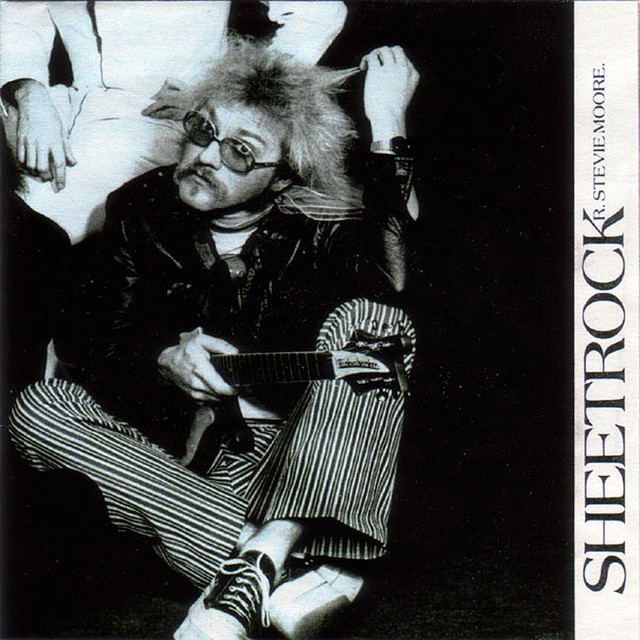
Sheetrock
R. Stevie Moore
Tennessee Experimental
1978
1
/5
Pow Wow
R. Stevie Moore
Tennessee Experimental
1977
1
/5
Swing & A Miss/R. Stevie Moore '77
R. Stevie Moore
Tennessee Experimental
1976
1
/5
Phonography
R. Stevie Moore
Tennessee Experimental
1974
2
/5
Meet The R. Stevie Moore!
R. Stevie Moore
Tennessee Experimental
Alternative Rock
Experimental
Similar artists
1
/5
Various Artists
Afro-Funk
Alternative Rock
Ambient
2
/5
Syd Barrett
Outsider
Psychedelic Folk
Acid Rock
5
/5
Joji
Viral Pop
Electronic
Alternative R&b
3
/5
Susanna Hoffs
Chill Pop
Jangle Pop
Power Pop
3
/5
The Replacements
Power Pop
Jangle Pop
Indie Shoegaze
3
/5
Badfinger
Chill Pop
Indie Shoegaze
Jangle Pop
3
/5
XTC
New Wave
Post-Punk
Rock
3
/5
Raspberries
Jangle Pop
Power Pop
Lo Star
3
/5
Teenage Fanclub
Jangle Pop
Power Pop
Britpop
3
/5
Big Star
Power Pop
Baroque Pop
Jangle Pop
Download our mobile app
Get the Melodigging app and start digging for new genres on the go
Download on the App Store
Get it on Google Play
© 2026 Melodigging
Give feedback
Legal
Melodding was created as a tribute to
Every Noise at Once
, which inspired us to help curious minds keep digging into music's ever-evolving genres.