Genres
Artists
Albums
Make Music
Sign in
Sign in
Artists
Deep New Wave
Artists
Deep New Wave
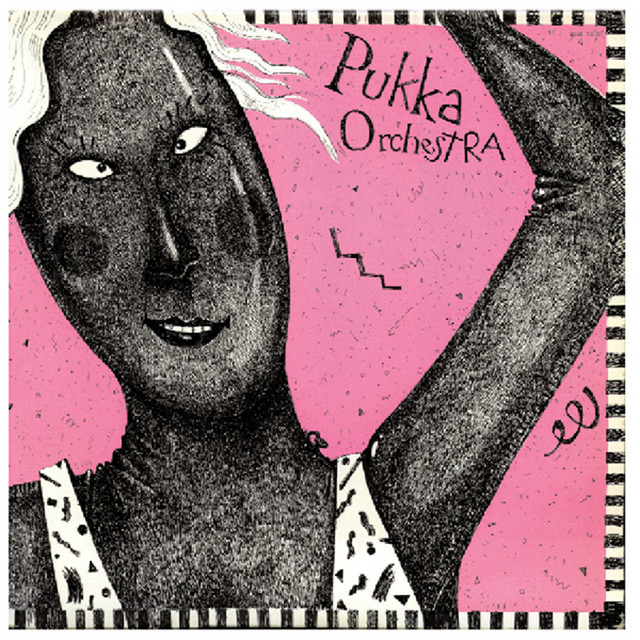
Pukka Orchestra
1984
·
1 album
Listen
Genres
Deep New Wave
Deep new wave is a curatorial term for the darker, more textural end of early-1980s new wave. It emphasizes moody synths, chorus-laden guitars, and sleek, disciplined rhythms over radio-friendly gloss. Sitting between post-punk austerity and synth-pop melodicism, it favors minor-key harmonies, arpeggiated synth patterns, and baritone-to-tenor vocals that deliver themes of modern alienation, nocturnal city life, introspection, and romantic detachment. Production typically features drum machines, gated reverb, bright chorus effects, and spacious delays, yielding a cinematic, chrome-lit atmosphere that feels both melancholic and danceable.
Discover
Listen
New Wave
New wave is a broad, pop-oriented umbrella for styles that emerged in the mid-to-late 1970s as a sleeker, more melodic outgrowth of punk culture. Initially, the term varied by region: in the United States it was first used by critics and labels (famously Sire Records’ “Don’t Call It Punk” campaign in 1977) to rebrand punk-associated artists with more radio-friendly aesthetics; in the United Kingdom it encompassed a wider constellation of fresh, stylish post-punk-era sounds. Over time, “new wave” became a catch‑all for hooky guitar pop, synth-driven songs, danceable rhythms, and modernist production sensibilities. Sonically, it blends tight, upbeat rhythms (often disco- and reggae-informed), clean chorus/flanger guitars, prominent synthesizers, and concise, hook-led songwriting. Its visual identity—sharp suits, futurist imagery, and fashion-forward presentation—was integral, aligning with the rise of music television and emphasizing art-school wit, irony, and modern urban themes.
Discover
Listen
Pop Rock
Pop rock blends the hook-focused immediacy of pop with the instrumentation and drive of rock. It prioritizes catchy melodies, concise song structures, and polished production while retaining guitars, bass, and drums as core elements. Typical pop rock tracks use verse–pre-chorus–chorus forms, strong vocal harmonies, and memorable riffs. The sound ranges from jangly and bright to mildly overdriven and arena-ready, aiming for radio-friendly appeal without abandoning rock’s rhythmic punch.
Discover
Listen
Rock
Rock is a broad family of popular music centered on amplified instruments, a strong backbeat, and song forms that foreground riffs, choruses, and anthemic hooks. Emerging from mid‑20th‑century American styles like rhythm & blues, country, and gospel-inflected rock and roll, rock quickly expanded in scope—absorbing folk, blues, and psychedelic ideas—while shaping global youth culture. Core sonic markers include electric guitar (often overdriven), electric bass, drum kit emphasizing beats 2 and 4, and emotive lead vocals. Rock songs commonly use verse–chorus structures, blues-derived harmony, and memorable melodic motifs, ranging from intimate ballads to high‑energy, stadium‑sized performances.
Discover
Listen
Albums
1984
1
/5
Pukka Orchestra
Pukka Orchestra
Deep New Wave
New Wave
Pop Rock
Similar artists
1
/5
Various Artists
Afro-Funk
Alternative Rock
Ambient
5
/5
Olivia Rodrigo
Pop
Chill Pop
Chill R&b
5
/5
Paramore
Emo Pop
Candy Pop
Pixie
5
/5
The Killers
Dance-Rock
Alternative Rock
Permanent Wave
5
/5
The Smiths
Jangle Pop
Madchester
New Wave
5
/5
David Bowie
Art Rock
Rock
Glam Rock
5
/5
The Cure
Gothic Rock
Post-Punk
New Wave
5
/5
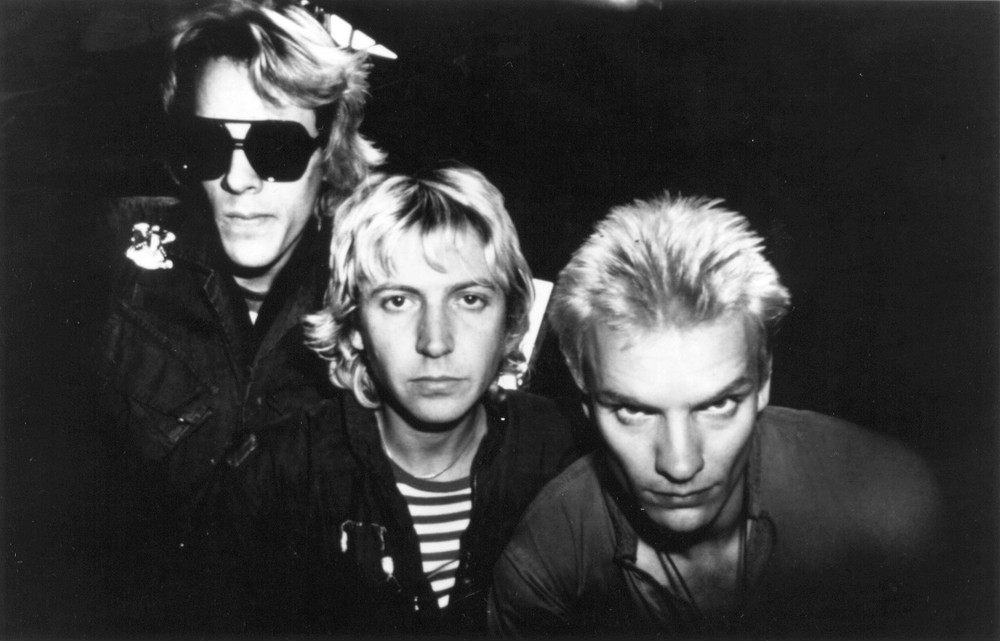
The Police
Rock
Alternative Rock
New Wave
4
/5
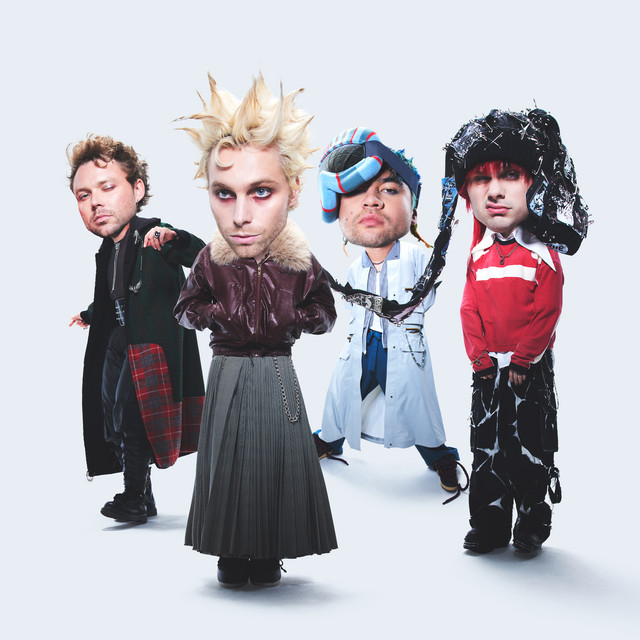
5 Seconds of Summer
Boy Band
Pop
Rock
4
/5
mgk
Pop Rap
Hip Hop
Trap
Download our mobile app
Get the Melodigging app and start digging for new genres on the go
Download on the App Store
Get it on Google Play
© 2026 Melodigging
Give feedback
Legal
Melodding was created as a tribute to
Every Noise at Once
, which inspired us to help curious minds keep digging into music's ever-evolving genres.