Genres
Artists
Albums
Make Music
Sign in
Sign in
Artists
Medieval
Artists
Medieval
PERCEVAL
2023–2025
·
3 albums
Listen
3
/5
Genres
Riddim Dubstep
Riddim dubstep is a minimalist, loop-driven branch of dubstep that emphasizes hypnotic repetition, half‑time drums, and lurching mid‑range bass motifs. Instead of flashy, constantly changing sound design, it focuses on a few tightly sculpted “wub” phrases that evolve through modulation, filtering, and subtle rhythmic variation. Rooted in UK sound‑system culture and the Jamaican concept of a reusable “riddim,” the style typically sits around 140 BPM, pairing a powerful sub with syncopated, percussive bass stabs. The overall feel is dark, bouncy, and relentlessly dance‑oriented—built for double‑drops, blends, and long DJ transitions on large rigs.
Discover
Listen
Speedrun
Speedrun is a gaming-adjacent EDM microgenre designed for adrenaline, focus, and momentum. It blends hyper-energetic drops with catchy, game-like melodies and rapid switch‑ups that mirror the pace and tension of timed gameplay. Typically sitting between 140–175+ BPM, the style pivots between half‑time dubstep weight, electro/complextro riffing, glitchy fills, and drum & bass acceleration. Producers favor bright, synthetic leads (often with chiptune flourishes), tightly sidechained supersaws, and animated bass design that stays clean and punchy for streaming. The mood is triumphant, high‑octane, and “level‑up” cinematic—made to keep speedrunners and viewers locked in.
Discover
Listen
Artcore
Artcore is a subgenre of hardcore techno that fuses high-BPM club energy with the orchestral colors and dramatic writing of cinematic classical music. Producers combine pounding four-on-the-floor kicks, breakbeats, and modern EDM sound design with strings, piano, choirs, and sweeping harmonic progressions. The result is a maximalist, emotive style: towering builds, through-composed sections, key changes, and leitmotifs are common, while supersaw leads, reese basses, and intricate percussion keep the dancefloor intensity. The sound took shape in Japan’s doujin and rhythm-game circles, but it has since spread globally among electronic musicians who favor epic, narrative arrangements.
Discover
Listen
Psytrance
Psytrance (psychedelic trance) is a high-energy branch of trance music that emphasizes hypnotic repetition, richly modulated synth textures, and immersive sound design. Typically ranging from 138–150 BPM (with substyles slower or faster), it features a straight four-on-the-floor kick, a tight, rolling 1/16th-note bassline, and intricately layered FX—zaps, squelches, formant sweeps, and granular stutters—arranged to create a mind-bending, psychedelic journey. Tracks are commonly 6–9 minutes long, evolving through long-form tension and release. Harmony is sparse and modal (often minor, Phrygian, or Phrygian dominant), while rhythmic micro-variations, filter automation, and spatial motion (pans, dopplers, psychoacoustic tricks) carry the narrative.
Discover
Listen
Trance
Trance is a form of electronic dance music characterized by steady four-on-the-floor beats, long build‑ups and breakdowns, and euphoric, melodic progressions designed to induce a hypnotic or “trance‑like” state. Typical tempos range from about 130 to 142 BPM, with arrangements often stretching 7–10 minutes to allow DJs room for tension, release, and seamless mixing. The sound palette emphasizes shimmering pads, arpeggiated synth motifs, supersaw leads, and wide, reverberant spaces. Harmonically, trance tends to favor minor keys, modal mixture, and extended suspense before cathartic drops. Production hallmarks include sidechain compression (“pumping”), off‑beat open hi‑hats, rolling basslines, and lush delay/reverb tails. While largely instrumental, a major branch—vocal trance—features lyrical toplines and pop‑leaning structures without losing its club‑centric dynamics.
Discover
Listen
Techno
Techno is a four-on-the-floor, machine-driven form of electronic dance music that emerged in mid-to-late 1980s Detroit. It is characterized by steady 4/4 kick drums, repetitive and hypnotic rhythmic patterns, synthetic timbres, and an emphasis on texture, groove, and forward momentum over elaborate harmony. Producers typically use drum machines, sequencers, and synthesizers to build layered percussion, pulsing basslines, and evolving motifs. While often dark and minimalistic, techno spans a wide spectrum—from soulful, futuristic Detroit aesthetics to hard, industrially tinged European strains—yet it consistently prioritizes kinetic energy for dancefloors and a sense of machine futurism.
Discover
Listen
Electronic
Electronic is a broad umbrella genre defined by the primary use of electronically generated or electronically processed sound. It encompasses music made with synthesizers, drum machines, samplers, computers, and studio/tape techniques, as well as electroacoustic manipulation of recorded or synthetic sources. The genre ranges from academic and experimental traditions to popular and dance-oriented forms. While its sonic palette is rooted in electricity and circuitry, its aesthetics span minimal and textural explorations, structured song forms, and beat-driven club permutations. Electronic emphasizes sound design, timbre, and studio-as-instrument practices as much as melody and harmony.
Discover
Listen
Medieval
Medieval music refers to the diverse sacred and secular musical practices of Europe between the fall of the Western Roman Empire and the dawn of the Renaissance. It spans more than eight centuries, from early monophonic chant to the first notated polyphony. Core features include the use of church modes rather than major/minor, extensive reliance on vocal music (Latin sacred chant as well as vernacular song), and the progressive development from unmeasured chant to rhythmic modal notation and, later, mensural notation. Texture evolves from monophony (plainchant, troubadour songs) to organum, conductus, and the motet, culminating in complex isorhythmic works by the late 13th–14th centuries. Secular traditions—troubadours and trouvères in France, Minnesänger in German lands, and the Iberian Cantigas—coexisted with and influenced sacred practice. Instruments such as the vielle, harp, psaltery, recorder, shawm, hurdy-gurdy, and portative organ often doubled or accompanied voices, though much music remained purely vocal.
Discover
Listen
Show all 8 genres
Albums
2025
3
/5
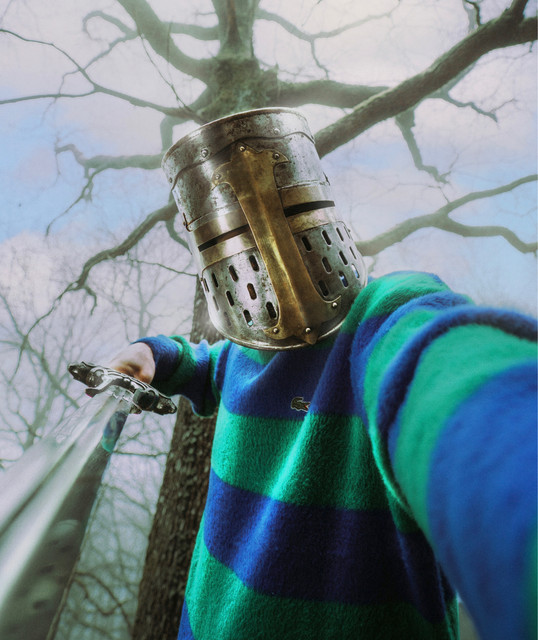
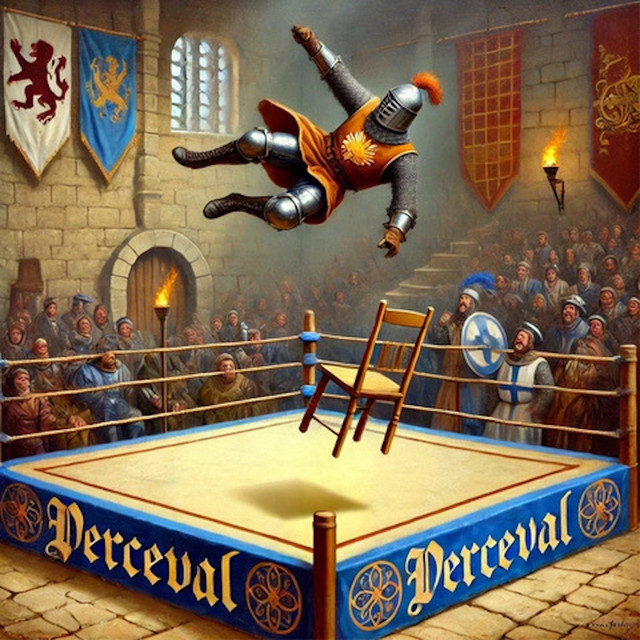
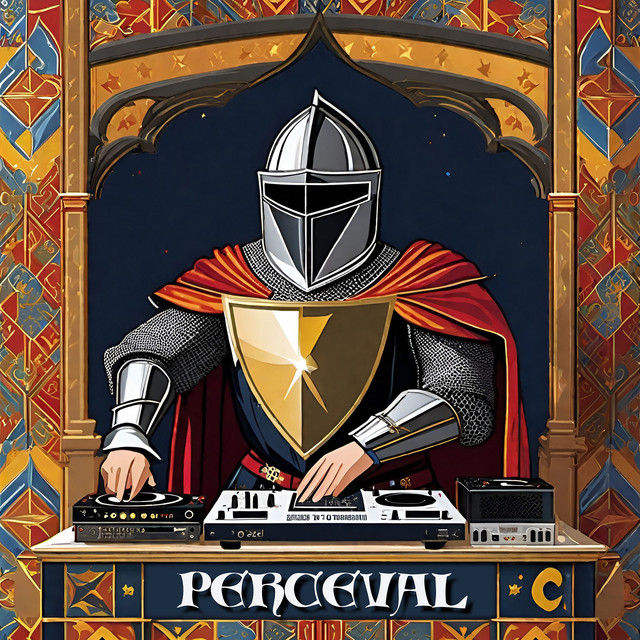
ATTENTION LES CHAISES
PERCEVAL
Medieval
2024
3
/5
TROUBADOUR
PERCEVAL
Medieval
2023
3
/5
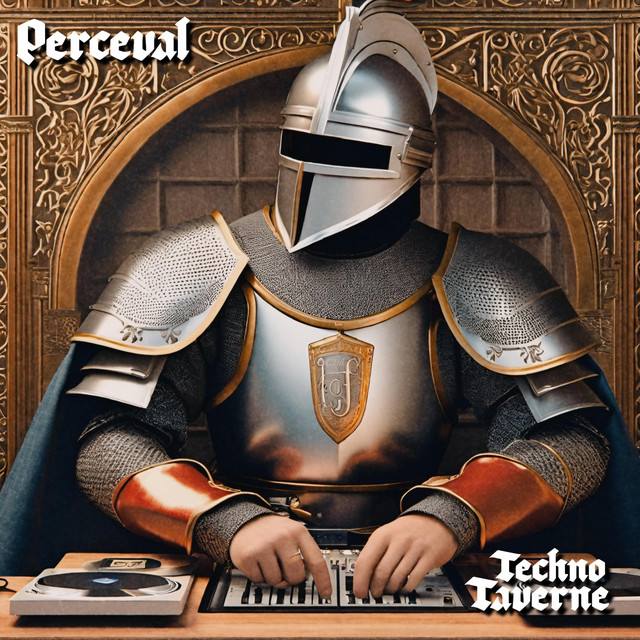
TECHNO TAVERNE
PERCEVAL
Medieval
Similar artists
5
/5
Kendrick Lamar
Conscious Hip Hop
Hip Hop
West Coast Hip Hop
5
/5
Bring Me The Horizon
Melodic Metalcore
Post-Hardcore
Screamo
4
/5
ILLENIUM
Melodic Bass
Future Bass
Electronic
4
/5
TheFatRat
Speedrun
Chill Pop
Covertronica
3
/5
Pegboard Nerds
Complextro
Drumstep
Dubstep
3
/5
Bossfight
Chiptune
Deathstep
Dubstep
3
/5
Nitro Fun
Speedrun
Electro
Electro House
3
/5
Mr. Bill
Dubstep
Idm
Glitch Hop Edm
4
/5
Miracle Of Sound
Antiviral Pop
Medieval Metal
Medieval
3
/5
Wardruna
Neofolk
Rune Folk
Viking Folk
Download our mobile app
Get the Melodigging app and start digging for new genres on the go
Download on the App Store
Get it on Google Play
© 2026 Melodigging
Give feedback
Legal
Melodding was created as a tribute to
Every Noise at Once
, which inspired us to help curious minds keep digging into music's ever-evolving genres.