Genres
Artists
Albums
Make Music
Sign in
Sign in
Artists
Microtonal Classical
Artists
Microtonal Classical
Partch, Harry
2014
·
1 album
Listen
Genres
Modern Classical
Modern classical is a contemporary strand of instrumental music that applies classical composition techniques to intimate, cinematic settings. It typically foregrounds piano and strings, is sparsely orchestrated, and embraces ambience, repetition, and timbral detail. Rather than the academic modernism of the early 20th century, modern classical as used today refers to accessible, mood-driven works that sit between classical, ambient, and film music. Felt pianos, close‑miked string quartets, tape hiss, drones, soft electronics, and minimal harmonic movement are common, producing a contemplative, emotionally direct sound that translates well to headphones, streaming playlists, and screen media.
Discover
Listen
Outsider
Outsider music is an umbrella term for idiosyncratic recordings made by creators who operate outside the norms of the commercial music industry and academic training. Rather than a single sound, it describes a sensibility: raw, deeply personal, and frequently unconcerned with conventional technique, pitch, meter, or song form. Artists labeled “outsider” often self‑record at home, release music privately, or perform in nontraditional spaces. Their work may feature unusual tunings, naive or obsessive lyrics, one‑person band setups, tape hiss and room noise, and structures that feel improvised or dreamlike. While the results can be challenging, the appeal lies in the unfiltered voice and the sense of direct, human expression that bypasses stylistic polish. Critic Irwin Chusid popularized the term in the 2000s, but the impulse predates it by decades, drawing on DIY, vanity-press, song‑poem, and local scene traditions across rock, folk, pop, blues, gospel, and experimental music.
Discover
Listen
Microtonal Classical
Microtonal classical is a stream of Western art music that organizes pitch using intervals smaller than the conventional 12-tone equal temperament. Composers employ alternative equal temperaments (such as 19, 24, 31, or 72 tones per octave), just intonation, and other tuning systems to expand harmony, melody, and timbre beyond the familiar semitone grid. The genre foregrounds novel intervals, complex chordal spectra, continuous pitch (glissandi), and fine-grained intonational nuance. It can sound otherworldly, tense, or delicately shimmering, and often requires specially retuned instruments, extended techniques, or custom-built instruments to realize its pitch language.
Discover
Listen
Avant-Garde
Avant-garde music is an umbrella term for boundary-pushing practices that challenge prevailing norms of harmony, rhythm, timbre, form, and performance. It privileges experimentation, conceptual rigor, and a willingness to reframe what counts as music at all. Historically tied to early 20th‑century artistic modernism, avant-garde music introduced atonality, the emancipation of noise, and new forms of notation and process. It embraces indeterminacy, extended techniques, electronics, spatialization, and multimedia performance, treating sound as material to be sculpted, questioned, and reinvented.
Discover
Listen
Classical
Classical music is the notated art-music tradition of Europe and its global descendants, characterized by durable forms, carefully codified harmony and counterpoint, and a literate score-based practice. The term “classical” can refer broadly to the entire Western art-music lineage from the Medieval era to today, not just the Classical period (c. 1750s–1820s). It privileges long-form structures (such as symphonies, sonatas, concertos, masses, and operas), functional or modal harmony, thematic development, and timbral nuance across ensembles ranging from solo instruments to full orchestras and choirs. Across centuries, the style evolved from chant and modal polyphony to tonal harmony, and later to post-tonal idioms, while maintaining a shared emphasis on written notation, performance practice, and craft.
Discover
Listen
Albums
2014
1
/5
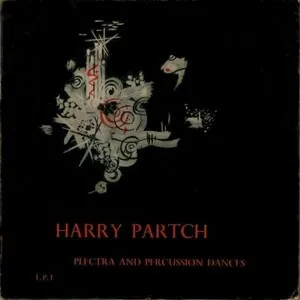
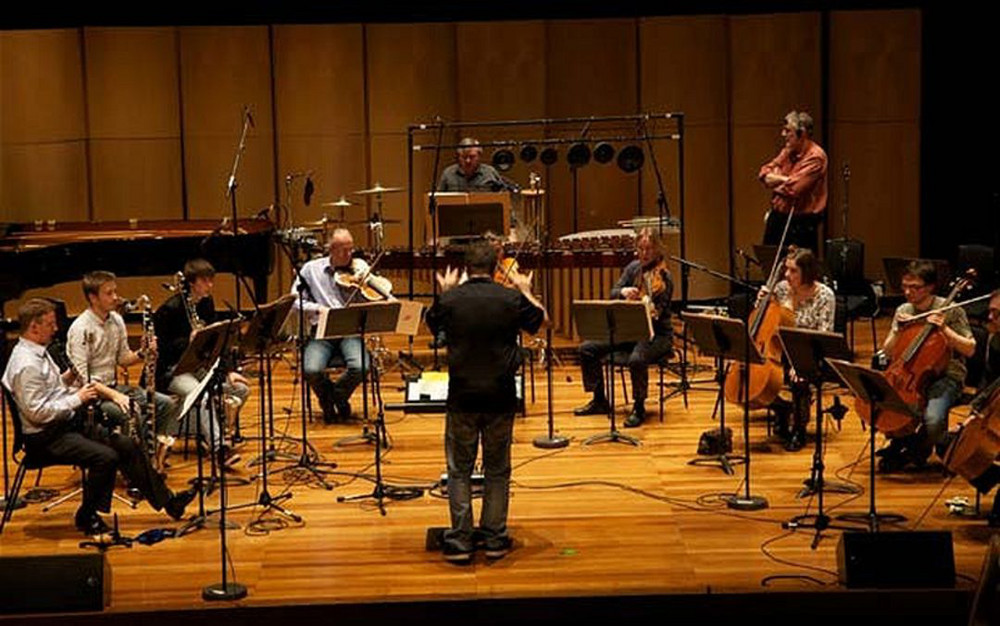
Plectra and Percussion Dances
Harry Partch / Gate 5 Ensemble
Microtonal Classical
Similar artists
2
/5
Terry Riley
Minimalism
Classical
Experimental
1
/5
Klangforum Wien
Avant-Garde
Classical
Musique Concrète Instrumentale
1
/5
Éliane Radigue
Drone
Experimental
Ambient
1
/5
Giacinto Scelsi
Avant-Garde
Microtonal Classical
Chamber Music
1
/5
Ben Johnston
Avant-Garde
Classical
Experimental
1
/5
Kepler Quartet
Avant-Garde
Chamber Music
Classical
3
/5
London Sinfonietta
Classical
Minimalism
Chamber Music
2
/5
WDR Sinfonieorchester Köln
Classical
Avant-Garde
Darmstadt School
1
/5
Kyle Gann
Totalism
Avant-Garde
Classical
1
/5
JACK Quartet
Chamber Music
Avant-Garde
Classical
Download our mobile app
Get the Melodigging app and start digging for new genres on the go
Download on the App Store
Get it on Google Play
© 2026 Melodigging
Give feedback
Legal
Melodding was created as a tribute to
Every Noise at Once
, which inspired us to help curious minds keep digging into music's ever-evolving genres.