Your digging level

For this genre
0/8
🏆
Sign in, then listen to this genre to level up

Description

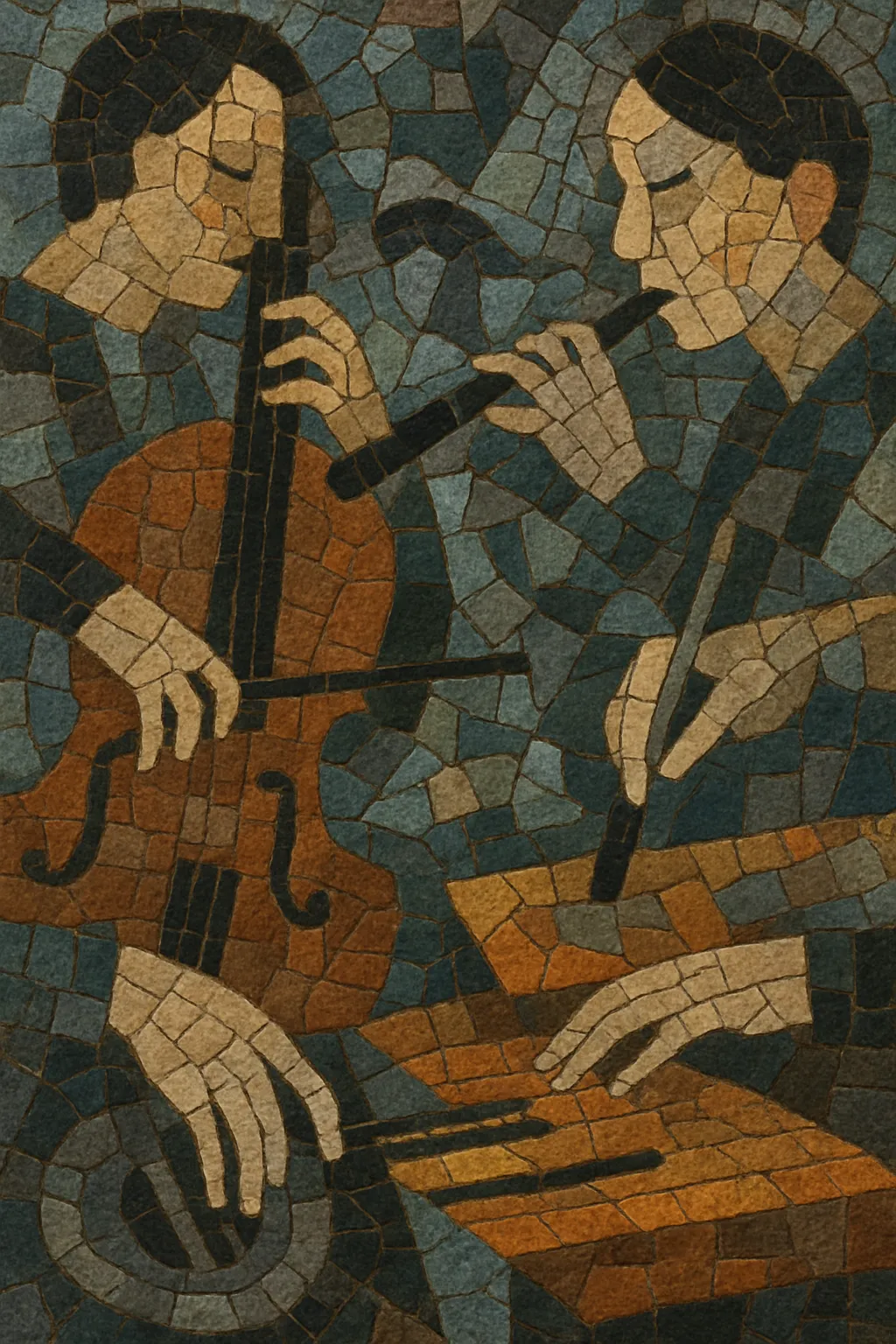
Musique concrète instrumentale is a compositional approach that transfers the ideas of musique concrète to the realm of purely acoustic instruments. Instead of manipulating recorded sound objects on tape or digitally, composers write for traditional instruments played with unconventional, extended techniques so that the instruments produce "concrete" sound-objects: breaths, frictions, scratches, resonances, and mechanical noises.

Pitch and regular meter are de-centered in favor of the morphology of sounds—how they begin, sustain, and decay; their grain, spectrum, and energy; and the dramaturgy created by their transformation over time. The result is a highly tactile, timbre-driven music that treats the instrument as a source of material rather than as a vehicle for themes or harmonic progressions.


Sources: Spotify, Wikipedia, Discogs, Rate Your Music, MusicBrainz, and other online sources

History

Origins (late 1960s)

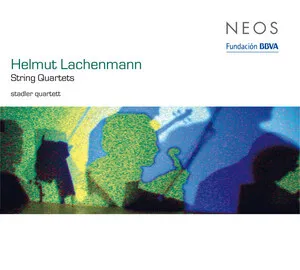
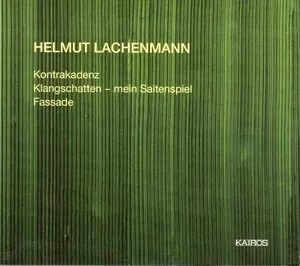
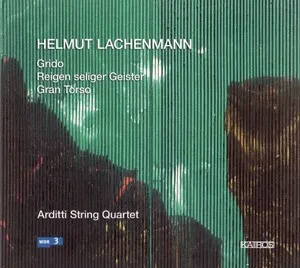
The term "musique concrète instrumentale" was coined by German composer Helmut Lachenmann in the late 1960s. Inspired by the sound-object thinking of Pierre Schaeffer’s musique concrète—but wishing to remain within the acoustic concert tradition—Lachenmann explored radical extended techniques that let instruments reveal their mechanical and noisy aspects. Early landmark works include Pression (1969) for solo cello, Guero (1969) for piano, and Gran Torso (1971) for string quartet.

Development and Dissemination (1970s–1990s)

Across the 1970s–90s, the approach spread among European “new music” circles (Darmstadt and beyond). Composers integrated instrumental noise, breath sounds, key clicks, bow pressure, behind-the-bridge and on-the-tailpiece playing, and micro-gestural rhythms. Detailed performance notation and extensive technique legends became standard, reflecting the precision needed to control sound morphology. Parallel streams—post-serial modernism, experimental performance practice, and electroacoustic thinking—reinforced the language and its analytical focus on timbre and texture.

Influence and Legacy (2000s–today)

By the 2000s, musique concrète instrumentale became a key reference point for contemporary composers and performers, shaping repertory for soloists, ensembles, and string quartets. It influenced free improvisers and reductionist/"lowercase" practices, sound art, and even parts of noise and experimental scenes. Today, younger composers expand the palette with preparation, light amplification, and spatial staging, but the core remains: treating instruments as sources of manipulable sound objects and composing with their tactile, physical properties.

How to make a track in this genre

Sound Sources and Instrumentation
•   Choose conventional acoustic instruments (strings, winds, brass, piano, percussion) but prioritize their non-traditional sound capabilities. •   Employ extended techniques: overpressure and sul ponticello bowing, bowing behind the bridge or on the tailpiece, col legno tratto, multiphonics (winds), key clicks, breath and valve noises, tongue rams, air-only sounds, and percussive actions on instrument bodies. •   On piano: use fingertip or nail scrapes on keys (Guero-like), muted strings, resonance pedaling, and silently depressed keys for sympathetic resonance.
Rhythm, Harmony, and Form
•   De-center pulse and tonal harmony. Organize music by sound-object morphology: attack, sustain, decay; density, grain, and spectral weight. •   Shape form through contrasting gestural energies (friction vs. resonance, breath vs. impact) and through transformational processes rather than thematic development. •   Use silence as structural material; articulate space between gestures to heighten perception of timbral detail.
Notation and Rehearsal Practice
•   Provide a clear legend of techniques with symbols, textual instructions, and approximate pitch indications when pitch is secondary. •   Notate dynamics precisely, often at extreme soft or controlled loud levels, and specify bow pressure, contact points, air flow, and positions. •   Plan time for workshops with performers; co-develop achievable techniques and refine balance. Light amplification can help reveal micro-details while remaining strictly acoustic in source.
Aesthetic Priorities
•   Prioritize tactile, material sound over melody and harmony. Compose dramaturgies of timbre: erosion, accumulation, abrasion, and release. •   Curate contrasts between fragile and abrasive sounds, and between microscopic textures and larger accumulations. •   Maintain coherence by tracking families of sound objects and their transformations across the piece.

Top tracks

Locked
Share your favorite track to unlock other users’ top tracks
Influenced by
Has influenced
Challenges
Digger Battle
Let's see who can find the best track in this genre
© 2026 Melodigging
Melodding was created as a tribute to Every Noise at Once, which inspired us to help curious minds keep digging into music's ever-evolving genres.
Buy me a coffee for Melodigging