Genres
Artists
Albums
Make Music
Sign in
Sign in
Artists
Champeta
Artists
Champeta
Orchestra Makassy
1979–1982
·
2 albums
Listen
1
/5
Genres
Champeta
Champeta is an Afro‑Colombian dance music born in the Caribbean coast around Cartagena and Barranquilla, emerging from the picó (sound‑system) culture that blasted imported African LPs at street parties. It translates the kinetic guitar lines and call‑and‑response spirit of Congolese soukous, highlife, and makossa into a distinctly coastal Colombian groove. Built on bright, interlocking electric‑guitar ostinatos (often in a sebene style), rubbery bass, and hand percussion, champeta favors hypnotic two‑chord vamps, catchy choruses, and playful, often streetwise lyrics delivered in Spanish and, at times, Palenquero. Since the 2000s, the style’s “champeta urbana” wave has folded in drum‑machine kicks, synth hooks, and club sonics while keeping the joyous, communal energy of the picó plaza.
Discover
Listen
Benga
Benga is a fast, guitar-driven popular music from Kenya, best known for its bright, cascading lead guitar lines and propulsive dance grooves. The lead guitar often emulates the interlocking patterns of the Luo nyatiti (eight‑string lyre), resulting in a sparkling, melodic style that sits on top of a crisp rhythm section. Typically set in 4/4 and at upbeat tempos, benga songs feature call‑and‑response vocals, short lyrical refrains, and tightly interwoven guitar parts. Lyrics address love, everyday life, humor, and social commentary, delivered in Dholuo, Kikuyu, Kamba, Swahili, and English depending on the regional variant. While its core comes from local folk idioms, benga was shaped by the pan‑African guitar band movement, absorbing ideas from Congolese rumba/soukous and, to a lesser extent, highlife—yet preserving a distinctly Kenyan rhythmic feel.
Discover
Listen
Muziki Wa Dansi
Muziki wa dansi is a Tanzanian big‑band dance music tradition that blossomed in the post‑colonial era. The name literally means "dance music" in Swahili, and the style is built for social dancing in clubs, union halls, and open‑air stages. Musically, it blends Congolese rumba/soukous guitar interplay and Cuban son grooves with coastal taarab melodies, horn riffs, and a steady 4/4 backbeat. Bands typically feature multiple guitars (rhythm, mi‑solo/lead, and bass), a horn section, drum kit with auxiliary percussion (congas, shakers, cowbell), and call‑and‑response vocals in Swahili. A hallmark of the genre is the use of mitindo (band‑signature dance styles/rhythmic patterns) and extended sebene‑style instrumental vamps that build energy for the dancefloor. Lyrics often mix romance, everyday life, social advice, and subtle political commentary, reflecting the culture of Ujamaa‑era Tanzania.
Discover
Listen
Congolese Rumba
Congolese rumba (often called African rumba) is a danceable, guitar-driven popular music that emerged in Kinshasa and Brazzaville after World War II. It blends Afro‑Cuban son and bolero harmonies with Central African rhythmic sensibilities and call‑and‑response vocals. Typical recordings feature interlocking electric guitars (rhythm, mi‑solo and lead) playing lilting, cyclical figures over a steady, clave‑informed groove, buoyed by congas, maracas, cowbell, bass tumbao, and occasional horns. Songs frequently move from a lyrical, crooning verse into an extended instrumental vamp called the “sebene,” where the band raises the energy for dancers. Lyrically, Congolese rumba often uses Lingala (and sometimes French), celebrating romance, urban life, and social themes with suave vocal harmonies and a refined sense of melody.
Discover
Listen
East African Music
East African music is a broad regional umbrella that encompasses the musical traditions and modern styles of countries along and around the Swahili Coast and the Horn of Africa. It blends indigenous rhythmic practices and vocal traditions with centuries of Indian Ocean exchange, notably Arabic maqam-based aesthetics and instrumentation that shaped coastal forms like taarab. Across the interior and highlands, interlocking guitar lines, polyrhythmic percussion, and call-and-response vocals inform genres such as Kenyan benga and Ugandan kadongo kamu, while Ethiopia and Eritrea contribute distinctive modal systems (qenet) that underpin ethio-jazz and popular song. Languages such as Kiswahili, Amharic, Oromo, Tigrinya, Luganda, Luo, Somali, and others frame lyric poetry ranging from praise and protest to love and social commentary. Since the mid-20th century, Congolese rumba/soukous dance-band idioms mixed with local rhythms to shape dance musics like muziki wa dansi and modern Tanzanian pop forms. In the 21st century, ultra-fast electronic scenes (singeli) and Swahili hip-hop/pop (bongo flava) testify to the region’s continual reinvention, while traditional forms like taarab and lyre-based repertories (nyatiti, krar, endongo) remain foundational.
Discover
Listen
Albums
1982
2
/5
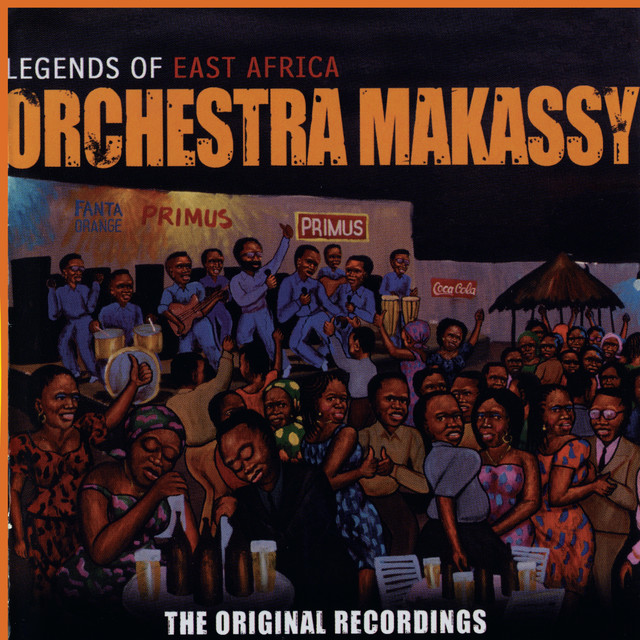
Legends Of East Africa
Orchestra Makassy
Benga
1979
1
/5
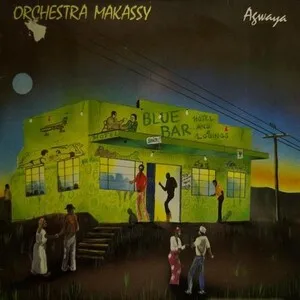
Agwaya
Orchestra Makassy
Muziki Wa Dansi
East African Music
Similar artists
2
/5
Joseph Kamaru
Benga
Bongo Flava
Champeta
1
/5
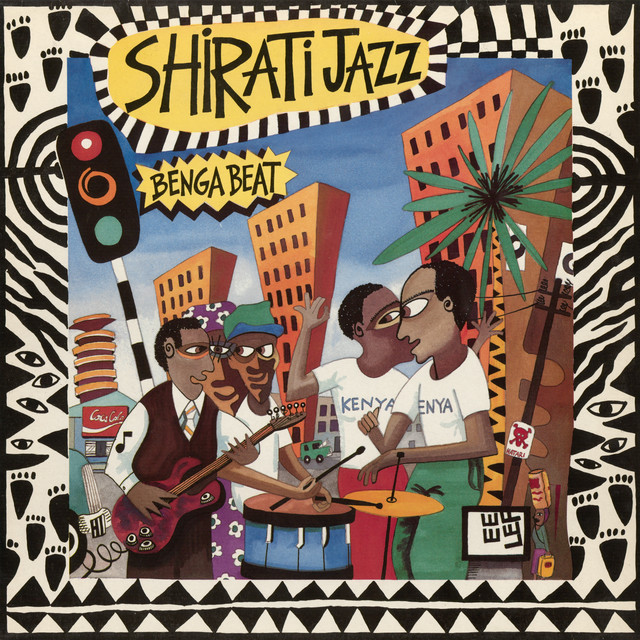
Shirati Jazz
Champeta
Congolese Rumba
Benga
1
/5
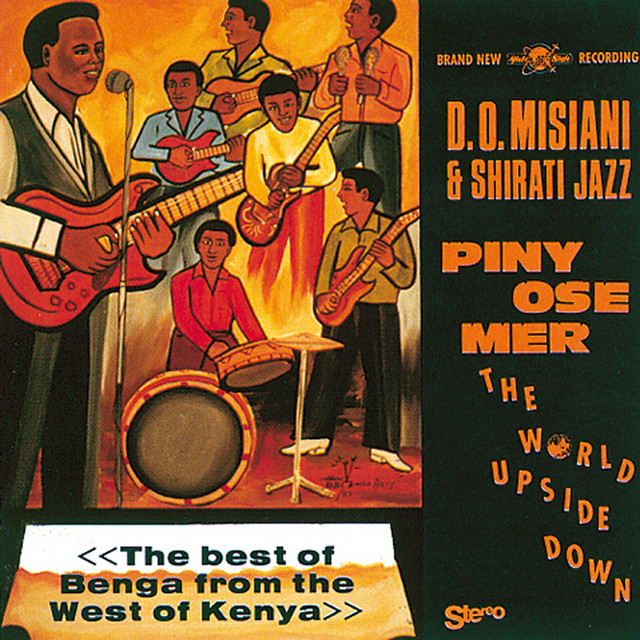
Daniel Owino Misiani
Afropop
Benga
Congolese Rumba
1
/5
Simba Wanyika
Benga
Congolese Rumba
Ndombolo
3
/5
Zaïko Langa Langa
Azonto
Champeta
Congolese Rumba
3
/5
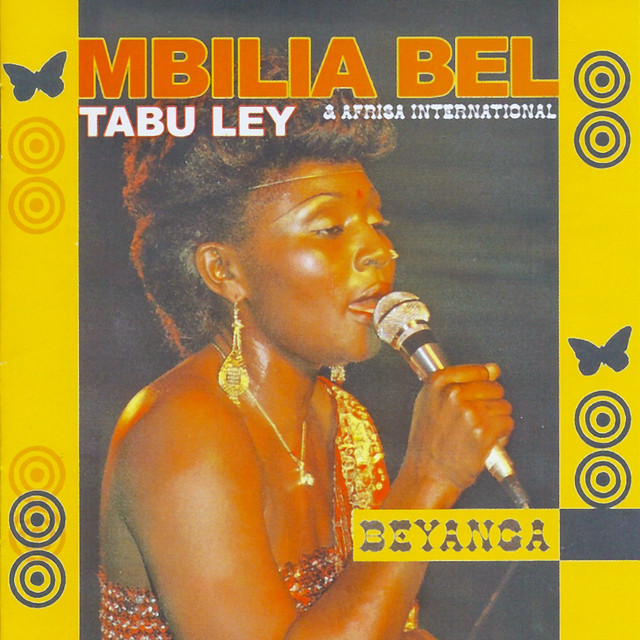
Mbilia Bel
Soukous
Champeta
Congolese Rumba
3
/5
Kanda Bongo Man
Kwassa Kwassa
Soukous
Afropop
2
/5
Pepe Kalle
Azonto
Champeta
Congolese Rumba
2
/5
BM
Afrobeat
Azonto
Champeta
2
/5
L'Afrisa International
Champeta
Congolese Rumba
Ndombolo
Download our mobile app
Get the Melodigging app and start digging for new genres on the go
Download on the App Store
Get it on Google Play
© 2026 Melodigging
Give feedback
Legal
Melodding was created as a tribute to
Every Noise at Once
, which inspired us to help curious minds keep digging into music's ever-evolving genres.