Genres
Artists
Albums
Make Music
Sign in
Sign in
Artists
Kurdish Music
Artists
Kurdish Music
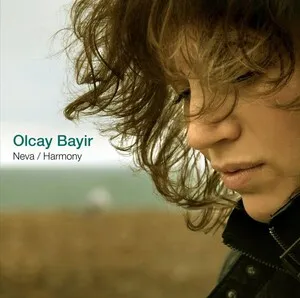
Olcay Bayir
2014
·
1 album
Listen
Genres
Neofolk
Neofolk is a post-industrial offshoot that blends traditional acoustic folk instrumentation with the austere atmospheres, ritual rhythms, and poetic sensibilities of the industrial and post-punk underground. It often features intimate acoustic guitars, baritone or chant-like vocals, martial or processional percussion, drones, and sparse strings or harmonium. Thematically, neofolk is preoccupied with memory, myth, and modernity—drawing on pagan or pre-Christian motifs, Romantic poetry, war-time remembrance, esoteric philosophy, and nature mysticism. The sound tends to be minimal and deliberate, favoring modal harmony and restrained dynamics that sharpen lyrical focus and mood. While sometimes called “apocalyptic folk,” the label describes the tone rather than a single ideology, as artists span a wide range of personal and political stances.
Discover
Listen
Kurdish Music
Kurdish music is the traditional and contemporary music of the Kurdish people, spanning the mountainous regions of present‑day Iraq, Turkey, Iran, and Syria. It centers on modal melodies, rich vocal ornamentation, and poetic storytelling, and it ranges from unaccompanied epic singing (dengbêj) to driving dance music for circle dances (govend/halay). Its melodic language is closely tied to Near Eastern modal systems (maqam/dastgāh), with characteristic use of the Kurd/Bayât‑e Kurd mode (akin to a minor scale with a lowered second) and related hijaz/bayat families. Common meters include 2/4 and 6/8 for dances, alongside asymmetrical meters such as 7/8 and 9/8. Typical instruments include the tembûr/tanbur and saz (bağlama), frame drums (daf) and double-headed drums (dohol), reed and double‑reed winds (ney, zurna, balaban/duduk), as well as kamancheh and violin; modern ensembles may add keyboards and electric bağlama. Lyrically, Kurdish songs are often performed in Kurmanji, Sorani, and Zazakî, exploring themes of love, nature, heroism, exile, and resistance. The sound can be at once melancholic and epic, yet also celebratory and communal in its dance repertoires.
Discover
Listen
Turkish Classical
Turkish classical (Ottoman/Turkish art music) is a refined modal art tradition centered on the makam (scale/melodic behavior) system and cyclical rhythms called usul. It developed in the Ottoman court, Mevlevi lodges, and urban salons, using an intimate chamber instrumentation (ney, tanbur, ud, kemençe, kanun, keman) and highly ornamented vocal lines. Compositions follow characteristic forms such as peşrev and saz semaisi (instrumental), as well as vocal forms like beste, kar, semai, yürük semai, and the later şarkı. Improvisation (taksim) introduces and connects sections, exploring the seyir (melodic path) of the chosen makam with nuanced microtonal inflections. Its aesthetic emphasizes subtle emotion, controlled ornamentation, and measured development, with repertoire spanning sacred (Mevlevi ayin) and secular works. The tradition balances composed structure and spontaneous improvisation, cultivated through the meşk (master–apprentice) pedagogy.
Discover
Listen
Albums
2014
1
/5
Neva / Harmony
Olcay Bayir
Kurdish Music
Similar artists
1
/5
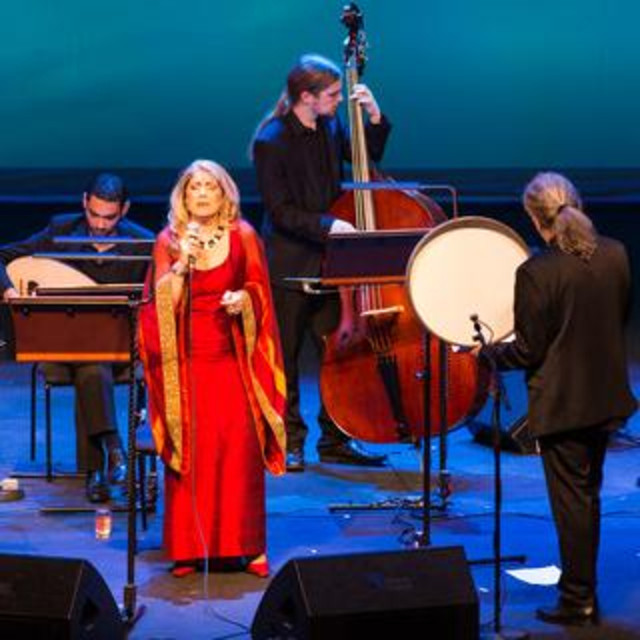
Sarband
Medieval
Classical
Electronic
1
/5
Various Artists
Soundtrack
Afro-Funk
Alternative Rock
3
/5
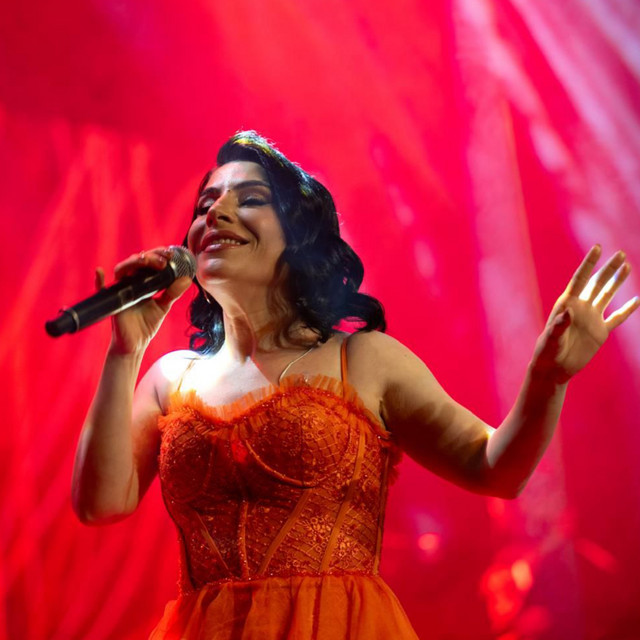
Rojda
Oyun Havasi
Kurdish Music
Kurdish Remix
3
/5
Ahmet Aslan
Karadeniz Folk
Kurdish Music
Arabesk
3
/5
Ciwan Haco
Kurdish Rock
Kurdish Music
Folk
3
/5
Mikail Aslan
Alevi Folk Music
Kurdish Music
Kurdish Remix
3
/5
Aynur
Kurdish Music
Folk
Azerbaijani Music
3
/5
Kardes Türküler
Kurdish Music
Karadeniz Folk
Oyun Havasi
2
/5
Hozan Serhad
Kurdish Music
Kurdish Pop
2
/5
Ruhi Su
Anatolian Rock
Karadeniz Folk
Alevi Folk Music
Download our mobile app
Get the Melodigging app and start digging for new genres on the go
Download on the App Store
Get it on Google Play
© 2026 Melodigging
Give feedback
Legal
Melodding was created as a tribute to
Every Noise at Once
, which inspired us to help curious minds keep digging into music's ever-evolving genres.