Genres
Artists
Albums
Make Music
Sign in
Sign in
Artists
Anatolian Rock
Artists
Anatolian Rock
Ruhi Su
1993
·
3 albums
Listen
2
/5
Genres
Egg Punk
Egg punk is a lo‑fi, synth‑laced, jittery offshoot of punk that embraces awkwardness, absurdist humor, and devolved futurism. It tends to favor short, tightly wound songs driven by springy bass, trebly guitars, cheap drum machines, and buzzing monosynths, with nasal or deadpan vocals. The sound references first‑wave new wave and Devo‑style art punk as much as it does budget garage punk, swapping macho toughness for geeky, rubbery energy. Releases are typically DIY—4‑track or cassette‑recorded—and circulate through small labels, Bandcamp, and tape trades.
Discover
Listen
Anatolian Rock
Anatolian rock (also called Anadolu rock or Turkish psych) is a hybrid style that fuses Western rock idioms with Anatolian/Turkish folk traditions and the makam-based modal system. It emerged in the mid-to-late 1960s as Turkish musicians adapted beat, garage, and psychedelic rock to local melodies, scales, and rhythms. Typical instrumentation combines fuzzed electric guitars and bass with amplified bağlama (saz), Farfisa/Hammond organs, and a rock drum kit, often supplemented by traditional percussion. Songs frequently use "aksak" (limping) meters such as 9/8, 7/8, and 5/8, and melodies draw on makams like Hicaz, Hüseyni, Uşşak, Rast, and Kürdi. Lyrics are usually in Turkish and range from folk poetry and mystic allegory to social critique and protest. The style is renowned for its thick, swirling textures—spring reverb, tape saturation, phasing, and wah-wah—while retaining the narrative and modal richness of Anatolian musical heritage. It stands as a signature example of East–West synthesis in popular music.
Discover
Listen
Kurdish Music
Kurdish music is the traditional and contemporary music of the Kurdish people, spanning the mountainous regions of present‑day Iraq, Turkey, Iran, and Syria. It centers on modal melodies, rich vocal ornamentation, and poetic storytelling, and it ranges from unaccompanied epic singing (dengbêj) to driving dance music for circle dances (govend/halay). Its melodic language is closely tied to Near Eastern modal systems (maqam/dastgāh), with characteristic use of the Kurd/Bayât‑e Kurd mode (akin to a minor scale with a lowered second) and related hijaz/bayat families. Common meters include 2/4 and 6/8 for dances, alongside asymmetrical meters such as 7/8 and 9/8. Typical instruments include the tembûr/tanbur and saz (bağlama), frame drums (daf) and double-headed drums (dohol), reed and double‑reed winds (ney, zurna, balaban/duduk), as well as kamancheh and violin; modern ensembles may add keyboards and electric bağlama. Lyrically, Kurdish songs are often performed in Kurmanji, Sorani, and Zazakî, exploring themes of love, nature, heroism, exile, and resistance. The sound can be at once melancholic and epic, yet also celebratory and communal in its dance repertoires.
Discover
Listen
Karadeniz Folk
Karadeniz folk is the regional folk music of Turkey’s eastern Black Sea (Karadeniz) coast, associated with Laz, Hemshin, Pontic Greek (Romeika-speaking), and Turkish communities. It is typified by the piercing, agile sound of the kemençe (Pontic lyra) and the droning tulum (Black Sea bagpipe), propulsive asymmetric dance meters (especially the horon in 7/16), and call-and-response vocals. Melodies often draw on Anatolian/Turkic and wider maqam-based modal practices, while lyrics evoke seafaring, mountain life, migration, tea and hazelnut harvests, and fervent love. In modern practice, traditional ensembles are frequently joined by guitar, bass, and drum set, producing a lively folk-rock crossover that retains the region’s characteristic rhythmic lift and ornamented melodic style.
Discover
Listen
Zeybek
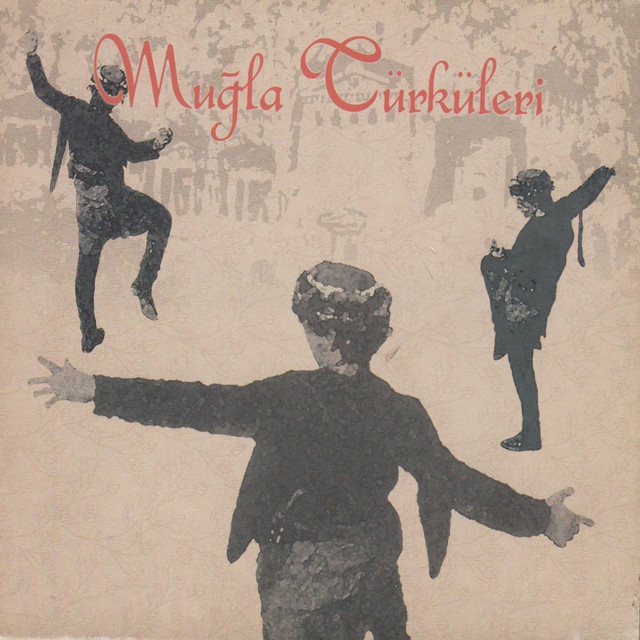
Zeybek is a traditional musical-dance style from Western Anatolia (the Aegean region of Turkey) characterized by asymmetric aksak meters—most commonly 9/8 divided as 2+2+2+3—and a proud, heroic bearing. It exists in two main tempo families: ağır zeybek (slow, weighty, processional) and kıvrak zeybek (lively, agile). The music typically features modal (makam-based) melodies ornamented with slides and grace notes, performed on instruments such as bağlama (saz), cura, zurna and davul in rural settings, and clarinet, oud, kanun, and violin in urban arrangements. The dance is often a solo male performance (but also danced in groups), with outstretched arms and measured steps that evoke dignity and defiance, reflecting the ethos of the Aegean efe (local militia/outlaw) culture.
Discover
Listen
Alevi Folk Music
Alevi folk music (Alevi–Bektaşi music) is the devotional and vernacular song tradition of the Alevi communities of Anatolia. It is centered on the bağlama (saz) and the sung poetry of the âşık/ozan lineage, conveying mystical, ethical, and communal teachings. Core forms include deyiş and nefes (didactic, mystical hymns), düvaz-ı imam (praise of the Twelve Imams), and semah (songs accompanying the ritual turning/dance). Melodies often draw on folk-modal practice related to the Turkish makam world, while rhythm favors both free-meter recitation and asymmetrical “aksak” cycles such as 5/8, 7/8, and 9/8. The performance practice is intimate and participatory, with a zakir (lead singer/bağlama player) guiding congregational response during the cem ritual.
Discover
Listen
Albums
1993
2
/5
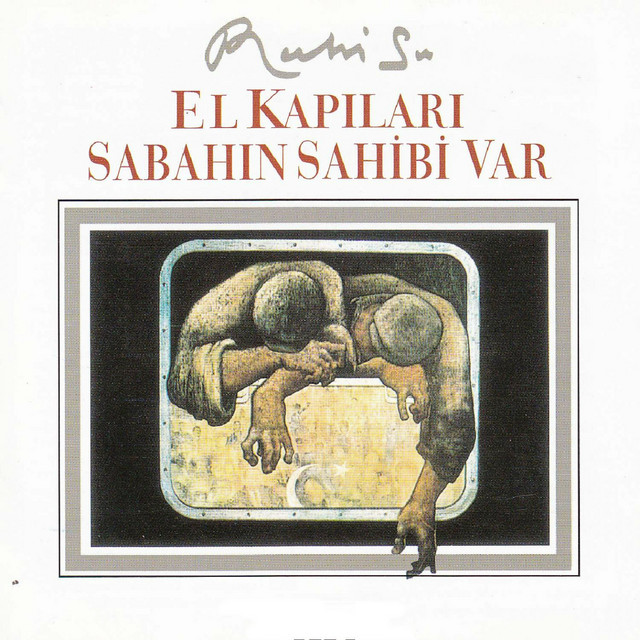
Zeybekler
Ruhi Su
Zeybek
1993
1
/5
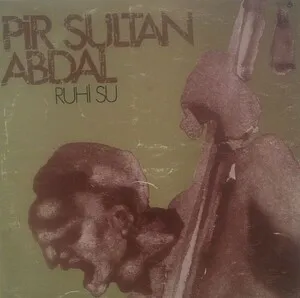
Pir Sultan Abdal
Ruhi Su
Alevi Folk Music
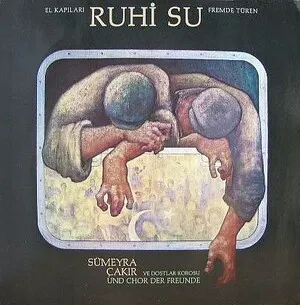
El kapilari - Fremde Türen
Ruhi Su
Kurdish Music
Similar artists
3
/5
Tolga Çandar
Anatolian Rock
Arabesk
Karadeniz Folk
4
/5
Duman
Anatolian Rock
Karadeniz Folk
Turkish Pop
3
/5
Neşet Ertaş
Uzun Hava
Anatolian Rock
Arabesk
3
/5
Edip Akbayram
Anatolian Rock
Arabesk
Karadeniz Folk
3
/5
Kâzım Koyuncu
Anatolian Rock
Arabesk
Karadeniz Folk
3
/5
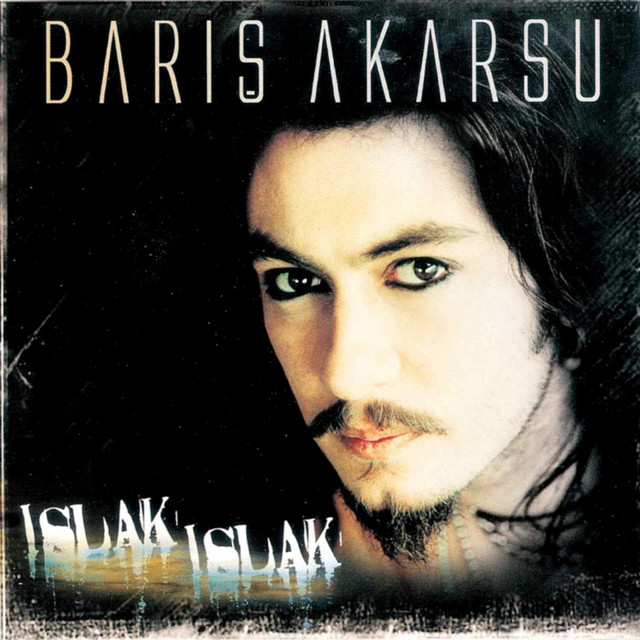
Barış Akarsu
Anatolian Rock
Karadeniz Folk
Turkish Pop
3
/5
Ekrem Düzgünoğlu
Anatolian Rock
Arabesk
Karadeniz Folk
3
/5
Fuat Saka
Anatolian Rock
Karadeniz Folk
Oyun Havasi
3
/5
Aşık Mahzuni Şerif
Anatolian Rock
Arabesk
Karadeniz Folk
3
/5
Yavuz Çetin
Anatolian Rock
Karadeniz Folk
Download our mobile app
Get the Melodigging app and start digging for new genres on the go
Download on the App Store
Get it on Google Play
© 2026 Melodigging
Give feedback
Legal
Melodding was created as a tribute to
Every Noise at Once
, which inspired us to help curious minds keep digging into music's ever-evolving genres.