Genres
Artists
Albums
Make Music
Sign in
Sign in
Artists
Kurdish Music
Artists
Kurdish Music
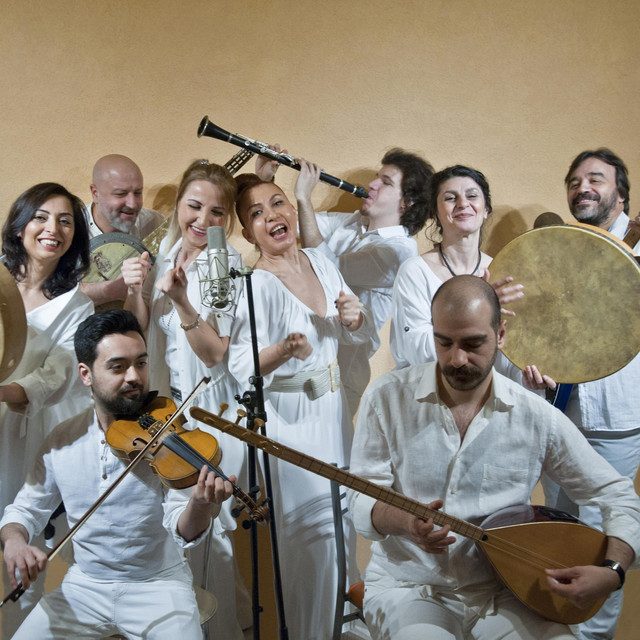
Kardes Türküler
2002–2017
·
3 albums
Listen
3
/5
Genres
Kurdish Music
Kurdish music is the traditional and contemporary music of the Kurdish people, spanning the mountainous regions of present‑day Iraq, Turkey, Iran, and Syria. It centers on modal melodies, rich vocal ornamentation, and poetic storytelling, and it ranges from unaccompanied epic singing (dengbêj) to driving dance music for circle dances (govend/halay). Its melodic language is closely tied to Near Eastern modal systems (maqam/dastgāh), with characteristic use of the Kurd/Bayât‑e Kurd mode (akin to a minor scale with a lowered second) and related hijaz/bayat families. Common meters include 2/4 and 6/8 for dances, alongside asymmetrical meters such as 7/8 and 9/8. Typical instruments include the tembûr/tanbur and saz (bağlama), frame drums (daf) and double-headed drums (dohol), reed and double‑reed winds (ney, zurna, balaban/duduk), as well as kamancheh and violin; modern ensembles may add keyboards and electric bağlama. Lyrically, Kurdish songs are often performed in Kurmanji, Sorani, and Zazakî, exploring themes of love, nature, heroism, exile, and resistance. The sound can be at once melancholic and epic, yet also celebratory and communal in its dance repertoires.
Discover
Listen
Karadeniz Folk
Karadeniz folk is the regional folk music of Turkey’s eastern Black Sea (Karadeniz) coast, associated with Laz, Hemshin, Pontic Greek (Romeika-speaking), and Turkish communities. It is typified by the piercing, agile sound of the kemençe (Pontic lyra) and the droning tulum (Black Sea bagpipe), propulsive asymmetric dance meters (especially the horon in 7/16), and call-and-response vocals. Melodies often draw on Anatolian/Turkic and wider maqam-based modal practices, while lyrics evoke seafaring, mountain life, migration, tea and hazelnut harvests, and fervent love. In modern practice, traditional ensembles are frequently joined by guitar, bass, and drum set, producing a lively folk-rock crossover that retains the region’s characteristic rhythmic lift and ornamented melodic style.
Discover
Listen
Oyun Havasi
Oyun havası (literally “dance tune”) is a broad Turkish term for lively, groove‑driven pieces played for social dancing at weddings and festive gatherings. It is most closely associated with clarinet‑led urban/Thracian (Rumeli) and Turkish Roma (Roman) ensembles, as well as rural zurna–davul bands. Typical meters include the asymmetrical 9/8 “aksak” (especially the karşılama groupings 2+2+2+3), alongside 2/4 or 4/4 çiftetelli and occasional 6/8. Melodies often follow the makam (modal) system, with ornamented, vocal‑like phrasing and exuberant percussion patterns that keep dancers moving. Instrumentation commonly features clarinet, davul (bass drum), darbuka/tef (frame drum/riq), zurna, violin, kanun, ud, cümbüş, and bağlama. In urban settings, taksim (improvised preludes) may introduce the tune before the main dance sections. The overall feel is festive, flirtatious, and highly rhythmic, encouraging call‑and‑response energy between musicians and dancers.
Discover
Listen
Albums
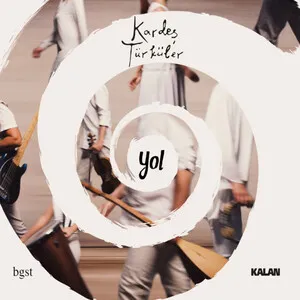
2017
2
/5
Yol
Kardeş Türküler
Kurdish Music
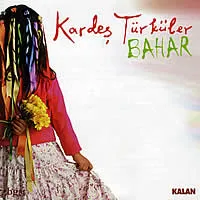
2005
2
/5
Bahar
Kardeş Türküler
Kurdish Music
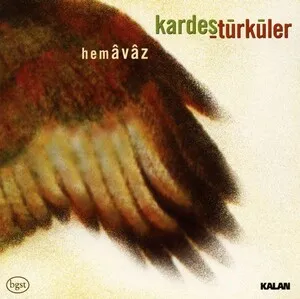
2002
3
/5
Hemâvâz
Kardeş Türküler
Kurdish Music
Similar artists
3
/5
Ahmet Aslan
Karadeniz Folk
Kurdish Music
Arabesk
3
/5
Aynur
Kurdish Music
Azerbaijani Music
Jazz Mugham
4
/5
Elif Buse Doğan
Karadeniz Pop
Karadeniz Folk
Oyun Havasi
3
/5
Musa Eroğlu
Arabesk
Karadeniz Folk
Oyun Havasi
3
/5
Neşet Ertaş
Uzun Hava
Anatolian Rock
Arabesk
3
/5
Zara
Arabesk
Karadeniz Folk
Oyun Havasi
3
/5
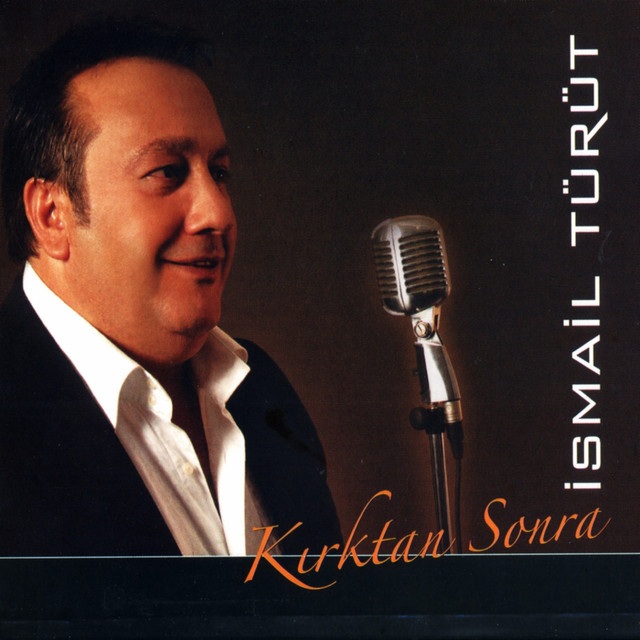
İsmail Türüt
Karadeniz Folk
Oyun Havasi
Karadeniz Pop
3
/5
Kâzım Koyuncu
Anatolian Rock
Arabesk
Karadeniz Folk
3
/5
Aytekin Ataş
Karadeniz Folk
Oyun Havasi
Arab Trap
3
/5
Eda Doğanay
Arabesk
Karadeniz Folk
Oyun Havasi
Download our mobile app
Get the Melodigging app and start digging for new genres on the go
Download on the App Store
Get it on Google Play
© 2026 Melodigging
Give feedback
Legal
Melodding was created as a tribute to
Every Noise at Once
, which inspired us to help curious minds keep digging into music's ever-evolving genres.